
The Ramiro pepper was first bred in Italy. Its flavor has led it to become popular not only in Europe but also in Latin America.
Characteristics of the variety
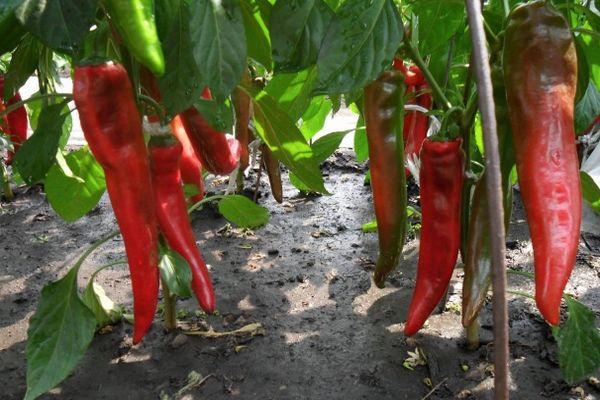
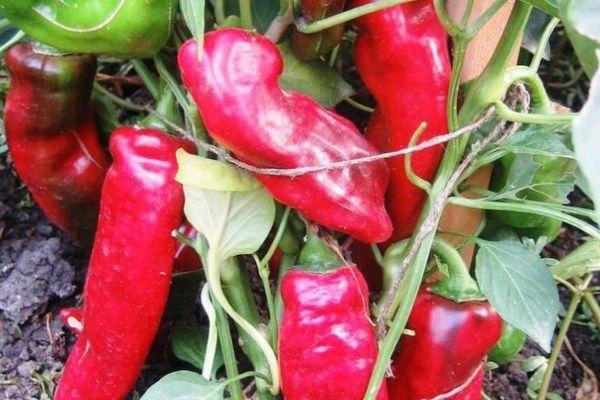
The description of this variety begins with the pepper's shape. It's very elongated and resembles a chili pepper in appearance. This shape gives the false impression that the pepper is spicy. In fact, the Ramiro pepper is much sweeter than a regular bell pepper.
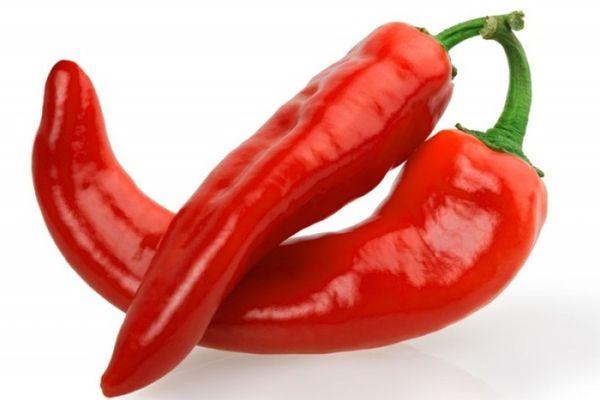
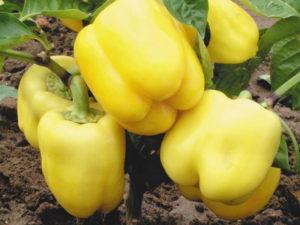
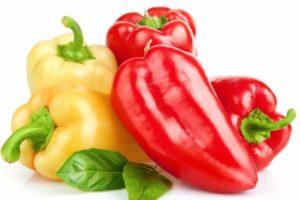
Four varieties have been developed, differing in fruit color:
- red;
- yellow;
- green;
- orange.
The most common fruits are red and yellow. Vegetable characteristics:
- The height of the bush reaches 90 cm.
- The crop is fully matured 130 days after planting the seeds.
- High yield.
- The weight of the fruit ranges from 90 to 160 g.
- The length of the vegetable does not exceed 25 cm.
- One bush can produce from 10 to 15 fruits.
Ramiro is suitable for growing outdoors, in greenhouses, and hothouses. It is recommended to store the harvest in a cool place. This will preserve the vitamin C in the fruit for up to three months.
Preparing seedlings
Seeds for germination must be large, free of visible defects, and not hollow. After inspection, the seeds are placed in a potassium permanganate solution for 20 minutes to disinfect them. They are then placed on damp cheesecloth and left there for 2-3 days.
The seeds should be planted in prepared soil. To do this, mix humus, sand, and garden soil in a 2:1:1 ratio. Add 1 tablespoon of wood ash to the soil as fertilizer. Place the seeds 2 cm deep in the soil and water thoroughly. Cover the containers with plastic wrap and place them in a dark place. The room temperature should be at least 20°C. As soon as the first shoots appear, move the containers to a brighter location.
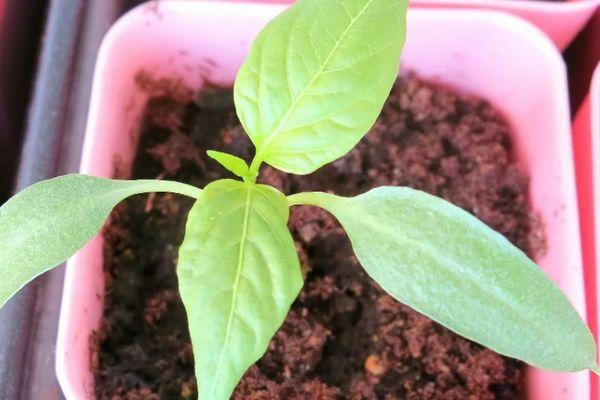
For seedlings to emerge, certain conditions are necessary:
- moderate watering with warm, settled water;
- ventilation;
- daily illumination for at least 12 hours;
- the air temperature during the day should not be higher than +26°C, at night – not lower than +10°C;
- periodic spraying with warm water.
To fertilize the root system, water the seedlings with a solution of potassium humate at a rate of 5 ml per 2 liters of water. After the second leaf appears, transplant the seedlings into individual pots. It should be noted that peppers do not tolerate transplantation well, and therefore it is recommended to plant them immediately in separate containers, rather than in a common container.
Two weeks before planting outdoors, it's recommended to harden off the vegetables. To do this, take the pots out onto the balcony and leave them there for 2-3 hours. Gradually increase the time spent outdoors.
Planting and caring for peppers in open ground
Planting in open ground occurs in late May or early June, when the threat of night frosts has completely passed. The vegetable thrives in light, low-acid soils. Ideal areas for peppers are those in the garden where cucumbers, carrots, pumpkins, or onions were grown the previous year. It is recommended to fertilize the soil with ammonium nitrate at a rate of 30 g per 1 m² before planting.
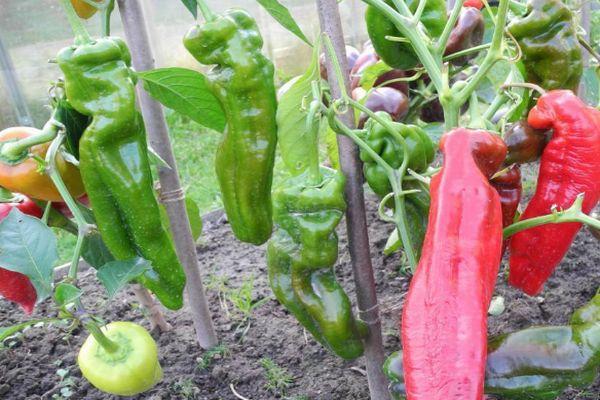
Planting peppers in the ground is carried out according to the following scheme:
- The hole depth is 15 cm. The distance between plants is 40 cm, between rows - 50 cm. The vegetable is planted in a checkerboard pattern.
- The seedlings are lowered into prepared holes.
- The roots are compacted slightly and covered with soil.
- The seedlings are watered generously with warm water.
After planting, do not water or fertilize the peppers for 10 days. This break is necessary for them to establish roots.
Watering
It's recommended to water the vegetable in the morning or evening, away from direct sunlight. Use warm, settled water. The frequency of watering depends on the stage of development:
- before buds appear - once a week;
- during ovary formation - 2 times a week;
- during the ripening process of fruits - once a week.
Take a look Also
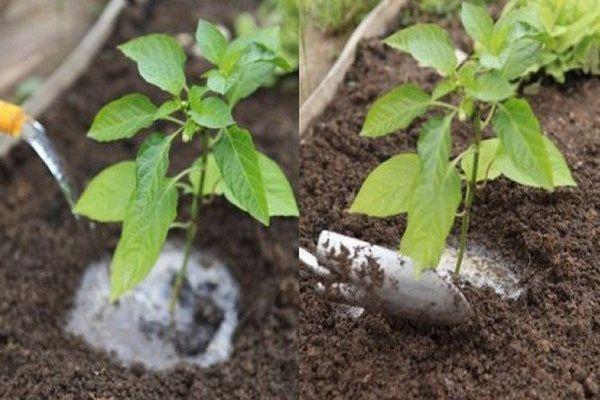
On average, 6 liters of water are needed per 1 m². After watering, the soil should be loosened.
Top dressing
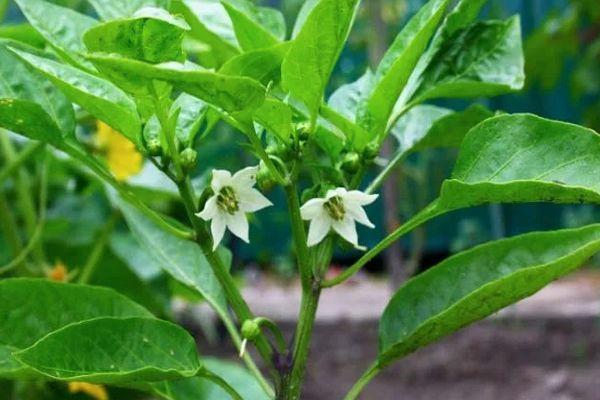
The first fertilizer is applied two weeks after planting the peppers. Mix cow manure with water at a ratio of 1:15. Apply the fertilizer to the roots! During flowering, the peppers should be sprayed with a boric acid solution at a rate of 2 g per 1 liter of water. Spray in the morning or evening.
After flowering, apply complex fertilizers. To do this, dissolve 20 g of potassium salt and superphosphate in 10 liters of water. After the first harvest, re-fertilize the bushes with phosphorus and potassium.
Formation of bushes
Proper plant formation is essential for pepper development. The first inflorescence is always removed. This ensures the plant's development. Then, after the 10th leaf appears, all excess branches are removed, leaving only 2-3 shoots. Weak and diseased branches should also be removed. No more than 25 ovaries should be left on each plant. Excess shoots are removed by hand.
Diseases and pests
The Ramiro variety is rarely susceptible to disease. However, high humidity and low temperatures can increase the risk of fungal growth. This can be controlled with fungicide treatment.
If the crop is severely affected by fungal diseases, the bushes should be sprayed with Bordeaux mixture. Important: Spraying should be done no later than 3 weeks before harvest!
This variety attracts pests such as spider mites, slugs, aphids, and wireworms. Insecticides are usually used to control them. Alternatively, you can treat the plants with folk remedies. Solutions of wood ash, onion peels, and garlic infusion are considered the most effective.
Overall, growing peppers requires some effort: constant watering and feeding, shaping the plant, and pest control. But all this effort will be repaid with a sweet taste and a bountiful harvest.
Related posts:
 Description of the best pepper varieties for greenhouses and open ground in 2025
 Planting, growing, and caring for bell peppers in open ground
 Planting, growing, and caring for peppers in open ground in the Moscow region: the best varieties
 Why are pepper leaves turning white? What to do and how to feed them in a greenhouse and in the ground.
 10 simple Armenian-style pickled hot pepper recipes for the winter
 How to grow peppers from seeds at home: choosing a variety, planting, and care
 Description of the best varieties of ornamental peppers, growing and caring for them at home
 What's the best way to freeze bell peppers for the winter at home? Storage times
This pepper can be easily grown outdoors; it's resistant to temperature fluctuations and many diseases. To accelerate growth, I only use a bioactivator.BioGrow".