
- Classification of crops and characteristic features
- Annual
- Shrub
- Berry-bearing
- Chinese
- Pubescent
- What varieties are recommended for planting indoors?
- Jellyfish
- Ogonyok
- Firework
- Bell
- Filius Blue
- Poinsettia
- Bride
- Pepperoncino
- Aladdin
- Indian summer
- Bush fire
- Bush phoenix
- The Queen of Spades
- Carmen
- Gorgon
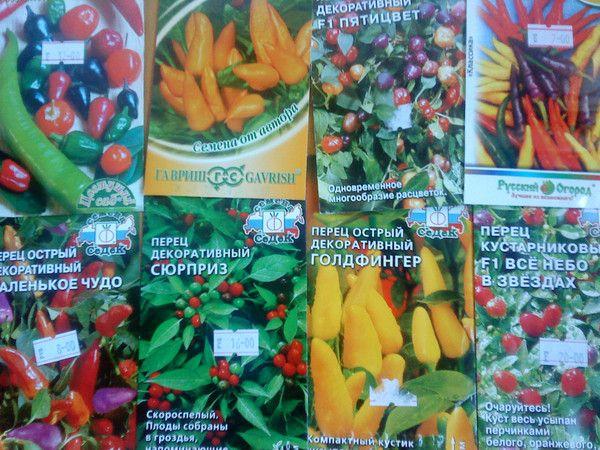
- Pepper Little Miracle
- The whole sky is in stars
- Necessary conditions for growing the crop
- Temperature and lighting
- Optimal humidity
- Pot dimensions
- Soil requirements
- How to plant seeds
- Landing dates
- Choosing a suitable location
- Seed preparation
- Growing methods
- Proper care of an ornamental plant
- What and how to feed
- Watering and spraying
- Pinching
- Stimulation of pollination
- How to help peppers survive the winter?
- Transfer
- Bush formation
- Common mistakes
With the onset of cold weather, many gardeners try to prolong the feeling of summer. Warm weather is associated with fresh vegetables and aromatic herbs. A great way to add color to harsh winter days is to plant ornamental peppers on the windowsill. This unique vegetable not only allows people to admire its color but is also suitable for consumption.
Ornamental peppers make a wonderful addition to any kitchen. Those who venture into growing peppers indoors often experience fruit drop. To avoid this problem, you need to follow the care rules and select the right varieties.
Classification of crops and characteristic features
There are many varieties of peppers suitable for growing indoors. Each has distinctive characteristics, such as crown shape, leaf shape, and fruit color. The ripening period and care requirements depend on the pepper variety. Indoor peppers can be either oblong or round.
Annual
Varieties that need to be planted annually are called paprika, sweet pepper, or vegetable pepper. Some varieties, which are part of the annual group, are quite pungent in flavor. What sets them apart from other varieties is the fact that they dry out after harvest.
Few people know that peppers, which do not grow for more than one year, can bear fruit over a long period.
Annual varieties typically grow as low bushes. Fruit color and shape also vary.
Shrub
Unlike others, these varieties are best suited for indoor cultivation. When planted as shrubs, successful growth and fruiting continue for 5-6 years. The bushes are dense, and fruiting is abundant.
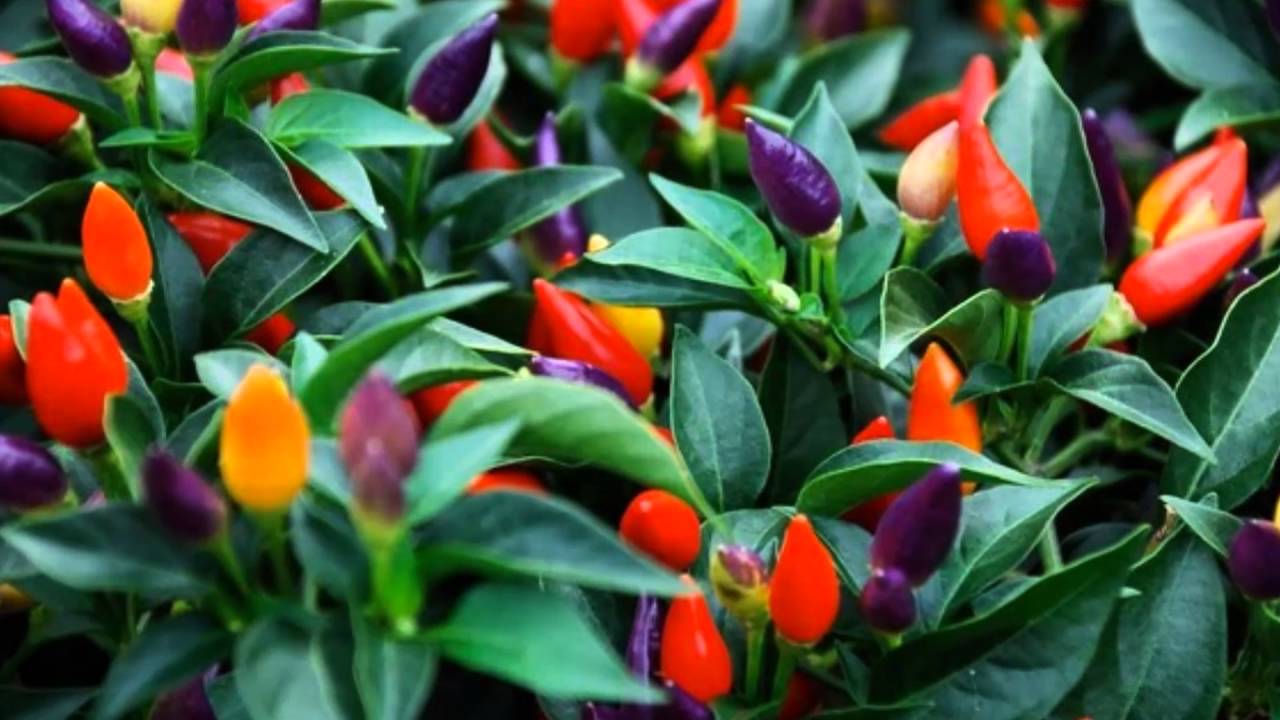
Even a small bush can yield up to 50 peppers. Because of the small size of the fruits, they are also called small-fruited peppers. Another name is cayenne pepper.
Berry-bearing
This variety of pepper got its name from the shape of its fruit. Rather than a cone, they resemble small squash. The most productive varieties are grown indoors.
The pepper's flavor is sweet, but it also has some spicy notes. The berry-bearing pepper bush reaches 1 m in height. Because of this, it's best planted on a loggia or balcony rather than a windowsill.
Chinese
This vegetable grows to 40-50 cm in height. Its leaves are ovoid and light green. During flowering, white flowers with a greenish tint are visible on the branches.
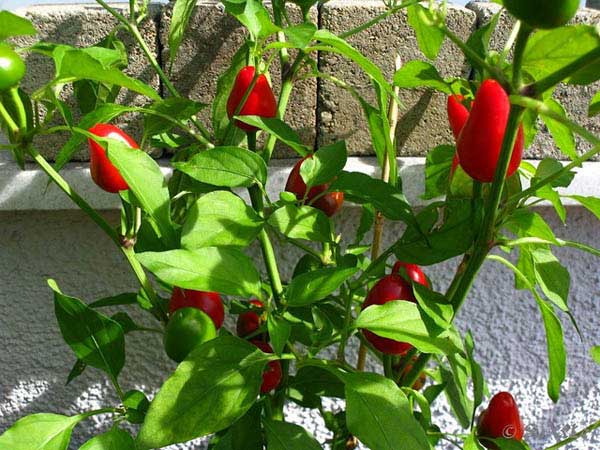
The shape of the pepper varies depending on the variety. Sometimes the vegetable takes on a lantern shape. Chinese pepper is considered the hottest, so it's not as common as other varieties. It has one significant drawback: slow growth.
Pubescent
It's also known as downy. Pots containing the plant are placed on the ground, as it's the tallest of all existing species. The downiness covers the branches, leaves, and flowers. It's intended for eating raw and has a pungent flavor.
What varieties are recommended for planting indoors?
With a wide variety of varieties, everyone can find something to suit their taste. When choosing, gardeners focus on the fruit's taste, shape, and color. Typically, pots with plants are placed on the kitchen windowsill to keep vegetables within easy reach. If space is limited indoors, the pots can be moved to the balcony.
Jellyfish
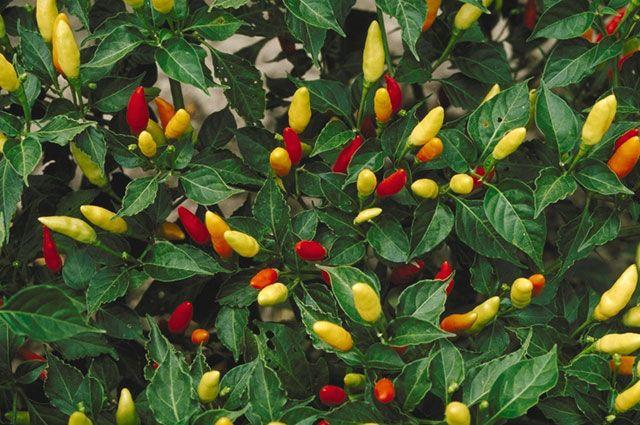
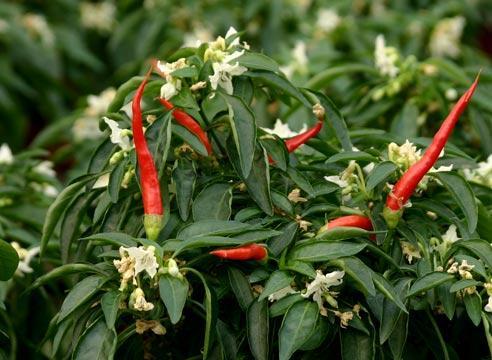
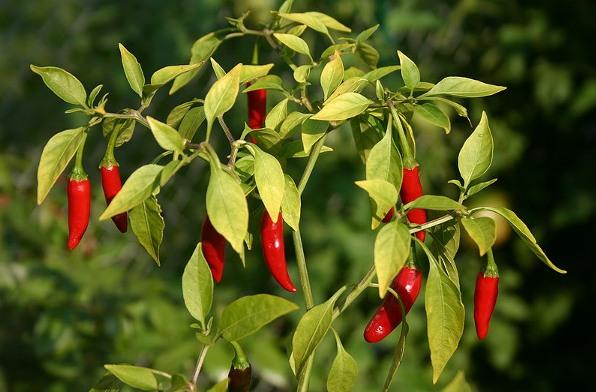
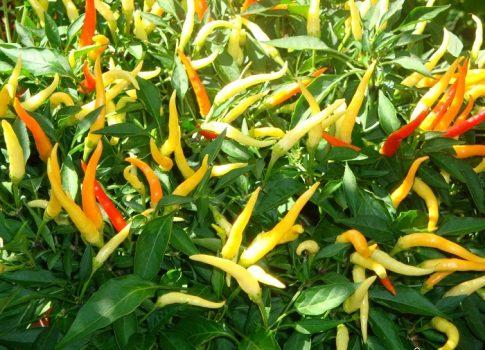
The plant produces thin, elongated peppers. The resulting peppers are white, yellow, or orange. When fully ripe, they turn red.
Each peppercorn is no more than 5 cm long. The fruits have a pleasant, slightly spicy flavor. This characteristic makes them a great seasoning, adding a piquant note to prepared dishes. The plant also adds a beautiful bloom to any room.
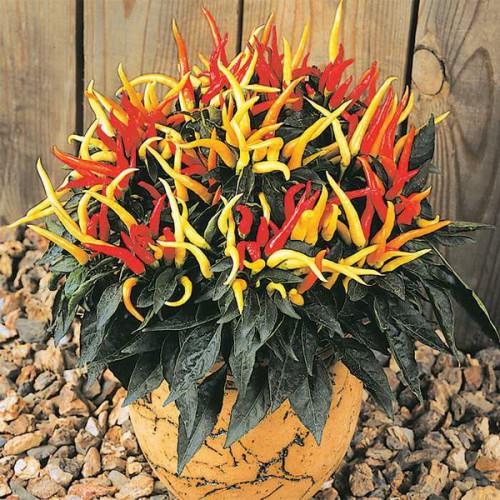
Ogonyok
Pepper Ogonyok — a fruit-bearing variety that ripens 110-125 days after planting the seeds. The formed ovaries eventually develop into bright red peppers. Ripe fruits are considered very large for a home-grown pepper.
Each weighs around 50 grams. The vegetables have a classic, spicy flavor. The Ogonyok grows as a tall bush with numerous branches.
Firework
The shoots bear small, yellow-orange peppers, pointed upward. Salute grows to 15 cm, making it considered the shortest variety. This small bush with its long fruits has a very unusual and attractive appearance.
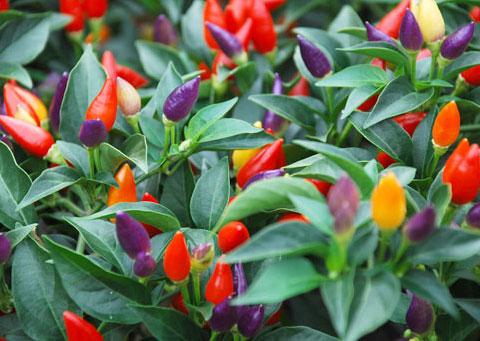
Bell
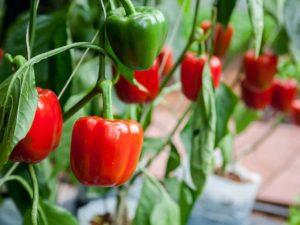
The deep red peppers stand out among the green foliage. Their bell-shaped form is striking. The 45-50 cm tall bush fits perfectly into any kitchen. The peppers offer a sweet bite. The center of the fruit reveals a spicy note. This combination of flavors makes them an excellent accompaniment to meat dishes.
Filius Blue
A compact, 12-cm-tall bush is adorned with violet-blue peppers. As they mature, the color changes to red. Fruiting continues throughout the year. This pepper variety requires careful care. It prefers nutrient-rich soil, full daylight, and abundant and frequent watering. Just one spicy pod can add a piquant flavor to a dish.
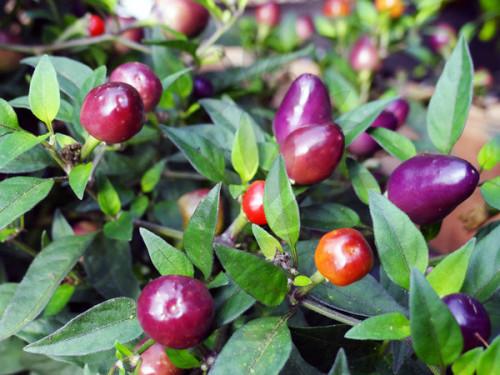
Poinsettia
After planting the seed, the young sprout grows into a bush 30 to 40 cm tall. The fruits grow up to 8 cm long. The peppers are not borne singly on the branches, but rather in clusters. Like other varieties, they turn red as they ripen.
Bride
This variety forms a compact bush. "Bride" is considered mid-season and produces fruit over a long period of time. It grows year-round on a windowsill or balcony. Before reaching technical maturity, the pods have a delicate creamy hue. A rich red color indicates that the fruits are ready to eat. The peppers exude a refined aroma.
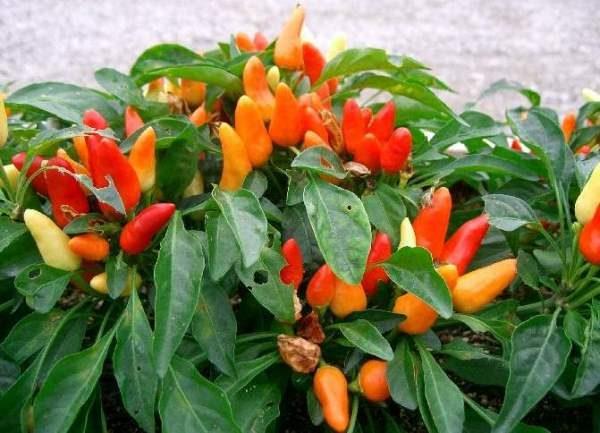
Pepperoncino
A mature plant reaches about 60 cm in height. The fruit diameter is no more than 2 cm. All the peppers on the bush are almost identical in size. The fruit's flavor pairs well with meat dishes.
Aladdin
This variety is suitable not only for indoor cultivation but also for outdoor use. The height of the bush varies depending on the chosen growing location. As it ripens, the skin color constantly changes, ranging from green to yellow and purple.
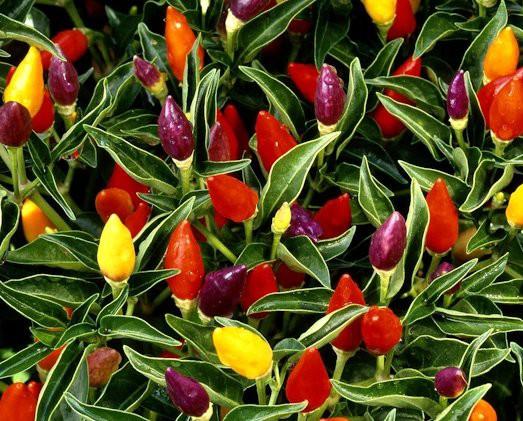
Ripe fruits are oblong and cone-shaped. They have a pronounced spiciness, and the peppers exude a spicy aroma. Fruit grown indoors is less pungent than those grown outdoors.This fact does not in any way affect fruiting and harvest quantity.
Indian summer
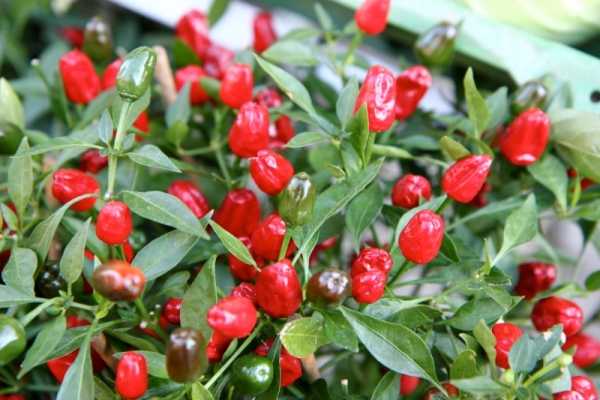
The arrangement of the shoots makes the bush compact, and as a result, it doesn't take up much space. The branches bear numerous small leaves. The color varies from white to inky. Each ripe pepper has a distinct color and shape.
Bush fire
This variety is characterized by three words: compact, unpretentious, and decorative. The bush produces fruit abundantly, and the yield remains consistent year after year. The peppers are rarely eaten fresh, alone, due to their pungency.
Bush phoenix
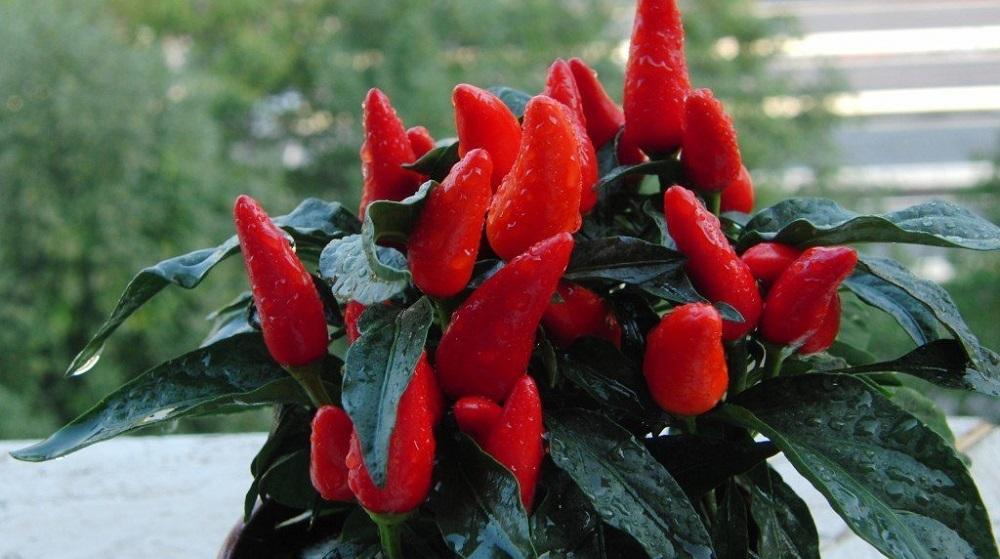
This pepper variety is highly decorative. It resembles a sphere and grows up to 35 cm tall. Bush pepper plants are often used for interior decoration.
The peppers have a classic shape, each measuring 3 to 4 cm in length. As the fruit ripens, their color changes from green to red, with variations in between. Ornamental peppers are eaten. They are not only canned but also dried for seasoning.
The Queen of Spades
This pepper variety remains green all year round. It thrives in shade and reaches a height of 25 cm. Mature peppers are round. Unlike other varieties, the fruit is purple rather than red.
Carmen
A mid-season ornamental pepper variety. It's grown on windowsills during the cold season. In summer, it can be safely moved outdoors. The aromatic pods are used for drying, canning, and preparing fresh dishes. Carmen is easy to care for.
Gorgon
This variety received its unusual name due to the curious arrangement of its fruits on the branches of the bush. They resemble the tentacles of a jellyfish. The compact bush produces spicy peppercorns. The ripe red fruits are an excellent base for preserves.
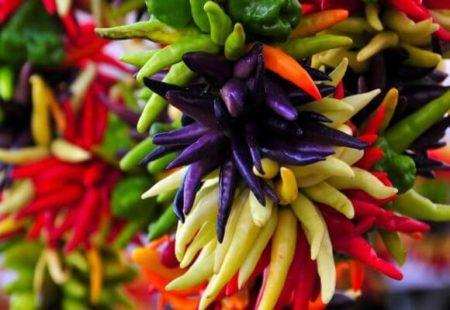
Pepper Little Miracle
This early-ripening variety produces elongated, attractive fruits. Its beautiful color makes it popular among vegetable growers. The pepper's color changes several times during growth.
The whole sky is in stars
This variety is versatile and grows in all suitable locations, from outdoors to indoors. The bush is spreading, with numerous branches, reaching a height of 60-65 cm. The branches produce numerous fruits. They are small, round, and point toward the sky. Each fruit weighs no more than 3 g.
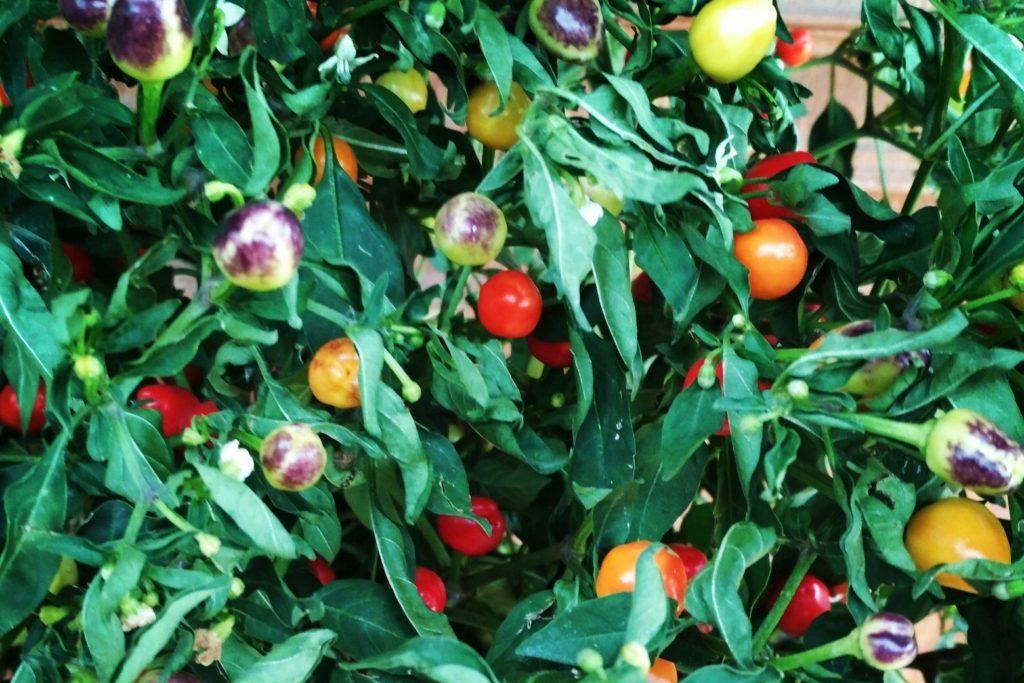
A single bush can produce orange, red, yellow, and purple fruits. The "All the Stars in the Sky" is a hybrid variety prized for its decorative qualities. Ripe fruits are used to make paprika, spices, sauces, and various pastes.
Necessary conditions for growing the crop
Vegetable growers are divided on this issue. Some consider ornamental peppers to be finicky, as the evergreen plant requires constant care. Others don't consider care to be particularly difficult or time-consuming.
Temperature and lighting
The air temperature should be around 30°C to ensure the fruit develops fully on the branches, and the plant itself doesn't need any additional care. An acceptable nighttime temperature drop is 20-22°C. In spring and fall, peppers should be exposed to at least four hours of direct sunlight.
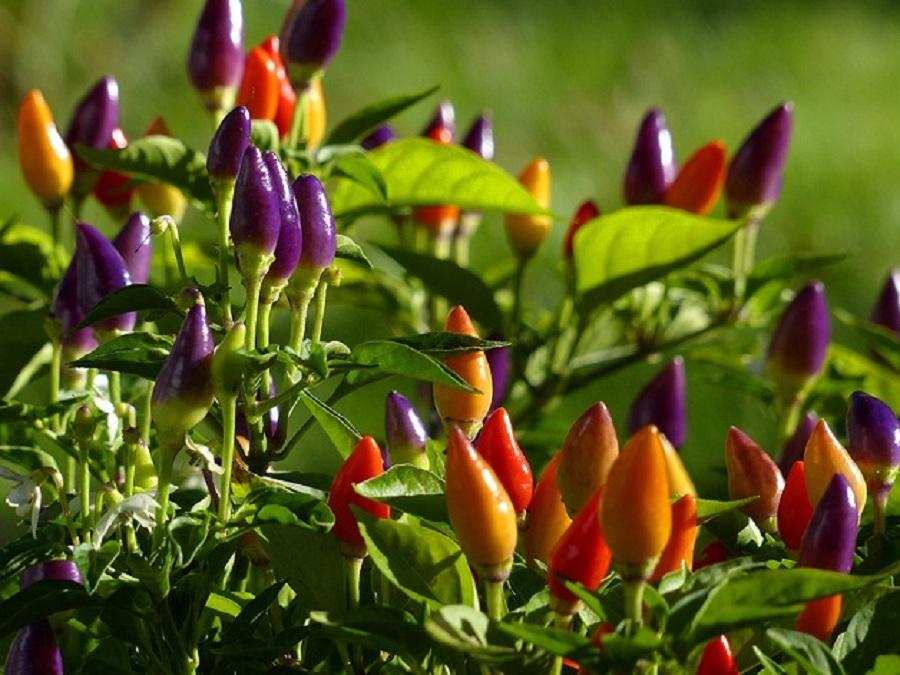
Exceeding the recommended number of hours is not recommended, as too much light can cause sunburn on the leaves. Unsightly spots also appear on the fruit. In summer, peppers do not require shade. If natural light is insufficient, artificial light is used.
Optimal humidity
There are no specific guidelines for this. Humidity should be moderate. Combined with optimal temperature and lighting, the peppers will thrive.
Pot dimensions
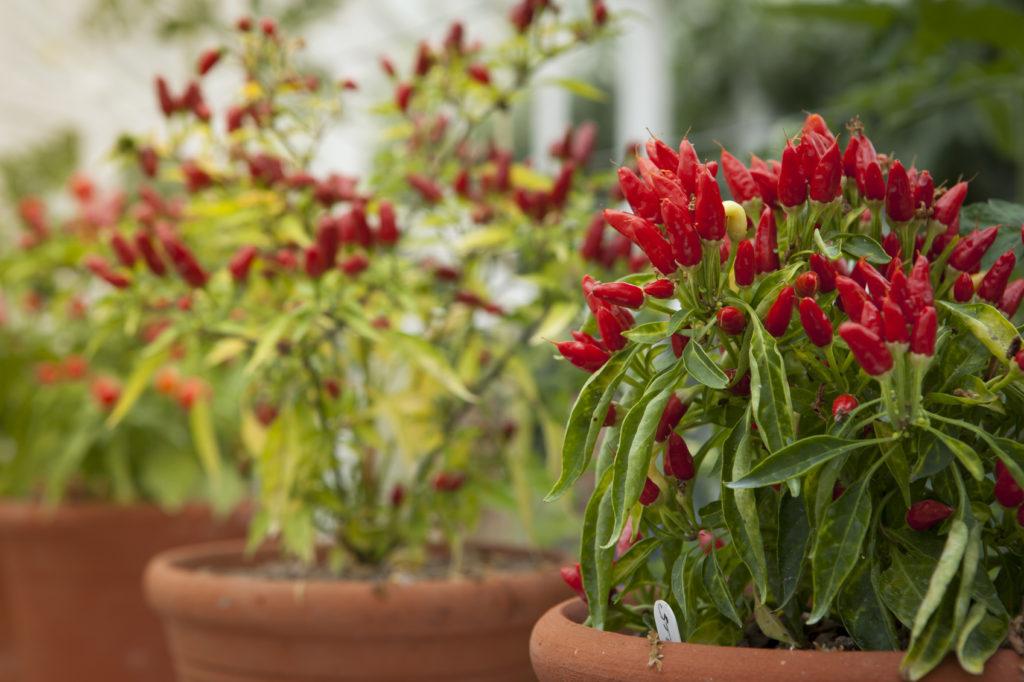
The container size for ornamental peppers varies depending on the plant variety. Small pots are chosen for smaller plants. As the plant grows taller, the container size increases. Pot sizes range from 3.5 to 6 liters.
Soil requirements
Peppers thrive in neutral soil. You can prepare the soil yourself or buy it at a specialty store. An excellent soil composition for peppers is loam, leaf mold, and sand. The ratio of the ingredients is 2:2:1.
How to plant seeds
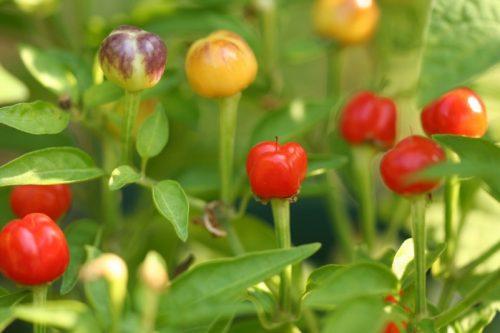
Many factors are taken into account when sowing seeds. The germination rate of peppers depends on the quality of the steps taken. The planting process is straightforward if you carefully follow the simple instructions.
Landing dates
To ensure the plant produces its first harvest as early as possible, it is recommended to plant it towards the end of winter. Typically, the sowing period falls in February.
Choosing a suitable location
Ornamental peppers can be placed in any room. They are most often kept on a kitchen windowsill. This location allows for easy care and monitoring of their growth.

Seed preparation
This involves simple but essential steps. Selected seeds are soaked in water for 1 hour. Afterward, they are kept in a damp cloth for 24 hours. If necessary, the cloth is periodically saturated with water.
Growing methods
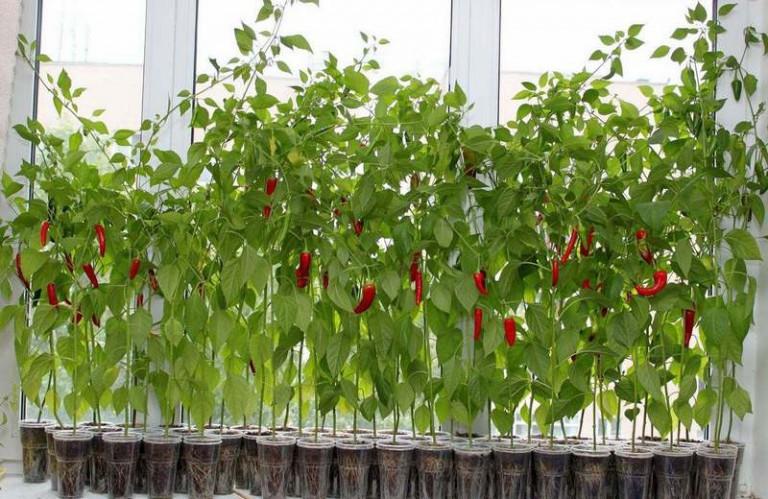
There are two methods for growing ornamental pepper seeds:
- seedless method without replanting;
- forcing seedlings and transplanting them to a permanent location.
Both methods are popular among vegetable growers. However, the second is used much more frequently than the first.
Proper care of an ornamental plant
Regardless of the choice of growing method, care for the plantings is the same.
What and how to feed
Ornamental peppers, like other plants, require fertilization. Changes in appearance provide clues to the plant's needs at any given time. Both root and foliar feeding are recommended. Peppers thrive on nitrogen, phosphorus, and complex fertilizers.
Watering and spraying
During the summer, the bushes are watered generously as the top layer of soil dries out. Plants appreciate misting at least once a week. Use room-temperature water for both watering and misting.
As cold weather sets in, watering is reduced. During winter, the soil should also be kept from drying out. The plant must receive moisture to avoid dying during the winter.
Pinching
The procedure affects the plant's appearance. After pinching, the bush becomes bushier. This procedure is performed no more than twice per summer.
Stimulation of pollination
Fruiting of ornamental peppers depends on pollination. Without it, the plant will not bloom and, consequently, will not produce fruit. Pollination can be done at home using a cosmetic brush or your fingertips.
How to help peppers survive the winter?
The culture is transferred to a room where the air temperature is maintained at 20°C. The soil is also periodically moistened with a small amount of water.
Transfer
Although peppers don't tolerate transplanting well, this procedure is unavoidable. When repotting, use a new pot with fresh soil. To minimize stress on the plant during transplantation, transfer it carefully by slinging it. The main thing is to add new soil without damaging the ornamental pepper.
Bush formation
Ornamental peppers require shaping. Pruning excess branches increases yield, promotes growth, and creates a fuller crown. Any branches that disrupt the overall appearance are pruned.
Common mistakes
When caring for ornamental peppers, people make mistakes without even realizing it:
- When insects appear on the leaves and branches, the owners throw out the bushes.
- Watering peppers with cold water leads to rotting of the root system.
- Regular spraying is protection against spider mites.
- When planting seedlings densely, it is forbidden to pinch the central root of the sprouts.
- The bushes signal a lack of light by shedding their leaves.
Ornamental peppers are a healthy vegetable that serves more than just a decorative purpose. Ripe fruits are so delicious and aromatic that they can add variety to any dish. Proper and regular care ensures abundant flowering and fruiting.
Related posts:
 80 Best Eggplant Varieties for Different Regions with Descriptions and Characteristics
 Description of the best pepper varieties for greenhouses and open ground in 2025
 Planting, growing, and caring for peppers in open ground in the Moscow region: the best varieties
 50 Best Pumpkin Varieties with Descriptions and Characteristics for Outdoor Planting
 The best grape varieties for growing in the Urals, planting and care rules in summer
 TOP 40 New Year's 2020 Meat Recipes Using Pork, Beef, Chicken, and Lamb
 How to grow peppers from seeds at home: choosing a variety, planting, and care
 TOP 40 Hot Dish Recipes for New Year 2020: What to Cook