
- History of selection and description of the variety
- Features of the variety: advantages and disadvantages
- What you need for planting at home
- Pot size and volume requirements
- Required soil composition and drainage
- Lighting and temperature conditions
- Humidity
- Features of growing Ogonyok on a windowsill
- Preparation of seed material
- Sowing technology
- Plant care
- Watering frequency
- What and how to feed peppers
- Crown formation
- Landing and transplanting
- What diseases is it susceptible to: control measures
- When to expect the first harvest
- Is it possible to propagate the crop at home?
- Reviews of the variety
Many people think that growing fruits and vegetables is only possible in their summer cottages. This isn't true, as there are numerous hybrids that thrive in regular apartments, balconies, or windowsills. The Ogonyok hot pepper is one such variety. We'll explore how to grow it and what nuances you need to know below.
History of selection and description of the variety
The Transnistrian Research Institute of Agriculture is to thank for the development of the hot pepper hybrid Ogonyok. It was here that the crop was developed, and the research was sponsored by the domestic company "Russian Seeds." An application to list Ogonyok in the State Register was submitted back in 1999, but it was not officially recognized until 2006.
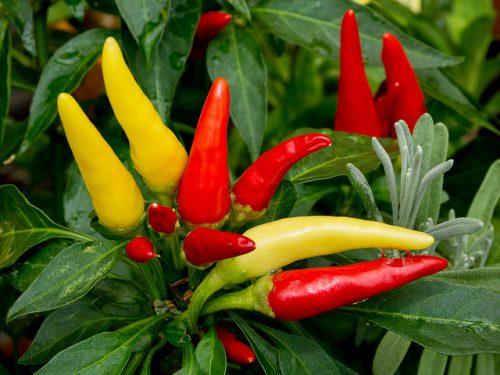
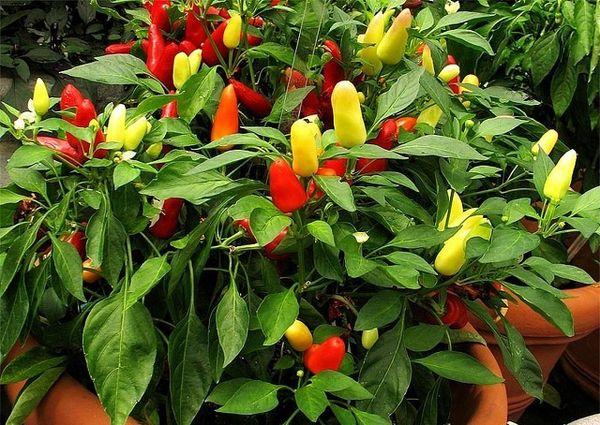
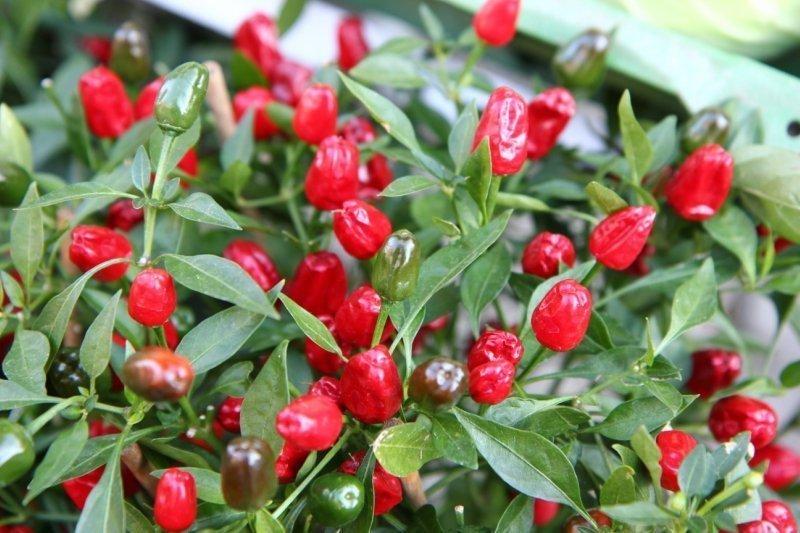
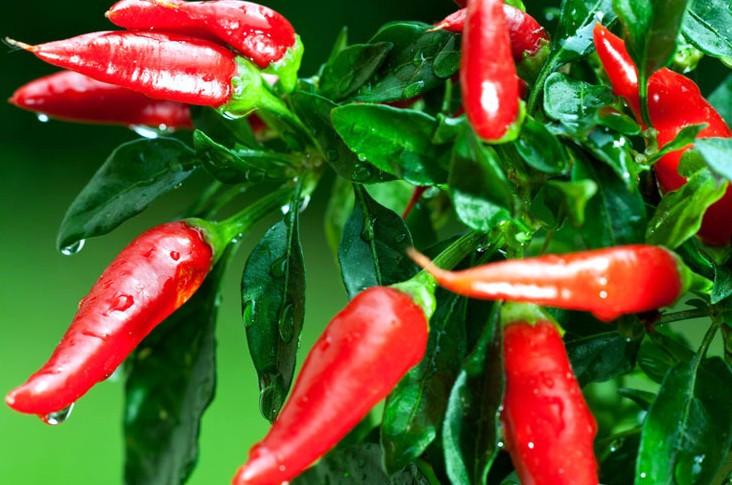
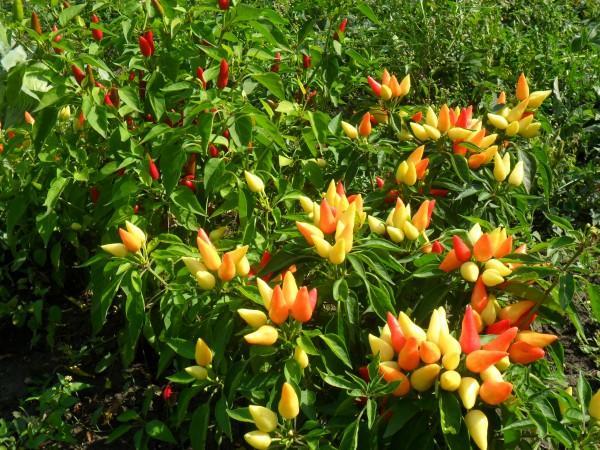
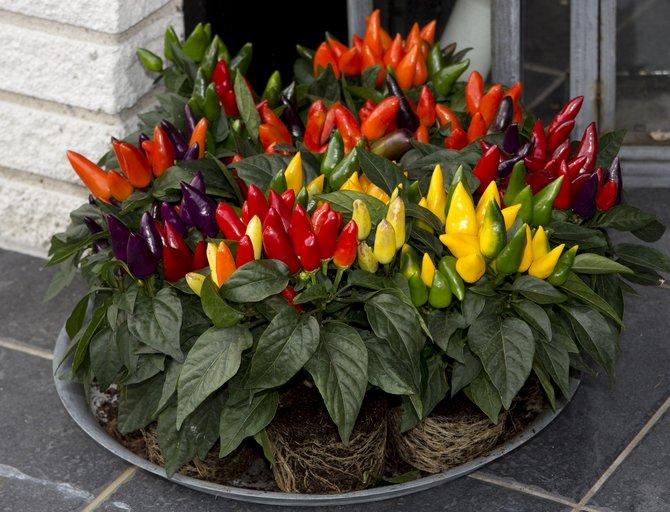
The culture looks like this:
- A small, decorative bush. Its height does not exceed 40 centimeters;
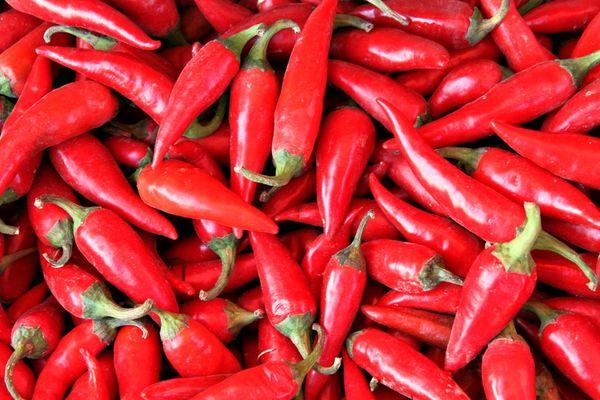
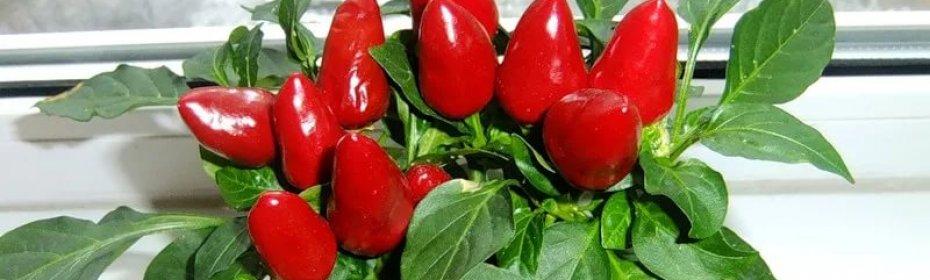
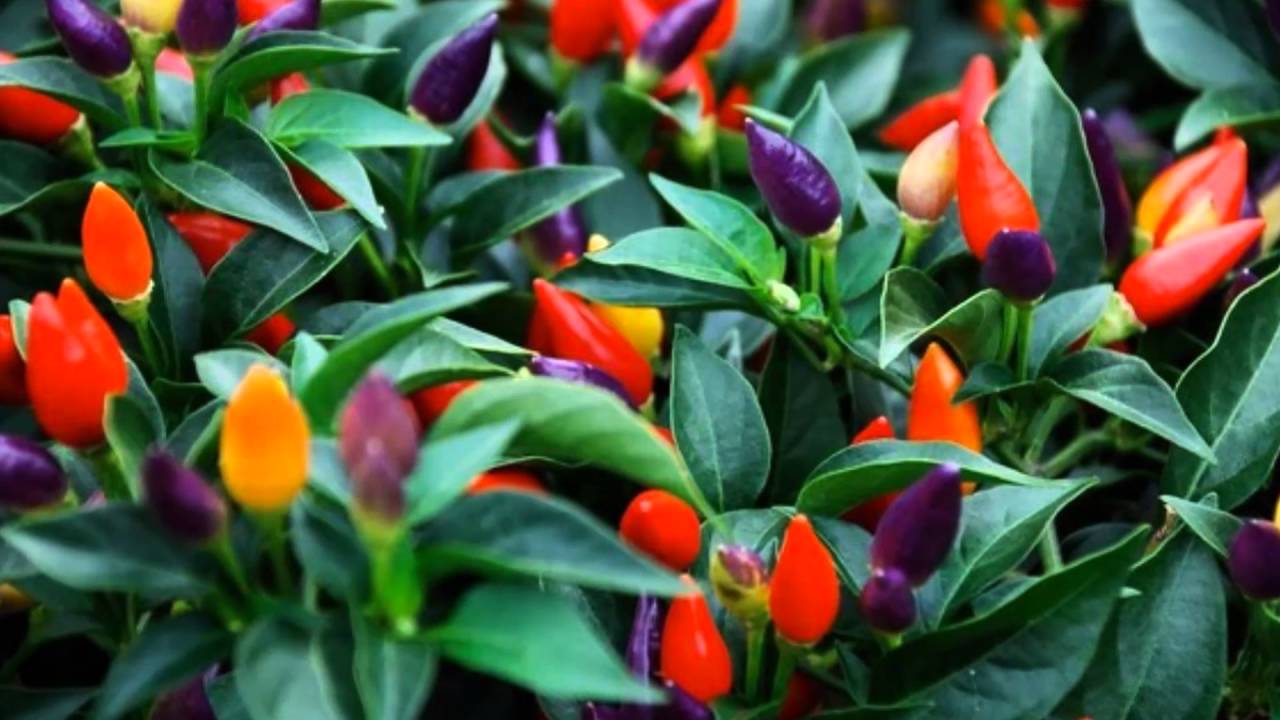
- the peppers on the bushes are bright red;
- the size of one fruit is 3-5 centimeters;
- the yield from one bush is about 100 peppers per year;
- The average weight of one fruit is 40 grams.
Features of the variety: advantages and disadvantages
The fire has many advantages, among which are:
- compact dimensions;
- pleasant appearance;
- sharp, fiery taste and spicy aroma;
- strong immunity;
- grows well indoors;
- does not require shaping;
- is a perennial plant.
Unfortunately, culture has its drawbacks:
- fruits ripen unevenly;
- average yield;
- the fruits take a long time to ripen, which is why some gardeners prefer to buy peppers of a different variety;
- It is easy to confuse with other hybrids, since Ogonyok is a common name.
What you need for planting at home
Indoor pepper The fire plant is unpretentious, but for its planting it is necessary to meet a number of conditions:
- select a pot of the optimal size;
- prepare the soil;
- provide comfortable lighting conditions;
- maintain acceptable humidity.
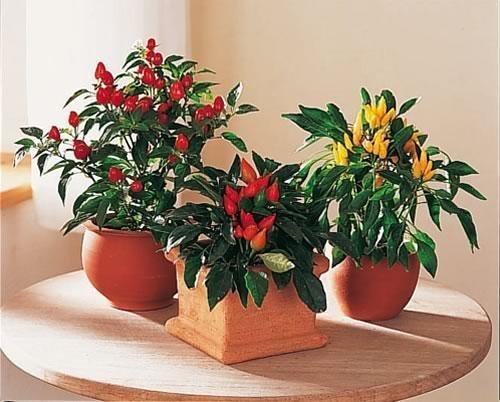 Compliance with all conditions will have a positive effect on the development of peppers and the formation of the harvest.
Pot size and volume requirements
Choosing the right pot is an important step when growing peppers. It's not recommended to grow multiple plants in the same container, as a stronger plant will overwhelm the others, preventing their normal growth. Initially, it's recommended to plant peppers in a container no larger than 1 liter, as the soil in larger pots will become soggy after watering. Later, as the plant matures, transplant it into a larger pot.
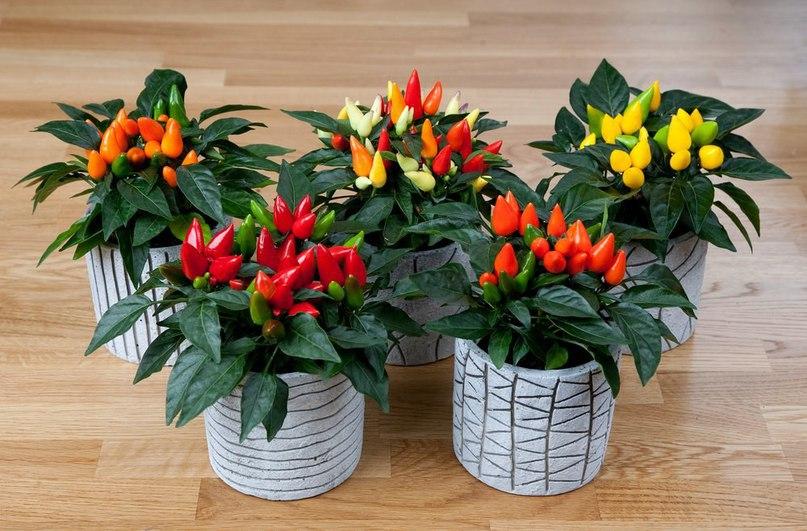
The main sign that signals the need for replanting is roots appearing in the drainage holes at the bottom of the pot.
Required soil composition and drainage
The soil consists of a mixture of:
- sand;
- peat;
- composition of rotted leaves and turf.
Place pebbles at the bottom of the pot for drainage. This will prevent excess water retention and root rot.
Lighting and temperature conditions
The fire plant is a light-loving plant, requiring 10 hours of daylight per day to thrive. Every three days, turn the pot so the shaded side faces the window. In winter, it's a good idea to place a small lamp next to the plant.
A comfortable air temperature is considered to be in the range from 19 O up to 22 OHot peppers don't like excessive heat. If your radiators are too powerful, cover them with a thick cloth or blanket under the window where the plant pot is located.
Humidity
The fire plant thrives in high humidity, and misting is recommended on hot summer days. A regular spray bottle is suitable for this purpose. On cloudy days and in winter, misting is not necessary.
Features of growing Ogonyok on a windowsill
To grow a healthy plant that will produce a full harvest, you need to consider the following:
- During the summer, you can move the pepper pot from the windowsill to a closed balcony. If the balcony has no windows, make sure to protect the plant from inclement weather.
- To ensure that the bush continues to produce fruit in winter, illuminate it with a special fluorescent lamp.
- Protect your houseplant from sudden temperature fluctuations or strong drafts.
- Although the variety is self-pollinating, gently shaking the plant is permitted. This will stimulate the formation of new ovaries.
Also, when planting peppers, take the following actions responsibly:
- preparation of seed material;
- compliance with correct sowing technology.
Preparation of seed material
Algorithm for preparing seed material for planting hot peppers:
- soak the seeds before planting in water at room temperature;
- After 24 hours, wrap the seeds remaining at the bottom of the container in damp gauze, then place it in a saucer of water;
- discard the floating seeds;
- After 24 hours the seeds are ready for planting.
Please note! The gauze must remain damp throughout the entire process. Be sure to monitor this closely.
Sowing technology
Planting pepper seeds is not difficult, and even a beginner can handle it:
- we take a box with soil;
- We make small holes corresponding to the number of seeds. The depth of the hole should be no more than 5 millimeters;
- we place a seed in each hole and sprinkle them with soil;
- We take a spray bottle and irrigate the plantings.
If everything is done correctly, the first shoots will appear in two weeks. When germinating seeds, the room temperature should not fall below 22°C. O.
Plant care
Peppers, like any other houseplant, require proper care. Without it, the plant will be frail and the harvest will be meager.
For proper care, the following actions are important:
- timely irrigation;
- proper feeding;
- formation;
- transfer;
- inspection for pests or disease.
Watering frequency
Ogonyok is a moisture-loving variety and requires daily watering, especially in summer. The amount of water should be moderate to prevent excess water from stagnating in the pot and causing the plant to rot. It's a good idea to mist the above-ground portion of the plant with a spray bottle at least once a day.

What and how to feed peppers
Peppers don't require any additional fertilizer at first, but after a few months from planting, a complex fertilizer should be added to the soil. Experienced gardeners recommend spraying the plant with a solution of succinic acid once a month. This solution can be purchased at specialty stores.
Don't overdo it with fertilizing, otherwise it will harm the Ogonyok. For example, too much nitrogen in the soil will trigger foliage growth at the expense of harvest.
Crown formation
Ogonek does not require crown shaping. The only recommended action is removing the first bud that forms on the plant. This will stimulate the growth of the remaining buds on the bush. If the young plant has formed many fruits, it's a good idea to provide temporary support to reduce the strain on the fragile stem.
Landing and transplanting
Planting begins in small containers, then transplants the plant into larger pots throughout the year. The growing bush is repotted two to three times a year.
What diseases is it susceptible to: control measures
Home-grown hot peppers are susceptible to the following diseases:
- White rot.
A fungus that attacks the main stem of peppers, near their roots. It's caused by a combination of low temperatures and high humidity. Affected plants cannot be cured; they are simply removed.
- Root system rot.
It occurs with overwatering and on hot summer days. The disease can be cured by repotting the bush in new soil, after allowing its roots to dry out.
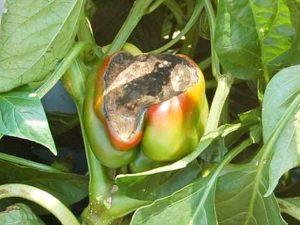
- Blossom-end rot.
This occurs due to a calcium deficiency in the soil and manifests itself as brown spots on the peppers. To prevent this, feed the plant with complex fertilizers and maintain optimal humidity.
When to expect the first harvest
The first harvest can be collected after 120-140 days. Harvesting continues throughout the year. The fruit is considered ripe when its skin has reached the primary color indicated on the seed packet. This is usually bright red.
Is it possible to propagate the crop at home?
Peppers can be propagated at home by collecting seeds. To do this, you need:
- dry the pepper;
- remove the seeds from it and let them dry on a napkin;
- collect dry seeds in a separate bag;
- store in a dark place.
Reviews of the variety
Below are reviews of the Ogonyok hot pepper variety.
Sergey Gennadievich. 50 years old. City of St. Petersburg.
"I love hot peppers and decided to grow them at home so I could always have fresh produce. I chose the Ogonyok variety after some consultations with knowledgeable people. I really liked it because, while easy to grow, the peppers have the desired heat and a pleasant aroma."
Olga Vasilievna. 45 years old. City of Moscow.
"Everyone in my family loves spicy food, so I keep a pot of Ogonyok pepper on the windowsill. It grows comfortably on the windowsill, isn't picky, and produces enough to feed everyone. A good choice for any housewife. I recommend it."
Related posts:
 Description of the best varieties of ornamental peppers, growing and caring for them at home
 Planting, growing, and caring for peppers in open ground in the Moscow region: the best varieties
 Characteristics and description of the Ogonyok watermelon variety, cultivation in open ground
 17 delicious recipes for making Ogonyok tomato seasoning for the winter
 10 simple Armenian-style pickled hot pepper recipes for the winter
 Description of the best pepper varieties for greenhouses and open ground in 2025
 TOP 40 New Year's 2020 Meat Recipes Using Pork, Beef, Chicken, and Lamb
 14 Easy Eggplant Recipes for Winter by Ogonyok