
- Description and characteristics of the Ogonyok watermelon
- Main advantages and disadvantages
- Nuances of growing the variety
- Growing seedlings
- Preparing beds and choosing a planting site
- Planting seedlings
- Sowing seeds
- Transplanting seedlings to a permanent location
- Features of growing in a greenhouse
- Further care of the crop
- Watering
- Top dressing
- Formation
- Treatment of plants against diseases and pests
- Growing specifics in different regions
- Cultivation of the variety
- How to determine the ripeness of berries
- When to harvest
- Reviews from gardeners
The best isn't always the newest. This is confirmed by the old, but still widely popular, watermelon variety affectionately called Ogonyok. It ripens early, produces a normal yield, and has delicious, sweet flesh. Ogonyok is also valuable because it's ideal for growing in the central part of Russia and other, more northern regions.
Description and characteristics of the Ogonyok watermelon
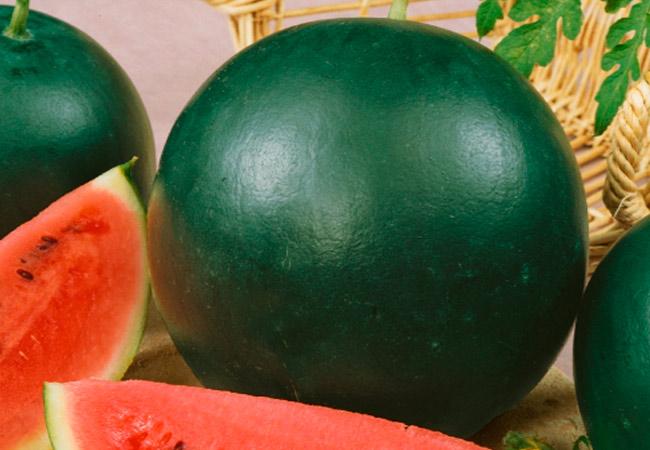
Ogonyok is an early variety, ripening in 71-87 days. It was developed by Ukrainian breeders back in the Soviet era, in the early 1960s. The work was carried out at the Vegetable Growing Institute in the Kharkiv region. The fruits are round, almost spherical. They are medium to small in size, comparable to watermelons, weighing 1.8-2.7 kilograms.
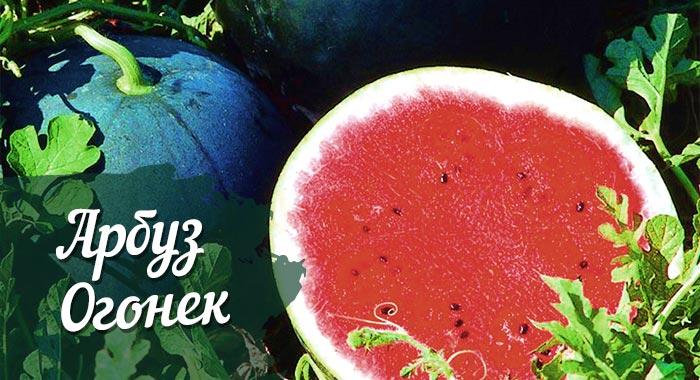
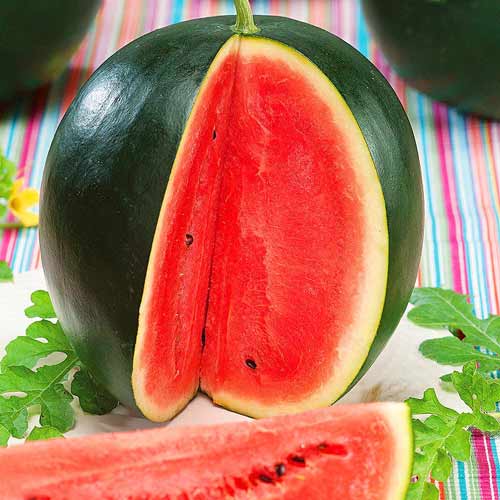
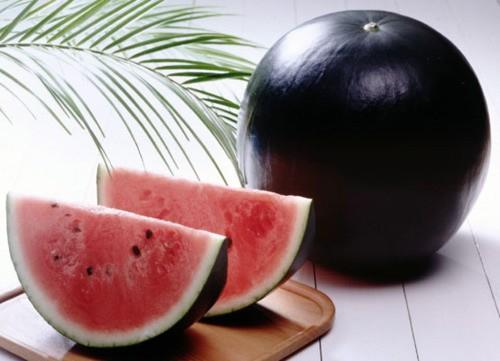
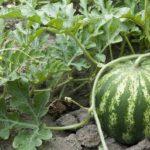
The variety's distinctive feature is its thin, dark green, almost black rind with a distinct glossy sheen. And, of course, the contrasting bright red flesh, which gives the variety its name, is a distinctive feature. Ogonyok boasts excellent tasting qualities; the flesh is juicy, coarse-grained, and sweet. It contains a small number of small seeds.
This variety boasts average yields, reaching 2.6-3.0 kilograms per square meter. It remains very popular among both regular gardeners and large-scale farmers growing watermelons on an industrial scale.
The demand and popularity of Ogonyok are due to a combination of many commercial qualities. A major factor is its excellent taste and high sugar content, which is rare in early varieties.
Main advantages and disadvantages
Like any vegetable variety, the Ogonyok watermelon has its strengths and weaknesses. To achieve high yields, gardeners must understand and take these into account.
Pros:
- early ripening of watermelon;
- high taste qualities;
- high sugar content in the pulp;
- ease of cultivation and undemanding agricultural technology;
- resistance to temperature decrease;
- thin skin, few small seeds.
Cons:
- when overripe they often crack;
- the variety is outdated, modern hybrids have much better performance;
- affected by many diseases;
- average yield indicators, as well as shelf life and transportability.
Nuances of growing the variety
To achieve positive results and grow large, tasty watermelons, a gardener must know all the features of growing Ogonyok.
Growing seedlings
Sow Ogonyok seeds for seedlings in the second half of April to prevent the seedlings from overgrowing before planting. It's advisable to preheat the seeds at 60°C (140°F) for several hours. Then, soak them for half an hour in a pink solution of potassium permanganate to prevent fungal diseases.
Only then is the planting material treated with a growth stimulant to improve germination. Scarification, used for seeds with thick seed coats, is recommended. This promotes faster germination and involves damaging the seed coat, usually by piercing the seed's "nose."
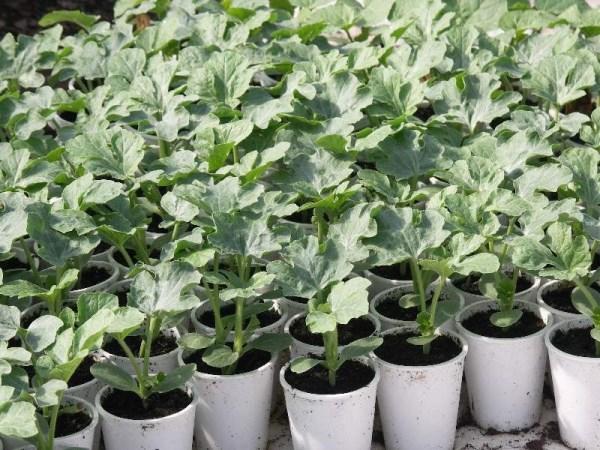
Watermelon is a vigorous plant, so use deep pots or 0.5-liter plastic cups for sowing. Fill the cups with the soil, compact it slightly, and water them. Once the soil has settled, make a small hole, 3-4 centimeters deep, and place the seed in the bottom.
Then, the hole is filled with substrate and watered again. For rapid seed germination, high temperatures are required: 28°C to 30°C; seedlings will emerge within a week. After germination, the air temperature should be 20°C to 22°C during the day and 17°C to 18°C at night. Higher temperatures and insufficient light will cause the seedlings to stretch and become weak.
Preparing beds and choosing a planting site
Before planting, the beds are prepared in advance. First, weeds are removed. In the fall, organic matter (rotted manure) and mineral complex fertilizers are added. After this, the beds are deeply plowed or dug.
Planting seedlings
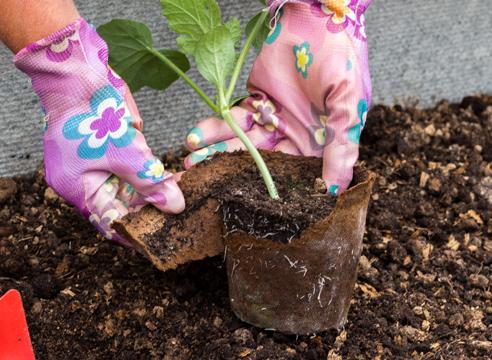
Harden off the seedlings a week before planting, and discard weak or diseased plants before planting. Two to three hours before planting, water the cups with a growth stimulant solution to overcome stress and speed up adaptation after planting. For root watering, use Viva, but you can also spray the foliar stimulant Megafol. The substrate should not be wet when planting, otherwise it will be difficult to remove from the cup.
When growing in cups, it is lightly crushed, turned over, and the seedling is fixed between the fingers.
Then lightly tap the bottom of the cup with your palm. Properly grown seedlings with well-developed roots will easily free themselves from the cup. If the roots at the bottom are very tangled, straighten them out a bit and plant them in the prepared planting holes. Then, cover them with soil and water the beds generously.

Sowing seeds
In southern regions, watermelons can be planted directly from the ground. Sow when the soil temperature is above 16°C (61°F). Full sun and warmth are essential for growth, along with regular watering until flowering. Sandy loam is preferred, but this isn't essential. Planting in heavy, clayey soils is undesirable. Plant at a depth of 5-6 centimeters. The seeding density is up to 10 seeds per linear meter.
Transplanting seedlings to a permanent location
For outdoor cultivation, Ogonyok seedlings are planted with 3-4 well-formed true leaves. At this point, they will be 30-35 days old. When planting, the plants are planted deep down to the cotyledons, which encourages the formation of additional roots. Seedlings are planted using two patterns: square nests and rows.
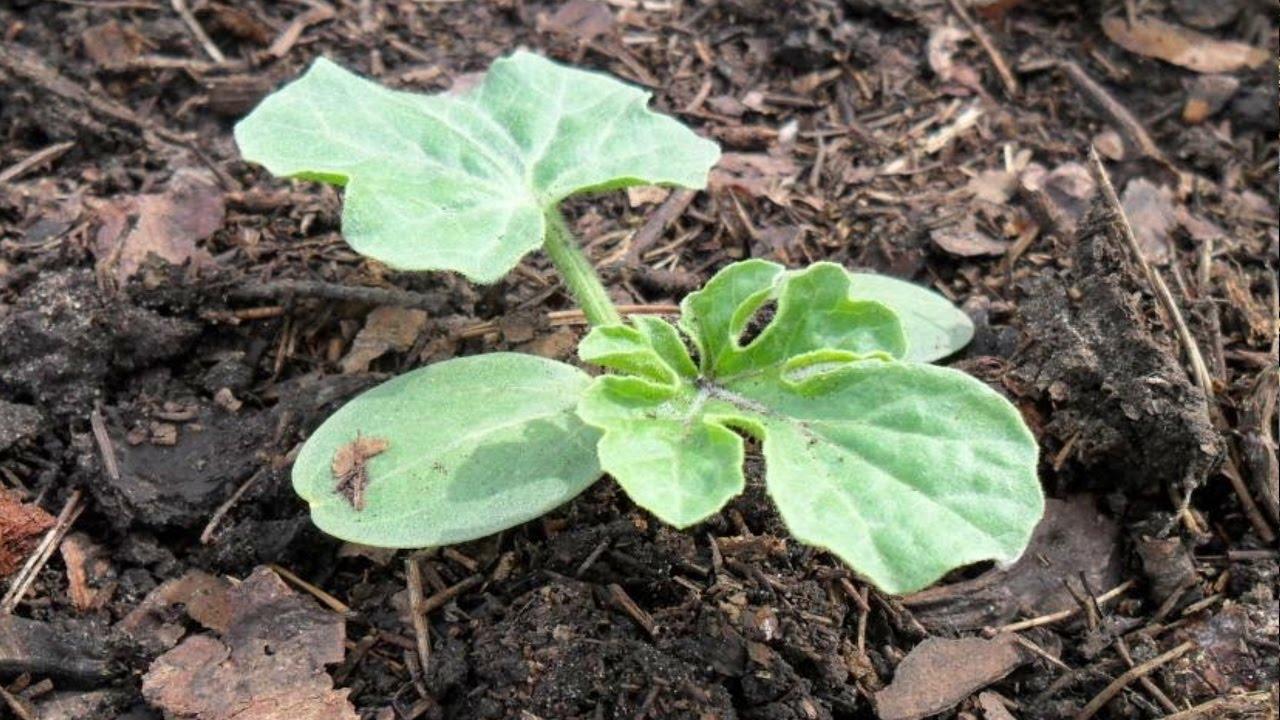
With the first scheme, the distance between plants is from 0.7 to 2.8 meters. With the second scheme, the distance between plants in a row is 1-2 meters, and the distance between rows is from 1.5 to 3.0 meters.
Features of growing in a greenhouse
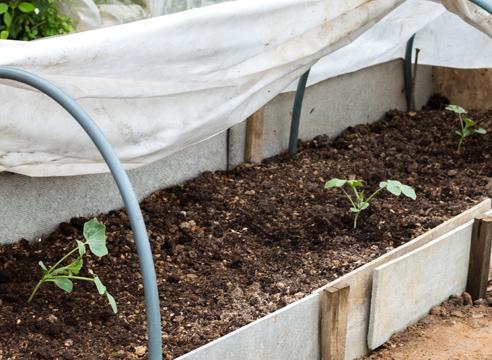
Watermelons are planted in the greenhouse in early June. The planting holes should be 1-1.5 meters apart. After planting, the young plants are initially covered with agrofibre or film at night. It is important to ensure access for pollinating insects during flowering.
It's necessary to open doors and windows during the day, and, if possible, install special cardboard hives with bumblebees. When growing watermelons on a trellis, they are trained into a single stem. Once the vine reaches the trellis wire, pinch (remove) the growing point.
Further care of the crop
Growing and planting seedlings or seeds in the ground is only the initial step in growing watermelons. To ensure a bountiful harvest, a number of agricultural practices must be implemented throughout the season.
Watering
Some gardeners believe this crop can grow without irrigation. However, this is a misconception, especially given the rising average summer temperatures. And, of course, it's impossible to grow large, fleshy fruits without irrigation in southern regions. Young seedlings, especially during the first few days after planting, require regular and abundant watering, up to 3-4 times a week.
When the flowers on the watermelons begin to bloom and then the fruits begin to set, the frequency of watering is reduced to 3-4 times a month.
With further development watering watermelon The frequency can be reduced slightly. The gardener determines the frequency based on the region, temperature, and rainfall. For large areas without regular irrigation, three heavy waterings are performed at different stages of crop development.

Top dressing
Fertilizing can begin when the seedlings are 10 days old, then every 15-20 days, depending on the watermelon's development stage. At the beginning of the growing season, apply fertilizers high in nitrogen, such as Plantafol 30.10.10. During flowering and fruit ripening, apply phosphorus-potassium or universal fertilizers. Plantafol 0.25.50 and Plantafol 5.15.45 are suitable.
Formation
To accelerate fruit growth, watermelon vines are pinched back, leaving 4-5 leaves above the watermelon. Weak, thin, and fruitless shoots are pruned to the ground.
Treatment of plants against diseases and pests
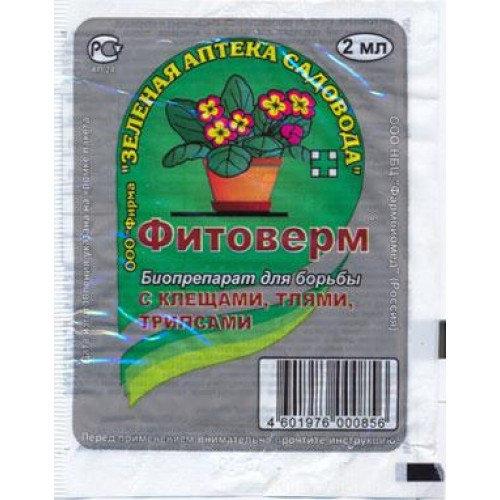
Like many other crops, watermelons are susceptible to diseases and pests. They require protection from aphids, cutworms, spider mites, sprout flies, wireworms, thrips, and meadow borers. Watermelons should be treated with insecticides several times a season, but not during ripening. Suitable insecticides include Aktara, Confidor, Decis Forte, and Actellic. If pests are detected immediately after ripening, only biological treatments should be used, such as Actofit and Fitoverm.
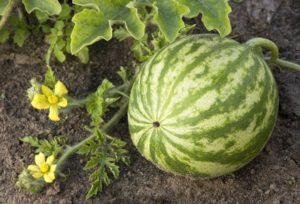
Watermelon diseases are somewhat similar to those of cucumbers. Watermelon is resistant to fusarium and anthracnose, but can be susceptible to powdery mildew, bacterial wilt, botrytis, mosaic, and spotting. Treatment and prevention require several fungicide applications. Copper sulfate, Ridomil Gold, and Acrobat are commonly used. Only biological preparations are permitted before harvest.
Growing specifics in different regions
The early ripening period of the Ogonyok variety makes it suitable for cultivation in many regions of the country. Furthermore, this watermelon is resistant to short-term temperature drops. Gardeners in the central part of the country can easily harvest the entire crop before the onset of frost.
In the Moscow region, harvesting won't be a problem either. To successfully grow watermelons in northern regions, particularly Siberia, they must possess a number of essential characteristics:
- cold resistance;
- the fruits should not weigh more than 5 kilograms, otherwise they simply will not have time to ripen;
- early ripening period;
- thin skin, which promotes rapid ripening of the pulp.
And Ogonyok fully meets all these requirements. In the northern regions, watermelons are grown exclusively from seedlings. For planting in open ground or a greenhouse, select strong, healthy plants that will produce fruit before the cold weather sets in. Seedlings are planted in the ground beginning in early July.
Cultivation of the variety
For self-collecting seeds, use fruits in a state of biological ripeness. The largest, healthiest watermelons are selected. The seeds are removed from the pulp, soaked in water or a solution of potassium permanganate, cleaned, dried, and stored in a dark, dry place.
How to determine the ripeness of berries
Some gardeners still disagree on how to determine the ripeness of watermelons. Here are the main methods for selecting only ripe fruits:
- there will be a yellow spot on the side where the watermelon touches the ground;
- If you snap your fingers on a watermelon, it makes a ringing sound;
- it is difficult to leave a mark even by lightly scratching the peel;
- ripe watermelons make a crackling sound when pressed;
- The watermelon's stalk (tendril) has dried out.
When to harvest
The harvest of Ogonyok watermelons begins in early August, and when grown indoors (in a greenhouse), they ripen as early as July.The ripening period, of course, depends on the growing region and planting time, but Ogonyok manages to delight gardeners everywhere with its delicious fruits.
Reviews from gardeners
Sofia Mikhailova, Tver.
"A proven variety, a true workhorse among watermelons. Important for our region, Ogonyok ripens really early!"
Anastasia Kochetkova, Saratov.
"This is a tried-and-true variety in our family. It's good in every way – delicious, sweet, and early. One thing is a bit disappointing – it doesn't produce huge fruits."
Related posts:
 Description of the hot pepper variety Ogonyok, growing and caring for it on a windowsill
 Simple, step-by-step recipes for preparing salted watermelons for the winter in jars
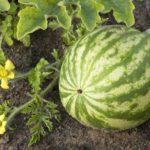 How and what to feed watermelons in open ground after planting, during flowering
 14 Easy Eggplant Recipes for Winter by Ogonyok
 How to properly pickle whole and part watermelons in a barrel for the winter: Grandma's recipe
 17 delicious recipes for making Ogonyok tomato seasoning for the winter
 Step-by-step recipes for pickled and canned watermelons in jars for the winter without sterilization
 How often should you water watermelons in open ground? Rules and timing