
- Why are bell peppers sick?
- Improper care
- Infection by neighboring crops
- Unsuitable climatic conditions
- Major diseases of the crop: symptoms and treatment
- Fungal infections
- Blackleg
- Gray rot
- Cladosporiosis
- Late blight
- Phytoplasmosis
- Fusarium
- White rot sclerotinia
- Powdery mildew
- Verticillium wilt of pepper
- Bacterial infections
- Mycoplasmosis
- Bacteriosis
- Dry spot
- Black spot
- Lightning-fast withering
- Bacterial rot
- Bacterial cancer
- Viral infections
- Blossom end rot
- Tobacco mosaic
- Curly hair
- Bronzeness
- Mycoplasma lesions
- Non-infectious lesions
- Prevention of pepper diseases
When growing any agricultural crop, one often encounters the problem of plant diseases. Greenhouse bell pepper diseases and their treatment usually involve several stages. Only early stage diseases can be cured immediately. Some diseases are completely untreatable, so preventative measures are essential.
Why are bell peppers sick?
Sweet peppers can become diseased for a number of reasons. The most common factors that contribute to the development of plant diseases are:
- Incorrect planting of seedlings.
- Frequent watering, over-watering of the soil.
- Using ice water for irrigation.
- Deficiency of nutrients in the soil.
- Lack of care for plants.
- A large number of weeds on the site.
- Planting bushes too close to each other.
- Planting of infected seed material.
- The presence of fungal spores and other diseases in the soil during crop planting.
The causes of diseases in hot peppers are the same as in bell peppers.
Improper care
One of the most common causes of pepper plant disease is improper or lacking care. Care is important both when growing seedlings indoors and after transplanting them to their permanent location. Watering with ice-cold water increases the risk of fungal diseases. Water plants only with warm or sun-warmed water. Regular application of mineral and organic fertilizers is also important. These not only positively impact plant growth and yield, but also help boost the pepper's immunity.
Infection by neighboring crops
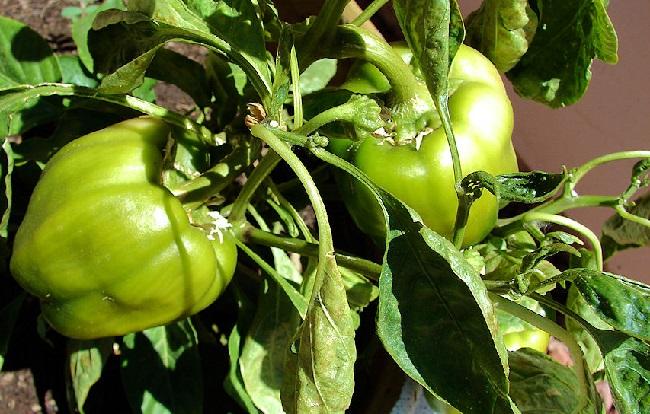
Another cause of disease is proximity to already infected crops. Fungal spores easily spread across a plot, so if one crop shows signs of disease, neighboring plants will likely become infected as well. The same applies to viral diseases.
Unsuitable climatic conditions
It's easy to create favorable conditions for bell peppers indoors, regardless of climate. However, growing them outdoors, for example in northern latitudes with short, cold summers, can cause problems. Peppers are heat-loving crops, and sudden cold snaps can kill them.

Major diseases of the crop: symptoms and treatment
To understand how to treat bell peppers, you need to understand all the main symptoms of common illnesses. This can be challenging because many diseases have similar symptoms and are difficult to distinguish.
Fungal infections
Fungal diseases are the most common problem gardeners face. Most fungal diseases are treatable.

Blackleg
Blackleg causes darkening of stems near the root base. This problem most often occurs when growing seedlings, but mature plants can also develop blackleg. Blackleg is caused by bacteria in the soil. The leaves of the infected shoot gradually turn yellow and then fall off.
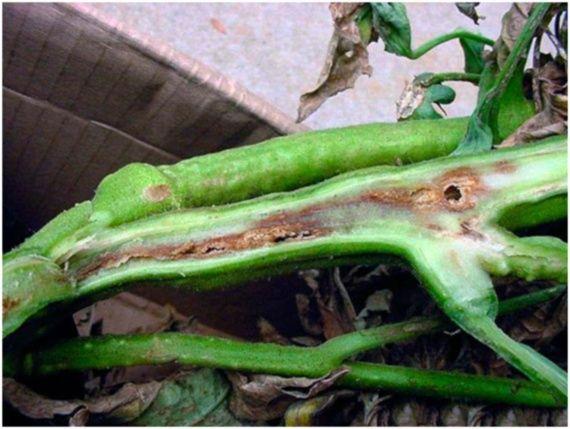
The fight against black leg consists of reducing the amount of watering. Affected seedlings will have to be discarded. To prevent the disease from spreading to mature bushes, they should be regularly hilled.
Gray rot
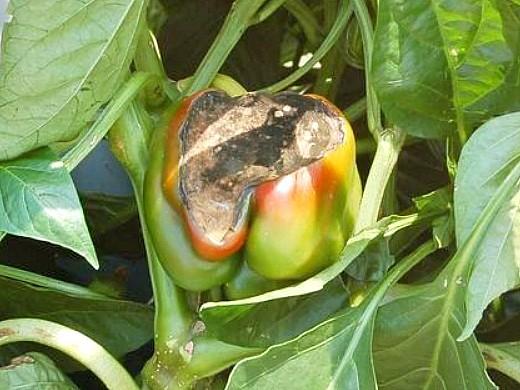
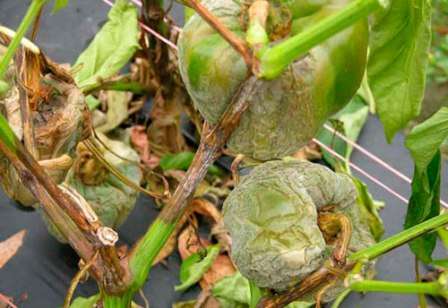
The fungal disease is caused by high humidity and temperatures above 20 degrees Celsius. As gray mold progresses, the fruit may first turn black and then become covered with a gray coating.
At the first signs of disease, treat the bushes with fungicides or Fitosporin. To prevent gray mold from appearing, avoid dense plantings. When growing in a greenhouse, ensure regular ventilation and avoid overwatering the soil.
Cladosporiosis
Cladosporiosis causes light yellow spots to form on the leaves of bushes, and a coating—these are fungal spores—appears on the underside of the leaf. The danger of this disease lies in its rapid progression.
To prevent cladosporiosis from spreading throughout your bushes, you need to know how to treat your peppers.
If fruiting hasn't yet begun, treat the plants with copper-containing substances. Garlic infusion also helps prevent pepper blight. Crush the garlic and add it to the water. Let it steep for 10 days. Dilute the mixture with warm water before spraying. Use 200 ml of garlic infusion per 9 liters of water. Spray the plants in the evening.

Late blight
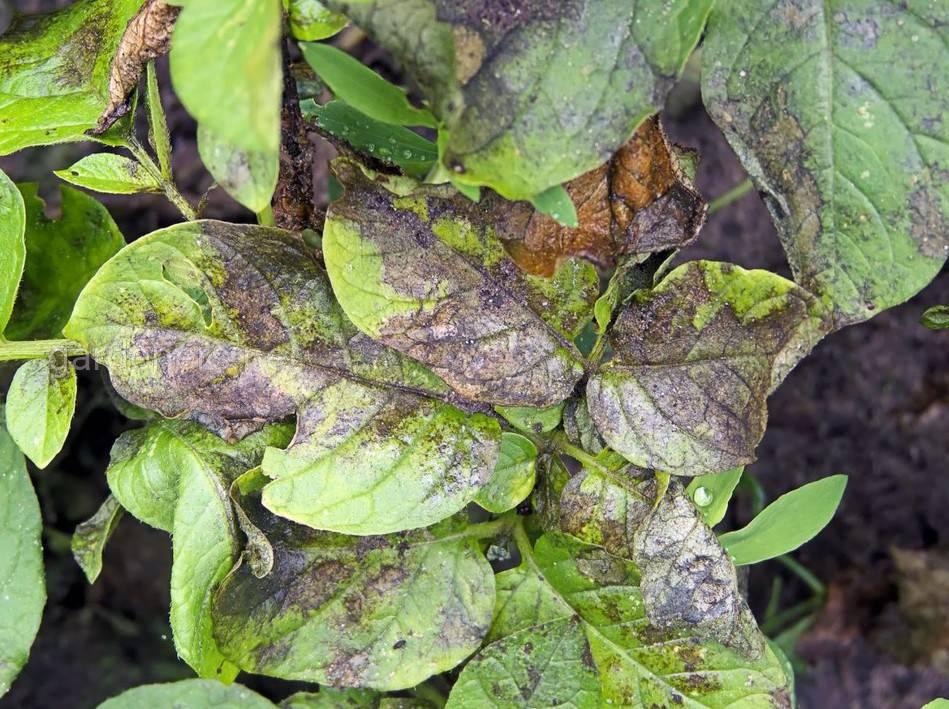
Late blight causes soft rot to appear on the bushes and fruit, and the leaves gradually turn yellow and fall off. Some pepper leaves also turn black. When signs of late blight appear, treat the plants with Fitosporin.
Phytoplasmosis
A characteristic sign of the disease is the appearance of yellow leaves. Fruit on affected bushes grow stunted and twisted. Treatment with Aktara or Confidor helps combat phytoplasmosis. If the bush is severely affected, it is dug up and destroyed.
Fusarium
When a bush is affected by Fusarium wilt, the leaves first turn yellow and then curl into a tube. If the plants are weak, the disease begins to manifest itself 10-12 days after flowering begins. Fusarium wilt is incurable; affected bushes are dug up and discarded. To ensure seedlings are resistant to the disease, seeds are treated with Fundazol before planting.
White rot sclerotinia
If pepper leaves turn white, they're infected with white rot. This disease is often caused by watering bell peppers with ice-cold water. Diseased plants cannot be cured; they are dug up and burned away from the site.
Powdery mildew
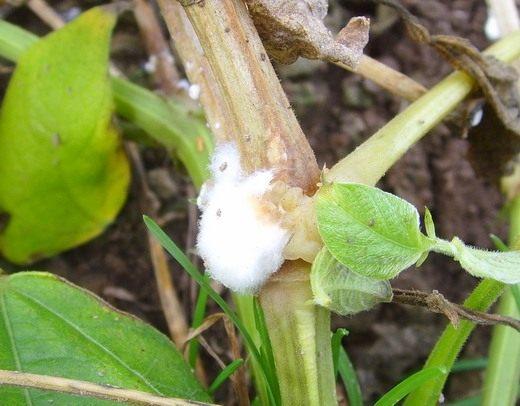
Powdery mildew is characterized by a white coating appearing on the foliage. The coating gradually turns brown, dries up, and falls off. Yields are reduced because fruit buds fail to form. The fungus thrives in dry, hot weather.
At the first signs of powdery mildew, spray the bushes with fungicides. If there are only a few affected leaves, they can be trimmed off. To do this, wipe the scissors with alcohol after each cut. Then burn all the trimmed leaves.
Verticillium wilt of pepper
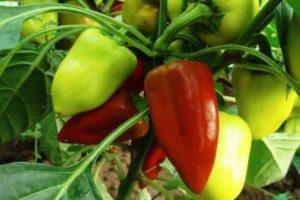
With this disease, leaves become curled, and fruits grow small and deformed. To prevent verticillium wilt, cultivate the soil before planting seeds. Crop rotation is also important. Verticillium wilt cannot be treated with chemicals or folk remedies.
Bacterial infections
In addition to fungal spores, diseases of agricultural crops, including bell peppers, are caused by bacteria.
Mycoplasmosis
The leaves turn a deep yellow and curl. The symptoms of mycoplasmosis are most pronounced on the upper leaves. The fruits grow small and thin-skinned. To combat mycoplasmosis, systemic insecticides with a long-lasting effect are used.
Bacteriosis
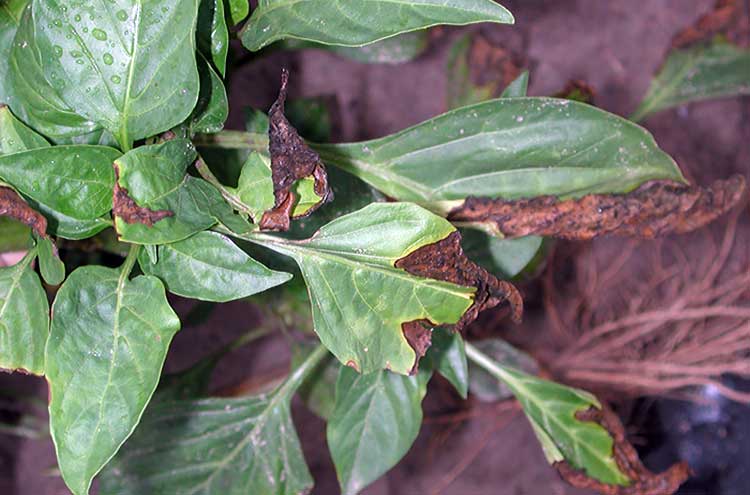
Bacterial blight causes brown spots to appear on peppers. Yields are reduced, and the fruits are underdeveloped. The causes of bacterial blight include removing side shoots in rainy weather and a large number of weeds in the area.

Before planting, soak the seeds for 2 hours in Fitolavin-300. During the growing season, spray the bushes with copper-containing preparations.
Dry spot
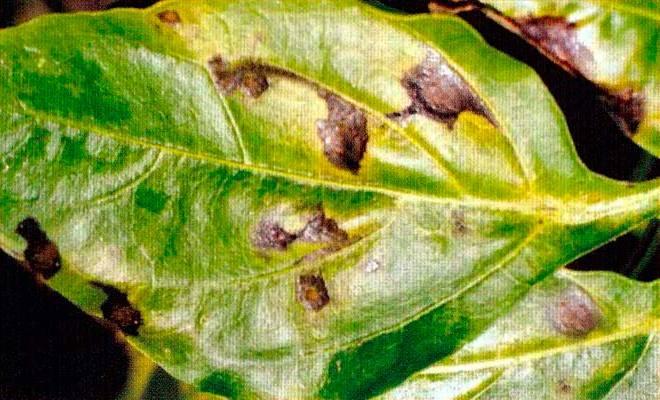
Small, water-soaked spots appear on the surface of the foliage. Black dots then develop. After some time, the spots enlarge. As a preventative measure, all plant debris should be removed from the area immediately after harvest. Peppers should be fertilized throughout the growing season.
Alternaria can be treated by spraying with a suspension of copper oxychloride (40 g per 10 l of heated water) or Bordeaux mixture.
Black spot
Before planting, the seeds are disinfected in a potassium permanganate solution. They are placed in the solution for 10 minutes. After soaking, the seedlings are rinsed in clean water. It is also important to practice crop rotation when planting seedlings.
Lightning-fast withering
Plants stop growing, and fruiting decreases. If a stem is broken, a white liquid will leak from it. If rapid wilting occurs, remove all severely damaged plants from the area. Seeds should be treated before planting. Peppers should be regularly treated with copper-containing preparations.
Bacterial rot
Before planting, soak the seedlings in a weak solution of potassium permanganate for 15 minutes. Crop rotation and timely weed control are also important preventative measures. Another effective treatment is copper-containing preparations.
Bacterial cancer
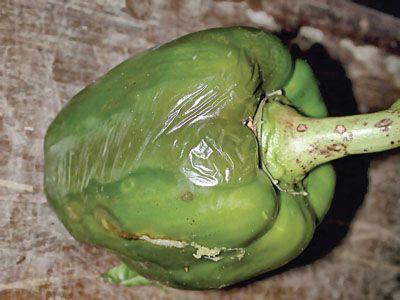
Initially, small dark spots appear on the vegetables, which later merge into larger ones. The foliage becomes discolored, and if the bush is shaken, it immediately falls off. Before planting, soak the seeds in Fitolavin-300 for two hours. During the active growth period, the bushes are treated with biological preparations. During the growing season, the plants should be treated with copper-containing compounds.
Viral infections
Viral infections of bell peppers are difficult to treat. The best way to avoid bell pepper diseases is to prevent them in advance.
Blossom end rot
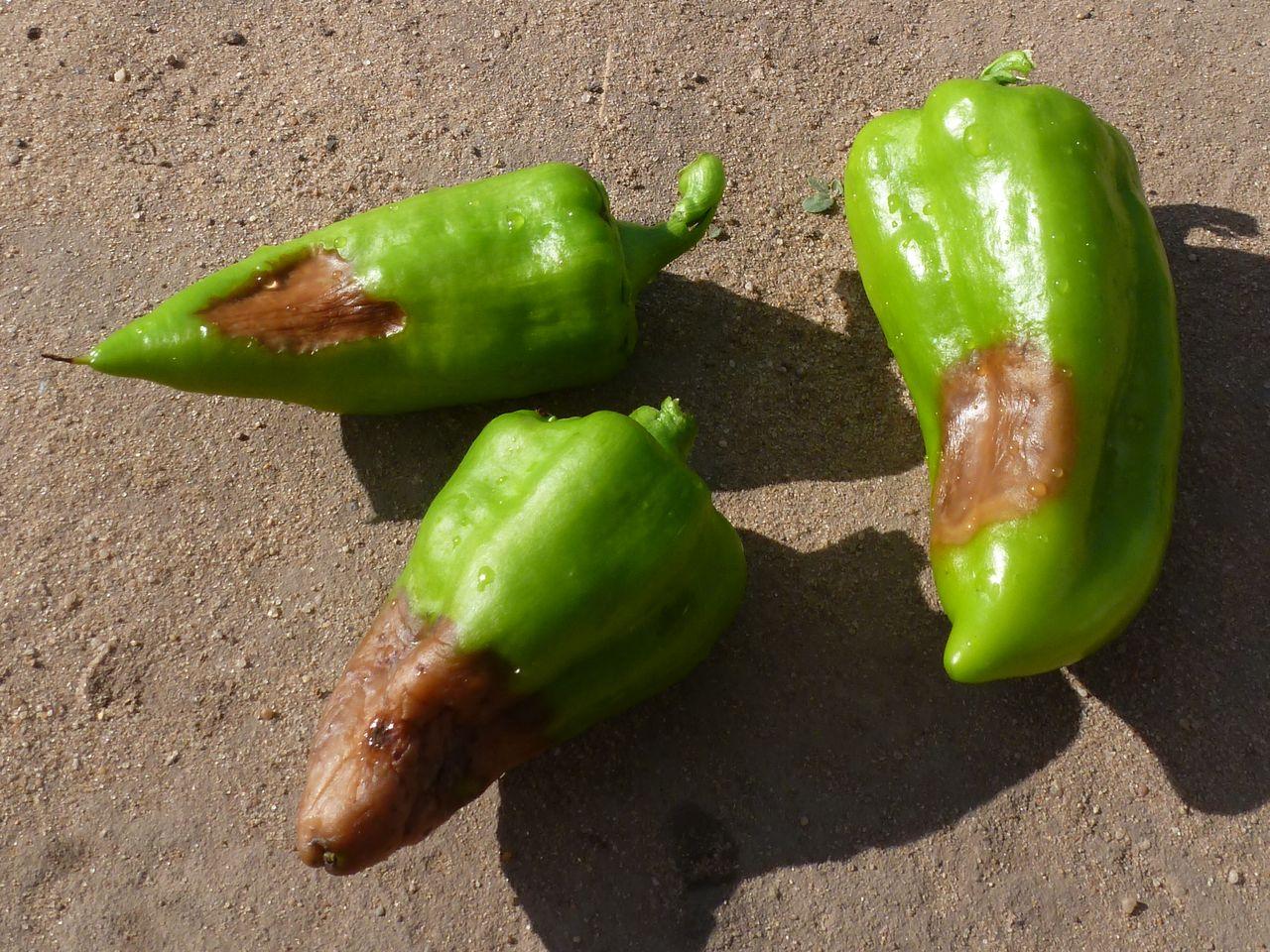
The cause is believed to be a calcium deficiency in the soil and an excess of nitrogen. Affected parts of the bushes are pruned, and the peppers themselves are treated with lime milk or calcium chloride.
Tobacco mosaic
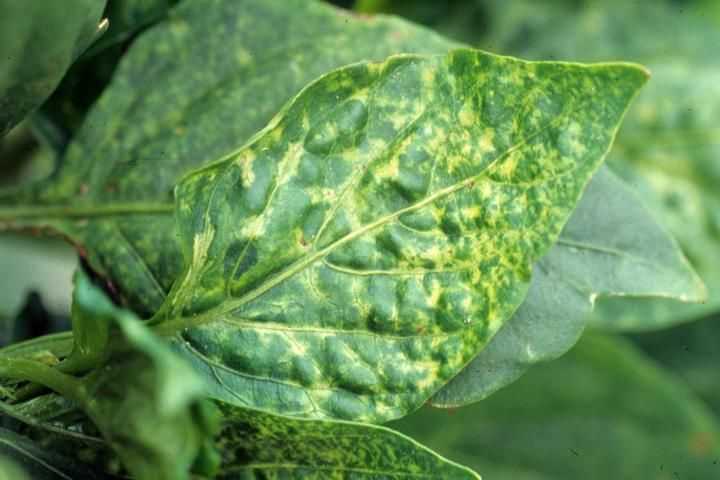
Tobacco mosaic disease causes white spots to appear on the leaves. It's impossible to cure bell peppers of the disease. As a preventative measure, disinfect the seeds before planting and water the seedlings every three weeks with a potassium permanganate solution.
Curly hair
Diseased bushes are dug up and burned. Weeds are removed regularly. Spraying with Aktara and Fitoverm also helps. Following crop rotation recommendations will help prevent seedlings from becoming infected with the virus.
Bronzeness
To prevent this, peppers are sprayed with insecticides, and weeds should also be removed promptly. Before transplanting seedlings, the soil is treated with a soil fertilizer.
Mycoplasma lesions
Mycoplasma diseases affect all parts of plants except the planting material. These diseases are caused by microorganisms called mycoplasmas.
These microorganisms are carried to plants by insects such as aphids or cicadas, so when these pests appear, they should be destroyed immediately.
One such disease is stolbur. Vegetables grow small, and plants begin to bush out. Insecticide treatments help prevent stolbur. Weeds should be removed from the area promptly and mineral fertilizers should be applied.

Non-infectious lesions
Non-infectious diseases of bell peppers are easier to manage than infectious ones. They arise due to lack of care. Nutrient deficiencies in the soil also contribute to the development of non-infectious diseases.
A nitrogen deficiency reduces the number of inflorescences and ovaries. A potassium deficiency causes hard yellow spots to appear on the leaves. If the foliage begins to turn purple, this indicates a phosphorus deficiency in the soil. A bromine deficiency in the soil causes young leaves to stop growing, while older leaves become deformed and dry out.
Prevention of pepper diseases
Water only with warm water, never cold water. Weeds should be removed promptly. Regular application of mineral and organic fertilizers is also crucial. This is the most important aspect. Nutrient deficiencies are the cause of most crop diseases.
At the first signs of disease, spray the bushes with a solution of Bordeaux mixture or copper sulfate. Before planting, treat the seeds by soaking them in a weak solution of potassium permanganate for 10 minutes. Before planting, calcine the soil and then water it with an iodine solution. Disinfect the soil before planting the seedlings in their permanent location.
Related posts:
 What to do if your pepper's leaves are curling, proper care and treatment
 Causes and treatment of eggplant pests and diseases, how to combat them at home
 Why are pepper leaves turning white? What to do and how to feed them in a greenhouse and in the ground.
 Planting, growing, and caring for bell peppers in open ground
 What to do if your pepper's leaves turn yellow, watering and fertilizing rules, and disease control
 Why do pepper leaves turn purple and what can be done to treat it?
 Planting, growing, and caring for peppers in open ground in the Moscow region: the best varieties
 Sweet pepper pests and how to control them, what to do and how to treat them
As a rule, after the sprouts appear, I treat them with various means, and as a result, I can take measures against the fungus without any problems, while other diseases are treated as they appear.