
The Beloserka sweet, or bell, pepper, the characteristics and description of which are presented below, has been known to Russian vegetable growers for quite some time. This variety has been tried and tested by gardeners across the country and has gained popularity not only for its decorative qualities but also for its high yield.
General characteristics
The Beloserka variety's bushes aren't particularly tall, reaching only 50-70 cm. Each bush can simultaneously bear up to 10-12 ovaries at varying stages of ripeness. The pepper's stem is stiff and quite strong, handling this weight well, but in strong winds, it can collapse under the weight of the fruit.
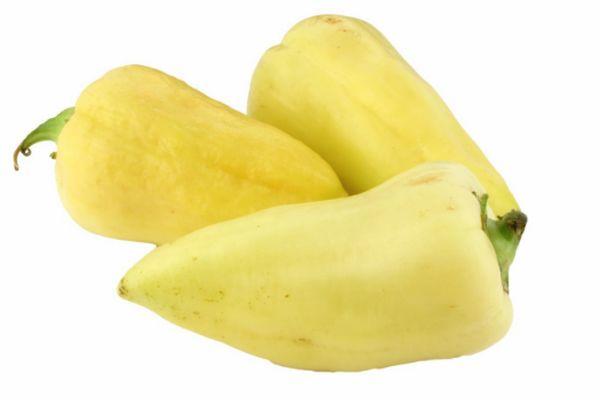
The Beloserka pepper's yield remains stable even in unfavorable years. Flowers don't fall off even in extreme heat, continuing to set fruit all summer long. Prolonged rainfall doesn't reduce fruit production, but the peppers can be severely susceptible to fungal diseases. Low-growing, dense bushes are poorly ventilated, and moisture accumulation in the crown promotes the spread of Alternaria and late blight.
The variety is resistant to tobacco mosaic and downy mildew.
In central Russia and the southern Urals and Siberia, the variety can also be grown outdoors. However, Beloserka is most often recommended for greenhouses: this mid-season variety won't produce its full harvest in the open ground. Fruiting begins 135-140 days after sowing the seeds for seedlings, so the first technically ripe peppers can be harvested only in July. The biological ripening phase begins even later.
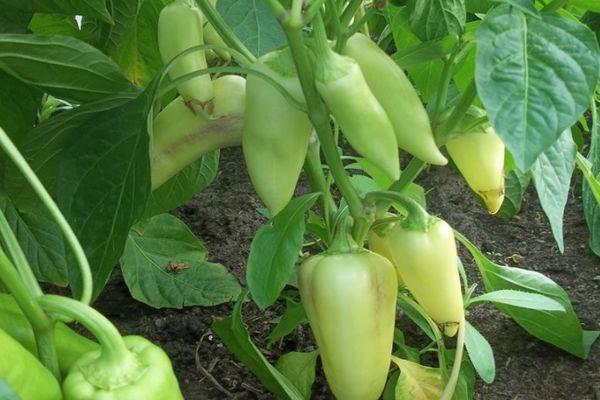
One Beloserka pepper plant can yield up to 2 kg of marketable sweet pepper. With an average planting rate of 4-5 plants per square meter, gardeners can reap a good return on their efforts. To increase yield, it's recommended to harvest the peppers at the technical maturity stage rather than leaving them on the plant until they're fully ripe. This allows the buds of the next instar to grow more vigorously and become larger. More flower buds also form on the plants, and all the nutrients are directed to the newly growing branches.
Characteristics of pepper fruits
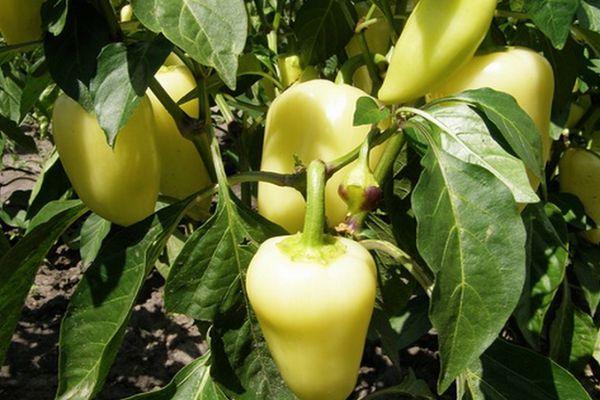
The color of the young ovaries and technically ripe pods of the Beloserka pepper is remarkable. Unlike many other varieties with green ovaries, the Beloserka peppers immediately turn creamy white after emergence, maintaining this hue until ripening. They are clearly visible on the bushes and give the plantation a decorative and rich appearance. As the peppers ripen, they acquire a pink blush, but at full biological maturity, they turn bright red.
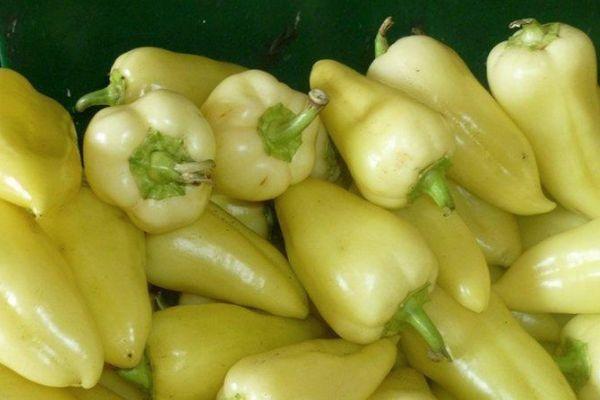
The skin is thick and quite tough. It's easy to remove when preparing delicate dishes; the skin doesn't tear and easily peels away from the flesh when roasting or blanching. The tough skin preserves the peppers well during storage after harvesting. Once ripe, the peppers don't wilt or lose their marketable appearance, and they ripen well at room temperature.
The flesh is firm and crisp. Its color matches the skin: creamy when unripe, red when ripe. The wall thickness reaches 0.8 cm, and the fruit contains 3-4 seed chambers. Gardener reviews confirm the excellent taste of the Beloserka variety: the pepper is not bitter or spicy, possessing a delicate, characteristic aroma and a slightly sweet flavor.
Using peppers at varying stages of ripeness in a salad creates a beautiful palette of colors. The multicolored slices add a vibrant touch to platters, canapés, or delicacies. Bell peppers can be incorporated into a wide variety of dishes, and are used in virtually all southern cuisines. This aromatic ingredient enriches the flavor profile of vegetable caviar and tomato sauces. Beloserka peppers are easy to stuff, thanks to their conical shape and relatively small size.
For winter preservation, sweet peppers are included in lecho and canned salads. The seeded pericarps can be tightly packed in a jar, covered with tomato sauce, and used in winter to make stuffed peppers. Peppers of varying ripeness can be salted and pickled separately or as part of vegetable platters. Even very small ovaries can be used for processing. They are added to borscht dressing, caviar, and appetizers; their pleasant aroma already imparts them.
Agricultural technology of the variety
This variety is not a first-generation hybrid, so seeds can be saved from fruits on the best bushes to reproduce your favorite plants. It's best to keep the seedlings on the vine until they are fully ripe. After harvesting, remove the seeds from the pericarp, separate them from the base, and dry them.
Before sowing for seedlings, such seeds need to be treated in a weak solution of potassium permanganate or Fitosporin.
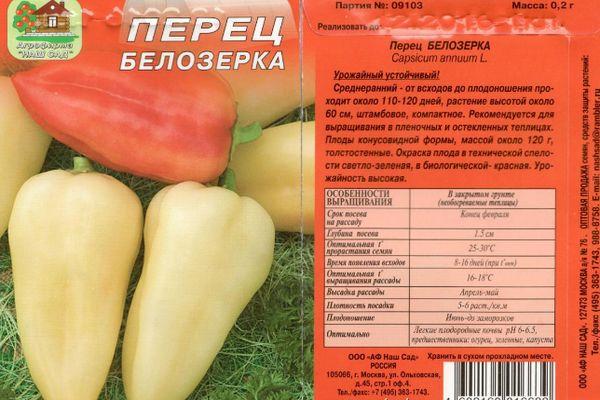
The time for sowing seeds is calculated based on the desired time to transplant the plants to their permanent location. By this time, the peppers should be 90 days old, at which point the harvest can be ready in 1-1.5 months. Seeds are usually sown in February.
To prepare the substrate, take equal amounts of humus, fine sand, and garden soil. Add 1 tablespoon of dolomite flour per 5 kg of the mixture. Pour the prepared soil into a seeding container and water generously with a hot, dark solution of potassium permanganate. Sow when the soil has completely cooled.
Spread the treated seeds over the soil and cover with dry sand or potting mix. The layer should be no more than 0.5 cm thick. Cover the container with glass and place in a warm place for germination. At a temperature of 25°C (77°F), seedlings will appear in 7-10 days, but if the seeds were purchased from a store, the germination period may be longer due to the seedlings drying out.
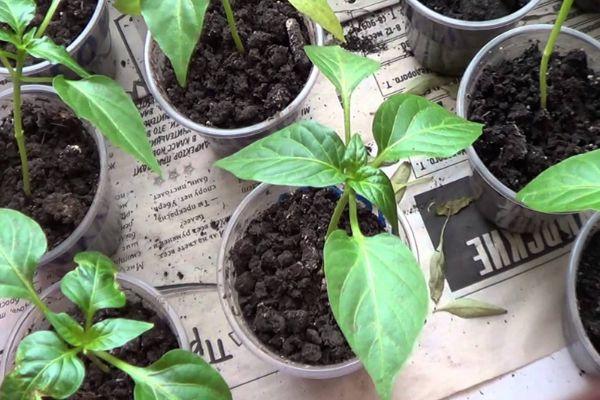
The seedlings are grown in a warm place until 2-3 leaves appear. At this stage, seedlings should be transplanted into individual pots or a large communal container, using a 10x10 cm pattern. When transplanting, plant the seedlings deep into the soil up to the cotyledons. Further care consists of regular watering; no additional fertilizer is required. To prevent fungal diseases (black leg), after watering, dust the stems and the soil around them with sifted wood ash.

Peppers require a sunny spot sheltered from north winds and drafts. Apply a complete mineral fertilizer for nightshades (Signor Tomato, Kristallone Tomato, etc.) per 1 m² according to the instructions. Alternatively, you can add compost (1 bucket per 1 m²) and wood ash (500-600 g per 1 m²). To prevent blossom-end rot on peppers, add 1.5 kg of dolomite flour, gypsum, lime, or similar materials to the soil per 1 m².
Peppers are planted 40 cm apart. It's convenient to arrange two rows of plants in a narrow bed about 40 cm wide (the Mittlider method). When growing outdoors, hoops can be placed above the bed to protect the young plants from cold temperatures using a covering material. In a greenhouse, the soil is prepared using the same technique and the same planting patterns are used.
The bushes should be planted no more than 5-10 cm deep from the root collar. When planting in open beds, it's advisable to harden off the seedlings for a few days.
Related posts:
 Planting, growing, and caring for bell peppers in open ground
 Planting, growing, and caring for peppers in open ground in the Moscow region: the best varieties
 TOP 12 recipes for making lecho from bell peppers for the winter. You'll lick your fingers.
 How to grow peppers from seeds at home: choosing a variety, planting, and care
 The best eggplant varieties for growing in a polycarbonate greenhouse: planting and care
 Causes of pepper diseases in greenhouses, their description and treatment
 Why are pepper leaves turning white? What to do and how to feed them in a greenhouse and in the ground.
 TOP 20 delicious recipes for preparing bell peppers for the winter
It's an excellent variety; it not only produces a great yield but also has excellent taste. But I noticed that when I started feeding it with BioGrow, then the harvest increased by 30%.