
- The main causes of fruit rot and ways to combat the disease
- Mistakes in crop care
- Too frequent watering
- A significant drop in temperature
- High humidity in the greenhouse and lack of ventilation
- Diseases that cause crop rot: how to treat peppers?
- Blossom end rot
- Blackleg
- Spotted wilt
- Gray rot
- Late blight
- White rot
- Alternaria, or dry spot
- Pests
- How to Prevent Pepper Rotting: Tips and Advice
Growing sweet peppers indoors is a challenging task. To preserve a future harvest, it's essential to follow proper agricultural practices and implement timely pest and disease prevention. Why do peppers turn black and rot on the plant in a greenhouse or hothouse? This problem affects both experienced and novice gardeners. How to remedy the situation and cure your peppers: practical tips and recommendations.
The main causes of fruit rot and ways to combat the disease
The appearance of rot on sweet pepper fruits in a greenhouse can be caused by a number of reasons:
- Fungal or bacterial diseases.
- A sharp change in temperature.
- Systematic watering with cold water.
- Weak uneven lighting.
- Excess of organic fertilizers.
- Gross errors in agricultural technology and plant care systems.
Pepper plants thrive in warmth, light, and abundant watering, but they don't tolerate drafts or excessive humidity. Maintaining a balance of humidity and temperature to prevent peppers from catching a cold is important; otherwise, the plants' immunity weakens, making them vulnerable to various diseases.
Mistakes in crop care
If your greenhouse peppers have turned black and rotted, you need to take immediate action: remove all the rotten vegetables and investigate the possible causes. Care errors can range from improper watering and excess moisture to infection from other plants.
Too frequent watering
Sweet peppers are moisture-loving vegetables. However, this doesn't mean they need to be watered every day. The frequency of soil moisture depends on various factors: the temperature in the greenhouse, the presence of mulch at the plant roots, and the loosening of the soil around the peppers. Overwatering is especially dangerous when it coincides with a sharp drop in temperature.
If you use mulch around rows and bushes when growing plants, you should water them half as often; mulch retains moisture for a longer period. Loosening the soil after moistening it has a similar effect.
It is better to water peppers in closed ground frequently, but in small portions and only with warm water.
In any case, before watering pepper beds, gardeners should ensure that the soil is not overwatered. This can be done with a simple technique: insert your finger into the soil 10-15 centimeters from the plant's trunk, determine the soil moisture level, and then make a decision.
Take a look Also
 Note: Reduce the frequency of watering on cloudy and cold days, even if the pepper is grown in protected soil.
A significant drop in temperature
Plant stress that triggers rot can be caused by a sudden and significant drop in temperature. Peppers turn black in drafts. Ventilation in greenhouses is recommended through vents. If the greenhouse is not equipped with a supplemental heating system, then when planting seedlings in early spring or during extreme weather, the peppers can be additionally covered with agricultural fabric inside the greenhouse.
High humidity in the greenhouse and lack of ventilation
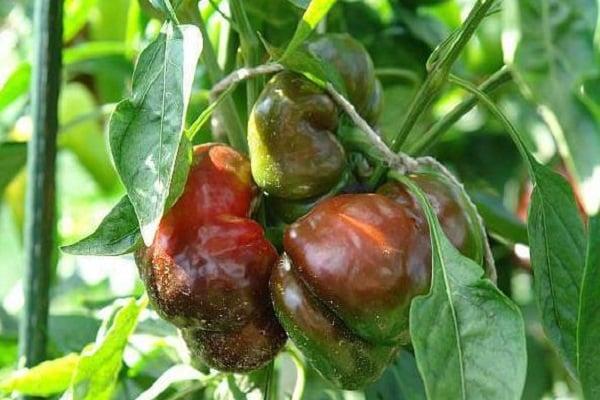
Heat and moisture create favorable conditions for the growth of fungi and bacteria. Vegetable crops lack oxygen and lose their protective properties due to lack of ventilation. The room where peppers are grown should be refreshed by introducing fresh air from outside. This procedure removes excess moisture and creates optimal conditions for plant growth.
Note: The optimal comfortable humidity level for pepper crops is 70%. The greenhouse should be ventilated twice a day: morning and evening.
Diseases that cause crop rot: how to treat peppers?
Greenhouse plants should be regularly inspected for signs of infectious diseases. A correct diagnosis and timely, appropriate treatment will help quickly overcome pepper diseases and save the harvest.
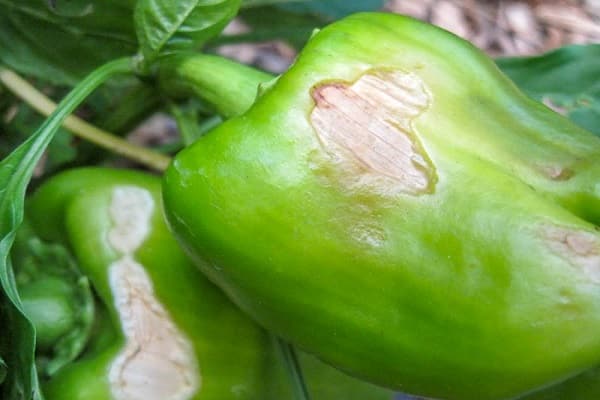
Blossom end rot
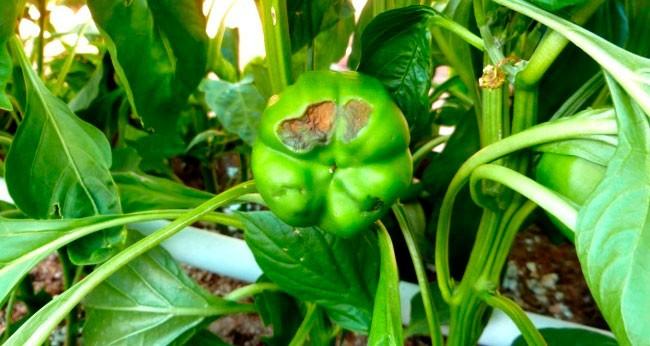
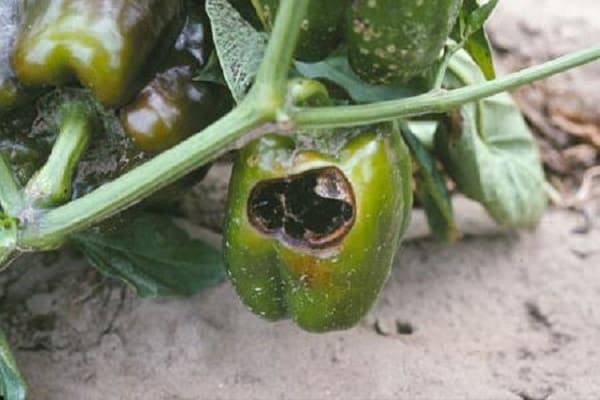
The disease originates inside the fruit. It develops gradually. Initially, small, water-soaked spots appear on the fruit. Over time, these spots enlarge and turn dark brown, then dry out, forming a scab. At this point, the disease migrates inside the fruit and affects the entire fruit.
Peppers become vulnerable to blossom-end rot with a calcium deficiency and increased soil acidity. Additional factors for the disease's development include low humidity and sudden temperature changes in the greenhouse.
Affected fruits should be collected and burned, the bushes treated with Bordeaux mixture or Fitosporin, and the soil covered with mulch. Adjust the watering and ventilation schedule in the greenhouse.
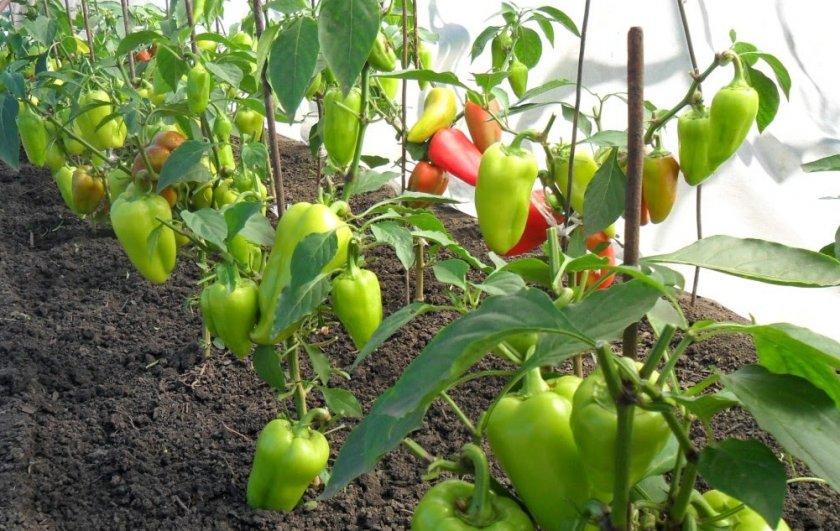
Blackleg
The causative agent is a fungus, the pathogens of which form in the soil. In most cases, it attacks young plants and tender pepper sprouts immediately after germination.
Mature plants are less susceptible to this infectious disease. The disease attacks the root system, causing the peppers to die. The main causes of the disease are overcrowding and improper planting. Rotten and affected plants are promptly removed from the greenhouse, the soil is treated with an iodine solution (5 drops of iodine per 10 liters of water), and the soil is sprinkled with wood ash.
Take a look Also
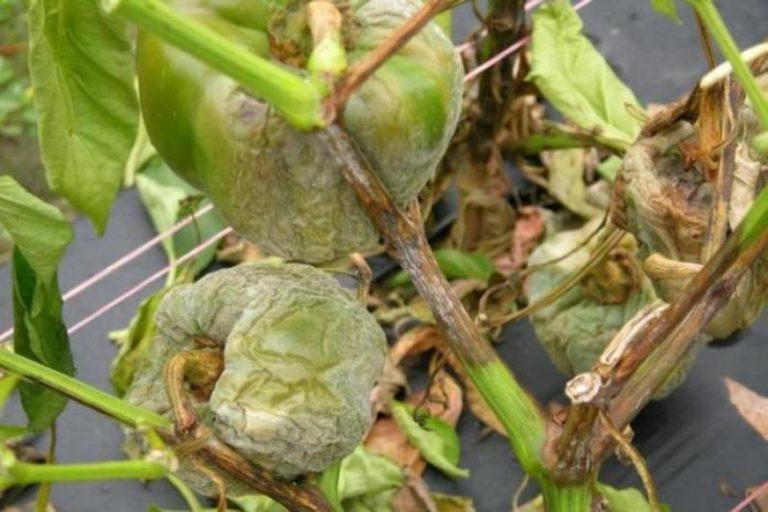
As a preventative measure against black leg, antiseptic treatment of seed material and soil is mandatory.
Spotted wilt
The disease is caused by aphids, leafhoppers, and thrips, which cause distinctive yellow-brown spots on pepper plant leaves that resemble burns. Spotted wilt can completely destroy the crop. Affected plants should be removed from the greenhouse. Insecticides and Fundazol can be used to treat the problem.
Gray rot
This fungal disease develops quickly and attacks peppers in conditions of excessive moisture, warmth, and lack of ventilation. Improperly selected, undisinfected soil is a contributing factor.
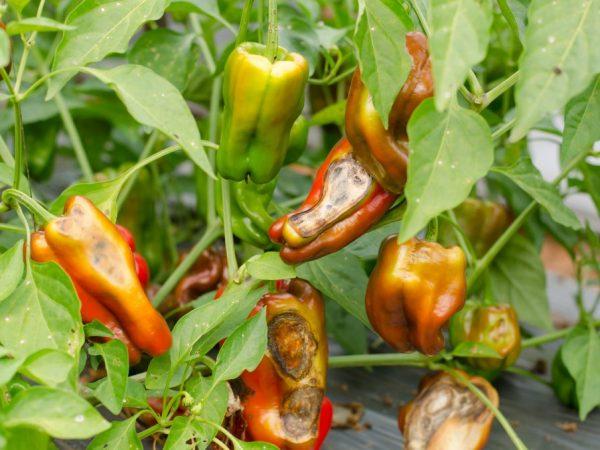
Stems, leaves, fruits, flowers, buds—rot spreads to all parts of the plant. Treatment of pepper plants must begin immediately: remove all affected and blackened parts and treat the peppers with fungicides.
The next step is to normalize the climate in the greenhouse: begin regular ventilation and reduce humidity to 60%. The soil can be sprinkled with wood ash and the plants can be sprayed with a solution of brilliant green: 10 drops per 10 liters of water.
Late blight
A fungal disease. It develops throughout the growing season; the favorable temperature for the fungus is 26-28°C. C. Pepper leaves are rotting and falling off, with rot appearing at the base of the stem and spreading to other parts of the plant. Rot begins at the stem, then spots appear on the fruit. In high humidity, the pepper dries out completely within 2 days.
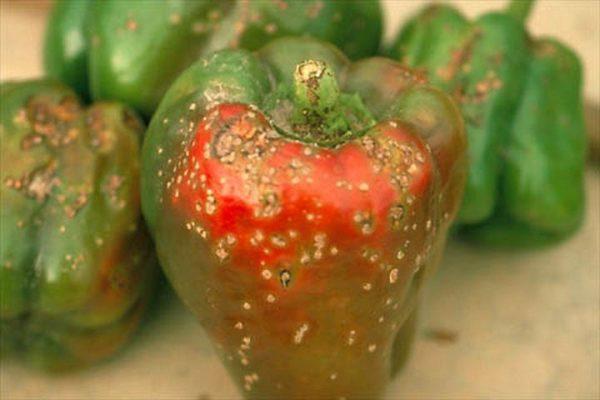
The disease is difficult to cure even with chemicals, so preventative measures play an important role in the fight against the disease: disinfection and hardening of seeds, disinfection of the soil, regular ventilation of the greenhouse, mulching.
White rot
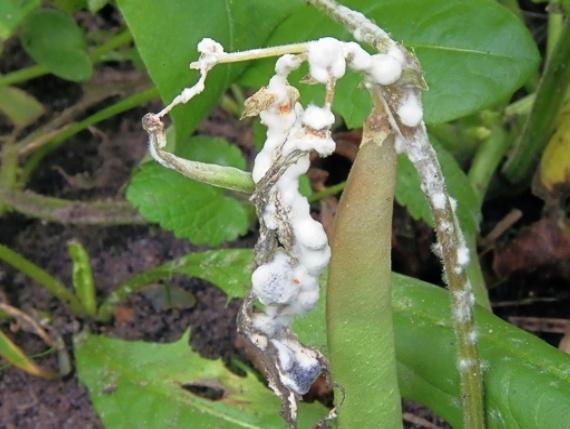
It attacks the plant from the base of the root. A white, fluffy coating covers the stem, and black lumps form inside. From this point on, the fungus feeds on the pepper's juices.
The disease occurs in conditions of excessive humidity and poor ventilation. All affected bushes are removed. What to do with the surviving bushes? The remaining plants are treated with antifungal agents and the growing conditions for vegetable crops in the greenhouse are normalized.
Alternaria, or dry spot
It occurs less frequently in protected soil than in open soil. The fungal disease spreads from one plant to another via dripping moisture. Brown spots, bordered by distinctive stripes, appear on pepper leaves. The dry spot then spreads to the fruit, where black spots develop. Pepper varieties with round, tomato-shaped fruits are typically susceptible to Alternaria.
To combat the disease, plants are sprayed with copper oxychloride.
Pests
Climate change in plastic greenhouses affects the immunity of pepper crops. The plant's metabolism slows, making it less able to resist insect pests and infectious diseases.
Take a look Also
In open ground the crop is susceptible to attack:
- aphids;
- slugs;
- spider mites;
- wireworm;
- May beetle larvae.
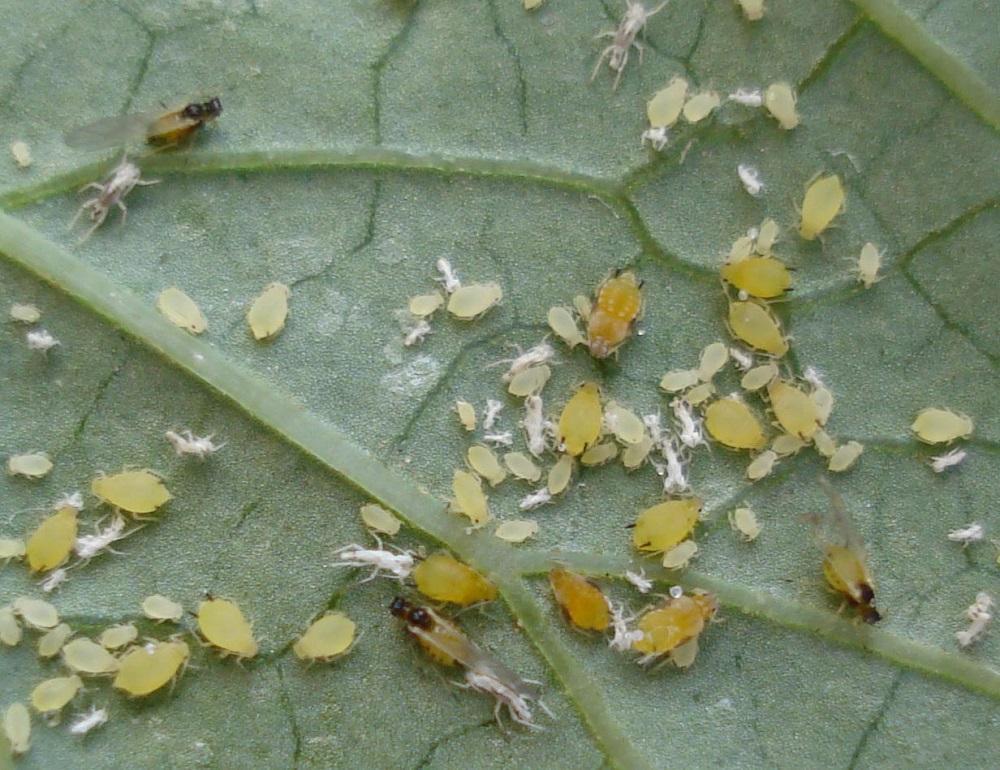
All soil-dwelling pests are eliminated through regular disinfection. Before planting seedlings, the soil is doused with boiling water and disinfected with an aqueous iodine solution. In severe cases, insecticides such as Actellic and Rembek can help save the crop. Folk remedies include spraying with onion peels and garlic infusion.
How to Prevent Pepper Rotting: Tips and Advice
To ensure healthy peppers and a successful harvest, it's important to take timely preventative measures and follow these recommendations:
- Disinfect seed material.
- Disinfect the soil.
- Observe crop rotation rules.
- Do not plant bushes in areas where sources of fungal diseases were identified last year.
- Avoid stagnant moisture in the greenhouse.
- Water frequently in small amounts.
- Mulch the bushes.
- Provide ventilation of protected soil.
- Avoid sudden temperature changes.
- Carry out regular loosening.
- Periodically inspect plants for signs of infectious diseases.
Sweet peppers are a demanding, heat-loving vegetable crop. Growing them without mistakes is not easy. But for their efforts, gardeners always reap a harvest of valuable fruits—a supply of vitamins for the entire year. Even if a pepper plant becomes diseased or fungal pathogens have infiltrated the greenhouse, this is not a disaster; there are many helpful tips from experienced gardeners and remedies that can help overcome the disease and preserve the harvest.
Related posts:
 Description of the best varieties of ornamental peppers, growing and caring for them at home
 TOP 40 New Year's 2020 Meat Recipes Using Pork, Beef, Chicken, and Lamb
 TOP 40 Hot Dish Recipes for New Year 2020: What to Cook
 Planting, growing, and caring for peppers in open ground in the Moscow region: the best varieties
 10 simple Armenian-style pickled hot pepper recipes for the winter
 How to care for peppers in a greenhouse from planting to harvesting
 Why are pepper leaves turning white? What to do and how to feed them in a greenhouse and in the ground.
 How to grow peppers from seeds at home: choosing a variety, planting, and care