
- First signs and symptoms
- Why do peppers drop flowers and ovaries?
- Too bright or insufficient lighting
- Elevated temperature
- Lack of pollination
- Harmful insects and diseases
- Incorrect soil fertilization
- Lack of micro- and macroelements
- Insufficient humidity level
- Measures to combat the problem
- We organize proper care for peppers
- Fighting insects
- Stimulating plant pollination
- Preventive measures
Peppers are considered a capricious and demanding crop. They require special care. If certain rules are not followed, the bushes and their appearance will quickly be affected. For example, if shoots are drying out, and leaves, inflorescences, and ovaries are falling off, it's best to know why. A gardener should be able to deal with such problems, but it's best not to let them get to that point.
First signs and symptoms
Peppers are demanding plants. It's easy, of course, to ignore obvious symptoms. If they bloom, that means there's a harvest. But for a farmer, seeing that their peppers aren't blooming or that the plant is losing all its fruit is a real disaster. They could lose tons of crops. Furthermore, negative symptoms can appear at different stages of growth, and the reasons for this can vary.
Why do peppers drop flowers and ovaries?
There are several known reasons why bell peppers shed their flowers:
- too high air temperature (for seedlings – from +23 °C and above, for an adult plant – from +26 °C);
- humidity below 60%;
- shortage as well as excess of fertilizers;
- diseases and pests.
And if they can be added to:
- harmful weather conditions;
- inactivity of pollinating insects;
- unsystematic irrigation; –
You will get the result - the plant does not bear fruit.
Too bright or insufficient lighting
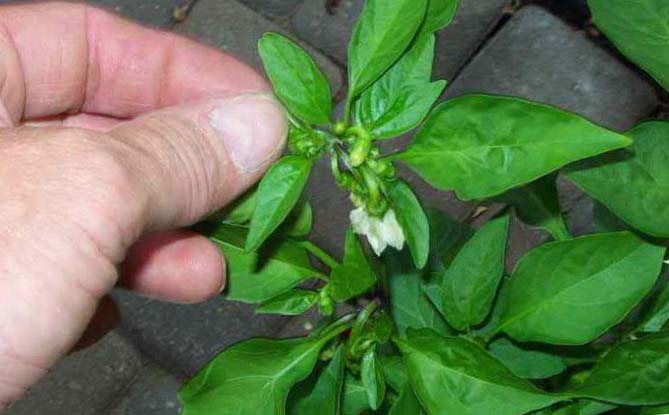
Let's discuss a possible cause of ovary drop: insufficient light. This plant's light requirements are well known. From the moment the first shoots emerge, it requires sunlight.
If there's insufficient light even at this stage, the quality of the emerging seedlings is questionable, and the growth of reproductive organs is slowed. All of this impacts the yield.
And if the lighting is too bright, the air heats up. This is especially true for greenhouse cultivation. And that's the second reason.
Elevated temperature
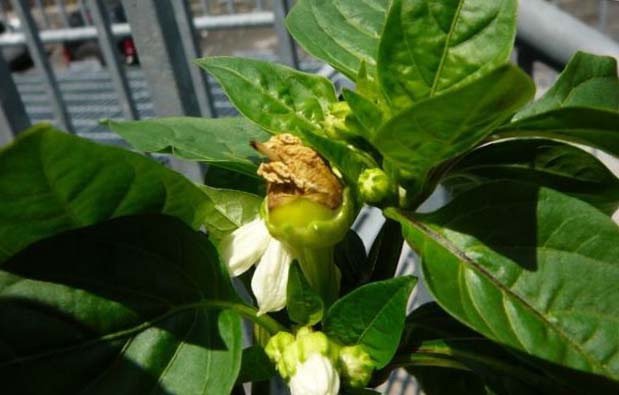
Sudden temperature fluctuations between day and night can easily cause blossom drop and delay flowering. If you notice this, you need to lower the temperature. Peppers also don't like extreme heat; they prefer cooler temperatures. What should you do? Shade the greenhouse, leave the windows open during the day, and close them tightly at night.
Lack of pollination
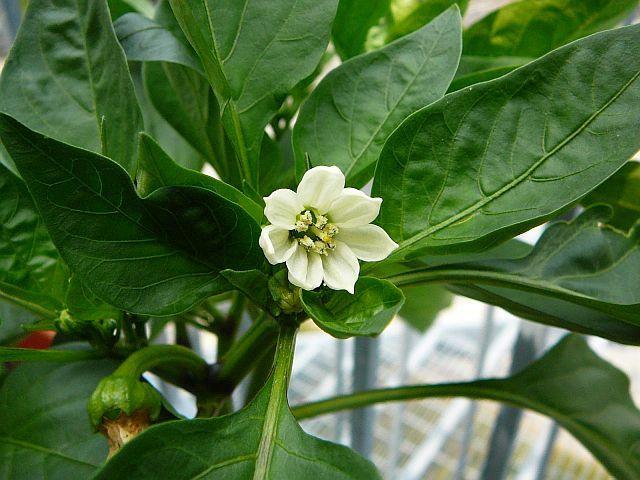
Pollination is a serious problem for peppers grown in greenhouses or hotbeds. These plants have bisexual flowers. Air movement is enough for pollination to occur. But if it doesn't occur, the plant's flowers will quickly fall off. Once the ovary sets, the risk decreases.
Harmful insects and diseases
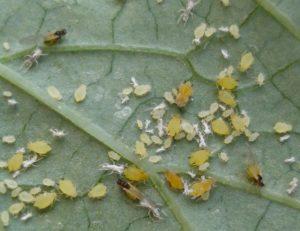
The real threat to sweet peppers are subject to various pestsSpider mites and small whiteflies are particularly dangerous. They're not as harmful as their secretions, which cause fungus and damage to the leaves. Peppers grown outdoors are attacked by mole crickets, ants, nematodes, and even the Colorado potato beetle. By gnawing at the roots, they contribute to the slow death of the plant. The first sign of this is the shedding of ovaries and flowers.
Many diseases, especially fungal ones, are transmitted by wind:
- verticillium wilt,
- rot,
- late blight,
- bacterial spot.
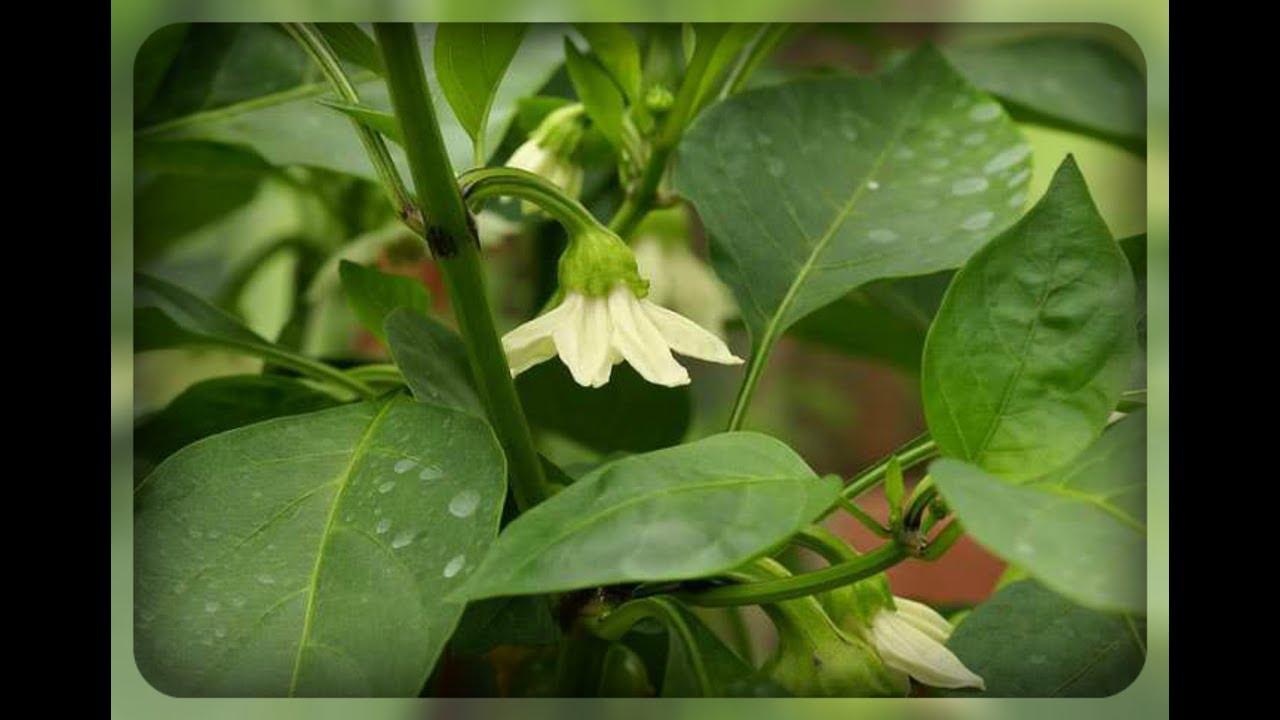
They initially damage the leaves, and then the entire plant. The loss of all ovaries, along with the stems, is the first sign of disease. If you notice even one affected shoot, take immediate action. Otherwise, the entire planting will become infected.
Incorrect soil fertilization
Peppers are demanding of both soil structure and fertility. If the soil is light and rich in humus, problems are not expected. If the soil is deficient in even one element, the plant's metabolism will immediately be disrupted, the leaves will turn yellow and fall off, and the shoots will die. These symptoms are often confused with those of disease. In reality, however, simply feeding the plant is sufficient.
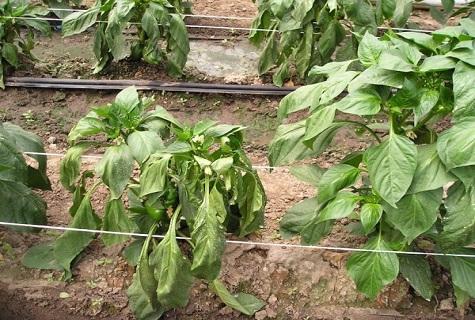
An organic solution is suitable. It is recommended to alternate organic and mineral fertilizers every other week.
Lack of micro- and macroelements
Deficiencies of individual micronutrients are most often observed when plants are planted in unbalanced soil. If the soil's acidity is too high or too low, if there's too much lime, sand, peat, or black soil, or if unusually low temperatures occur, the soil will inevitably lack some mineral element.
What's quite good is that the symptoms of this condition are usually clearly defined and don't overlap. So, for an experienced gardener, identifying a nutrient deficiency shouldn't be difficult.
![When to plant pepper seedlings in [year], favorable days according to the lunar calendar](https://harvesthub.decorexpro.com/wp-content/uploads/2019/02/foto4-300x200.jpg)
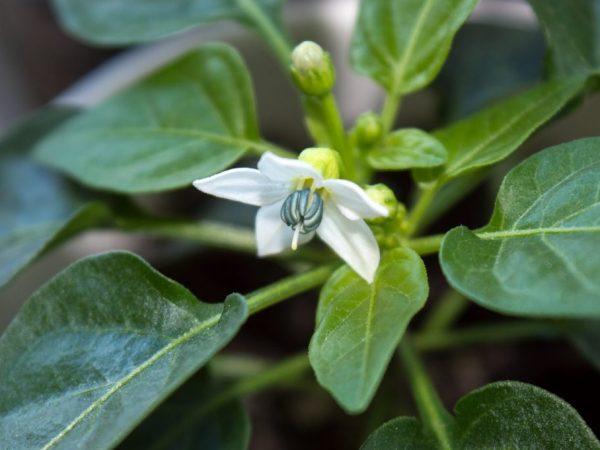
If the soil:
- light sandy and sandy loam soils – pepper may have a deficiency of iodine, potassium, bromine, magnesium or sulfur;
- carbonate or re-limed - expect a deficiency of manganese, boron or zinc;
- peat - possible lack of copper, potassium, boron or manganese.
Characteristics of the effect of various substances on pepper:
| Substance | Influence |
| Phosphorus | Beneficial for the growth of the root system, the formation of ovaries and fruits. |
| Nitrogen | If there is a deficiency, the growth of roots, stems, and leaves is inhibited; if there is an excess, growth becomes rampant, interfering with the formation and ripening of fruits. |
| Potassium | Increases the ability to withstand cold and accelerates fruit ripening. |
Insufficient humidity level
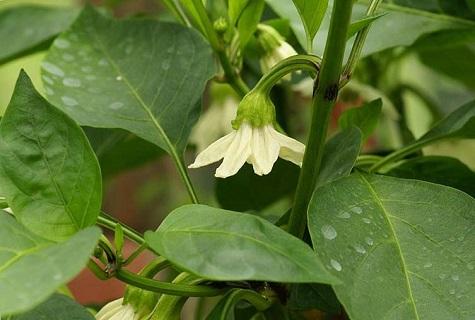
Peppers always need water, especially during fruiting season. Regular watering is essential. If the soil lacks moisture, buds and fruit buds will begin to fall off, significantly reducing the chances of a successful harvest.
Excess moisture can also be dangerous for peppers. Too much moisture can lead to a lack of air for the root system, causing the plant to stop growing and developing.
Peppers are particularly sensitive to humidity. The ideal humidity range is 60-70%. Any higher or lower, and expect flowers and fruit to fall off. When growing peppers in a greenhouse, it's especially important to carefully monitor humidity levels to ensure they don't exceed this level. Ventilation is essential for this purpose.
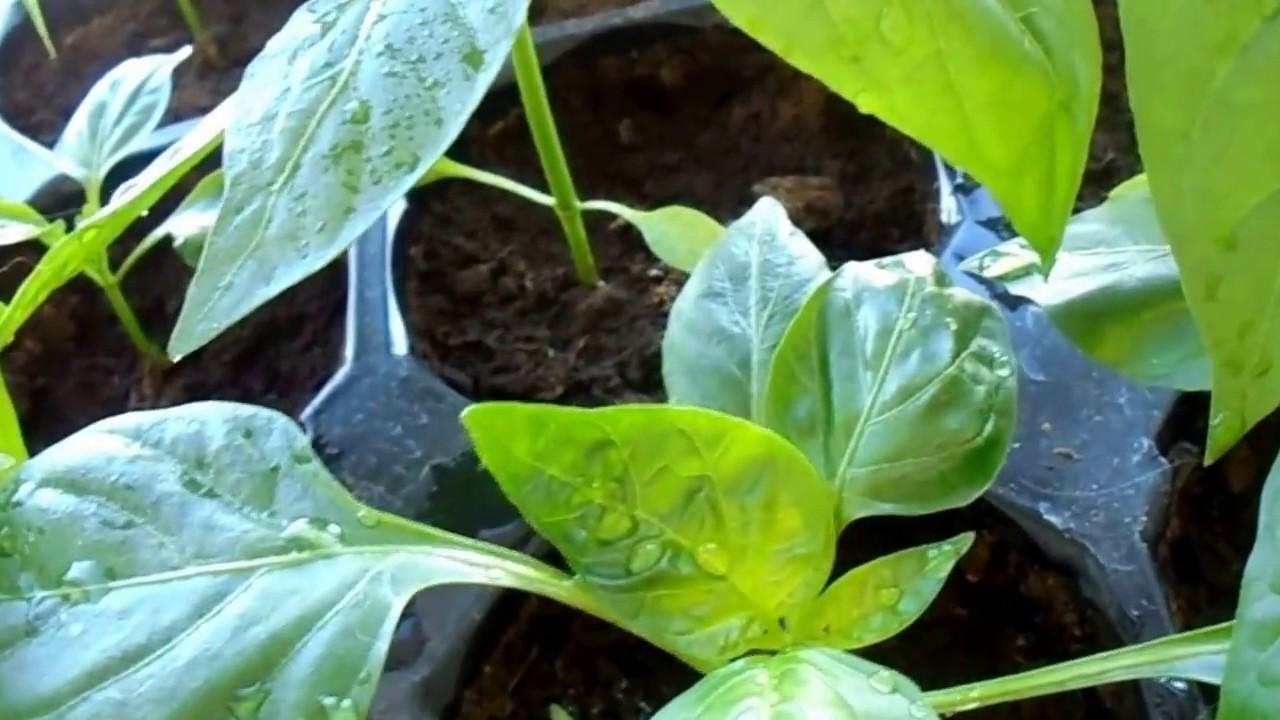
If humidity is insufficient, gardeners use simple means to increase it:
- spray water using a sprayer;
- They water the beds and the paths running along them using a watering can.
Measures to combat the problem
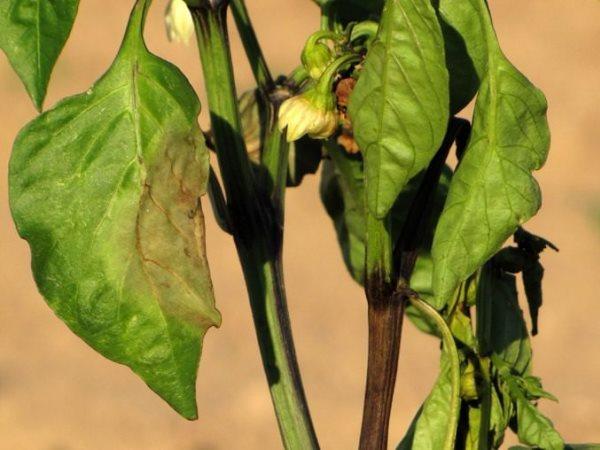
Various circumstances—depleted soil, poor planting, less-than-optimal humidity, and poor watering and fertilizing—can all cause pepper buds, flowers, and leaves to drop. If you're aiming for a bountiful harvest, these problems need to be addressed. How? Let's talk about it.
We organize proper care for peppers
Every experienced gardener knows the basic rules of plant care. These are the keys to a truly good harvest. First of all, peppers need to be planted correctly – 30-40 centimeters apart for short varieties and 60 centimeters apart for tall varieties.
And after planting, the most important thing is to maintain an optimal greenhouse atmosphere. This is achieved through regular watering, ventilation, and fertilizing.
Fighting insects
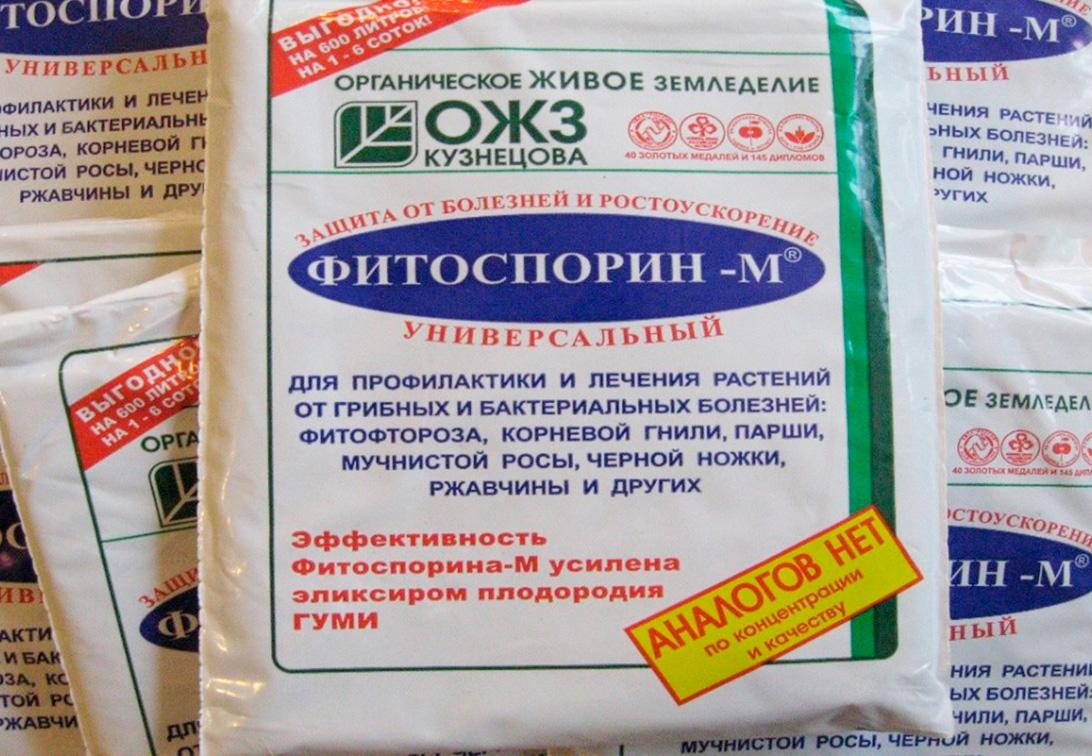
If a plant is covered in a whitish web, it's under attack from spider mites or greenhouse whiteflies. This problem can be dealt with by spraying. Chamomile or yarrow infusions are suitable. You can even use a specialized preparation like Fitosporin or Fitoverm. However, before planting, the soil should be thoroughly cleaned and treated.
Stimulating plant pollination
Use forced pollination on a regular basis to preserve fruit set. This can be accomplished by simply shaking the plants, usually early in the day.
Another option is to transfer pollen from one flower to another using a matchstick and a cotton swab. Peppers are best pollinated at temperatures between 23 and 25°C. When the air warms up to 30°C, the pollen dies; at temperatures below 35°C, the ovaries and young fruits begin to fall off.
Preventive measures
Maintaining the required levels of nitrogen and phosphorus fertilizers in the soil is an excellent preventative measure. From the day the pepper seedlings are planted, it's advisable to fertilize the plants every two weeks, alternating organic and mineral fertilizers.
Growing peppers often presents considerable challenges. While this isn't a problem for experienced gardeners, novice gardeners should strictly adhere to proper growing practices and know what to do if problems arise. This will prevent their peppers from developing abnormally or losing parts.
Related posts:
 Why are pepper leaves turning white? What to do and how to feed them in a greenhouse and in the ground.
 Planting, growing, and caring for bell peppers in open ground
 Planting, growing, and caring for peppers in open ground in the Moscow region: the best varieties
 Why do pepper leaves turn purple and what can be done to treat it?
 What to do if your pepper's leaves are curling, proper care and treatment
 Sweet pepper pests and how to control them, what to do and how to treat them
 How to grow peppers from seeds at home: choosing a variety, planting, and care
 Description of the best varieties of ornamental peppers, growing and caring for them at home