
Peppers are a vegetable plant in the Solanaceae family, native to tropical America. To determine whether or not to hill peppers when growing them, it's important to understand their biological characteristics. It's also important to consider the soil conditions in your garden or greenhouse. It's crucial that the soil allows air and water to reach the roots. Let's look at each point in turn.
What is the procedure?
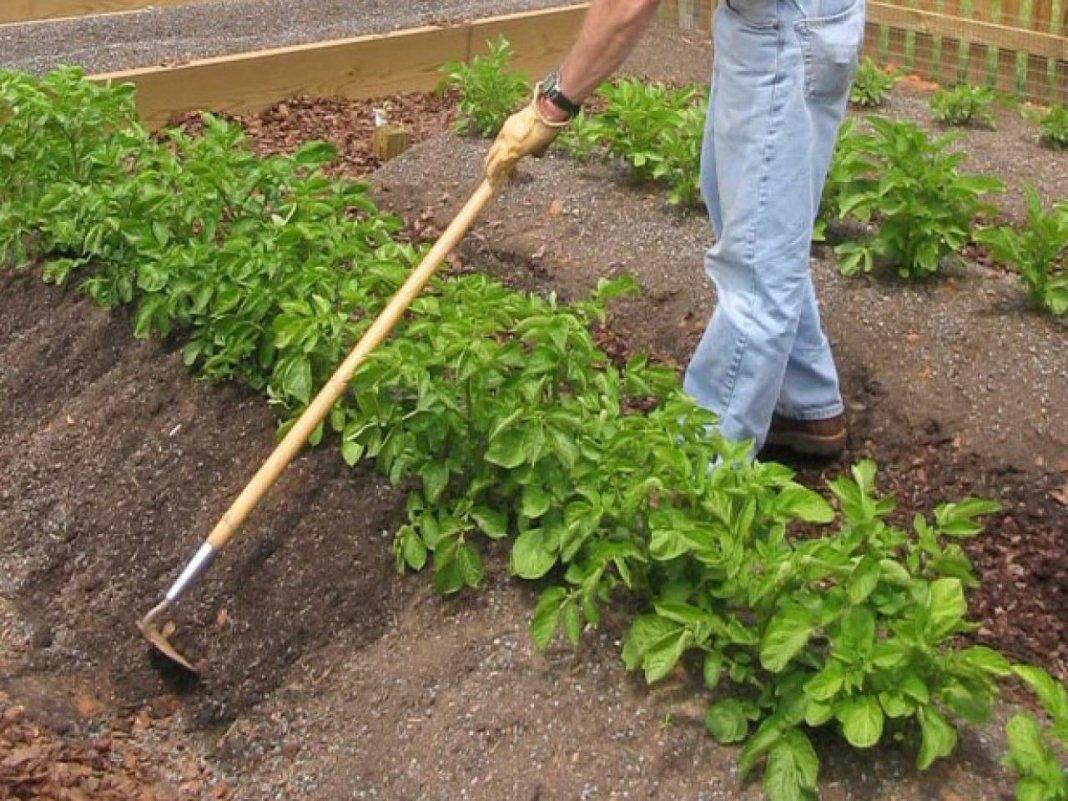
Hilling is a type of soil cultivation that involves raking soft, loosened soil from between rows onto plant stems in a layer ranging from 2-3 to 15-20 centimeters thick. Therefore, a distinction is made between shallow and deep hilling. The key to this process is loosening the soil crust and breaking up capillaries within it to prevent moisture loss.
Plants respond positively to loosening. Shallow hilling is recommended for all crops on light, sandy soils. On heavy loams and clay soils, solonetz soils, and saline soils, even light hilling can seriously hinder plant growth.
Modern technologies for growing vegetables using drip irrigation systems are based on mulching the top layer of soil with dark polyethylene film.
Plants develop faster, and moisture doesn't evaporate. This technology can be used over large areas—in fields, vegetable gardens, and homesteads.
Do peppers in open ground need to be hilled?
In their native South America, peppers are perennial subshrubs with woody stems. Their root system is fibrous and shallow. In the wild, it doesn't grow to significant size because the soil in their natural habitat is very fertile and always moist.
Important! Pepper roots are located close to the soil surface, and the stem becomes very dense, preventing the formation of adventitious roots.
To determine whether bell peppers need hilling, you need to carefully examine the soil in your garden and meticulously prepare the beds for planting this healthy vegetable. Heavy clay soil should be thinned with sand, while lighter soil should be thinned with clay. In all cases, peat moss and a generous amount of organic matter, such as compost or humus, are essential. For example, 20-30 kilograms of humus should be added per square meter of garden bed.
The benefits of hilling peppers
The positive effect of hilling is as follows:
- moisture is retained in the soil;
- increases oxygen supply to the roots;
- weeds are removed at the same time;
- when applying mineral and organic fertilizers, they are incorporated;
- beneficial soil microorganisms are activated;
- during the period of recurrent spring frosts, the roots are more protected from damage;
- In case of a hurricane wind, the plants will remain stable in the soil.
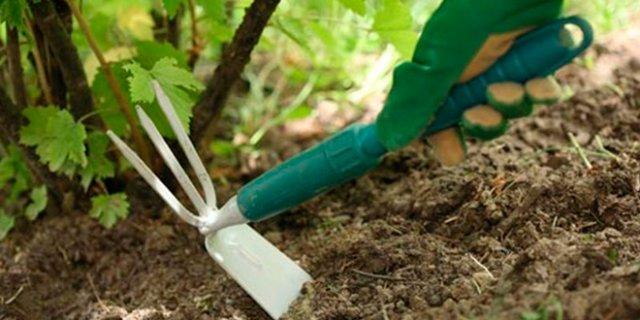
An area where loosening and hilling are used looks more well-groomed, with a high level of agricultural technology.
What harm can the procedure cause?
Peppers have a clear demarcation between the root and stem tissues. This can be seen by a thin joint called the root collar. In young plants, when the root collar is in the ground, growth is stunted or completely halted, and root rot and disease may develop.
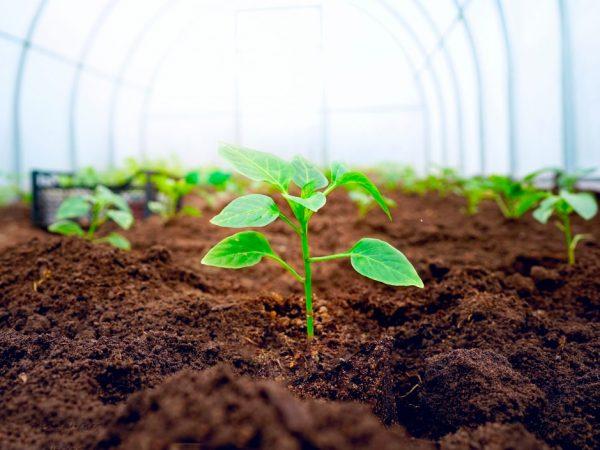
When picking or planting seedlings, the neck should be at ground level or slightly higher.
During all growth periods, hilling can easily damage surface roots or even cut off stems if plants are too closely spaced. Hilling is difficult when row spacing is narrow. Other crops that require more soil, such as potatoes, tomatoes, and melons, may also suffer.
If the area is infested with weeds and their seeds are scattered everywhere, hilling encourages weed germination, worsening the weedy situation. When weeds are buried, their root suckers multiply exponentially.
Please note! Hilling young seedlings can lead to stunted growth, rot, mechanical damage to roots and stems, and severe soil contamination.
The need for the procedure in greenhouses
The soil for greenhouse peppers is specially prepared: generous amounts of organic matter, fertilizer, and mulch are added. The substrate's physical and mechanical properties are balanced—it allows water and air to pass through well, and retains heat. During the growth and peak production periods, the plants receive sufficient moisture and nutrients. They are reliably protected from the vagaries of the weather, such as frost and strong winds. Under these conditions, hilling is not necessary.
Hilling technology
The operation is carried out manually or using technical equipment, such as motor cultivators, mini-tractors, and, in the fields, tractor units coupled with cultivator mechanisms. A key requirement for successful hilling is sufficient row spacing—40-70 centimeters.
Optimal timing
For peppers, this procedure is performed during the initial growing season—approximately two weeks after planting the seedlings in open ground. This allows the plants time to establish roots. Hilling at a later stage does not produce the desired positive effect, as the stems become woody.
Rules for carrying out work
When manually hilling, it's advisable to use a hoe with a long handle. This will allow you to reach soil from the far ends of the bed and adjacent rows. The soil is loosened to a depth of 6-8 centimeters and raked onto the stems in a ridge no more than 4 centimeters high. If the bushes are sparsely planted, you can rake the soil around each stem individually. Weeds should be removed and, if possible, avoid burying them.
How to care for plantings after hilling
During the fruiting period, the most important thing is to continue watering them adequately, as peppers thrive in moisture. For each square meter of the garden bed, 4-5 buckets of water are needed. After watering, mulching with peat is beneficial.
Peppers respond well to foliar feeding with simple or complex fertilizers. Excessive use of organic matter, such as chicken manure, can lead to overweight plants, which can compromise fruiting. When growing tall varieties, tie the plants to stakes. If overcrowding occurs, reduce the number of stems to two or three.
When growing peppers, it's important to carefully consider soil conditions, the crop's biological characteristics, and the possibility of weather anomalies before deciding whether to hill up. Generally, the positive effects of this procedure outweigh the potential negative consequences.
Related posts:
 Why and when to hill up potatoes, the rules and timing
 When and why to hill cabbage, timing and number of procedures, is it necessary after planting in the ground
 How to properly hill potatoes with a walk-behind tractor: step-by-step instructions
 Using boric acid for spraying and treating peppers
 Why peppers don't grow in greenhouses and open ground after planting, and what to do about it
 Step-by-step instructions and features of fan-shaped hilling of potatoes
 Description of the best pepper varieties for greenhouses and open ground in 2025
 How to make a manual potato hiller with your own hands, accessories