
- Why hill cabbage?
- Benefits of hilling
- Is there any harm from the procedure?
- How many times should cabbage be hilled?
- Hilling time
- After transplanting the seedlings into the ground
- Planted in the fall
- When to hill cabbage depending on the type
- Broccoli
- Cauliflower
- White cabbage
- Correct hilling technique
- Post-procedure care
Hilling is an important step in plant care, helping to increase yields. This method is used for most cabbage varieties. Understanding when to hill, how to do it correctly, and how to care for the vegetable afterwards—failure to do so reduces the likelihood of achieving the desired results.
Why hill cabbage?
Hilling vegetables, including cabbage, is a cost-effective process. Some gardeners wonder whether it's necessary. The answer is clear: yes, but the variety, the characteristics of the seedlings, and the quality of the soil must be taken into account.
The main goal of this procedure is to develop a strong root system. This will accelerate cabbage growth and produce a larger head of cabbage. In addition, this reduces growing costs: you can save on nutrition, and the quality of the harvest increases naturally.
Another important reason: the heads become more durable, which prevents them from lodging.
This is especially important for large varieties. Hilling is essential for very elongated shoots and those that have begun to curl.
Benefits of hilling
Raking up the soil at different stages of growth is considered important when caring for the plant.
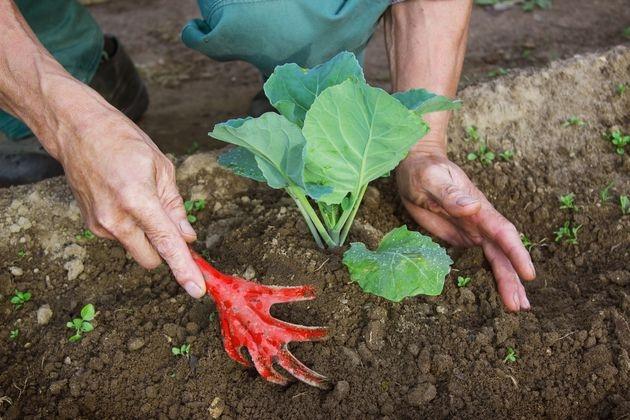
The following positive aspects of hilling are highlighted:
- Supports young seedlings after planting, especially when the sprouts have become very tall.
- After planting, it is recognized as additional support for thin stems of seedlings and protection from winds.
- Moist soil around the stem stimulates the growth of new, additional roots. This ensures additional, high-quality nutrition, vigorous growth, and secure anchorage in the soil.
- It is extremely necessary for late varieties; it prevents cabbage heads from lodging.
- Raking the soil also involves loosening it, which enriches the plant with oxygen, accelerates crop growth, and prevents the development of fungal diseases.
- It helps retain moisture in the trunk area and makes watering convenient thanks to the created channels.
- It prevents certain plant diseases (such as blackleg) and prevents attacks by cabbage root fly. This pest lays eggs in the topsoil. Raking up the soil prevents the larvae from developing; they are unable to begin their active life under this layer of soil. It's worth noting that egg laying coincides with the flowering of lilac bushes, so it's recommended to carefully inspect the plantings during this period.
Take a look Also

Is there any harm from the procedure?
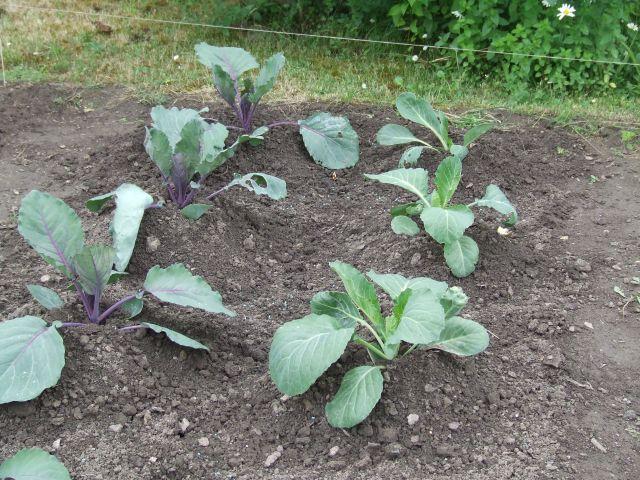
There's no harm in this procedure, provided it's done correctly and all requirements are met. The soil should be loose and not wet, so as not to damage the plant's delicate stems. Furthermore, it's important to be extremely careful when loosening the soil to avoid damaging the cabbage's root system. Therefore, raking should only be done on the top layer of soil.
How many times should cabbage be hilled?
The crop is hilled twice per season, not counting the raking of the soil immediately after planting the seedlings to protect the young, thin stems. The first raking is done after several large cabbage leaves have formed to stimulate the development of new lateral roots. The second is done after the ovary has formed. This strengthens the stalk, which will soon have to support the heavy head. It also continues to stimulate lateral root growth and improves nutrition.
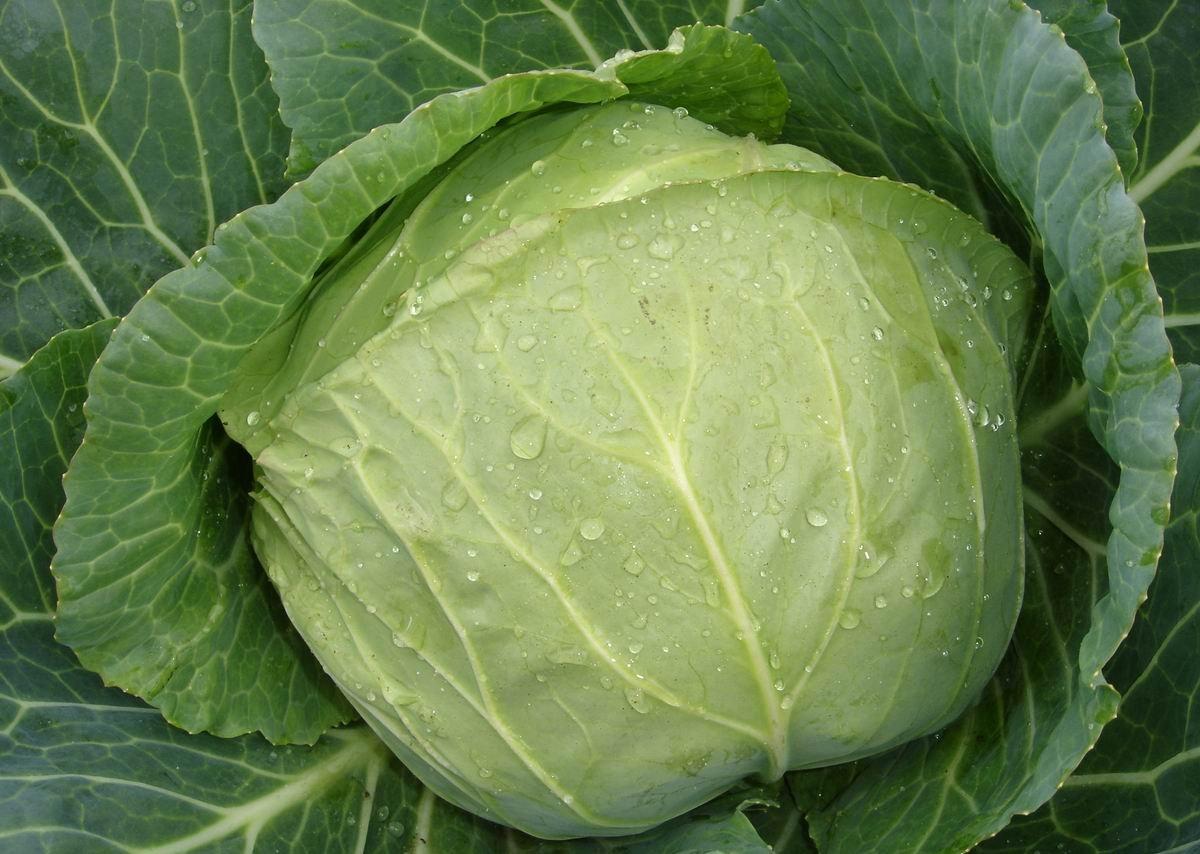
This procedure is no longer necessary. However, there are situations in which repeated hilling is necessary:
- when growing late varieties, hilling is carried out at the beginning of the autumn period;
- during prolonged rains, this helps remove excess moisture from the roots and prevent diseases and rot;
- if the leg is exposed.
Hilling time
There are no specific timeframes for hilling. It all depends on the quality of the planting material: sprouts, seeds planted directly into the ground, or the acclimation of seedlings in a new location. If you don’t hill up the plant the first time in the spring, the procedure will be of little use in the summer.

After transplanting the seedlings into the ground
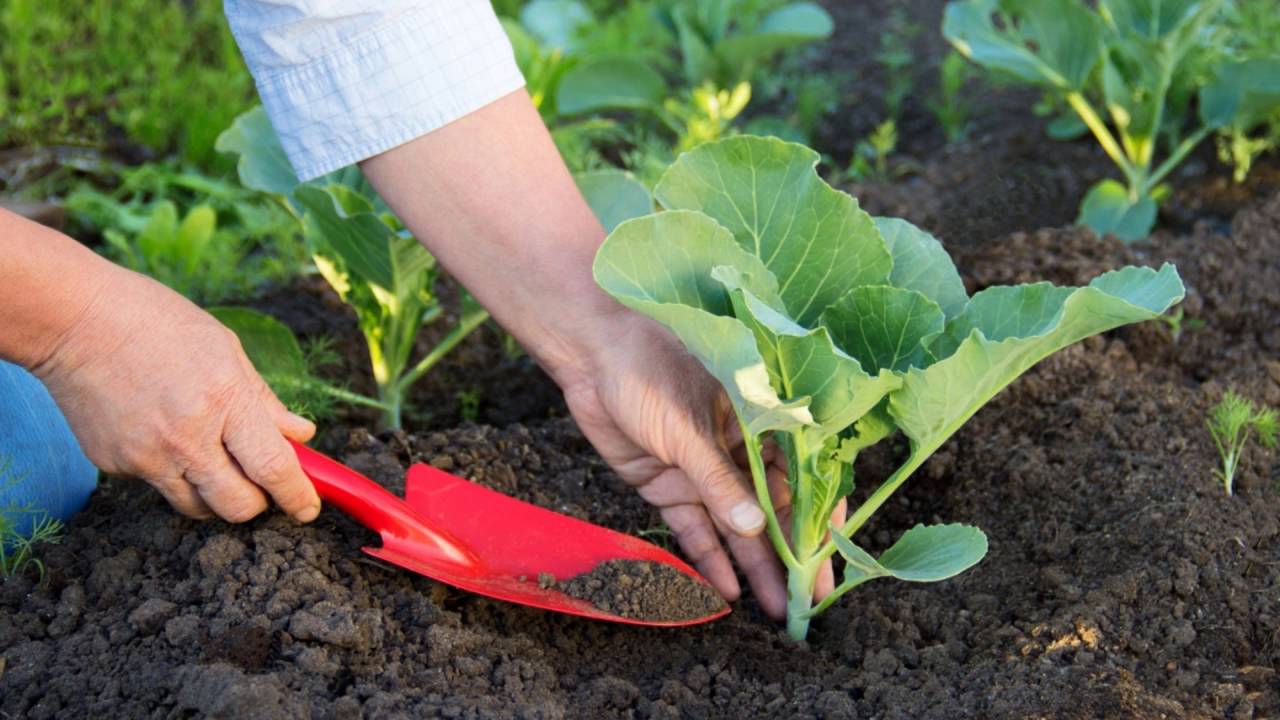
If cabbage seedlings are being planted in open ground, they can be carefully earthed up immediately, or after 2-4 days. This helps preserve and strengthen the thin stems and reduces the risk of them breaking in the wind. The primary earthing up is considered the first step and is performed once the cabbage has been planted and large leaves have formed. This indicates that the seedlings are already taking root and have adapted.

The purpose of the procedure is to stimulate new lateral roots and nourish the young plant.
The second hilling procedure is performed after the cabbage has fully formed ovaries. Forming a raised bed helps drain excess moisture away from the crop and also helps prevent damage from harmful insects and diseases. It is performed 10 to 30 days after the first hilling. The timeframe is extended. The main goal is the formation of the cabbage head ovary.
Planted in the fall
After planting, it's recommended to wait 12 to 14 days before performing the procedure. By this time, the plant has already established itself and become strong. Some recommend just hilling. However, if you plan to repeat the procedure, the lower large leaves should be cut off, as they tend to rot in the fall. This promotes disease and inhibits the growth of the plant head.
When to hill cabbage depending on the type
Not all cabbages are created equal. Hilling requirements vary depending on the variety. All cabbage varieties require hilling, but the cultivation techniques vary. Cabbage, cauliflower, and broccoli have their own specific hilling requirements.
Broccoli
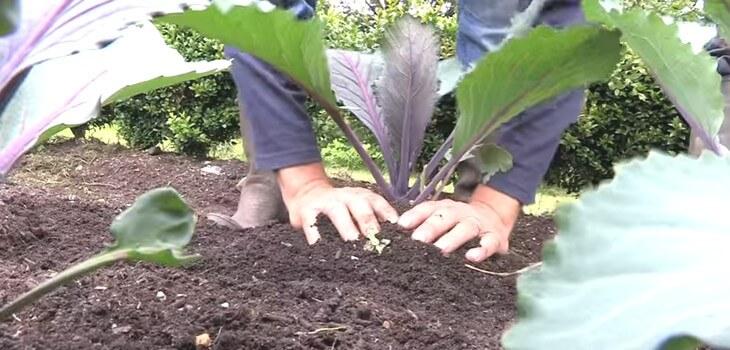
After planting the seedlings, hilling is done the next day, but not too high. Use dry soil, leaving a groove for watering. This is important, otherwise the broccoli heads will grow small. During growth, rake the soil weekly after watering. It is recommended to use humus, dry compost, or wilted grass when hilling.
Cauliflower
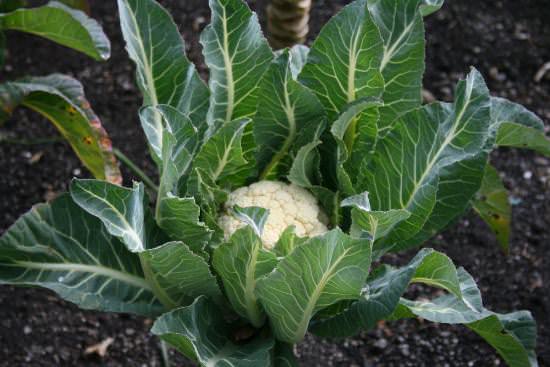
This type of cabbage requires three times of hilling:
- after a week from the moment of planting in the place of permanent growth;
- when the inflorescences appeared;
- approximately 45 days after planting, when the inflorescence is actively gaining weight.
White cabbage
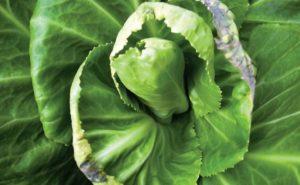
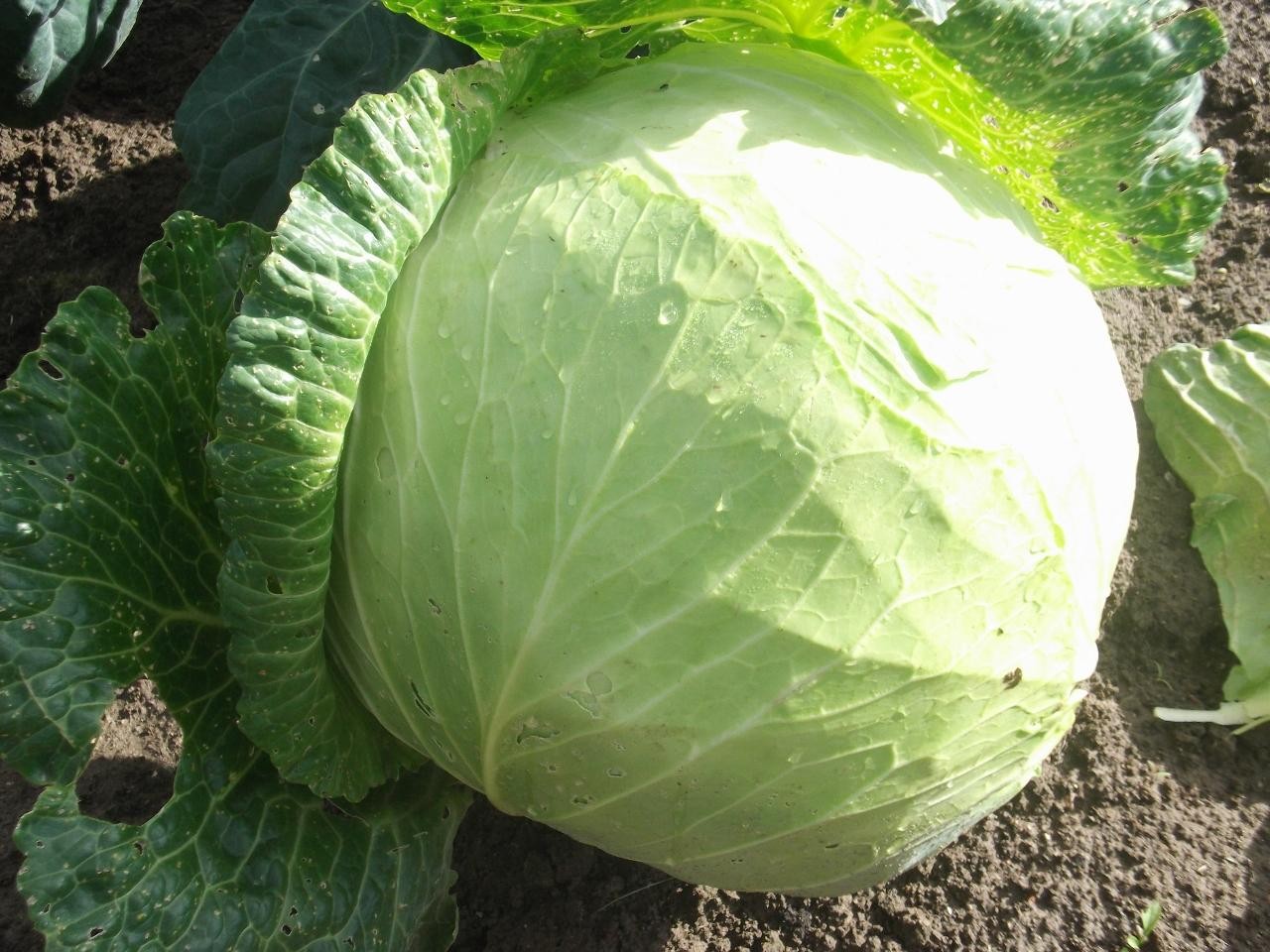
Typically, soil raking is performed twice per season. However, agricultural practices require the following adjustment. The number of times cabbage is hilled depends on the following parameters:
- quality and condition of seedling material - elongated young seedlings are hilled twice;
- soil type - on heavy soils the procedure is carried out once every two weeks;
- weather conditions - during periods of frequent rainfall, additional hilling helps drain excess moisture, prevent the development of fungal infections, and enrich the topsoil with oxygen.
Take a look Also
Correct hilling technique
The health of the plant, its further growth and future harvest depend on following simple rules of hilling technique.
How is the procedure performed:
- cultivate the garden bed: remove weeds, loosen the soil;
- 3-5 days before raking up the soil, it is recommended to feed the plant with a solution of aged chicken manure, this will stimulate the growth of the vegetable and serve as a preventative against clubroot;
- a medium-sized sap is used, the earth within a radius of 25-30 cm is attracted to the trunk;
- the height of the mound of soil is about 30 cm, it is important that the soil level does not reach the upper leaves (does not touch them), the growth point must remain above the ground;
- use the top layer so as not to damage the roots located deeper in the ground;
- This is carried out in dry, windless weather, preferably in the evening; if it has rained, wait until the soil dries out a little.
Post-procedure care
After the procedure, inspect the heads for insect damage. Water the cabbage generously, especially during the growing season. Depending on weather conditions, water at a rate of 30 liters per square meter. After the second hilling, increase the water volume to 10-12 liters per plant. Loosening the soil, removing weeds, and fertilizing the crop remains crucial.
Hilling is a simple but important procedure. It not only protects young shoots while they develop strength and adapt, but also promotes growth and nourishment through the development of a strong lateral root system. This procedure allows you to grow a plant with high commercial and flavor qualities.
Related posts:
 Why and when to hill up potatoes, the rules and timing
 How to properly hill potatoes with a walk-behind tractor: step-by-step instructions
 How to properly hill peppers in open ground and greenhouses, and whether it is necessary
 Step-by-step instructions and features of fan-shaped hilling of potatoes
 How to make a manual potato hiller with your own hands, accessories
 When to harvest leeks from the garden for storage, ripening times
 How to properly plant cabbage seedlings in open ground: spacing, timing, and temperature
 How to properly care for potatoes to ensure a good harvest