
Potatoes are probably the most popular vegetable in Russia. Delicious fried potatoes, hot tubers from a campfire in the wild – there are countless cooking options, as well as those who want to harvest their own crop, uncontaminated by chemicals. To ensure a bountiful harvest and large potatoes, effort is required. By following certain potato care guidelines, you can hope for a bountiful harvest that will last well into the next season.
Potato care rules
The key to a good future harvest is high-quality planting material and proper crop rotation. planting potatoes Growing potatoes in the same spot for several seasons will deplete the soil, increasing the risk of diseases common to nightshades. It's best to plant potatoes in areas previously occupied by legumes, root vegetables, cabbage, pumpkins, squash, and cucumbers.
When choosing potatoes for planting, pay attention to regionalized varieties, those developed for a specific region. The variety is selected based on soil type and ripening time. Also important are the potato's taste, storage quality, and yield. Tubers should be firm, uniform, free of rot, and have a large number of eyes.
Potatoes prefer light, loose, organically rich soils. They grow poorly in low-lying areas with high humidity and on heavy clay soils.
The soil for potato plants is dug twice – in the fall and in the spring. In the fall, after harvesting, the soil is dug to the depth of a shovel, turning the layers over. Organic fertilizers (compost, manure) are added along the way. In the spring, the soil is loosened in dry weather to a depth of about 15 centimeters. After emergence, the plants require watering, loosening the soil, hilling, weeding, fertilizing, and pest control.
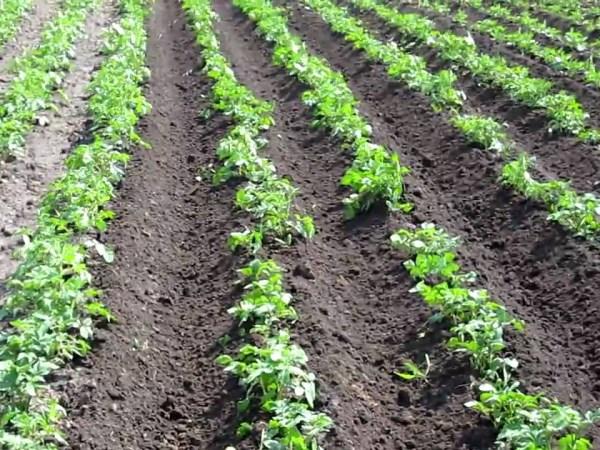
Watering potatoes
Potatoes suffer from both under- and over-watering. That's why it's important to know the proper watering practices.
How to water
Water potatoes when they lack moisture. Do not water until sprouts reach 5-10 centimeters. The first watering, if necessary, should be done a month after planting. The first watering should be done with non-cold water, at a rate of 3-4 liters per plant. Water in small amounts directly into the center of the plant, evenly moistening the soil.
Until the first buds appear, plants are watered every 7-10 days. During flowering, watering is increased, with up to 15 liters of water per plant. During tuber formation, water consumption increases to 20 liters. Regular watering is continued until the foliage begins to wilt. Then, watering is reduced to 3 liters, every six weeks. Water the plants early in the morning or evening using a hose in the furrows between the rows. Many gardeners use a drip irrigation system in their gardens.
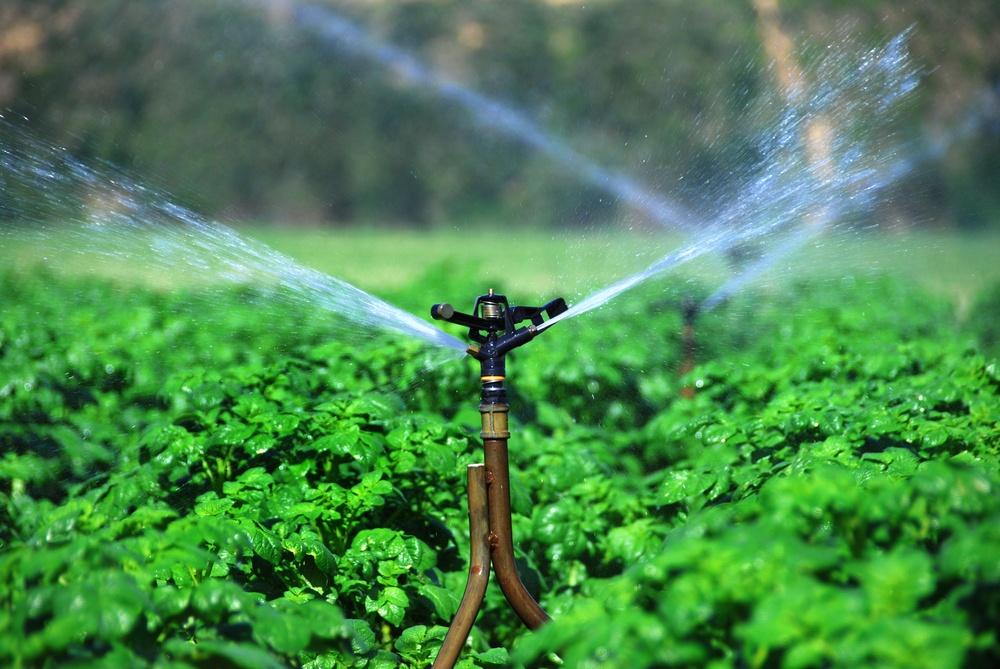
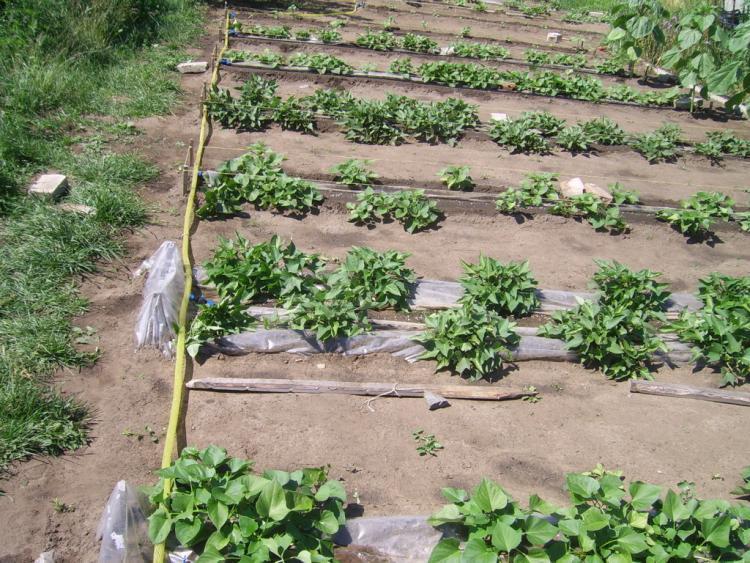
Drip irrigation system
Setting up such a system requires hoses with drippers or special tapes. While the equipment is expensive and its installation requires specialized skills, drip irrigation offers many advantages:
- water consumption is significantly reduced;
- it can be combined with the application of fertilizers;
- this method requires virtually no physical effort;
- a crust does not form on the soil, preventing the flow of oxygen;
- with this type of watering there are much fewer weeds in the beds;
- With this type of watering, plants get sick less often.
The disadvantages of drip irrigation are:
- It is not always possible to install such a system on your own:
- and the need to dismantle the system in the fall.
Loosening
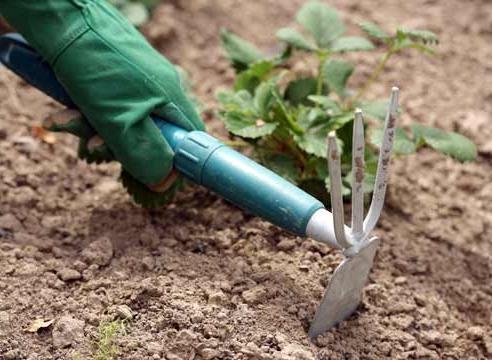
Loosening the soil enriches it with oxygen and provides additional weeding for the plants. The soil is first loosened a week after planting, and subsequently to break up the crust that forms after rain or watering.
Important: on sandy soils, loosening is pointless; they do not form a crust when moistened.The soil should be loosened carefully so as not to damage the potato bushes.
Harrowing
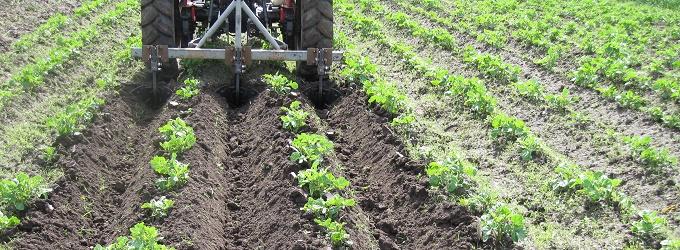
Essentially, this is the same as loosening, but it's done not by hand but with a harrow attached to a tractor or walk-behind tractor. It's used on large plots and when growing potatoes on an industrial scale.
Harrowing is used to remove weeds and oxygenate the soil until plants reach 15 centimeters. There are two types of harrows: tine and rotary, and the choice depends on the soil and planting method.
Weeding potatoes
This is an important step in plant care. Weeds deplete the soil of nutrients and hinder normal tuber development; without weeding, you can't hope for a good harvest. For small plantings, simple hand tools (various types of hoes, flat-top weeders) are used for weeding. If there are many beds, weeding is done with a cultivator or a walk-behind tractor.
The choice depends on the individual preferences of the site owner and the soil type. Cultivators, which can be manual, gasoline-powered, or electric, significantly simplify the weeding process, allowing you to effortlessly remove weeds from the soil.
Electric and petrol cultivators allow you to quickly weed large areas.
Walk-behind tractors offer even greater productivity and are often used by farmers on their farms. Potatoes are typically weeded twice: the first time when the seedlings are still very small, approximately 2-4 weeks after planting, and the second time when the plant reaches a height of 20-30 centimeters. After flowering, potato plants do not require weeding.
Hilling
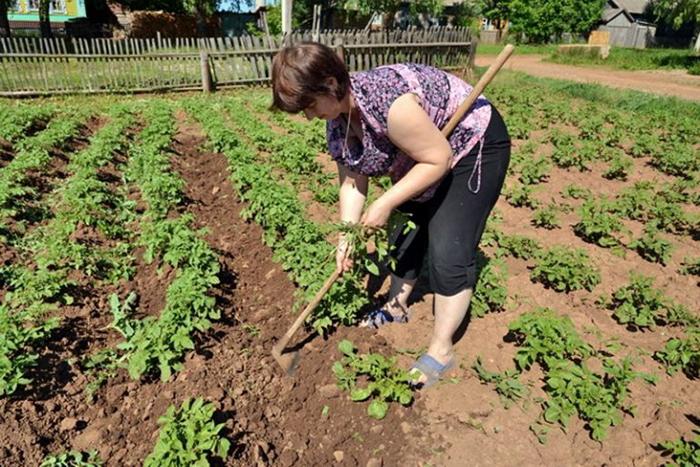
It involves raking the soil towards the center of the plant and forming a ridge.
Hilling allows you to solve several problems at once:
- protects plants during spring winds and frosts;
- ensures intensive growth and development of plants;
- loosens the soil, providing the bushes with oxygen;
- prevents weeds from developing;
- simplifies harvesting.
When hilling, the soil must be moist; plants are hilled in the morning or evening hours, in the absence of bright sun.
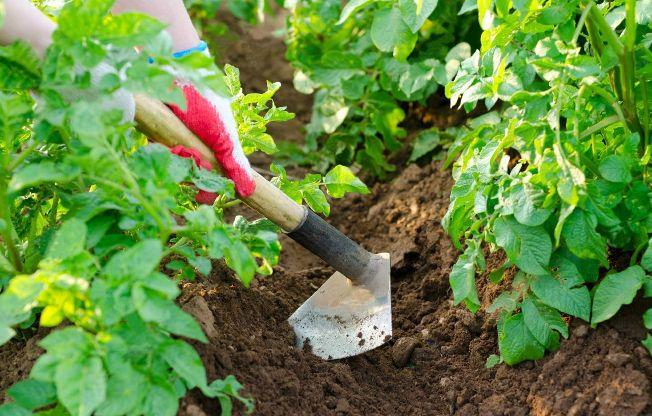
Classic hilling
The first hilling is done when the shoots reach 5 centimeters in height, and the next is done when the bush reaches 15-20 centimeters, before flowering. Hilling is usually done with a hoe, but a hand hiller is very convenient, as it significantly facilitates and speeds up the process.
Fan hilling
When fan-hilling, green manure crops (mustard and rye) are sown between the rows along with the potatoes. Green manure enriches the soil with nutrients and protects the potatoes from pests and diseases.
The mature green manure crops are weeded out, and the tops of the mature potato plant (before flowering) are spread out in a fan shape, separating the stems from each other so that they are positioned almost horizontally. A bunch of mown mustard or rye is placed in the center. This hilling reduces the frequency of watering, eliminates the need for weeding, and protects the plants from pests.
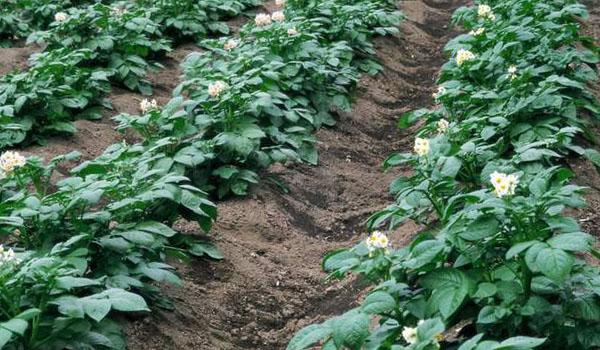
High hilling of plants
High hilling is the formation of a high ridge, where the bush is almost completely covered with soil. In this case, hilling must be done carefully to avoid damaging the plant's root system.
Fertilizers for potatoes
Potatoes require a great deal of fertilizer, both mineral and organic. Manure and compost are applied to the planting sites in the fall. However, this is not enough. Chicken manure and ash are excellent fertilizers for this crop. Potatoes are fertilized immediately after germination; when ovaries are forming; and during flowering. After this point, the plants do not need to be fertilized.
When seedlings emerge, dilute 30 grams of urea in 10 liters of water and pour 0.5 liters of the solution under each bush. You can also dilute bird droppings to a paste-like consistency, let it sit for 24 hours, then dilute with water at a ratio of 0.5 liters per 10 liters of water. Fertilize with 0.5% of the prepared solution under each plant.
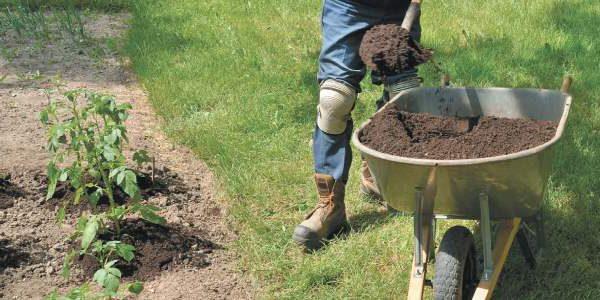
The second feeding is done by diluting a cup of wood ash in 10 liters of water. Use 0.5 liters per bush. For the third feeding, add a mixture of 2 tablespoons of superphosphate and 1 cup of chicken manure per 10 liters of water to each plant. Apply 0.5 liters per bush.
Foliar feeding is possible; it's less labor-intensive, especially with drip irrigation. The final feeding should be done four weeks before harvest. If organic matter is unavailable, a mineral fertilizer complex purchased at a gardening store can be used. Use this fertilizer strictly according to the instructions.
Caring for potatoes during the growing season
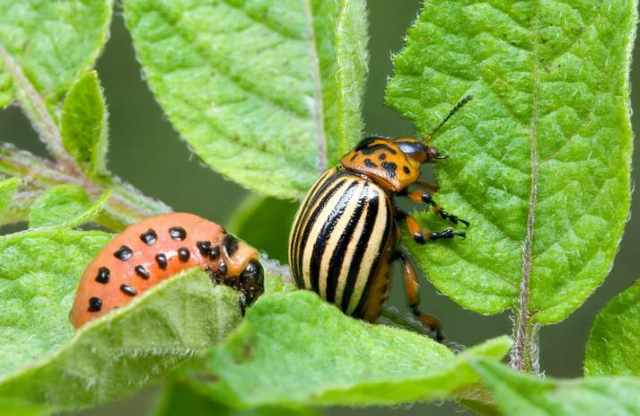
Basic care is necessary from the moment the first shoots emerge until the end of the flowering period. During active tuber growth, you can additionally hill up the potatoes. Don't forget to water them as needed, and control Colorado potato beetles and other pests.
Caring for potatoes during this period is much easier; in July, most gardeners begin digging up new potatoes to enjoy the most delicious and healthy tubers.
Growth regulators
Products that can accelerate potato growth and increase its resistance to pests and diseases are called growth accelerators. Poteytin, Epin, and Bioglobin are already used by our gardeners. These products are sold in ampoules. The ampoule is diluted in water according to the instructions, and the resulting solution is sprayed on seed potatoes 24 hours before planting.
Protection from pests and diseases
The best way to protect against diseases is to select disease-resistant varieties. Pre-plant treatment of tubers with Fitosporin or Prestige.
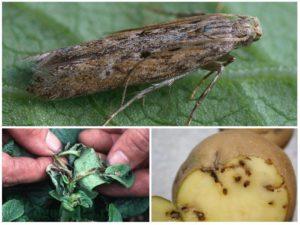
Colorado potato beetle control in small areas can be accomplished without chemicals by destroying the leaves where the larvae have appeared. If plants are treated with chemicals to control beetles and wireworms, they should be applied wearing a protective mask and gloves, strictly following the manufacturer's recommendations. It's advisable to replace the chemicals used annually.
Related posts:
 Description and characteristics of the Rodrigo potato variety, cultivation and care
 Why potatoes aren't growing well in the garden, and what to do to ensure a bountiful harvest
 Description of the best potato varieties of domestic and foreign selection
 Description and characteristics of the Krasavchik potato variety, planting and care
 Description and treatment of potato diseases, methods of control using folk and chemical means
 Description and treatment of potato pests, control measures
 Reasons why potatoes don't bloom, and what to do to ensure a good harvest
 Description and characteristics of the Zhukovsky potato variety, planting and care