
- How to plant potatoes with a walk-behind tractor
- Machinery for plowing a field
- Neva walk-behind tractor
- Firework
- MTZ
- Planting methods
- Working with a hiller
- Disk
- With a fixed working width
- With adjustable cutting width
- Using a two-row hiller
- Planting under a plow
- Mounted potato planter
- Workflow
- Garden layout
- Preparing soil for potatoes
- Grooving
- Cutting out the beds
- Planting depth
- Correct sowing pattern
- How to check readiness
- Execution of work
- Care
- Post-germination treatment
- The role of the plow
- Hilling
- Spraying with a walk-behind tractor
- Mesh harrow for weeding
- Harvesting potatoes with a walk-behind tractor
Planting potatoes is a labor-intensive process that takes a lot of time and effort. To simplify the process, gardeners use a walk-behind tractor. This equipment is easy to operate, rarely breaks down, and has a long service life. When using specialized agricultural equipment, it's important to consider several rules and nuances to ensure a bountiful harvest.
How to plant potatoes with a walk-behind tractor
The technology of planting tubers using a walk-behind tractor involves carrying out all stages of preliminary soil preparation, cutting furrows, sowing and final tillage. The equipment automatically performs all agricultural procedures, so all you need to do to plant is follow the operating instructions and monitor the equipment's operation.
Machinery for plowing a field
A garden cultivator is a type of self-propelled minitractor with the ability to attach attachments. These attachments are powered by the main engine and require no external power source. Among the wide variety of potato cultivators, there are several common models, each with its own unique characteristics.
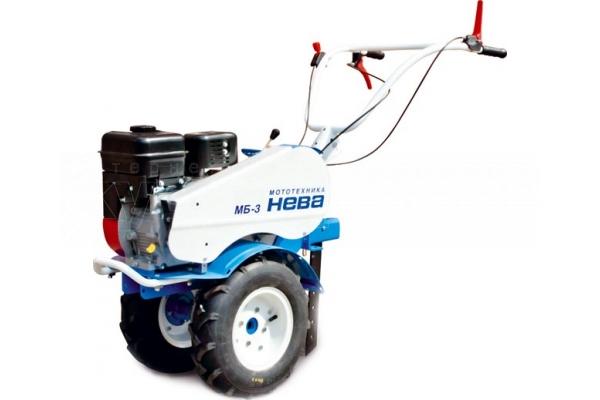
Neva walk-behind tractor
Neva brand equipment appeared on the market several decades ago and gained popularity due to its affordable prices and long service life. Neva walk-behind tractors are available in various configurations, differing in power output and functionality.
Firework
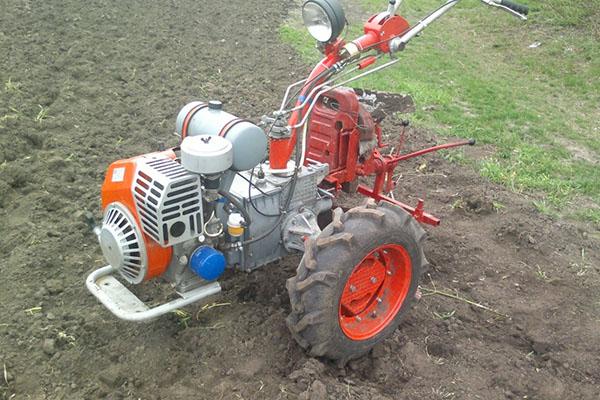
Salut brand walk-behind tractors, produced by a domestic manufacturer, compete with imported counterparts in terms of quality and cost. These machines are characterized by good maneuverability, variable speed settings, and smooth movement on various terrain.
MTZ
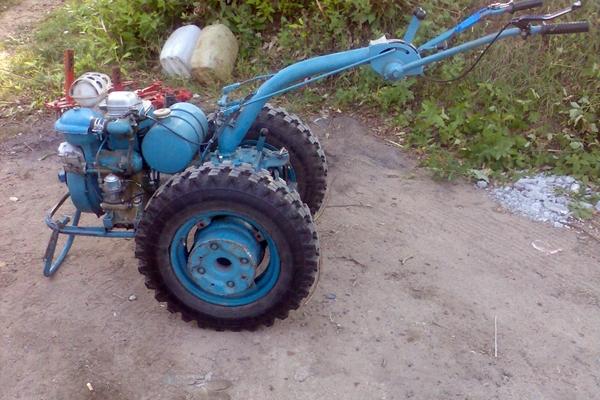
MTZ wheeled walk-behind tractors are multifunctional. These machines perform tasks such as harrowing, plowing, inter-row cultivation, and other tasks. Equipped with an internal power take-off shaft, they are designed for use in vegetable gardens and summer cottages.
Planting methods
Depending on the availability of additional equipment, there are several ways to plant potatoes using a walk-behind tractor. There are traditional methods using a hiller and seeding with an attachment.
Working with a hiller
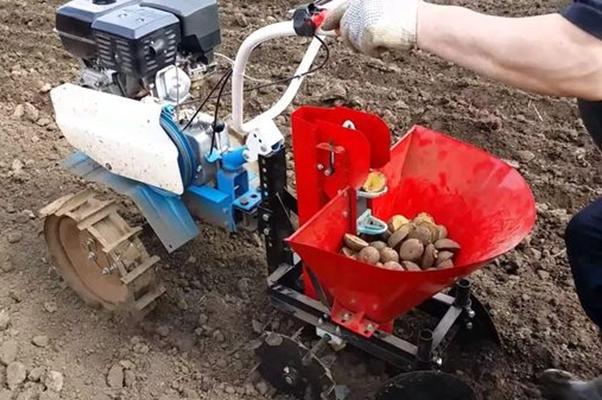
To sow with a hiller, wheels with lugs are attached to a walk-behind tractor. Using a hiller, you first cut furrows, then plant the tubers by hand.
Having replaced the lugs with basic standard wheels, all that remains is to go through the furrows again and fill the plantings with soil.
Disk
The disc cultivator technique involves placing the cultivator in the furrows so that the rows remain between the lugs. When moving the cultivator along the rows, avoid damaging the plants and compress the soil. The rotation of the disc elements further breaks up clods of soil and loosens the soil.
With a fixed working width
A hiller without a width adjustment feature is equipped with fixed elements. The tool doesn't need to be adjusted to the row spacing, so it's important to research the hiller's capabilities in advance and determine the appropriate width.
With adjustable cutting width
The adjustable hiller allows you to set the tines to the desired width and cultivate rows at various distances from each other. The disc elements are adjusted using screws.
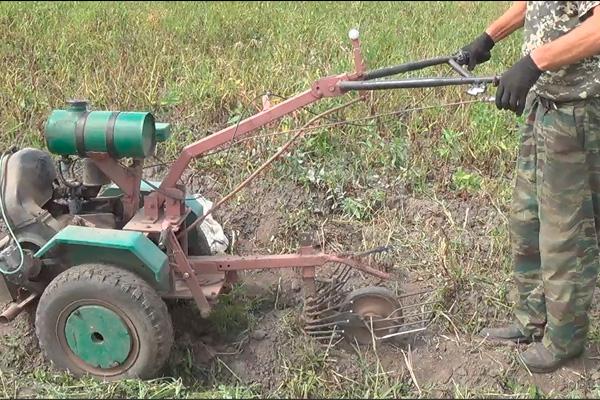
Using a two-row hiller
The two-row version of the machine can simultaneously loosen the soil and destroy weeds between rows. The device consists of a crossbar frame to which two hillers are attached. To ensure traction, it is recommended to attach lugs to the walk-behind tractor.
Planting under a plow
When installing metal wheels and a plow on a cultivator, it's necessary to first place the tubers in the furrows. As the tiller operates, a new furrow will be created, and the tubers in the existing furrow will be covered with soil.
Mounted potato planter
For large-scale planting, a potato planter should be used. This device is equipped with a furrow cutter, a conveyor for feeding the tubers into the furrows, and a hiller. The device cuts furrows, plants the potatoes, and compacts the soil simultaneously.
Workflow
When using a walk-behind tractor to plant potatoes, a number of steps must be completed beforehand to ensure proper operation. Follow the instructions regardless of the method used to plant the potatoes.
Garden layout
To determine the width of the beds, you need to mark out the area. Attach a crossbar to a wooden handle and attach stakes to it. Use the device you made to draw lines on the ground. To set a fixed distance between the lines, place the last stake along the previously drawn line.
Preparing soil for potatoes
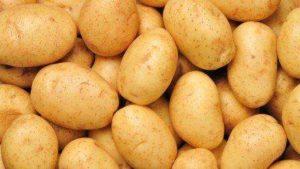
Potatoes are planted only after the soil has been prepared. First, plowing, harrowing, aerating, and weeding are necessary. Some of these cultivation techniques can be accomplished with a motor cultivator, if the machine has the necessary capabilities.
Grooving
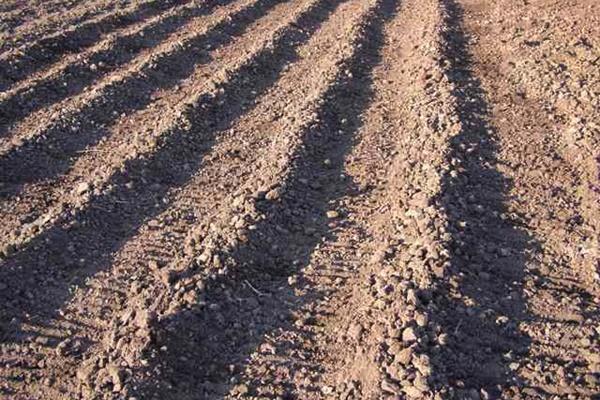
After positioning the tiller next to the markings in the garden, start the engine and cut furrows with the hiller. As you approach the edge of the plot, turn around and continue cutting parallel to the existing furrow. If the soil is soft, you can drive the tiller along the existing lines.
Cutting out the beds
A similar technique can be used to cut not only furrows but also beds. The first bed should be marked off along a straight line. On the next row, the tiller wheel follows the tracks of the previous row. For convenience, a two-row hiller is recommended.
Planting depth
By adjusting the position of the hiller, you can control the cultivation depth. The appropriate planting depth should be selected depending on the potato variety being grown and the soil conditions.
Correct sowing pattern
When using a cultivator correctly plant potatoes It is necessary to leave 35 cm between seedlings and 60 cm between rows. This scheme allows for spatial isolation, allowing the tubers to develop independently.
How to check readiness
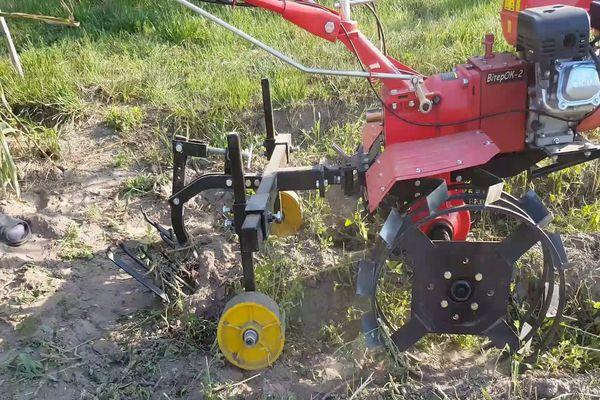
Before using the equipment, its functionality should be checked. Technical testing consists of the following steps:
- Monitoring oil and fuel levels.
- Removing the lock on the levers that control the wheel drives.
- Opening the valve that supplies fuel.
- Starting the motor cultivator engine.
Execution of work
If the walk-behind tractor is fully operational after testing, all that's left to do is pull the starter rope to engage the system. After that, you can begin cultivating the soil.
Care
The walk-behind tractor's functionality allows it to be used not only for planting but also for subsequent care of the seedlings. The use of agricultural machinery simplifies the care process and saves time.
Post-germination treatment
The goals of cultivating the soil after tuber germination are to stimulate growth, increase yield, and control pests and diseases. Using a walk-behind tractor to cultivate seedlings, several procedures can be performed simultaneously.
The role of the plow
When the first shoots emerge, weeding and loosening the soil is necessary. A motor cultivator can be used for these tasks between rows, just like a regular plow. Loosening and weeding can be done in parallel using additional attachments for the motor cultivator.
Hilling
To reduce the risk of root rot in wet soil, periodic hilling is necessary. Hilling presses the soil down onto the plant stems. It is allowed to use a walk-behind tractor for hilling potatoes immediately after planting and at all stages of further growth.

To perform the procedure the walk-behind tractor must be equipped with hillers On an adjustable metal crossbar. Before hilling, adjust the tilling depth and the angle of the flat-cutting machine. The motor cultivator is placed between the rows, and then the seedlings are cultivated at minimum speed.
Spraying with a walk-behind tractor
Like any crop, potatoes require regular watering. When growing large quantities, it's possible to irrigate them using a walk-behind tractor. By attaching an elongated bar with several sprayers and a pump to the equipment, it's possible to spray several rows simultaneously.
To do this, simply secure the sprayers above the plantings and adjust the width of the wheels so that they can move freely between the rows.
Mesh harrow for weeding
To remove weeds from the potato beds after planting, use a mesh harrow designed for weeding. Use a weed harrow only before the first seedlings emerge. Otherwise, there's a risk of damaging the seedlings. To perform this procedure, attach the weed harrow to the cultivator frame and pull it across the rows across the entire area.
Harvesting potatoes with a walk-behind tractor
When growing potatoes in large quantities, it's advisable to use a walk-behind tractor for harvesting. To harvest the tubers, the equipment must be supplemented with a potato digger. This device resembles a hiller, but instead of a solid surface, it has a grid with bars.
When using a potato digger, part of the tool goes deep into the soil, bringing some of the soil and the potatoes to the surface. The soil falls through the holes between the bars, leaving the potatoes trapped in the grate. To prevent some of the tubers from getting caught in the wheels of a walk-behind tractor, it's recommended to dig every other row.
Related posts:
 Why potatoes aren't growing well in the garden, and what to do to ensure a bountiful harvest
 Description and treatment of potato diseases, methods of control using folk and chemical means
 How to plant grapes step by step, with a description of the process and care
 Description and treatment of potato pests, control measures
 The best eggplant varieties for growing in a polycarbonate greenhouse: planting and care
 How to properly plant peas in a greenhouse and open ground
 How to propagate and grow peas, cultivation technology, and care in open ground
 Description of the best potato varieties of domestic and foreign selection