
For many, a good potato harvest is vital, so a lack of flowering can be a source of concern for gardeners, as abundant flowering bushes are often a sign of good tuber development. It's recommended to find out in advance why potato shoots aren't blooming and what the possible causes might be, as this knowledge will help correct the situation and ensure a good harvest.
When and how long does potato bloom?
Many factors influence the ability of shoots to bloom profusely, but how many days the potato bloom lasts primarily depends on the characteristics of the variety.
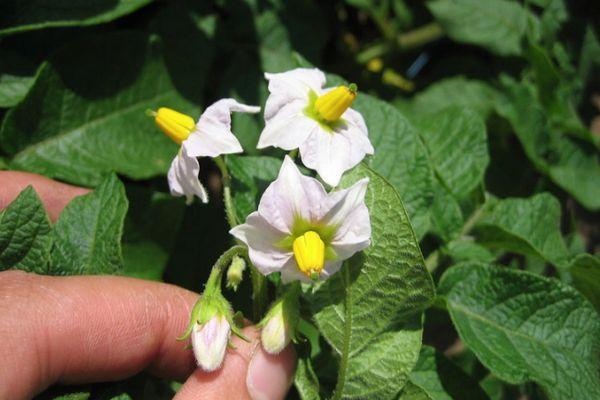
It is customary to distinguish crops based on the duration of tuber formation:
- early ripening;
- mid-season;
- late-ripening.
The shorter the harvest period, the less likely the variety is to produce flowers. There are ultra-early varieties characterized by rapid tuber formation, which ripens before the Colorado potato beetle infestation. Many people mistakenly believe that potato flowering is a mustFor these varieties, the absence or small number of inflorescences is considered normal. Some species are capable of forming small inflorescences, and the potato plants bloom immediately, so gardeners often simply don't notice the process due to the absence of flowers in their garden at the time.
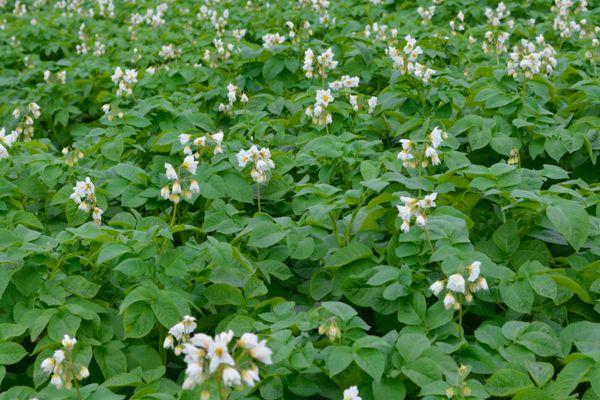
Among the varieties of potato crops, there are varieties that bloom profusely and those that bloom sparingly, which directly depends on the breeding qualities.
To avoid worries after planting about the lack of inflorescences or their small number, it is recommended to study information about the characteristics of this variety.
A significant number of varieties that are not considered early-ripening begin flowering 35 days after planting. With proper germination and stimulation of tuber growth before planting, this period can be reduced by 5-10 days. The average flowering time also depends on the variety; some varieties can reach this stage very quickly, while most potato varieties only take a couple of weeks. For some late-ripening varieties, this period can last from 160 to 180 days.
Why potatoes don't bloom and how necessary is this?
The absence of a flower is not a problem; it is inherent in the nature and structure of the plant. Potato flowers do not affect the development of the above-ground portion of the shoots or the formation of tubers. The formation of roots and berries from the flower are two independent processes. Whether a harvest will occur depends on many factors, but flowering is not the primary indicator of a good harvest.
The reason a potato variety fails to bloom may be determined by the characteristics of the particular variety or by external factors. The likely cause of the problem in mid-season and late-season varieties, which are typically expected to form inflorescences, should be sought in the growing conditions.
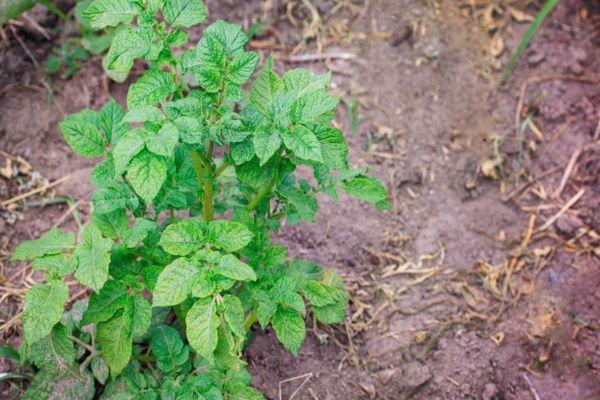
The most likely factors include the following:
- negative impact of insects;
- high ambient temperatures;
- insufficient soil moisture;
- lack of light;
- poor soil composition and lack of nutrients.
Why potatoes don't bloom: a characteristic of the variety
The plant variety influences yield. A lack of flowering is typical for crops with a very early maturation period. Some ultra-early varieties produce very small flowers that fade very quickly. This trait has been acquired through selective breeding, and these potato varieties separate the period of bud formation from tuber development. As a result, the plant devotes energy to the ongoing process.
Examples of similar potato varieties include Roko, Timo, and Empress. They don't have high yields, but their main advantage is the ability to produce fresh tubers quickly.
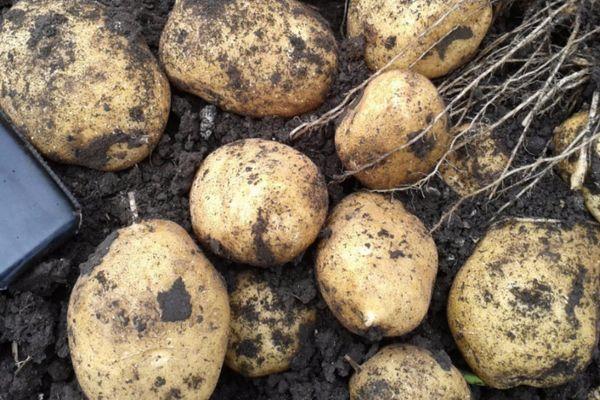
For some potato varieties, the degree of flowering is directly dependent on weather conditions. For example, the Vesna variety can form buds in normal or high humidity, but will completely abstain from flowering during drought.
Potatoes don't bloom because of pests
If potatoes fail to bloom, the common cause is the negative impact of harmful insects. Several insects are considered garden pests. Among the most dangerous and capable of impacting yields are:
- Colorado potato beetle;
- ground beetles;
- ladybugs.
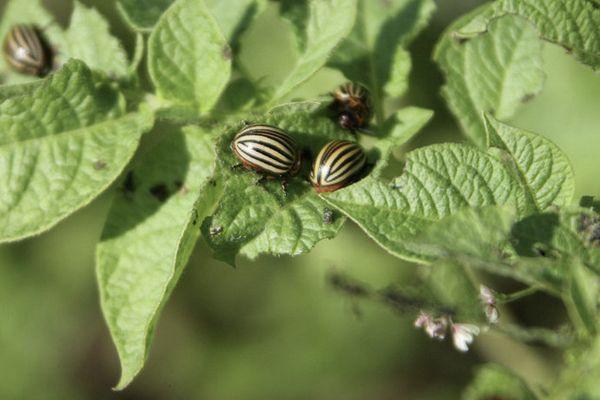
Disease prevention and pest control are essential measures to ensure adequate potato yields. Colorado potato beetles are collected by hand, and treatment with specialized chemicals is used to prevent damage to crops by harmful insects. A large infestation of beetles can prevent potato plants from blooming. This situation quickly leads to the pests devouring the flowers, often resulting in the appearance of a lack of bloom.
Insufficient care and feeding
A common cause of potato plant failure is environmental factors or human actions. Failure to bloom is typical of dry summers and insufficient natural rainfall.
An important factor in achieving a good yield from tubers is choosing the right planting site and ensuring good soil quality. To achieve this, choose open, sunny, non-waterlogged areas and form rows from south to north. It's important to know: How to care for potatoes, and observe agricultural cultivation techniques.
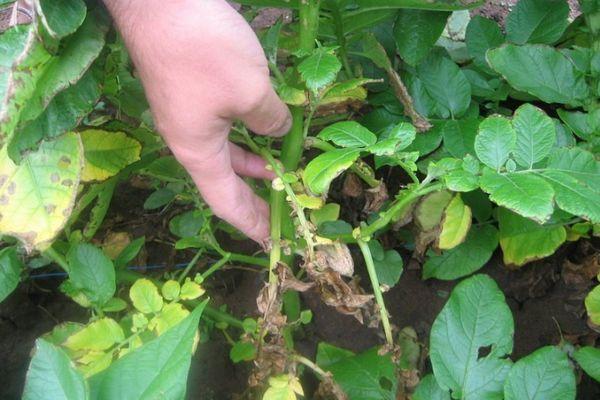
Typical mistakes gardeners make are:
- incorrect choice of potato variety, the quality of which and the requirements for growing conditions are not suitable for a given region;
- failure to follow the planting pattern when working with potatoes;
- lack of preliminary seed preparation before planting;
- neglect of disease and pest prevention and plant fertilization.
Lack of flowering is often caused by errors associated with insufficient fertilizing of the plant or choosing the wrong method.
Should I do anything if my potatoes don't bloom?
At the initial stage, if the potato fails to bloom, it's important to determine the cause and determine the appropriate course of action based on the specific circumstances. First, it's recommended to ensure the variety isn't an ultra-early variety, as the lack of buds is normal for these potato varieties.
If potato plants fail to bloom due to an infestation of harmful insects, treatment with specialized pesticides is necessary. A wide variety of pest control products are available on the gardening market today. The choice depends on the type of pest causing the problem.
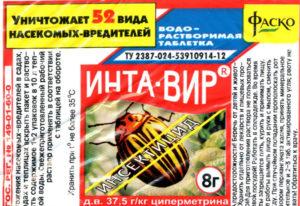
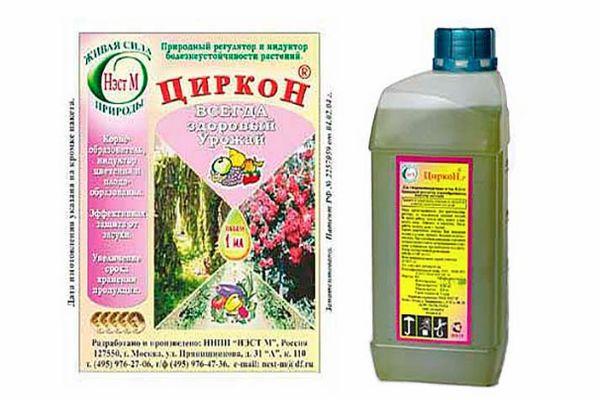
Many latest-generation products offer a comprehensive effect, allowing for simultaneous control of several pests. It's important to follow safety precautions and the manufacturer's recommended dosage when using them. If flowering is absent, gardeners recommend spraying potato plants with Zircon.
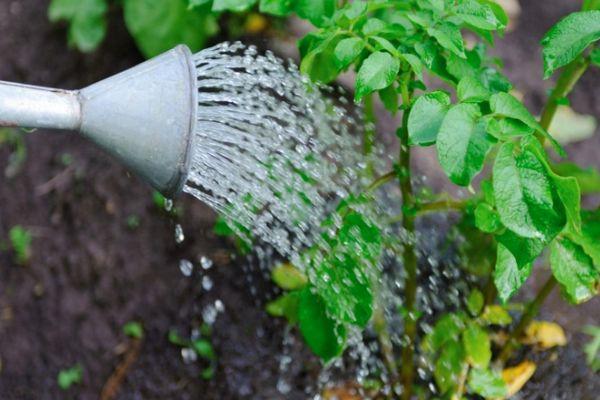
If there is no natural precipitation during hot weather and there is a clear lack of soil moisture, watering is recommended. At high temperatures, the plant begins to wilt and actively shed its flowers.
Avoid over-watering the soil, as this can lead to rotting of the root system and tubers, making them difficult to store.
Of great importance is potato fertilizingExcessive application of nitrogen-containing fertilizers can result in rapid green growth and poor flowering of potatoes. When enriching the soil with manure in the fall or autumn, additional fertilizing with such fertilizers should not be done. Immediately before flowering, enrich the soil with a solution prepared from 1 tablespoon of potassium sulfate, 3 tablespoons of ash, and 10 liters of water.
Related posts:
 Why potatoes aren't growing well in the garden, and what to do to ensure a bountiful harvest
 Description and treatment of potato diseases, methods of control using folk and chemical means
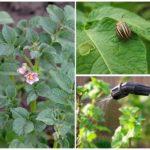 Is it possible to spray potatoes during flowering to protect against the Colorado potato beetle?
 How to properly prepare planting material and when to plant potatoes to get a rich harvest
 How to properly care for potatoes to ensure a good harvest
 Description and characteristics of the Zorachka potato variety, planting and care
 Description and characteristics of the Krasavchik potato variety, planting and care
 Pre-plant potato treatments for Colorado potato beetle