
- Composition and caloric content of the product
- The health benefits of young potatoes
- Is it possible to plant new potatoes a second time?
- How to germinate and when to plant vegetables
- Care Features
- Which varieties are suitable for a second planting?
- Harvesting
- Harm and contraindications for use
- In what recipes is it used?
- Reviews
It's hard to find someone who has never tried new potatoes. Brought by the Spanish from the American continent, this vegetable quickly spread throughout Europe, and today it's impossible to imagine the cuisine of many nations without this wonderful vegetable. The abundance of delicious dishes that can be prepared with it and the ability to store the harvest for a long time have made it popular.
Composition and caloric content of the product
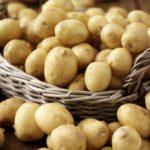
New potatoes are the tubers of an annual plant belonging to the Solanaceae family, harvested long before the vegetable reaches full maturity. Potatoes are very popular in Russia, and new potato dishes, combined with various appetizers and side dishes, have earned a particular popularity.
This vegetable contains a large number of vitamins and microelements essential for normal human functioning. It contains a large amount of potassium, is rich in B vitamins, and contains ascorbic acid, quickly saturating and providing long-lasting energy. In addition to potassium, it also contains sodium (Na), magnesium (Mg), zinc (Zn), and calcium (Ca); these are just the microelements present in large quantities.
100 grams of young potatoes contain:
- water - 84 grams;
- carbohydrates - 12.4 grams;
- starch - 10.3 grams;
- proteins - 2 grams;
- fiber - 1.4 grams;
- ash - 1.1 grams;
- mono- and disaccharides - 0.7 grams;
- fats - 0.4 grams;
- organic acids - 0.1 grams.

Caloric value per 100 grams: 61 kcal. Young potatoes contain less starch and sugar than mature potatoes.
The health benefits of young potatoes
Potatoes quickly fill you up, and the energy they provide lasts for a long time. Growing them requires little care and offers a host of other beneficial properties.
It provides the body with potassium, which is essential for heart function, improves metabolic processes in the body, helps neutralize excess uric and lactic acids, protects the gastrointestinal tract from increased acidity, supports immunity, and helps lower blood pressure.
Raw potato juice has long been used as an antiseptic, used to heal burns and wounds, taken on an empty stomach - protects against scurvy, helps lower cholesterol.
New potatoes have a beneficial effect on sexual function and can enhance libido. Their benefits for cartilage problems have been proven.
Is it possible to plant new potatoes a second time?
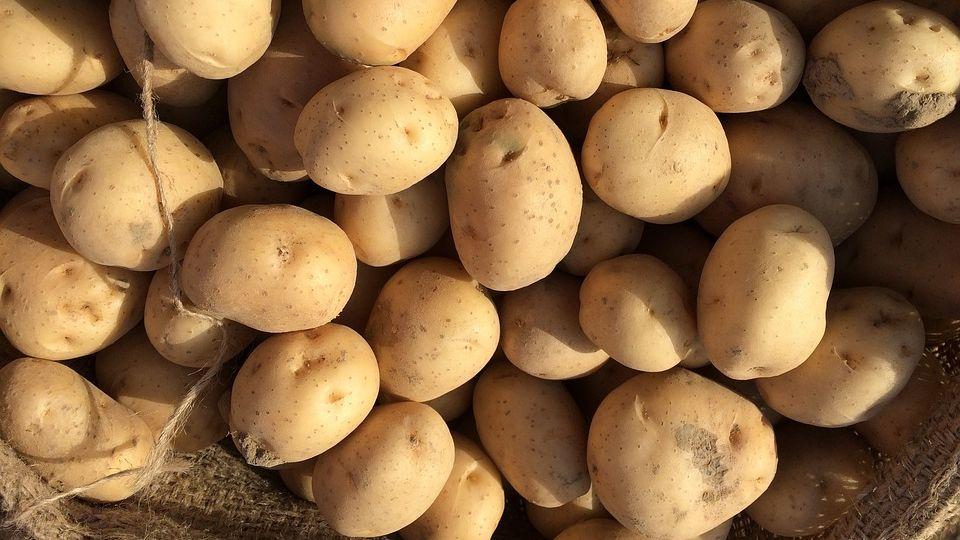
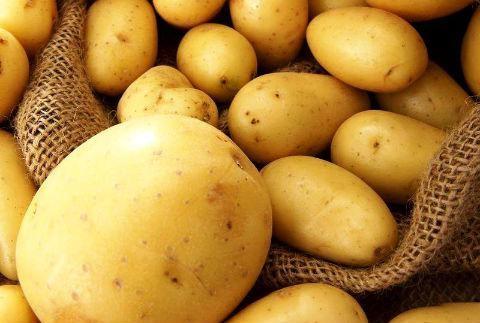
Young potatoes differ from fully ripened vegetables in a number of ways:
- the tubers are smaller because they have not yet fully matured;
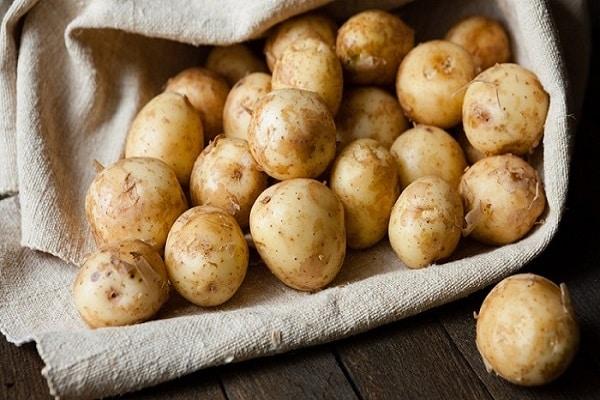
- the thin and delicate skin is easily removed, and unpeeled potatoes can be eaten;
- they are distinguished by greater density, rich taste and juiciness;
- The skin of young potatoes is colored in lighter tones.
If you plant it a second time, you can get an additional harvest, especially in the southern regions.
When replanting, you need to choose early plant varieties and take into account the ripening time so that the potatoes have enough time to grow and develop.
To grow a second potato crop, choose a plot where early vegetables (radishes, green onions, young garlic) were grown.
How to germinate and when to plant vegetables
Medium-sized tubers of early young potato varieties are used for planting. Pre-selected tubers are washed and treated with Epin (a growth stimulant) or a 2-3% thiourea solution. Tubers weighing over 50 grams are cut lengthwise; smaller specimens are deeply incised to allow the growth stimulant to penetrate.
Prepared potatoes are soaked for 1-1.5 hours in the prepared stimulant solutions. Selected and treated tubers can be placed in boxes with damp sawdust before planting, and the sprouted tubers can be planted in the soil. They are then buried in moist soil to a depth of 7-13 centimeters. The soil should be soaked to a depth of 40-50 centimeters; only under these conditions will the tubers germinate quickly.
No more than 3-5 days should pass between digging up new potatoes and planting them again. The first harvest can be dug up at the beginning of the flower shedding period, around the end of June. The second harvest should be planted before July 5.
Before planting, potatoes are treated with insecticides to protect young sprouts from the Colorado potato beetle. The next crop is planted almost immediately after the new potatoes are dug up. This allows time for the tubers to form and the skins to develop properly, as this is the crop that will be stored for the winter.
Important: young potatoes from the first harvest cannot be stored for long; they must be eaten immediately.
The second harvest is stored well during the winter and is used for seeds; it is healthier and stronger.
Take a look Also

Care Features
When planting potatoes for the second time, place the tubers in well-moistened soil. After the seedlings emerge, water the plants every 2-3 weeks, depending on weather conditions; mulch the plants to prevent the soil from drying out. The harvest is held in late September to early October, which is ideal for the central and southern regions.
Which varieties are suitable for a second planting?
Early potato varieties are divided into ultra-early, which ripen in 45 to 50 days from first sprouts to harvest; early, which ripen in 50 to 60 days; and mid-early, which ripen in 60 to 85 days. Planting material is selected based on regional weather conditions; several varieties can be used. Suitable varieties include Ariel, Vitara, Nevsky, Rosara, Charodey, and Zhukovsky Ranniy.
Harvesting
The second harvest is harvested 50-60 days after planting. Potatoes are dug up in dry weather, the tubers are thoroughly dried before storage, the seeds are collected, and the potatoes are stored in a cool, dry place. Second-harvest potatoes have a better shelf life and are less likely to sprout during storage.
Harm and contraindications for use
When consumed in moderation (without excessive consumption), young potatoes are harmless. It's important to remember that:
- Do not eat green tubers - even if you cut off the greens, they are poisonous;
- People who are overweight should not eat too many potatoes;
- Consumption of vegetables is limited for people suffering from diabetes and having problems with the pancreas;
- People who are allergic to nightshades should not eat potatoes;
- People prone to diarrhea and those with digestive problems should consume young potatoes with caution.
Other consumers can safely enjoy new potatoes with herbs, sour cream, lightly salted cucumbers, and other delicacies. Potato juice, as a remedy, is best consumed after consulting a doctor—of course, it won't cause any significant harm, but without timely and qualified treatment, the disease can progress.
Take a look Also

In what recipes is it used?
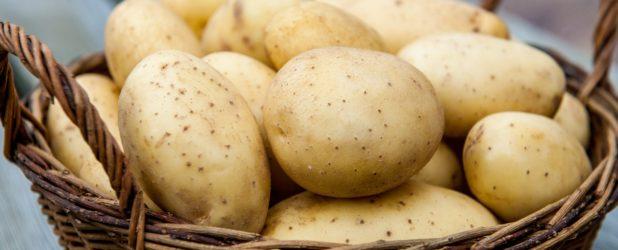
New potatoes are not mashed. They are eaten boiled with herbs and vegetable oil (olive or sunflower), baked in the oven with the skin on, fried, or stuffed with meat, cheese, or vegetables.
New potatoes baked in foil retain all their nutritional value and are served with garlic sauce, fried onions, and fresh sour cream. They are also perfect for soups, potato pancakes, and casseroles.
Today, the climate has changed significantly, and second harvests of vegetables, including potatoes, are being harvested in places never before dreamed of. Numerous varieties and agricultural techniques have emerged that make gardeners' lives much easier. Give them a try, and you're sure to succeed.

Reviews
Nikolay:
"Our whole family loves new potatoes. We've been planting two crops for about eight years now. Here near Volgograd, they ripen perfectly. And the second crop keeps better. I'm not sure how it will be further north, but it's warmer almost everywhere now. Give it a try—two crops are better than one."
Anastasia:
"We'll be planting a second potato crop this year for the third time. We tried it for two years and liked it. We live in Penza, and we dug up the potatoes on September 27th last year, when it was still warm. I treated them with Epin before planting, and didn't put them in sawdust; I'll have to try that. I especially liked how well they store and hardly sprout. We've had our fill of young potatoes over the summer, in all forms."
Related posts:
 Description of the best potato varieties of domestic and foreign selection
 Why potatoes aren't growing well in the garden, and what to do to ensure a bountiful harvest
 Description and treatment of potato diseases, methods of control using folk and chemical means
 Description of the best potato varieties for 2025, selection for regions
 Description and characteristics of the Rodrigo potato variety, cultivation and care
 Description and treatment of potato pests, control measures
 Description and characteristics of the Rocco potato variety, cultivation and care
 Description and characteristics of the Gulliver potato variety, planting and care