
- Crop selection
- Advantages and disadvantages
- Early-ripening potato Lyubava: description and characteristics of the variety
- Bush
- Root crop and yield
- Susceptibility to insects and diseases
- Resistance to temperature fluctuations and drought
- Plant germination conditions
- Climate requirements
- Required soil composition
- Suitable and unsuitable neighborhoods
- Lubava planting technique
- Deadlines
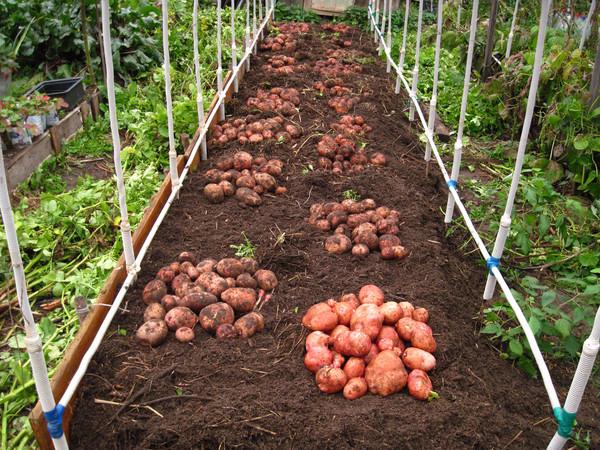
- Step-by-step algorithm for planting root crops
- We organize proper care for potato beds
- Watering and fertilizing
- Loosening and hilling
- Preventive treatments
- How to increase potato yield
- Harvesting and storage
- Reviews of vegetable growers about the variety
The Lyubava potato is one of the best varieties among its peers. Its fruits are renowned for their attractive appearance and creamy flavor. This crop requires little care and thrives in the temperate and northern latitudes of the CIS countries. Before growing, it's important to familiarize yourself with the description of the Lyubava potato variety and read photos and reviews.
Crop selection
The potato was developed by Russian plant breeders from the A.G. Lorkh State Scientific Research Institute of Potatoes. Since 2003, the variety has been listed in the state register. It immediately gained popularity among experienced and novice gardeners due to its many positive properties.
Advantages and disadvantages
Gardeners have identified a number of strengths and weaknesses of the vegetable.
| Pros | Cons |
| Marketable tubers | Weak resistance to late blight |
| The harvest survival rate is 98%. | Friability. This is a relative disadvantage. |
| Early variety | |
| General-purpose potatoes | |
| The fruits easily tolerate long-distance transportation. |
Early-ripening potato Lyubava: description and characteristics of the variety
This variety is renowned for its early ripening fruits, which ripen within two months. The Lyubava potato was originally intended for cultivation in the Urals, the North, and the Far East. It was later cultivated in various cities across Ukraine, Belarus, and Russia, and the plant thrived everywhere. It is highly disease-resistant, but is occasionally susceptible to late blight. With proper care, its protective properties are enhanced.
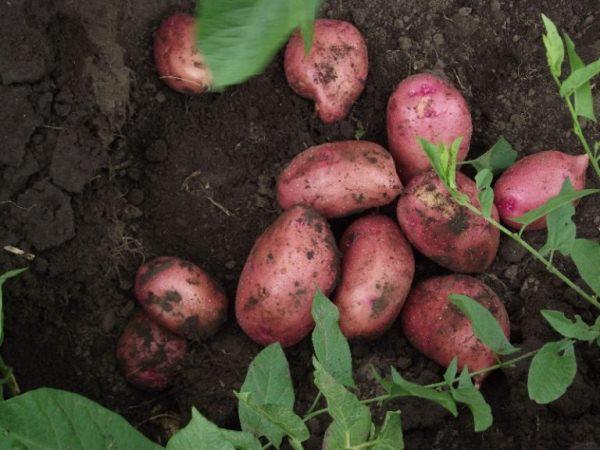
Bush
Potato plants are upright and low-growing, transforming during flowering. The inflorescences are reddish-purple, and the leaves are dark green with a wavy edge. During flowering, the potatoes also serve as ornamental plants.
Root crop and yield
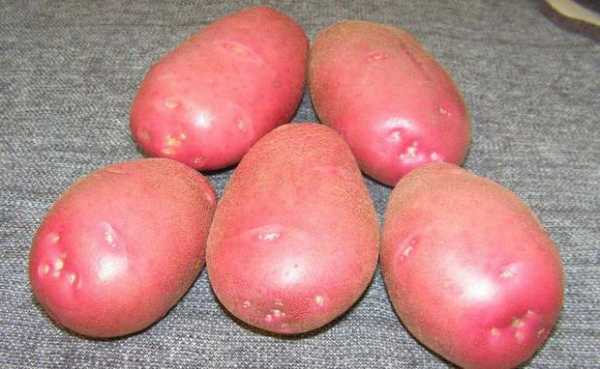
The bushes produce reddish, round fruits with a rough skin. Their average weight is about 200 grams. The flesh is white and pleasantly flavored. They contain 11-17% starch. The potatoes have high commercial quality, making them suitable for large-scale sales. One hectare can yield 350 centners. One bush produces 50 kg of fruit.
Susceptibility to insects and diseases
Potatoes are resistant to cancer and viral diseases, including Alternaria, Verticillium wilt, and Fusarium. Lyubava is sometimes susceptible to late blight, especially if overwatered or neglected. This disease affects all members of the Solanaceae family.
Resistance to temperature fluctuations and drought
Potato plants can withstand severe frosts, down to -35 degrees Celsius, as they are a northern variety. Dry periods are detrimental to the plant, but short-term droughts are not harmful.
Plant germination conditions
This vegetable crop prefers to grow in a sunny, wind-protected area with loose, fertile soil. If the bushes are exposed to frequent drafts, they won't be harmed, but the harvest will be less.
Climate requirements
Northern potato varieties thrive in continental climates. The hardy plant easily survives heavy rains and strong winds. Temperatures of 10 to 20 degrees Celsius are common. The hardy Lyubava variety is ideal for residents of northern regions, a rare trait among vegetable crops.
Required soil composition
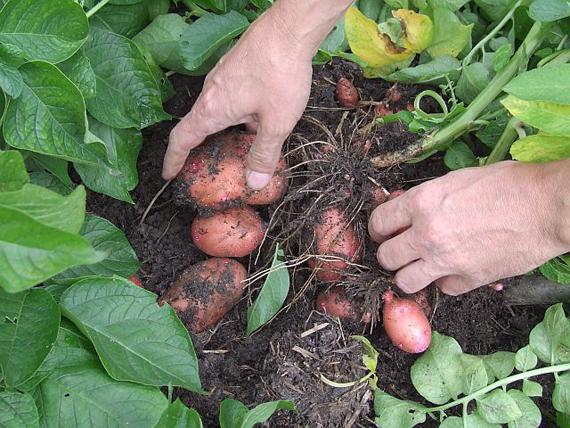
Potatoes thrive in soil rich in nitrogen. To enrich it, mineral fertilizers and organic matter are added before fall and spring plowing. These fertilizers are added to each hole before planting.
Suitable and unsuitable neighborhoods
It's best to plant potatoes in areas previously occupied by cabbage, cucumbers, and perennial herbs. Potatoes should not be grown in the same area for more than four years due to soil depletion. To enrich the soil and ensure crop rotation, they resort to planting green manure crops such as rye and mustard. Their green mass serves as a nutritious organic fertilizer.
Lubava planting technique
The potato planting method depends on the soil type. If the soil dries out quickly, the tubers should be planted in trenches to conserve moisture. In marshy areas, plant the seedlings in high ridges, up to 40 cm high. This promotes better soil drainage and prevents the rhizomes from rotting.
Deadlines
Experienced gardeners recommend planting Lyubava potatoes in late May or early June. The tubers begin sprouting 1.5 months before planting. This is done in a greenhouse, usually in February.
Step-by-step algorithm for planting root crops
To get a decent potato harvest, you need to plant it according to the advice below.
- Two weeks before planting, dig up the soil and level it with a rake.
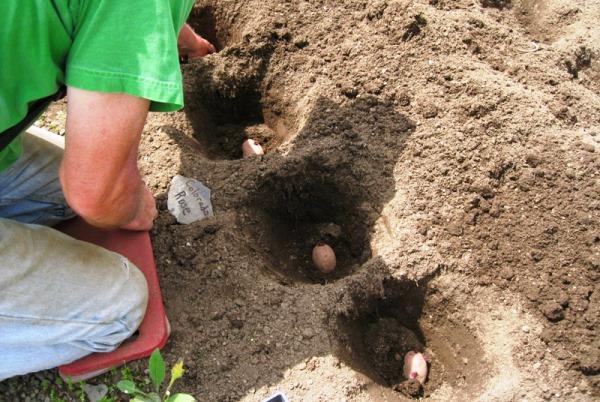
- Dig holes 3-5 days before planting, 10 cm deep. The pattern should be 35 x 75 cm.
- Before placing the tuber in the holes, add 250 g of ash and humus.
- Place the seedlings with the sprouts facing up and cover with soil.
If all conditions are met, the harvest will be abundant and the fruits will be of high quality.
We organize proper care for potato beds
Caring for the Lyubava potato is not difficult; all that is required is timely watering, loosening the soil, and applying fertilizer.
Additionally, the bushes are treated against harmful bugs and diseases.
Watering and fertilizing
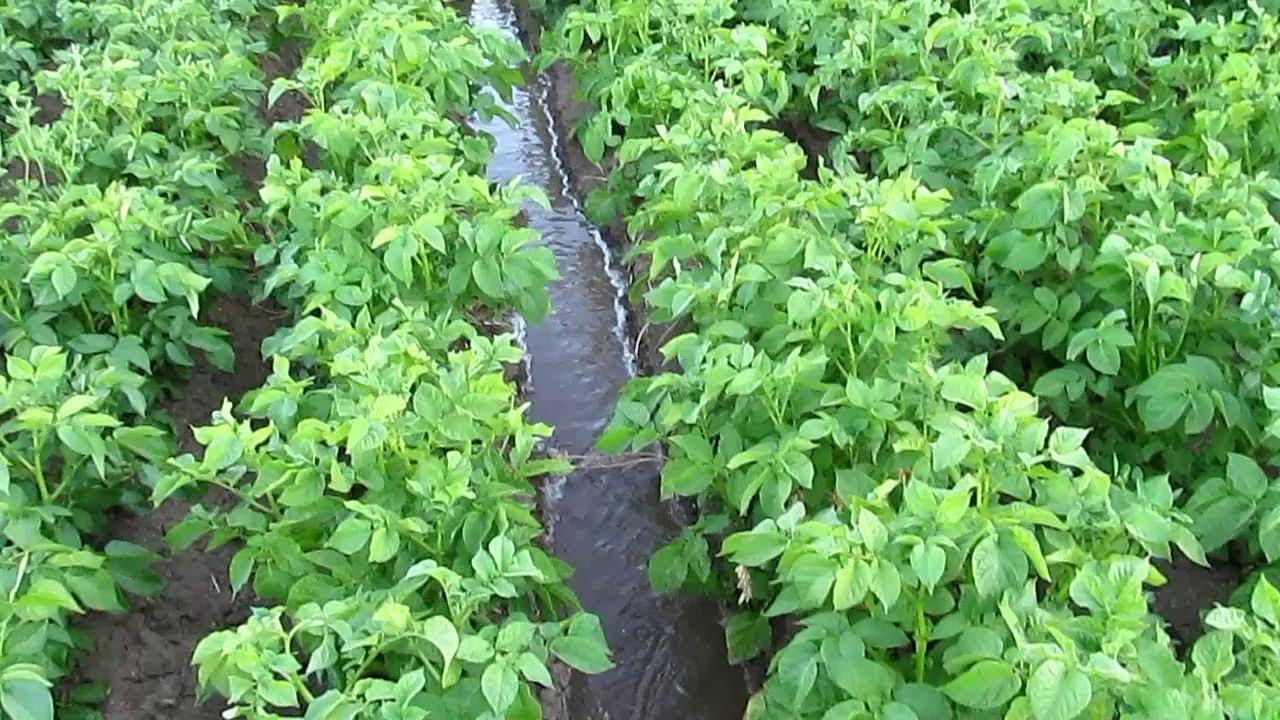
Irrigation is necessary for potatoes, since the crop loves moisture.
- Watering is carried out for the first time after the tops have grown by 15 cm. The bushes cannot be watered earlier.
- The second watering is carried out when the first flowers have formed on the tops.
- The third irrigation is done after the flowers disappear.
If the season is characterized by rare precipitation, increase the frequency of watering.
Potato plants should be fertilized 2-3 times during the growing season. Follow this nutrient application schedule:
- during the formation of tops;
- during budding;
- 3 weeks before harvesting.
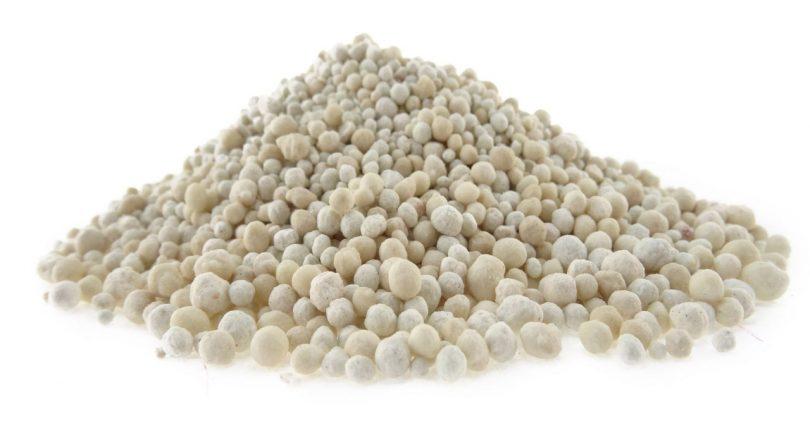
The first fertilization is necessary when potato growth slows. Thin stems and pale green foliage indicate this need. For top dressing, prepare a nitrogen-rich solution. Natural substances, such as bird droppings and manure, are preferred. A second treatment is carried out with a complex solution containing 15 g of potassium sulfate and 30 g of superphosphate per 10 liters of water. The plants are sprayed with the solution under the rhizome. This treatment stimulates tuber formation, improves their taste and shelf life.
Fertilization with phosphorus and potassium is repeated after flowering, before harvesting.
Loosening and hilling
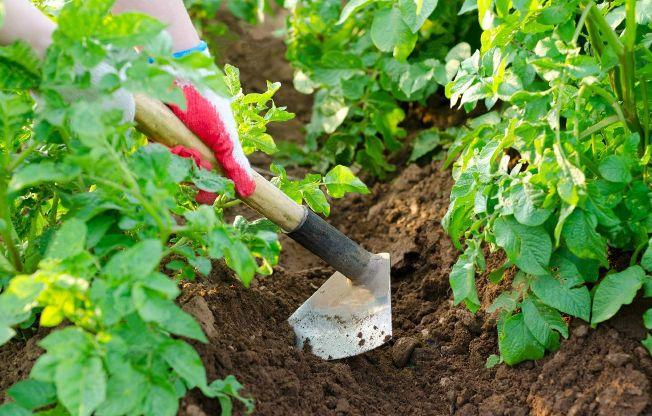
Loosening the soil removes weeds and oxygenates the soil. Weeding should be done the following day after watering and heavy rainfall to prevent crusting. Use a hoe to dig to a depth of 5 cm.
Hilling keeps the tops from touching the ground and protects them from drying out prematurely.
The soil begins to breathe, which improves the quality of the harvest. The final step is to clean the area. Weeds that inhibit potato growth are removed. The potato plants are hilled twice per season. The first time, when the tops reach 20 cm, is done. The second time, as the green part grows, is done two weeks after the first hilling.
Preventive treatments
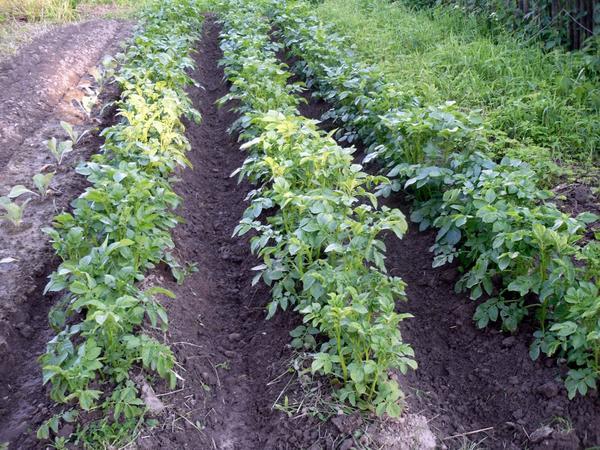
Preventive measures help protect potato bushes from attacks by harmful beetles and diseases.
- Scab prevention involves carefully selecting seedlings. They must be healthy and treated with fungicides.
- Compliance with crop rotation rules.
- Mulching bushes.
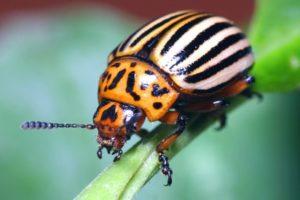
Sometimes potatoes are attacked by Colorado potato beetles. They can be controlled with insecticides or folk remedies such as vodka or soap solution. You can also collect the insects by hand in a jar and then destroy them.
How to increase potato yield
In the South, you can get a double harvest of Lyubava potatoes. To do this, follow these rules:
- plant seedlings in March, then by May there will be a ready harvest;
- Plant additional bushes in June, and the fruit will be harvested in September.
It's best to plant a second potato crop after greens and radishes. When space is limited and the plants are being replanted in the same spot, pay attention to fertilization. The tubers from previous harvests have already absorbed nutrients, leaving the soil poor. When planting, add compost to the holes, mixing it with soil at a 1:1 ratio.
Harvesting and storage
Lyubava potatoes are harvested in late July if planted in May. As the tubers ripen, the tops turn yellow and lie flat. A week before digging, stop watering and cut the tops back to 15 cm above the ground. This allows the potatoes to fully ripen and the skins to firm up.
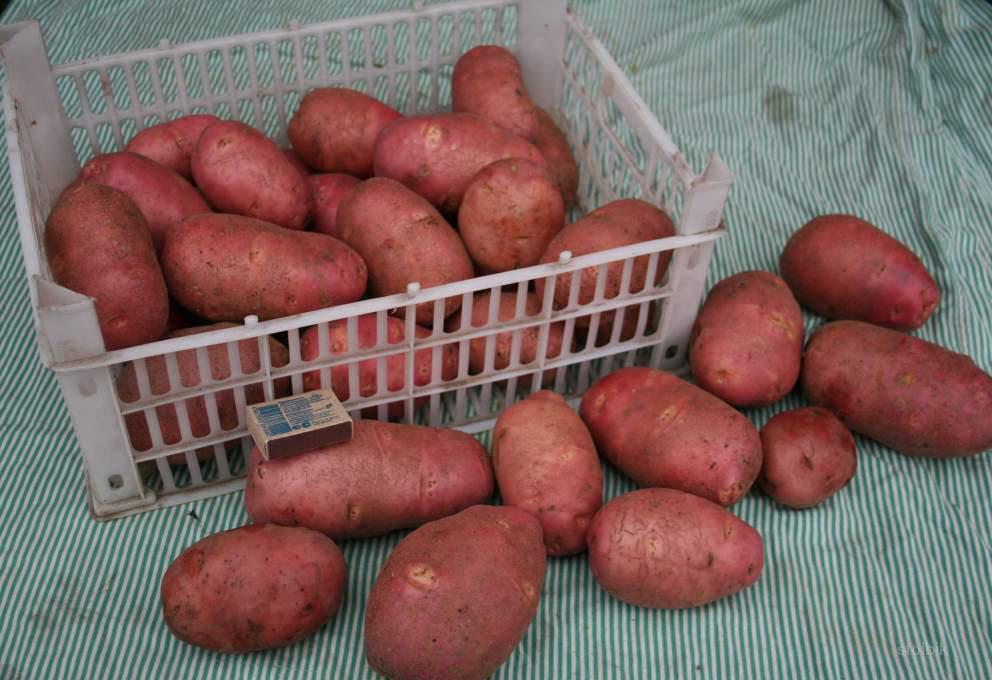
Potatoes store well without sprouting. Their good resistance to damage allows for mechanical harvesting.
It should be stored in a basement or cellar, where the air temperature does not rise more than 15 degrees.
Reviews of vegetable growers about the variety
Gardeners' reviews of the Lyubava potato will help you make your choice.
Rostislav Agafyev, 70 years old, Kamyshin.
Hello! I've been growing Lyubava potatoes for over six years and recommend them to everyone due to their high-quality fruit and quick ripening. The potatoes were attacked by Colorado potato beetles, but I used insecticides and harvested them by hand. I haven't had any further problems.
Viktor Onufrienko, 56 years old, Zaporizhzhia.
Hello everyone! I've grown the Lyubava potato in my garden since the spring of 2006. The harvest is always abundant, sometimes even twice a year. I use the potatoes for personal use, including cooking.
Polina Alekseeva, 45 years old, Krasnogorsk.
Hello everyone! I sell vegetables and have been growing Lyubava potatoes for about 10 years. The harvest is large, about 300 kg per garden. They sell well, and customers praise the variety.
Related posts:
 Description of the best potato varieties of domestic and foreign selection
 Description and characteristics of the Rodrigo potato variety, cultivation and care
 Why potatoes aren't growing well in the garden, and what to do to ensure a bountiful harvest
 Description and characteristics of the Krasavchik potato variety, planting and care
 Description and characteristics of the Gulliver potato variety, planting and care
 Description and treatment of potato diseases, methods of control using folk and chemical means
 Description and characteristics of the Zhukovsky potato variety, planting and care
 Description and characteristics of the Rocco potato variety, cultivation and care