
- Description of the Ilyinsky potato
- History of the variety
- Appearance of the bush and root crop
- Taste qualities and scope of application of potatoes
- Growing regions
- Susceptibility to diseases and pests
- Necessary conditions for the growth and fruiting of the crop
- Landing
- Deadlines
- Preparing the site and planting material
- Planting pattern and depth
- Care
- Irrigation
- Fertilizing
- Loosening and mulching the soil
- Hilling
- Processing potato bushes
- Harvesting and storage
- Gardeners' reviews of the Ilyinsky variety
The Ilyinsky potato is a mid-season variety, and according to descriptions and reviews, it has excellent flavor. It's easy to care for and thrives in any soil and climate. Its yield is average, but it's offset by the tuber's attractive appearance and flavor.
Description of the Ilyinsky potato
The description of the Ilyinsky potato includes the history of its origin, the appearance of the bushes and tubers, its taste and the scope of its application.
History of the variety
The Ilyinsky variety was developed by a group of Russian breeders in the 1990s. It was added to the Russian state register in 1999. The A.G. Lorkh Institute of Potato Farming led the development of the variety. Cultivation trials of the Ilyinsky variety were conducted in the Moscow region. It is intended for cultivation in temperate regions.
Appearance of the bush and root crop
The potato plants are medium-tall, with spreading foliage and serrated edges. The stems are dense and light green. Flowering occurs in the first half of the growing season, producing blue-violet flowers with a yellow center. The growing season lasts 70–90 days. This is a mid-season variety.
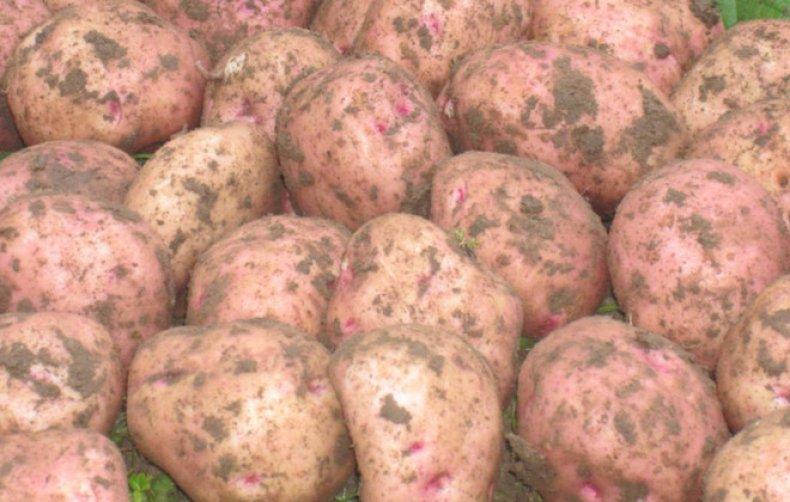
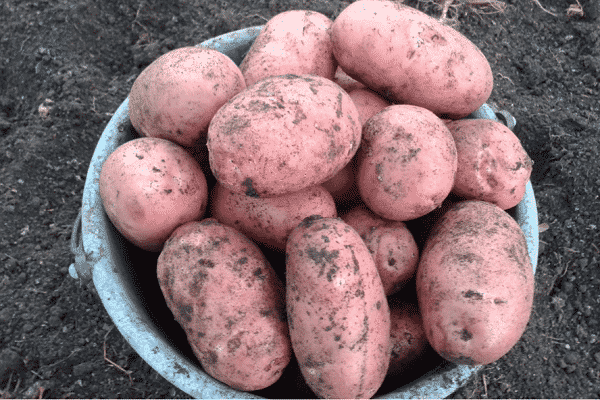
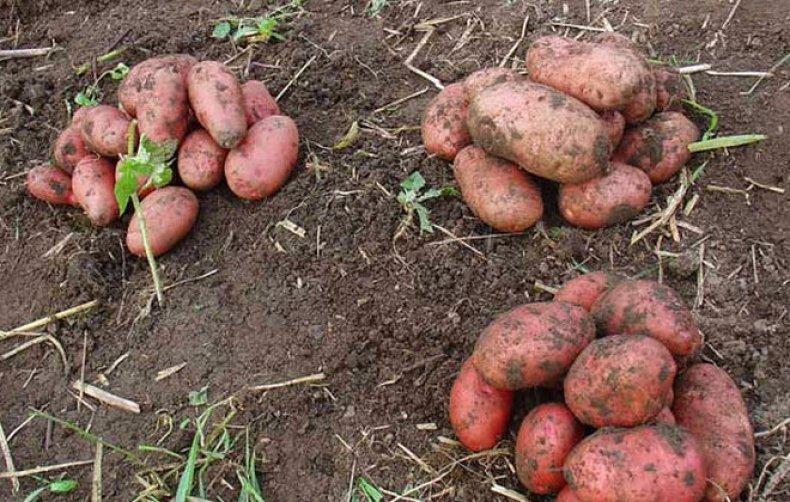
The tubers weigh between 90 and 120 grams and are covered in a brownish-red skin. The skin contains red eyes, 2–3 mm deep. The flesh is white and softens slightly when cooked but retains its shape. The tubers are round or slightly elongated.
Taste qualities and scope of application of potatoes
The potato contains 15–18% starch. It has excellent flavor and is suitable for crispy potatoes, French fries, salads, and frying. The Ilyinsky variety is grown commercially, commercially, and in private plots.
Growing regions
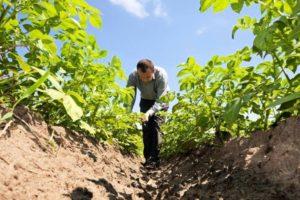
The Ilyinsky potato is suitable for growing in temperate regions. It thrives in the south, but produces a late and low yield in the north. Most of it is grown in the Middle Volga and Central Black Earth regions of the country.
Susceptibility to diseases and pests
Potatoes have strong immunity to potato blight and potato cancer. However, the tops are susceptible to nematode infestation and late blight. In addition to these diseases, the bushes are also susceptible to:
- blackleg;
- Rhizoctonia;
- fusarium;
- Alternaria;
Important! Infection occurs in adverse weather conditions and high humidity.
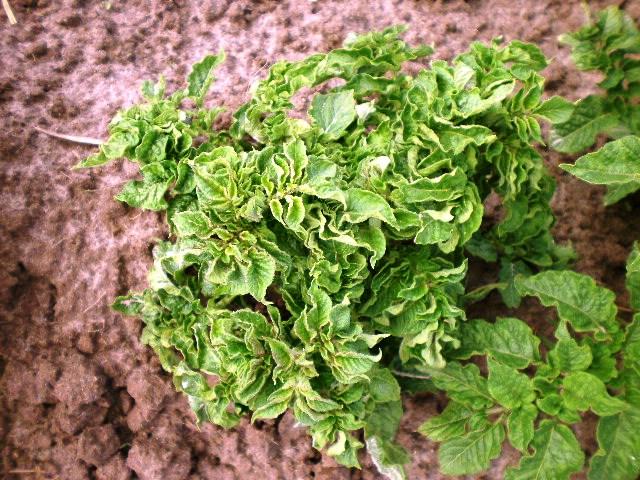 Fungicides are used to combat infections; treatment is carried out when signs of disease appear. All affected parts of the foliage are removed beforehand.
Of the pests - insects, the most common attacks are:
- Colorado beetle;
- wireworm;
- mole cricket;
- black aphids.
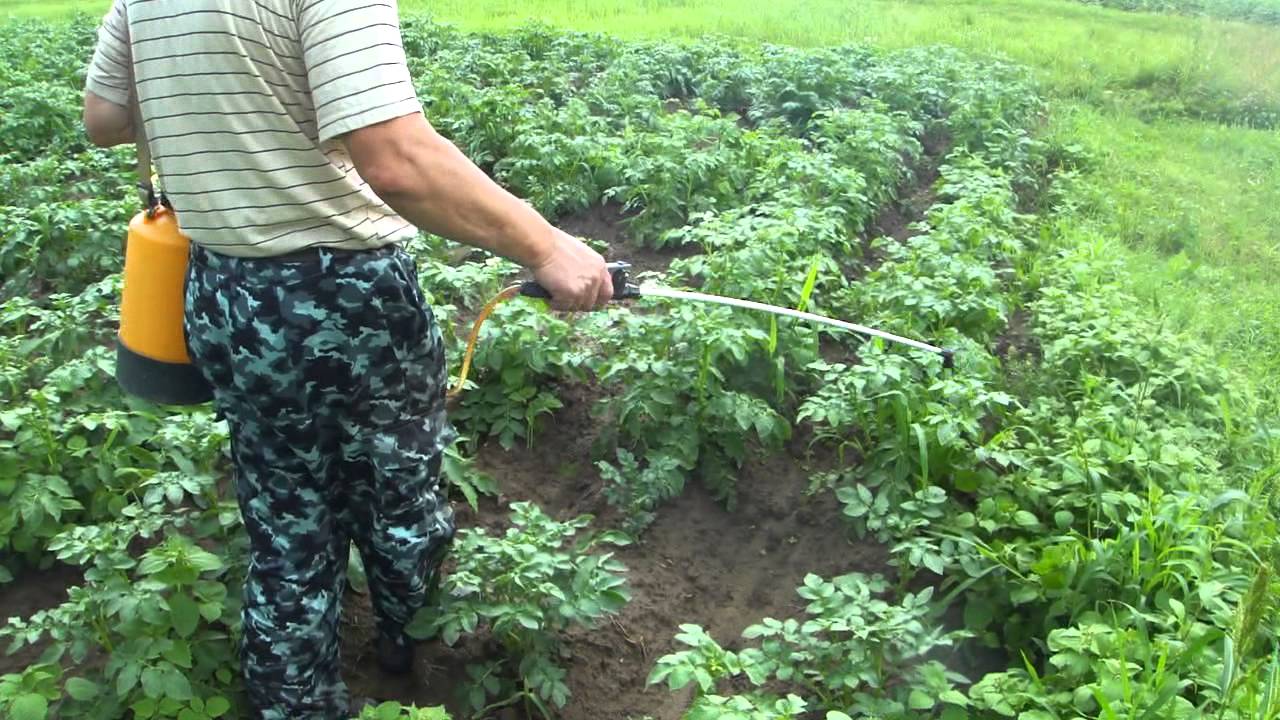
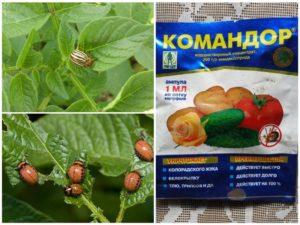
When insects appear, plants are sprayed with insecticides. Broad-spectrum products are best. They maintain a long-lasting effect and prevent further pests from entering. Spraying is carried out 2-3 times per season. All chemical treatments are discontinued 20 days before harvest.
Necessary conditions for the growth and fruiting of the crop
For the Ilyinsky potato to successfully develop and bear fruit, certain conditions must be met:
- For planting, choose a well-lit place.
- Soil preparation begins in the fall.
- The soil in the bed should be light, dry and loose.
- For clay soils, it is necessary to first add sand and use drainage material.
- Seeds are purchased from trusted sellers; they must be healthy, without dark spots, cracks, or damage.
- Potatoes prefer soil with moderate acidity.
Landing
Planting of seed material is carried out after preparing the soil and seeds, observing the planting dates for each region.
Deadlines
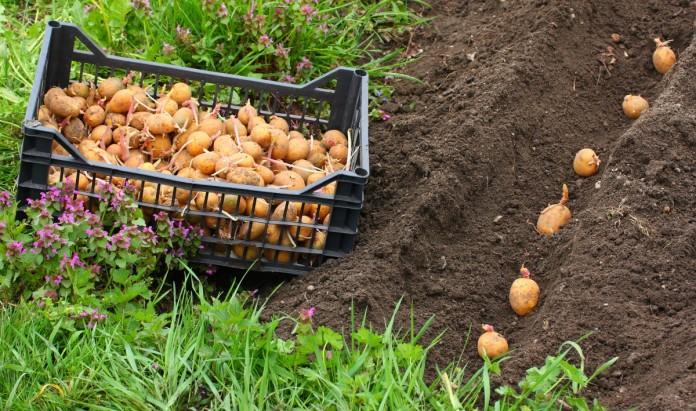
Seeds are sown in May. In temperate regions, this period occurs in mid-May, in the south – in early May, and in the north – in late May. At the time of sowing, the soil should warm to 10°C at a depth of 10 cm.
Preparing the site and planting material
Soil preparation begins in the fall. A suitable site is selected, dug over, and weeds, roots, and stones are removed. Organic fertilizers are added in the form of:
- wood ash;
- manure;
- chicken manure;
- compost;
- herbal decoctions.
In spring, the digging is repeated and mineral fertilizers containing nitrogen, phosphorus, potassium, manganese and other elements are added.
The planting material is prepared two weeks before transplanting. The tubers are placed in a lighted and ventilated area and laid out in an even layer. Every two to three days, they are turned over and sprayed with water.
Planting pattern and depth
Planting beds are formed in the plot. The distance between plants should be 25-30 cm, and between beds 50 cm. The tubers are planted deeper depending on the soil structure. In loose soils, the tubers are planted to a depth of 15 cm, in loamy soils to 10 cm, and in heavy soils to 5 cm. Planting is carried out according to the following algorithm:
- Holes are formed in the beds.
- Pour 300 ml of warm water into each hole.
- The seed material is kept in a solution of potassium permanganate for 30 minutes.
- The tubers are laid out in the holes.
- They bury it in the ground.
- The soil on top is leveled with a rake.
Care
To prevent infection and obtain a healthy and rich harvest, it is necessary to follow the rules for caring for the crop.
Irrigation
Water the plants three times per season. Use 3 liters of water per plant, allowing it to settle beforehand. The first watering occurs when the sprouts reach 15–20 cm in height, the second during flowering, and the third after flowering has completed.
Fertilizing
Fertilizing is combined with watering. Mineral fertilizers containing nitrogen, phosphorus, and potassium are applied. Fertilize the crop according to the instructions. Too frequent fertilizing can cause excess minerals in the soil, leading to plant death.
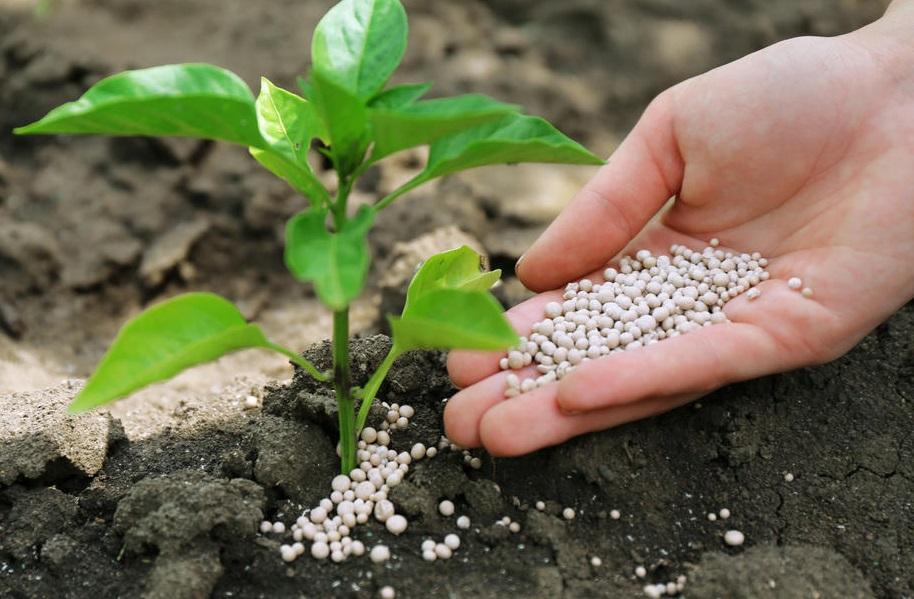 Important! Water first, then apply fertilizer.
Loosening and mulching the soil
Loosen the soil after each watering and rain, when the top layers have dried slightly. This procedure prevents the formation of soil crusts, which block moisture from reaching the roots.
Mulching bushes helps retain water near the root system, improves tuber formation, and prevents infection.
Wood shavings, straw, and dry grass without roots are used. The entire potato bed is filled with an even layer of mulch.
Hilling
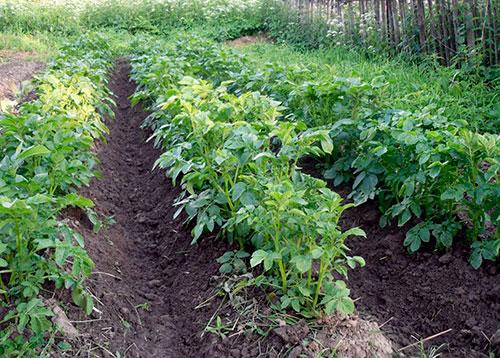
Hilling ensures additional tuber formation. The first hilling is done when the sprouts reach 15-20 cm in height, the second hilling is done two weeks later, and the third hilling is done three weeks later. The bushes are covered so that two to three pairs of leaves remain on top.
Processing potato bushes
To prevent infections and insect attacks, preventative treatments with insecticides and fungicides are recommended. Spraying should be done at the beginning of the growing season, when the shoots reach 20 cm. All treatments should be completed 20 days before harvest.
Harvesting and storage
Harvesting begins 70 to 90 days after planting. By this time, the tops have blackened and dried out, and the tubers are easily separated. Dig the potatoes with a shovel. The harvested crop is transferred to a dark, ventilated area. The tubers are spread in an even layer on racks and floor mats. They are left to dry for 1 to 2 weeks. The finished roots are packaged in cloth bags or breathable boxes.
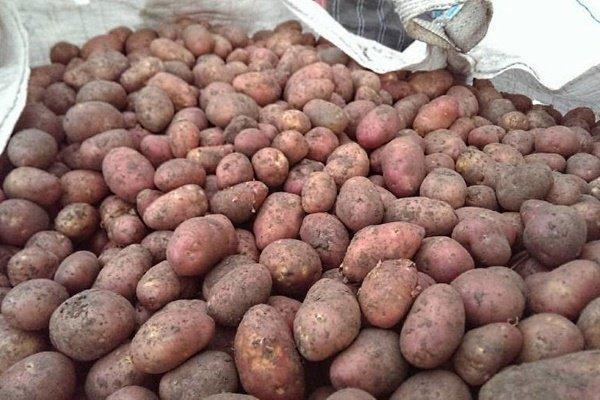
Store the harvest in a cool, dark place. Ilyinsky potatoes retain their appearance until the beginning of the next season.
Important! The strongest and largest tubers are left as seed material for next year.
Gardeners' reviews of the Ilyinsky variety
Yuri, 59 years old, Khabarovsk
Ilyinsky grew potatoes in the early 2000s. I'd just bought a plot of land and was trying to plant potatoes for the first time. A neighbor shared some seeds with me. I knew little about growing potatoes back then. I harvested them at the end of summer; the tubers were quite large, but there weren't many on each plant, about 6-8 per plant. At the time, I was pleased with the result.
Lyudmila, 63 years old, Kemerovo
This year, I tried growing the Ilyinsky potato variety. I planted it according to all the rules. The summer was rainy, and some of the plants were infected with late blight. I fought it as best I could. I was surprised to see that the crop was unharmed. I dug up 8-10 roots from each plant.
Veronica, 31 years old, St. Petersburg
We've been growing the Ilyinsky potato variety for two years now. It doesn't produce a high yield, but we really like the taste of the tubers. We use it to make French fries, fry, and bake. Everything turns out delicious. This variety is easy to care for and is suitable for gardening novices.
Related posts:
 Description of the best potato varieties of domestic and foreign selection
 Description and treatment of potato diseases, methods of control using folk and chemical means
 Why potatoes aren't growing well in the garden, and what to do to ensure a bountiful harvest
 Description and characteristics of the Rodrigo potato variety, cultivation and care
 Description of the best potato varieties for 2025, selection for regions
 Description and characteristics of the Gulliver potato variety, planting and care
 Description and characteristics of the Bellarosa potato variety, planting and care
 Description and characteristics of the Zhukovsky potato variety, planting and care