
- Description of the Rocco potato variety
- Characteristics of potatoes
- Pros and cons
- Growing the variety
- Landing time
- Soil preparation
- Preparing tubers for planting
- Landing
- The intricacies of potato care
- Watering
- Hilling
- Top dressing
- Protecting Rocco from diseases and pests
- Harvesting and storage
- Reviews from experienced gardeners
The Rocco potato variety is one of the most popular vegetable crops. It is renowned for its abundant harvest, delicious fruit, and ease of care. Originally from Holland, it has been grown by gardeners in the CIS countries for over 15 years. To successfully grow these potato plants, it's important to understand all the nuances.
Description of the Rocco potato variety
The Rocco potato variety was developed by Dutch breeders. Its unique properties quickly earned it worldwide recognition. The variety is suitable for growing commercially or for personal consumption. About 95% of the harvest is quickly sold out. The fruits are renowned for their attractive appearance. This late-ripening variety potato ripening period The ripening period begins 150 days after planting. The plant grows in any weather and thrives in northern, southern, and temperate latitudes. The bushes easily tolerate both dry periods and rain.
- The plant is erect, reaching 50 cm in height.
- The leaves are small, with a serrated edge.
- Flowers are burgundy-lilac.
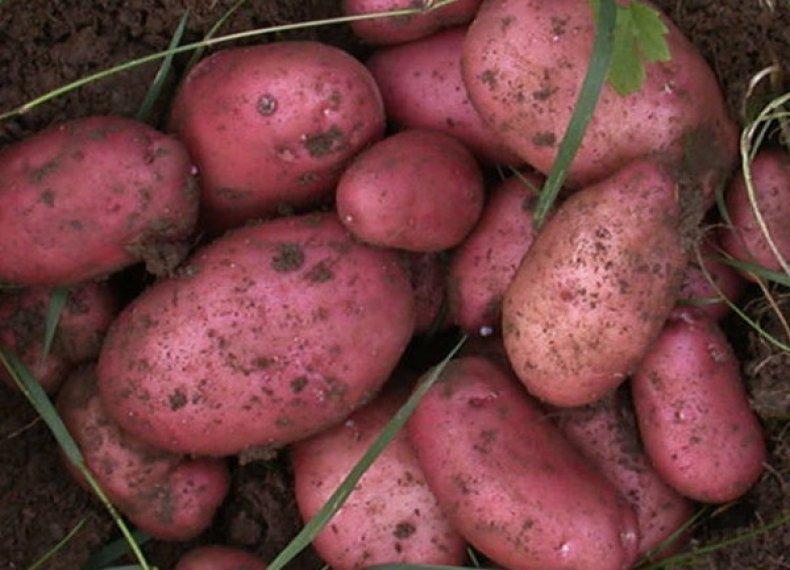
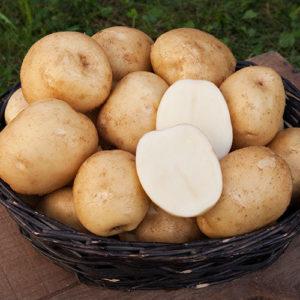
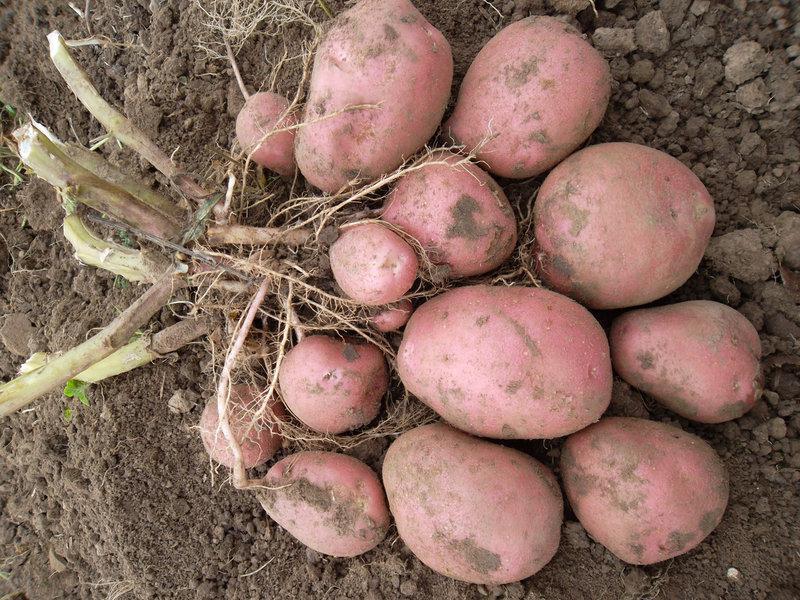
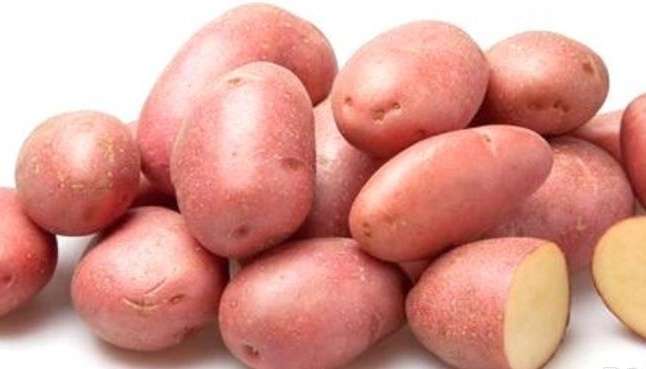
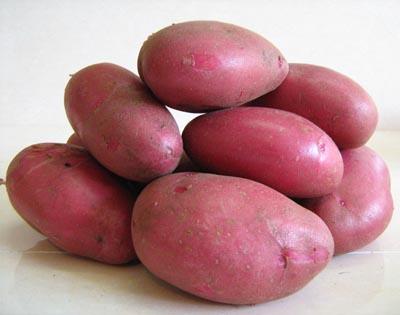
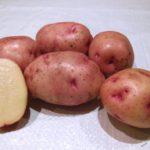
- The tubers are round, elongated, and smooth in structure.
- The pulp is tender, beige in color.
- The skin is thin, with slight pigmentation, pinkish in color.
The Rocco potato variety may not flower. Sometimes, no flowers are observed at all throughout the entire growing season. During this period, tubers are actively forming.
Characteristics of potatoes
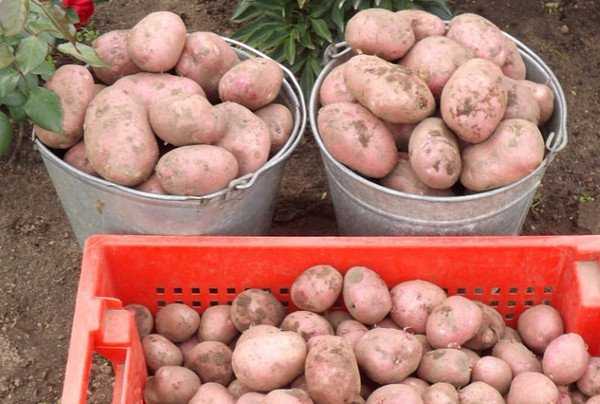
This high-yielding potato is prized for its stability. One hectare can yield 350 to 400 centners of vegetables. The maximum harvest is up to 600 centners. One bush produces 6-12 tubers, weighing up to 120 grams. One plant yields 1.5 kg of potatoes. The vegetables easily withstand long-distance transportation. This variety is widely sold in markets, supermarkets, and private businesses.
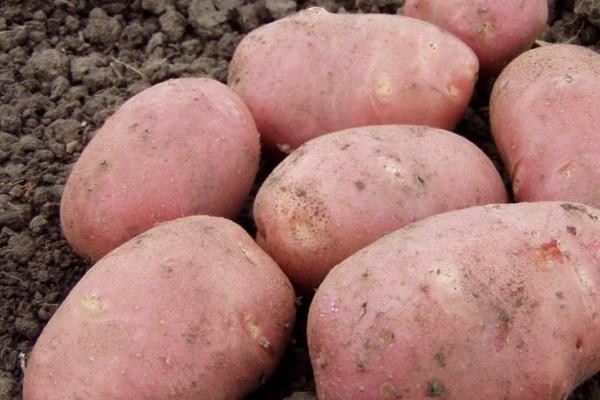
In cool conditions, the vegetables can be stored for up to 5 months. This is a table potato variety with excellent flavor. The fruits contain 12-16% starch. When cooked, the flesh changes color. Potatoes are used to make mashed potatoes, stews, entrees, casseroles, fried, and boiled. They can also be used to make deep-fried potatoes, balls, and chips. Eating the flowers and stems of the bush is prohibited, as they contain harmful components that can cause poisoning.
Pros and cons
Gardeners have identified numerous positive traits in the Rocco potato. There are no significant drawbacks, but these can be considered subjective.
| Pros | Cons |
| Excellent taste of fruits | The shelf life is 89% |
| Drought resistance | |
| Stable harvest | |
| The product quality is high, around 99% | |
| High resistance to golden nematode |
Growing the variety
Even inexperienced gardeners can grow Rocco potatoes. Just keep the following points in mind.
- Before planting, the tubers are taken out into the open air in pots so that the eyes can hatch.
- The plant is treated with Bordeaux mixture or a potassium permanganate solution. This procedure helps prevent the development of fungal diseases. A small amount of stove ash is added to each hole to increase the starchiness of the tuber.
- Before tilling the soil, add black soil. Potatoes prefer loamy, soddy, or sandy soil. In acidic and compacted soil, yield decreases, and established tubers may become deformed.

Rocco potatoes need moisture and should be watered regularly, especially during drought.
Landing time
Planting should be done in late March or early April. In the south, planting is done in early spring, when the air temperature remains around 10 degrees Celsius and the soil warms up. In northern and middle latitudes, it's best to postpone planting until April to avoid night frosts.
Soil preparation
Rocco quickly adapts to various weather conditions but prefers fertile soil. To prevent damage to the tubers, the soil should be loosened before planting. The site should be level, clear of weeds, and free of snow and rainwater. Site preparation begins in the fall. At deep flush, add humus, wood ash, and peat to improve soil structure. Potatoes can be purchased from nurseries or grown at home. Only the healthiest potatoes, free of mechanical deformations, are selected for planting.
Preparing tubers for planting
Before planting, the tubers are left in full sun for 2-3 days to green up. A month before planting, the potatoes are lifted from the cellar to germinate. They are sorted and placed in 2-3 layers in boxes. For the first two weeks, the tubers are stored at a temperature of 18 degrees Celsius (64 degrees Fahrenheit). Afterward, the temperature should reach 12 degrees Celsius (55 degrees Fahrenheit). The roots are treated with copper sulfate, boric acid, and potassium permanganate. Special preparations such as Epina are also available.
Landing
There are several methods for planting potatoes in open ground:
- trench planting;
- smooth landing;
- ridge planting.
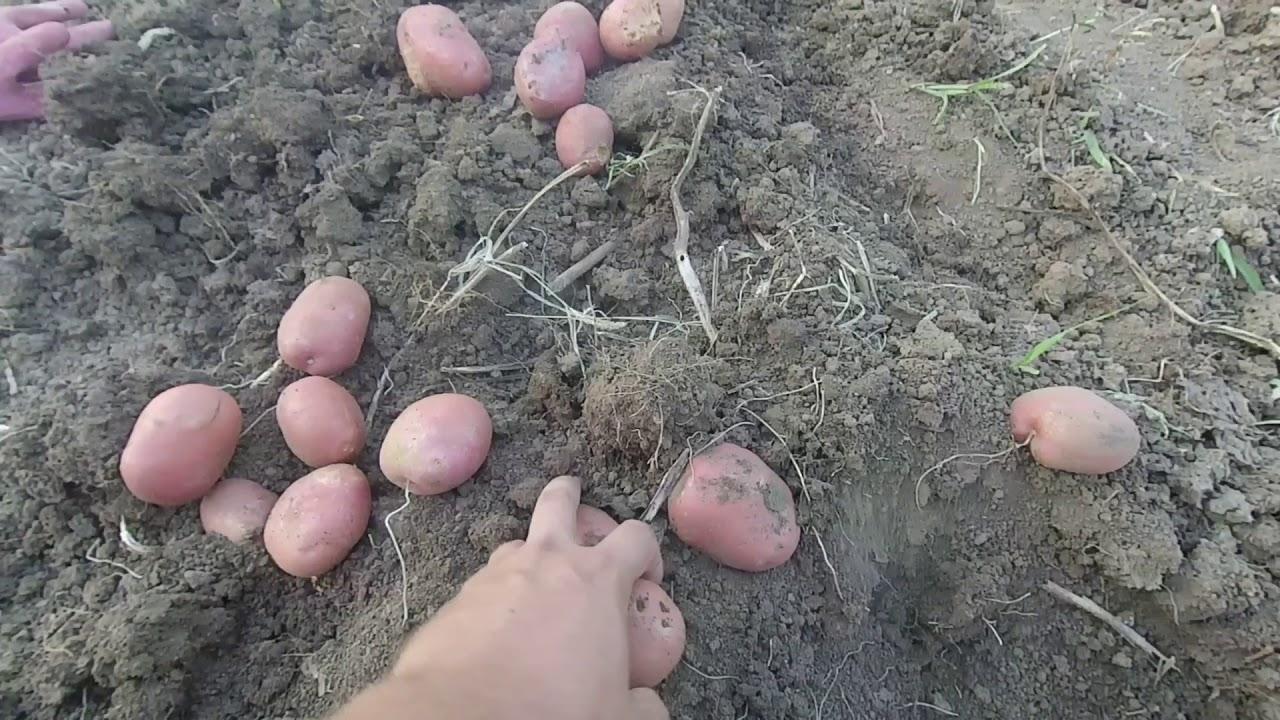
In the first case, the vegetable's susceptibility to rot and weather conditions are taken into account. If the area experiences frequent heavy rainfall, the ridge planting method is chosen. The trench method involves planting tubers between rows and covering them with soil from the rows. Raised-bed planting involves planting in rows formed by hilling. This technique is used if the plot accumulates a large amount of moisture from rain or a nearby body of water.
To prevent potatoes from rotting due to high humidity, they are raised above soil level.
Potatoes treated with growth stimulants, Colorado beetle and disease control agents are placed in trenches with a handful of wood ash at the bottom. In heavy soil, the tubers are planted 4-6 cm deep; in light soil, up to 10 cm. In ridges, the potato planting depth should increase to 8 and 11 cm. It's best to plant tubers with sprouts 1-1.3 cm long.
The intricacies of potato care
Taking care of Rocco is easy, just follow these steps:
- water the bushes in a timely manner and hill them up;
- fertilize the crop;
- treated against diseases and harmful bugs.
Proper care is the key to a rich harvest and marketable appearance of fruits.
Watering
Rocco potatoes are moisture-loving, so it's important to water them regularly with settled water. Water 3-4 times a week. To retain moisture in the soil for a long time, mulch.

Hilling
Potatoes must be hilled, this helps to increase the yield by 30%. The effect is achieved through the formation of additional stolons. The soil is also loosened, oxygenated, and the area is cleared of weeds. The bushes are hilled twice: before flowering and after the tops have grown approximately 20 cm.
Top dressing
To get a good harvest, the soil must be properly nourished. This is done in the fall, after harvesting and clearing the area of weeds. Prior to this, the soil is loosened. Organic matter and saltpeter are widely used. Potassium fertilizers help preserve harvested vegetables for a long time.
Protecting Rocco from diseases and pests
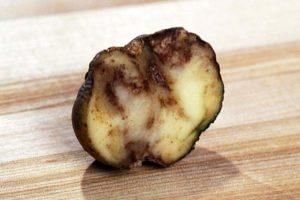
Potatoes are resistant to harmful bugs and diseases, but they are sometimes affected by late blight. Controlling this disease is difficult and painstaking. To prevent it, the following measures are used:
- carefully inspect the potatoes after removing them from the ground and remove any damaged ones;
- the harvest is dried and sorted before being stored;
- maintain optimal temperature and humidity in the place where vegetables are stored;
- tubers affected by diseases or insects are burned;
- before planting, treat the soil with copper sulfate in the form of a 1-3% solution;
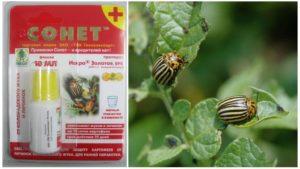
- The crop is sprayed at the seedling stage and when it reaches 20 cm of growth with fungicides such as Arcedil, Oxyhomom, Ridomil Gold MC.
If signs of late blight are noticed on the foliage (darkening, rotting, or stem damage), the affected areas should be removed immediately. The potatoes should be treated with fungicides. The treatment should be repeated after 10 days.
Harvesting and storage
The harvest is in the fall. Harvest on time to prevent the vegetables from rotting. Ripeness is determined by monitoring the tops. When the tops dry out, the tubers are actively growing, and the harvest is ready. Potatoes are dug up in late August and continue through the second ten days of September. Before harvesting, remove dry tops to prevent infection. After digging, the vegetables are spread out in a single layer on a flat surface to dry.
Once the potatoes have dried, they are placed in wooden boxes or nets. A couple of them are left as seed for next year.
The vegetable survives transportation well and can be stored for up to 5 months. Prepare wooden boxes or nylon nets in advance. Make slits in the boxes and store them in cellars or basements. For optimal storage, the air temperature should be up to 18 degrees Celsius, with minimal humidity. The variety tolerates long-distance transport well.
Reviews from experienced gardeners
Dmitry Petrovich 51 years old Tula
I can only speak positively about the Rocco potato variety. There are virtually no negative aspects. It's easy to grow and requires little time or money. It's rarely attacked by late blight, which can be treated with fungicides. My harvest is always reliable, and the fruit is marketable.
Tamara 64 years old Krasnodar region
Of all the potato varieties, this Dutchman was the best fit for us. It's heat-resistant and produces a consistent and large yield, although it takes a little longer to ripen. The potatoes themselves are perfect for eating, selling, or even taking to exhibitions; I highly recommend them.
Related posts:
 Description of the best potato varieties of domestic and foreign selection
 Description and treatment of potato diseases, methods of control using folk and chemical means
 Description and characteristics of the Rodrigo potato variety, cultivation and care
 Why potatoes aren't growing well in the garden, and what to do to ensure a bountiful harvest
 Description of the best potato varieties for 2025, selection for regions
 Description and treatment of potato pests, control measures
 Description and characteristics of the Bellarosa potato variety, planting and care
 Description and characteristics of the Zhukovsky potato variety, planting and care