- What is this?
- Causes and sources of infection
- Who is the causative agent of potato cancer?
- Symptoms of the disease: appearance of the affected plant
- What is the threat of the disease?
- For a person
- For the harvest
- Methods of combating the disease
- Agricultural technology
- Chemistry
- How to prevent reinfection
- Potato varieties resistant to disease
One of the most dangerous diseases affecting tubers is called potato cancer. Infected potatoes not only become unattractive but also completely unfit for consumption. It's important to know the signs of the disease and how to protect potatoes from its spread.
What is this?
Potato cancer is a dangerous fungal disease of a quarantine nature.The disease is widespread in many regions where potato cultivation is widespread, with the exception of the north and south. This is due to the fungus's inability to tolerate frost, heat, and drought. Eighteen pathotypes of the disease have been identified, but most are not found outside of Central Europe. Cases of infection are rare in New Zealand, Asia, North and South America, and Africa.
Causes and sources of infection
There are several ways in which pathogenic fungi can penetrate into areas where potatoes are grown:
- use of infected potato tubers as planting material;
- spring melt water;
- tools that were used in the quarantine zone;
- manure from animals that fed on raw potato tubers.
In addition, the pathogen is carried by earthworms.
The following factors can provoke infection:
- small crop rotation;
- insufficient fertilization of the soil before planting;
- cultivation of varieties that are not resistant to the disease;
- unknown or questionable origin of the seeds used for sowing.
Who is the causative agent of potato cancer?
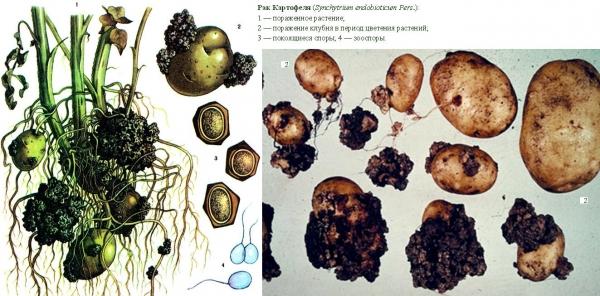
The disease is caused by the pathogenic fungus Synchytrium spp. It is a parasite that attacks all parts of the plant except the roots. The fungus was first identified in 1888 in the Slovak village of Hornany. According to the prevailing theory, it was brought to Europe from Peru via infected planting material.
The first description of the pathogenic fungus was presented by Professor Karl Schilbersky in 1896.
In Russia, the first potato infection with Synchytrium spp. was discovered in the 1940s in the Leningrad region. The infected plot of land covered almost one and a half hectares. The pathogenic fungus is highly resilient and can persist in the soil for up to twenty years. Therefore, potatoes should not be grown in areas where the infection has been detected.
Take a look Also
Symptoms of the disease: appearance of the affected plant
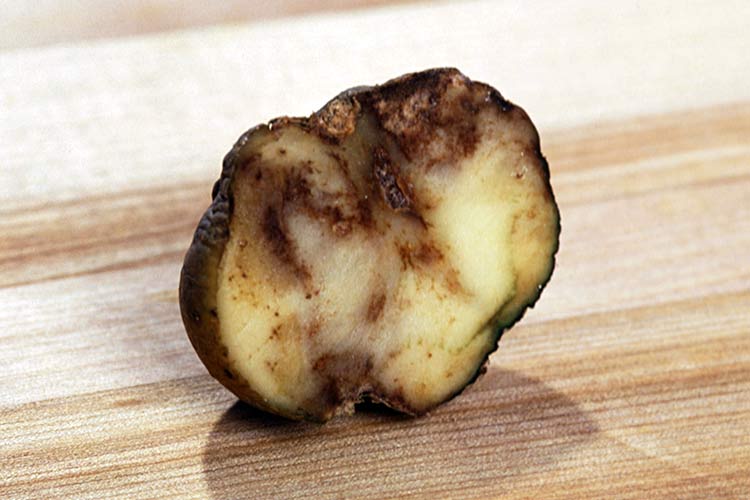
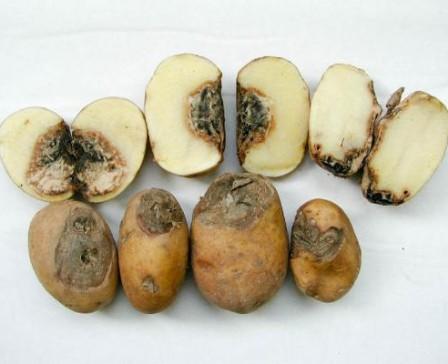
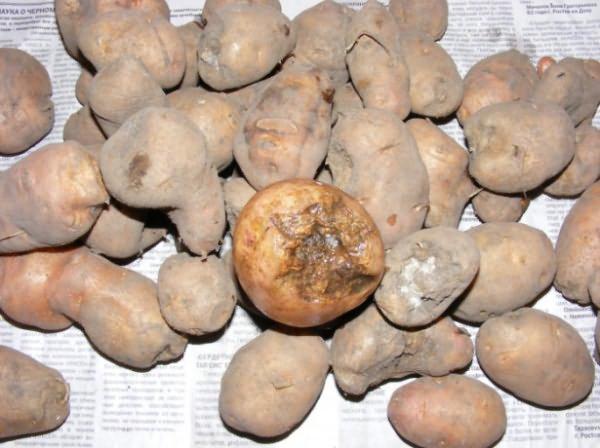
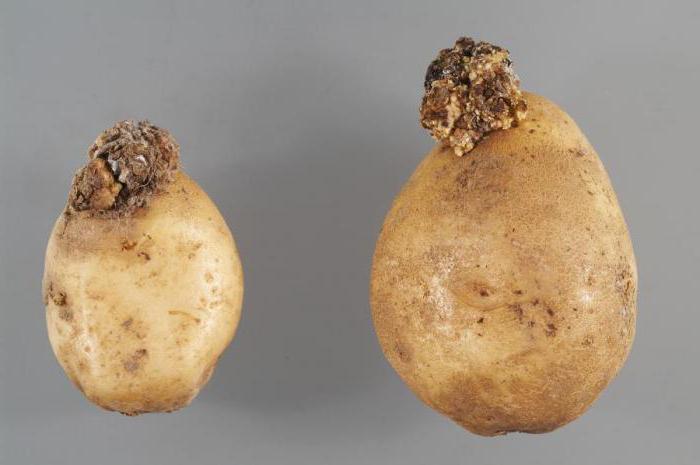
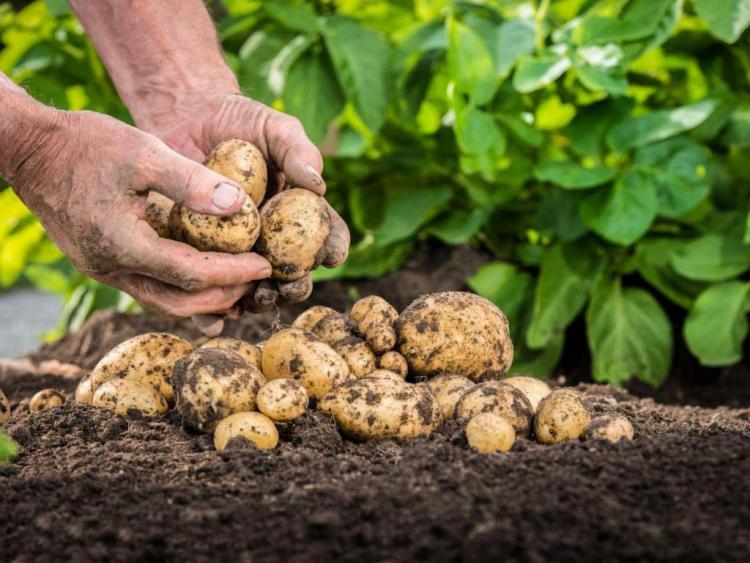
The first characteristic sign of this fungal disease is the appearance of small bumps on potato tubers near the eyes. Initially, they are light-colored, but over time they turn brown. These bumps then begin to form growths that bear some resemblance to cauliflower florets. Similar bumps are also visible in the leaf axils and on potato florets.
If the weather is hot, other forms of the disease are likely to appear:
- leaf-shaped, in which leaf-shaped growths form on the surface of the potato peel;
- scab-like, characterized by the appearance of small crusts on the skin of the vegetable;
- corrugated - with this form of damage, the skin of the root crop becomes wrinkled with pronounced irregularities.
What is the threat of the disease?
Vegetable diseases pose a threat not only to potato crops, but also to human health.
For a person
Eating root vegetables contaminated with pathogenic fungi causes gastrointestinal illnesses, making them completely unfit for consumption.
For the harvest
The disease poses a threat to both potatoes grown in large quantities and some other crops. The pathogen attacks potato tubers and above-ground parts, ultimately leading to crop failure.
Other members of the Solanaceae family—tomatoes, physalis, and wild nightshade—are also at risk. Unlike potatoes, these plants also suffer damage to their root systems.
Methods of combating the disease
To protect potatoes from infection, agronomic and chemical methods are used.
Agricultural technology
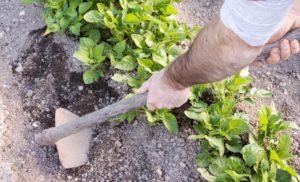
The main objective of agronomic methods is the timely recognition of as many zoosporangia as possible.Potato plants and other plants showing signs of disease should be removed from the soil and burned entirely. Infected fruit should not be used for livestock feed, to prevent zoosporangia from contaminating manure used as fertilizer.
It is also necessary to carry out the following set of works:
- To clear a plot of land where potatoes were previously grown from spores, plant legumes, corn and rye.
- In spring, fertilize the soil with manure and add granulated urea to disinfect it.
- In the future, plant only those potato varieties that have strong immunity to potato cancer.
Chemistry
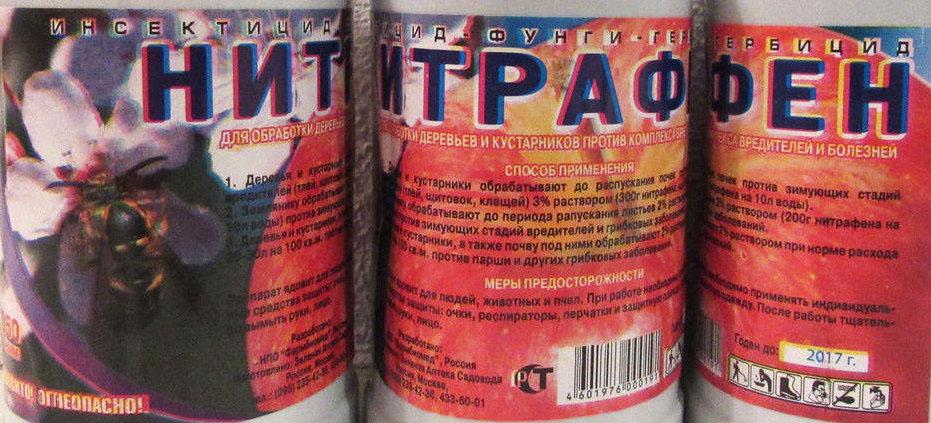
To eliminate the source of the infestation, treat the soil with pesticides, such as Nitrofen. Since this procedure is dangerous, it should be left to experienced professionals. Before planting, disinfect potato seeds and tubers by soaking them in a solution of Fundazol (1%) or Benomyl (0.5%) for 30 minutes.
How to prevent reinfection
To prevent further infections, preventative measures must be taken:
- Do not grow potatoes in the affected area for at least three years.
- Avoid close proximity to other crops belonging to the nightshade family.
- Weed the area regularly.
- Use only proven and reliable seeds for planting.
Potato varieties resistant to disease
To get a healthy potato harvest, choose varieties that are resistant to the disease. There are many varieties, so choosing the best one is easy.
Among the early ripening varieties the following stand out:
- Beloyarsky early;
- Pushkinets;
- Zhukovsky;
- Forget-me-not;
- Spring;
- Prior;
- Aksu;
- Anosta.
Mid-early varieties protected from infection:
- Nevsky;
- Svitanok of Kyiv;
- Bezhetsky;
- Condor;
- Sante;
- Agria;
- Adretta.
Mid-season varieties include:
- Victoria;
- Blue;
- Grant;
- Famosa;
- Vikhola;
- Table-19;
- Lugovskoy;
- Nida.
Of the mid-late varieties, only three are resistant to the disease:
- Glow;
- Lasunak;
- Cardinal.
All of the varieties listed above are distinguished by their strong immunity to the fungus Synchytrium spp., but even they require proper care.
Related posts:
 Why potatoes aren't growing well in the garden, and what to do to ensure a bountiful harvest
 Description and treatment of potato diseases, methods of control using folk and chemical means
 Description of the best potato varieties of domestic and foreign selection
 Description and treatment of potato pests, control measures
 Description of the best potato varieties for 2025, selection for regions
 Description of black potatoes, their beneficial properties, varieties, planting and care features
 Description and causes of potato Alternaria blight, control measures and treatment methods
 The period of potato ripening from planting to harvesting, what is vegetation?