
- Description and characteristics
- The main advantages and disadvantages of potatoes
- Growing specifics
- Selecting a location
- Recommended planting times
- Planting potatoes in boxes
- Tuber germination
- Preparing the recesses
- Correct fit
- Subtleties of care
- Watering and fertilizing
- Loosening and weeding
- Hilling
- Protecting Colombo from diseases and harmful bugs
- Harvesting, storage
- Feedback from those who planted
The Colombo potato variety is a Dutch innovation in vegetable crops. It quickly gained popularity in the CIS countries. It requires little care and is easy to grow, even for novice gardeners. To ensure a bountiful harvest and marketable fruit, it's important to familiarize yourself with all the aspects below.
Description and characteristics
The Colombo potato was developed and patented by professional vegetable growers at HZPC Holland BV, crossing the Carrera and Agata varieties. The variety has been included in the Russian state register since 2013. It became popular in Ukraine in 2015. This new variety is renowned for its rapid ripening of table fruit and stable yield.
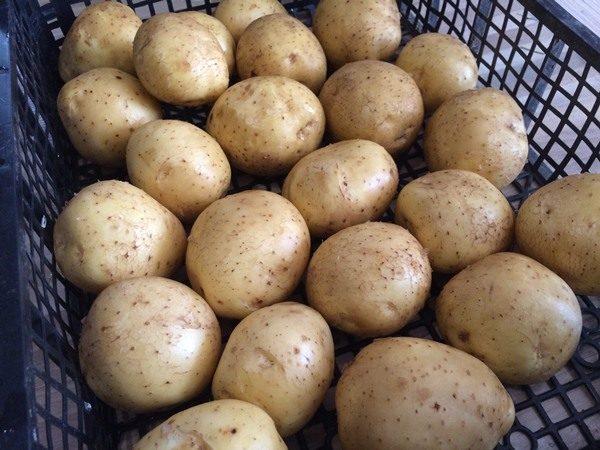
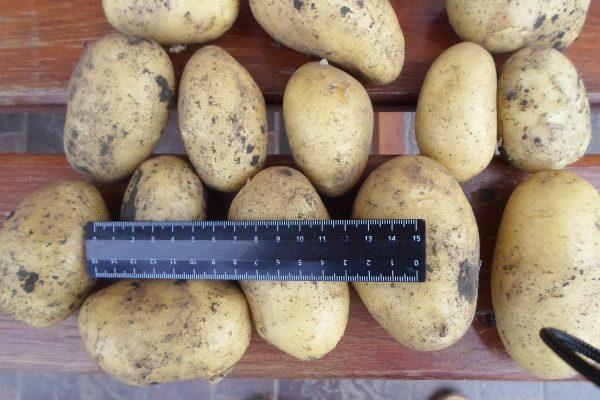
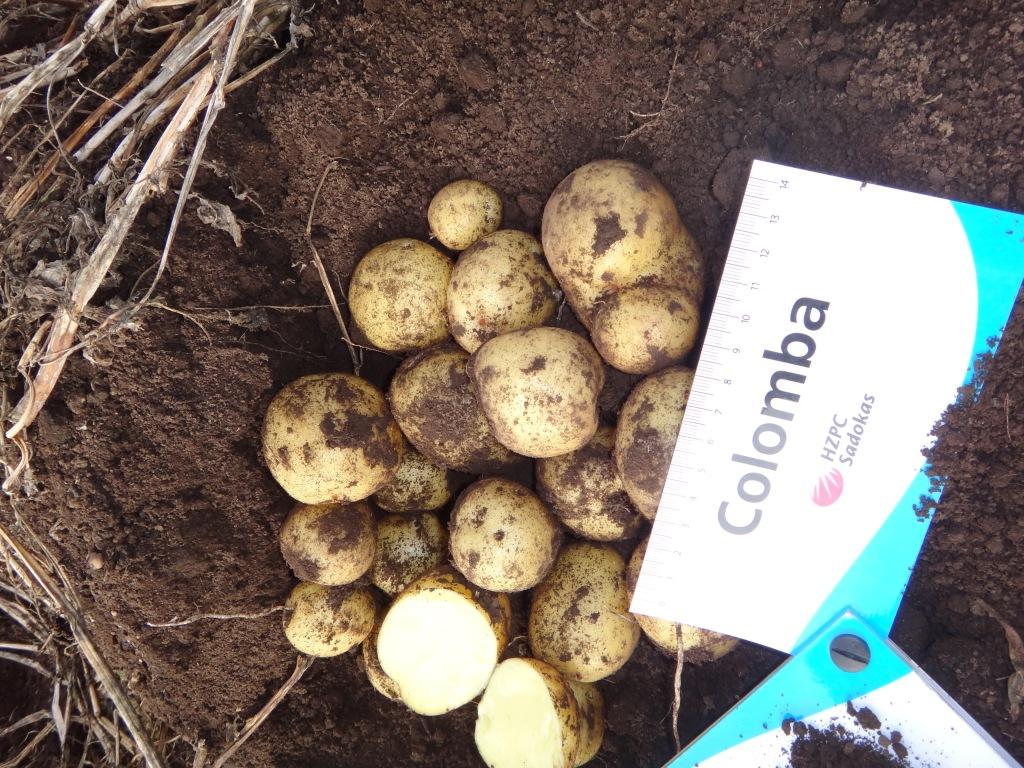
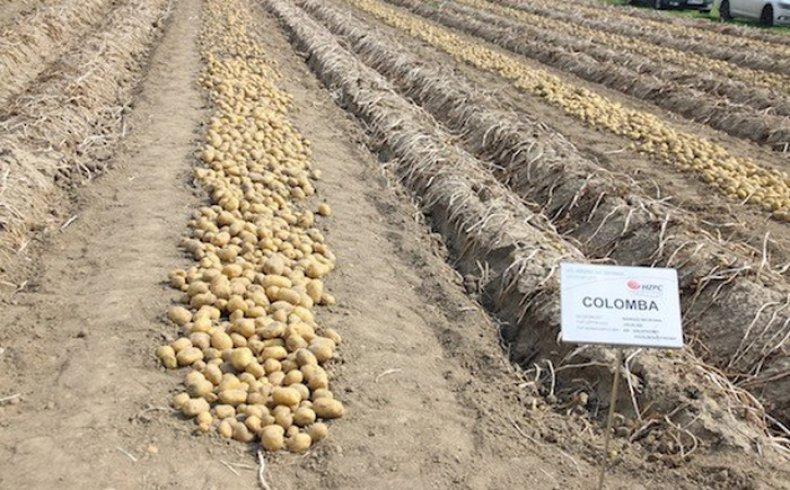
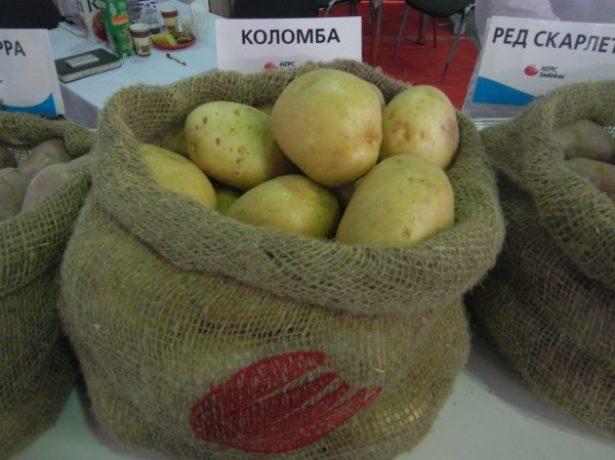
The potato formation period is 60 days. They contain 15% starch, weigh 100 grams, and contain up to 12 vegetables per tuber. Yields range from 220 to 440 centners per hectare. The potatoes have a pleasant flavor, are crisp, and have a 95% shelf life. The skin is yellow, as is the flesh. Preferred growing regions include mid- and southern latitudes.
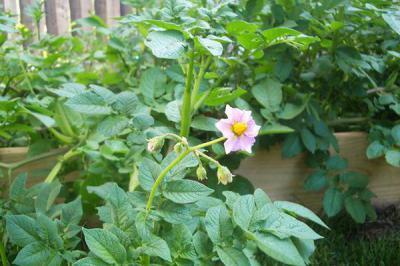
The bushes are upright and spreading, with an abundance of small leaves. The plant reaches a height of 55 cm. The leaves are large and dark green. The flowers are white and lavender. The potatoes are elongated, with rounded edges and smooth skin. This variety is ideal for home cooking, including mashing, frying, boiling, and baking. The vegetable pairs well with onions, carrots, beets, peas, and meat.
The main advantages and disadvantages of potatoes
The Colombo potato has many advantages, and gardeners have not found any negative aspects. Some gardeners believe that the variety's disadvantages include a number of subjective shortcomings.
| Advantages | Flaws |
| Long shelf life | Soil requirements |
| The excellent taste of Colombo potatoes | |
| Easy transportability | |
| Root crops do not sprout until spring | |
| Vegetables in excellent commercial condition | |
| Early ripening period | |
| Colombo potatoes are highly resistant to harmful bugs and diseases. |
Growing specifics
Colombo potatoes don't tolerate transplanting well only in very cold soil. It's best to plant them in warm beds or raised ridges, or to begin planting after the soil has warmed. It's important for the air temperature to stabilize and there to be no frost. To promote vigorous growth, experts recommend breaking off the apical shoots on sprouted tubers, which can block the development of other buds.
When planting Colombo, maintain a distance of 45 cm between plants. This variety exhibits moderate drought tolerance and thrives in moisture and mineral fertilizers, especially manganese and potassium. Be sure to water the plant during the flowering stage when there is no precipitation, loosen the soil, hill it, and treat it for diseases and harmful bugs.

Selecting a location
Colombo potatoes prefer to grow in chernozem or sandy loam soils, as well as light loams. Drained peatlands are also preferred, as long as the pH level is above 7. Acidic soils should be limed two months before planting. The soil should be tilled with dolomite flour, applying the required amount, to prevent scab from appearing. Ash can reduce acidity.
Preferred predecessors to potatoes include cabbage, pumpkin, beans, and peas. Potatoes should not be planted in areas previously occupied by grain crops or tomatoes.
Colombo potatoes don't do well in virgin soil. Avoid planting them in the same beds two years in a row. They prefer constant sunlight and dislike shade. If the soil is clayey or marshy, prepare the holes in the fall; they will warm up in March, allowing for earlier planting.
Recommended planting times
It is recommended to plant Colombo potatoes in May. In the south, planting is done early in the month. In northern and temperate latitudes, potatoes are planted in late May. It is important that the soil is warm and loosened. The variety does not tolerate stagnant water or constant frost.
Planting potatoes in boxes
In small plots, Colombo potatoes are widely planted using a box system. This method eliminates the need to dig the entire plot each year, reduces fertilizer costs, reduces labor intensity, and makes weeding easier. By preparing 20 boxes, you can guarantee a potato harvest all summer long.
The technique is simple and does not require any special skills:
- boards soaked in an antiseptic substance are nailed together into tall boxes without a bottom;
- they are placed in beds and filled with fertile soil;
- they plant vegetables in them.
Raised beds require more frequent watering.
Tuber germination
Before planting, the tubers should be inspected. Select only clean specimens with well-developed rhizomes. Large potatoes are cut in half, ensuring each half has several eyes. Three weeks before planting, the selected tubers are laid out in a single layer in a sunny area. This promotes rapid germination.
The air temperature should be above 15 degrees Celsius. Every seven days, moisten the tubers by spraying them with water. After a month, the potatoes should develop firm, short, green shoots. These potatoes are ready for planting. Before rooting, treat the tubers with a fungal inhibitor and growth stimulant.
Preparing the recesses
To plant potatoes, prepare holes in advance. The depth should be 15 cm, depending on the planting purpose. If rapid germination is desired, avoid digging too deep. Place the holes at a ratio of 3 holes per meter. The row spacing should be increased by 0.7 meters. This distance ensures the plants have enough space for sunlight and tuber formation. Add a handful of ash or compost to the holes. Do not add fresh manure.

Correct fit
Colombo potatoes should be planted when the birch trees begin to leaf out. The soil should warm up to a depth of 10 cm, reaching 10°C (50°F). Before planting, the tubers should be treated with a special antifungal pesticide.
The Colombo landing scheme is as follows:
- the distance between the beds is 65 cm;
- the distance between bushes is 30 cm.
In areas with favorable weather conditions, potato planting depth should not exceed 10 cm. In the north, the planting depth is increased to 15 cm.

Subtleties of care
Due to the potato variety's characteristics and gardeners' feedback, Colombo requires timely hilling and harrowing. The first hilling is performed after the seedlings reach a height of 15 cm.
The procedure promotes the formation of a larger number of tubers; it is advisable to do the procedure every 2 weeks.
If frost threatens, sprouted bushes can be protected by hilling them up to the top. If there's no rain, regular watering is necessary, especially during flowering. After each watering or heavy rain, loosen the soil to oxygenate the root system.
Watering and fertilizing
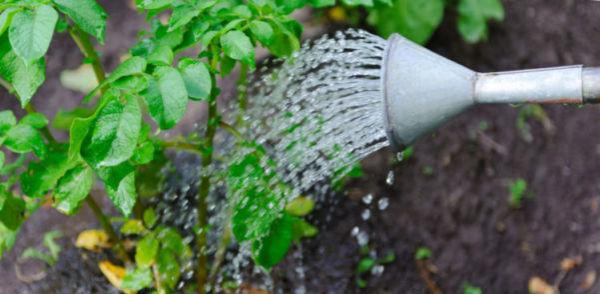
When dry periods persist long after planting, water the potatoes during bud and flower formation. Insufficient irrigation at temperatures above 25°C (77°F), yields will be halved and tuber formation will be delayed. After flower formation has completed, watering is stopped while ovaries are forming. Drip irrigation is widely used; it prevents water stagnation near the roots and provides adequate soil moisture.
Fertilize the bush along with watering. Colombo potatoes produce well when fed with organic matter—bird droppings, manure, wood ash, and compost.
Fertilizers are applied dry, 50 grams per bush during hilling. Chicken manure and poultry manure are used sparingly, dissolved in water to avoid harming the plant. 300 grams of manure are mixed with 1 bucket of water and left to soak for 2 days. Then, water the mixture at a rate of 1 liter per bush, at the roots. Fertilize only when the soil is moist. Once the plant begins to bloom, fertilize it again. After watering, sprinkle the root area with a thin layer of superphosphate at a rate of 1 tablespoon per plant.
Loosening and weeding
When the tops reach 20 cm in height, loosen and weed the soil. This procedure will rid the vegetable of weeds, increase soil oxygenation, and prevent tuber rot. Weeding is performed twice during the growing season.
Hilling
Loosening the soil and then hilling up the bushes is essential for the successful growth of potatoes. The soil is broken up with a hoe and rake, then piled into a small mound under the base of the plant. This process is carried out after rain or irrigation. If the soil is dense and contains a lot of clay, loosen it once a week. On light, fertile soils, loosening is carried out twice during the growing season.


Protecting Colombo from diseases and harmful bugs
This potato variety is highly resistant to harmful bugs and diseases, such as the golden nematode and canker. Because it's an early variety, late blight doesn't have time to attack the vegetable. If replanting, it's best to preemptively treat the plants. Crop rotation can protect potatoes from infestation. They are often attacked by the Colorado potato beetle, so it's important to periodically inspect the plants for pests and treat them with fungicides promptly. Green manure is also used to combat Colorado potato beetles.
Lupine is considered an effective remedy, and mustard is excellent for controlling wireworms. Green manure is applied simultaneously with fertilizing.
Harvesting, storage
The first harvest should be dug up during flowering. Colombo potatoes form tubers simultaneously with stem growth. Dig the potatoes on a dry, sunny day. The potatoes are sorted immediately, removing any damaged ones; rotten potatoes are not suitable for long-term storage. A good Colombo harvest should be dried indoors for 3-5 days. Then, they are stored. It is advisable to store the potatoes in wooden crates, lined with cloth or paper at the bottom.
Feedback from those who planted
Feedback from gardeners growing Colombo potatoes is unanimous. The variety is worthy of cultivation and requires little maintenance.
Nina Tarasova, 67 years old, Lviv.
Hello! I've been growing Colombo potatoes since 2016. In a short time, I've managed to get a decent harvest. The potatoes are large and make delicious dishes, especially mashed potatoes. The plants were attacked by Colorado potato beetles, but they were quickly eradicated with fungicides.
Alexey Maslov, 49 years old, Zaporizhzhia.
Hello everyone! I've been growing Colombo potatoes in my garden for two years. I'm completely satisfied with the variety; it's disease and pest resistant. The fruits are always high-quality, and I'm also selling them. They always sell like hot cakes. I highly recommend them!
Anna Nikiforova, 45 years old, Moscow.
Hello! Colombo potatoes are one of my favorite varieties. I've been growing them since the summer of 2017. They're easy to care for, produce a consistent harvest, and are delicious. I mash them, bake them with mayonnaise, and fry them.
Related posts:
 Description and characteristics of the Rodrigo potato variety, cultivation and care
 Description of the best potato varieties of domestic and foreign selection
 Description of the best potato varieties for 2025, selection for regions
 Description and characteristics of the Zhukovsky potato variety, planting and care
 Description and characteristics of the Krasavchik potato variety, planting and care
 Description and characteristics of the Gulliver potato variety, planting and care
 Description and treatment of potato pests, control measures
 Description and characteristics of the Rocco potato variety, cultivation and care