
- Basic information about the Early Morning potato
- History of selection
- Bush
- Productivity and taste of root crops
- Scope of harvest application
- Advantages and disadvantages
- What conditions are needed for growth and fruiting?
- Deadlines
- Choosing a location
- Preparing the soil and the site
- Preparing seedlings
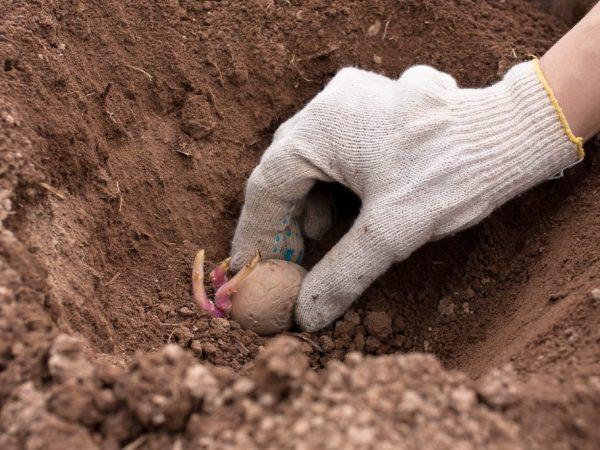
- Potato planting pattern and depth
- Watering
- Top dressing
- Mulching and loosening the soil
- Hilling potato beds
- Diseases and pests: prevention, treatment
- Harvesting and storage
- Reviews of the variety from experienced gardeners
Potatoes are one of the most popular crops, grown in almost every garden. There are many varieties, differing largely in their ripening times. Those who prefer early-ripening varieties will appreciate the "Utro rannee" potato. This crop is suitable for cultivation in the southern and central regions of the CIS countries. Potatoes are grown for sale or personal consumption.
The description and reviews of the Utro Ranneye potato variety attest to its ability to produce a large harvest. To ensure high-quality fruits, be aware of the following nuances.
Basic information about the Early Morning potato
The Utro Ranennye potato is a table potato that requires little soil or care. Its characteristics highlight the high-quality fruit and its attractive market appearance. Because it's an easy-to-grow variety, even beginners can grow it. Experts rate its taste as excellent. The plant is drought-resistant and produces two harvests per season.
History of selection
The Utro ranneye potato was developed by V. Stepanov, a Chelyabinsk breeder from the "Garden and Vegetable Garden" organization. The Utro variety was used to develop this variety. The scientists wanted to improve the flavor and yield of the original crop. This potato has been listed in the state register since 2016.
Due to its recent cultivation, not all gardeners are familiar with the Utro variety. The plant is originally recommended for planting in the Urals, but it is grown throughout the CIS.
Bush
The bushes grow tall, intermediate in appearance, with a semi-erect stem. The leaves are medium-sized, open, and emerald in color. The leaf blades are covered with a mass of stiff hairs. The flowers are large and lavender in color.

Productivity and taste of root crops
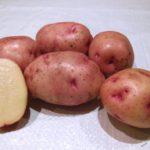
Each cluster produces 5-9 large, uniform tubers weighing 98-190 grams. Harvest takes 90-110 days from planting. The fruits are oval-shaped with a smooth surface. The skin is reddish, dense, and mesh-like. The flesh is light yellow when cut. The eyes are small and shallow, making peeling easier. 150-320 centners can be harvested from one hectare.
The marketability of the tubers is 69-88%, and their shelf life is 92%. The harvest should be stored at temperatures below 2°C (37°F), otherwise the potatoes will begin to sprout. Tasters rated the tubers' flavor at 4.5 points.

Scope of harvest application
The root vegetables are medium-soft and are best suited for frying, baking, and stuffing. They can be added to salads, vegetable mixes, and entrees. The pulp is not excessively watery and contains 14-16% starch.
Advantages and disadvantages
The Utro Ranennye potato has earned a lot of positive reviews from gardeners, but there are also a few downsides.
| Pros | Cons |
| High yield rates | Low product yield – 88% |
| The tubers are not susceptible to mechanical damage, the harvest is safely transported over long distances and harvested using equipment | |
| The plant has powerful immunity against cancer | |
| Fruits of universal use |
What conditions are needed for growth and fruiting?
The key to a bountiful harvest is following proper agricultural practices when planting seedlings and organizing proper care. Planting methods include smooth, row, ridge, or trench planting. It's also important to select a suitable site, thoroughly prepare the soil before planting, and plant the seedlings on time.

Deadlines
Seedlings should be planted in early or mid-April, allowing the air temperature to warm to 10-15°C. Seedlings can freeze and die if frost returns.
Choosing a location
Potatoes prefer to grow in sunny, open spaces. They should be kept away from tall trees that shade the plants. The Utro Rannee variety also thrives in partial shade, but the fruits may be smaller.
Preparing the soil and the site
Soil preparation for Early Morning potatoes should begin in the fall. The soil is plowed to the depth of a shovel, and 3-4 kg of manure per square meter is added. For light soils, fertilizer is added in the spring during loosening. The plot is cleared of weeds, which slow the growth of the plants.
Preparing seedlings
The planting material is inspected, and whole, healthy tubers without any signs of damage are selected. The seedlings are dipped in a solution called Epin, which stimulates rhizome formation, for half an hour. The seedlings can be hardened off 2-3 days before planting and then placed outdoors.
Potato planting pattern and depth
Potato plants are planted using the optimal spacing pattern: 60 x 40 cm. The holes should be 11 cm deep. Dig the holes 1-2 days before planting to allow the soil to settle.
Watering
Potato bushes should be irrigated early in the morning 3 times during the growing season:
- after the formation of stems on the surface of the earth;
- after the appearance of inflorescences;
- immediately after the tops have withered.
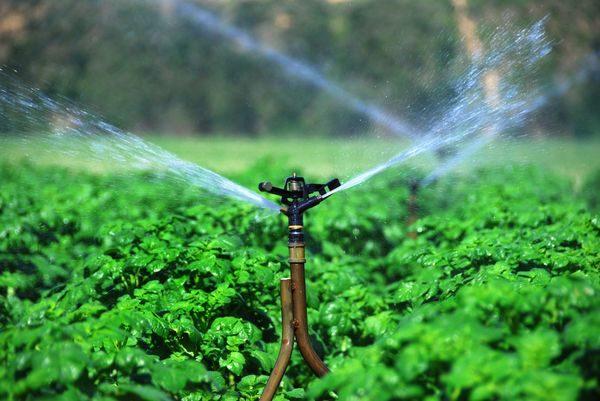
After planting, avoid watering young bushes. It's also not advisable to water them after flowering to prolong the shelf life of the fruit. Frequent watering can quickly lead to late blight.
Top dressing
Potatoes should be fertilized before the first inflorescences appear on the bushes, or during the first days of flowering. Nitrogen-based fertilizers are used, but ammonium chloride should not be used. Potatoes grown in fertile soils called Utro Ranennye do not require fertilizer.
Mulching and loosening the soil
Timely loosening of the soil is crucial for potatoes in the early morning. This helps oxygenate the soil, and weeding eliminates weeds. Loosen the soil after rain and watering.
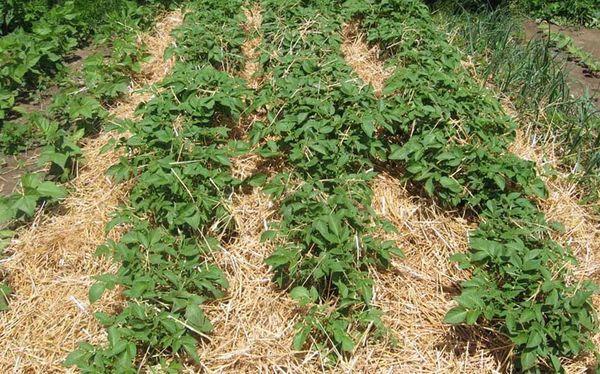
Hilling potato beds
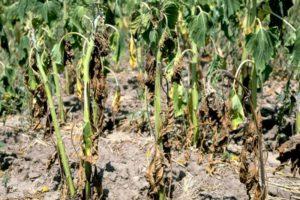
Hilling between potato rows should be done twice a month. This procedure improves soil aeration and creates space for the potatoes to thrive. Ignoring this technique will cause the tops to fall off, increasing the risk of disease and beetle attacks.
Diseases and pests: prevention, treatment
Potatoes called "Utro ranenye" are sometimes affected by late blight or nematodes. Preventative measures are necessary, including treating the plants with insecticides 3-4 times during the growing season. Affected plants are burned.
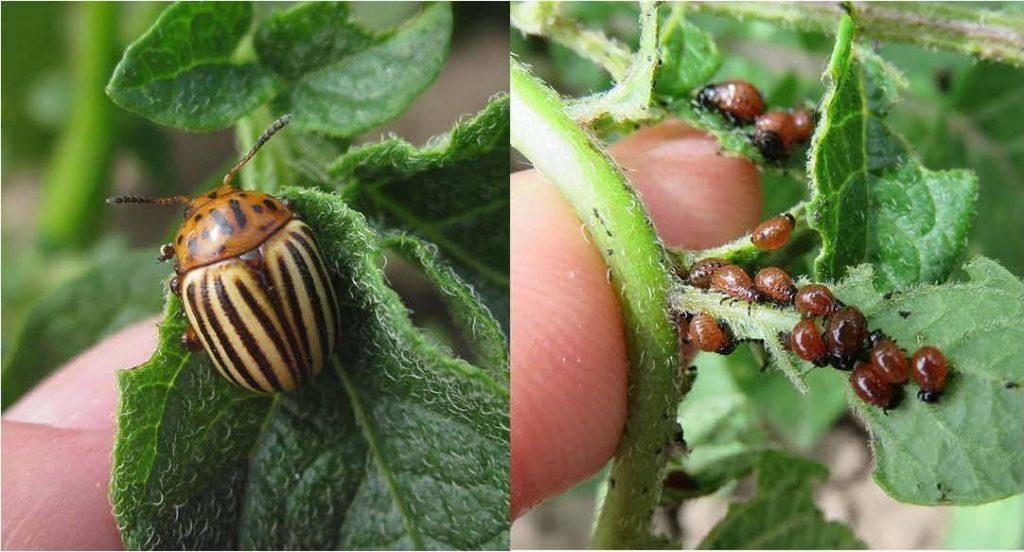
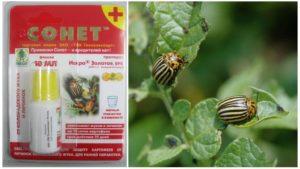
- Sometimes potatoes become infected with the Colorado potato beetle, which can be destroyed by hand picking and spraying with Anti-Colorado or Proteus.
- Aphids are removed with a soap solution or an infusion of onion peels.
- Nematodes and wireworms are controlled with insecticides such as Force and Bi-58.
Before planting, as a preventative measure, seedlings should be treated with Agat or Immunofitsit. Planted bushes should be sprayed with late blight control agents such as Ditan M-45, copper oxychloride, and Kuproksat. The Utro Ranennye potato variety is not susceptible to mosaic disease and does not require treatment.
Harvesting and storage
Harvesting should begin after the tops have dried. At this time, the tubers begin to accumulate starch and other beneficial elements that create the creamy flavor and aroma of potatoes. Harvesting begins in mid-August. Afterwards, the fruits are sorted, damaged and rotten ones are removed, and they are used as livestock feed.

Dug-up tubers should be dried outdoors or under cover for 2-3 hours. The harvest is placed in boxes at a depth of 0.5 meters to ensure even ventilation. Potatoes are typically stored in basements or cellars with temperatures between 2 and 4°C and 90% humidity. Ventilate the storage area twice a week and inspect the tubers. If all storage instructions are followed, Utro Ranennye potatoes will last for about 3 months.
Reviews of the variety from experienced gardeners
Gardeners' responses to the Utro Ranennye potato are generally positive. Reading reviews will help you choose the right variety.
Oksana Samoilenko, 65 years old, Kropyvnytskyi
Hi everyone! I've been growing Utro Ranennye potatoes in my garden for three years now, and I get a good harvest. The tubers are large, marketable, and don't fall apart when boiled. I make all sorts of dishes with them, especially frying them. My neighbors rave about this variety, and I share some tubers with everyone to start seedlings.
Petr Ivanov, 43 years old, Rostov-on-Don
The Utro Ranennye potato is my favorite in the garden. I visit the dacha every weekend and take good care of the plants. They were attacked by Colorado potato beetles several times, but I used Aktara to kill them. I haven't had any further problems with the vegetable.
Lyubov Denisova, 69 years old, Orenburg
Hello! I love potatoes and grow the "Utro rannee" variety at my dacha. I bought my first seedlings at the market last year, and now I plant them every year. I get a plentiful harvest, and the fruits are high-quality and not small. I highly recommend growing potatoes.
Related posts:
 Description and characteristics of the Utro plum variety, cultivation technology
 Description of the Red Early apple tree variety, agricultural technology and specific care
 Description of the best potato varieties of domestic and foreign selection
 Description and characteristics of the Rodrigo potato variety, cultivation and care
 Why potatoes aren't growing well in the garden, and what to do to ensure a bountiful harvest
 Description and treatment of potato diseases, methods of control using folk and chemical means
 Description of the Sorkodnevka potato variety, planting and care, when to dig
 Description and characteristics of the Zhukovsky potato variety, planting and care