
- What is scab?
- Types of scab
- Black (rhizoctonia)
- Ordinary
- Powdery
- Tuberculate (oosporosis)
- Silvery
- Where does the disease come from and how does it develop?
- Signs of defeat
- Preparations for combating potato scab
- Fitosporin
- Mancozeb
- Fenoram Super
- Colfugo
- How to deal with potato scab without chemicals
- Crop rotation
- Correct use of different types of fertilizers
- Quality control of seed potatoes
- Preventive measures
- Disease-resistant varieties
- Can you eat potatoes with scab?
Many factors influence potato yield. Potato tuber diseases, particularly seed potato scab, can lead to partial yield losses. This fungal infection is transmitted to plants through contaminated soil. As it progresses, it gradually reduces the taste of the tubers, impairs their marketability, affects their shelf life, attacks the core, and, in severe cases, leads to plant death.
What is scab?
Scab is caused by a pathogenic fungus that lives and multiplies in the soil. The pathogen penetrates potatoes through microscopic pores and mechanical damage. The disease affects the roots and underground portion of the stem, but the first signs appear on the delicate skin of the tubers. These may include dark spots, scabs, bumps, warts, and cracks. The eyes on the tubers lose their seeds, which significantly impacts the following year's yield.
The pathogen is most active in sufficiently warm and moist soil. When combating the infection, measures are taken first to improve the soil, then to treat the plant itself.
Types of scab
There are several types of scab, each caused by a specific fungus. They differ in their primary symptoms, progression, and the extent of tuber damage:
- black (rhizoctonia);
- ordinary;
- powdery;
- tuberculate (oosporosis);
- silvery.

Black (rhizoctonia)
Black scab (rhizoctonia) is the most dangerous form of the disease. The fungus that causes it, Rhizoctonia solani, is particularly active in cool and rainy weather. Spores attack the entire plant—both underground and aboveground. Infected bushes are burned to avoid putting healthy plants at risk.
Early signs of black scab include small black growths (sclerotia) on the skin of young tubers. Over time, these growths enlarge and penetrate deeper, affecting the plant from the inside. These tubers are highly infectious. If used for planting, they will penetrate the soil, promoting the progression of the disease. Rhizoctonia control is particularly difficult and requires the use of potent chemicals.

Ordinary
Common scab is the most common form of scab, particularly in calcareous soils and soils with high levels of organic fertilizer. It is caused by the fungus Streptomyces scabies. It attacks potato varieties with red, tender skin.
The main signs of the disease are as follows: small reddish or purple lesions appear on the surface of the tubers. The advanced stage is determined by the presence of a so-called corky coating. After some time, the affected skin becomes uneven and covered with cracks in a mesh-like pattern. The later stages of the disease are accompanied by active root rot.

Powdery
Powdery scab thrives in waterlogged soil, so it most often attacks potatoes during rainy periods. The causative agent of this disease, the pseudofungus Spongospora subterranea, is mobile and can move both in the soil and on the plant itself. This type of scab attacks tubers and the underground portions of stems.

The main signs of the disease are the appearance of raised, thickened lesions on infected areas. On tubers, these appear as reddish warts, while on stems, unsightly whitish growths develop. Spores of the pathogen enter the soil with manure or through the air. Affected potatoes dry out during storage, and in high humidity, they begin to rot.
Tuberculate (oosporosis)
Lumpy scab (caused by Polyscytalum pustulans) is characterized by the formation of pustules of varying shapes in the tubers. Small lesions gradually coalesce into large cavities, similar to late blight. Affected potatoes experience a significant loss of flavor and nutritional value. The starch and protein content of the pulp is significantly reduced.

Silvery
Silver scab is caused by the fungus Helminthosporium solani. The main symptoms are silvery spots covering a significant area of the tubers. These develop from small, inconspicuous growths on the skin.
Diseased tubers are virtually immune to rotting, but gradually lose moisture. By spring, they shrivel and become unsuitable for use as planting material. The pathogen is active in conditions of high humidity.
Where does the disease come from and how does it develop?
Scab is caused by actinomycetes, a fungus that enters the soil along with organic debris. Under favorable conditions, the fungi actively reproduce, moving closer to potato crops. They require specific temperature, moisture, and soil composition.

Soil with the following indicators is most susceptible to contamination:
- soil with a slightly alkaline reaction and an acidity index pH of 6.1 to 7.4;
- soil with a temperature of 12-15 degrees Celsius (for black scab), 22-24 degrees Celsius (for common scab);
- soil, well loosened and moistened (humidity more than 55%);
- soil fertilized with fresh manure, lime or wood ash;
- soil with a high content of trace elements nitrogen and calcium, with a lack of boron and manganese.
When artificially liming the soil, you should use half of the recommended amount (5-8 kilograms per 100 square meters), since lime activates the fungus and promotes its active reproduction.
Signs of defeat
The entry point for fungal infection is through lenticels—tiny holes in the potato skin that plants need for gas exchange. As the fungus progresses, it tears the skin in various directions, forming ulcers or, conversely, degenerating into growths on the potato.

The main signs of the disease are irregularities on the surface of the tubers. These irregularities can vary in shape, color, and size. This depends on the type of fungus infecting the plant:
- common scab - raised scabs, warts;
- black scab - dark growths, like black lumps of earth, stuck to the skin;
- Powdery scab - dark red or purple ulcers on the surface;
- silver scab - sunken spots of a characteristic silvery hue;
- Tuberculous scab - pustules and slightly depressed spots resembling traces of late blight.

The type of scab can be determined with a high percentage of accuracy only in laboratory conditions, through microbiological testing.

Preparations for combating potato scab
Many effective fungicides have now been developed to combat fungal infections in plants. They are recommended for pre-planting seed treatments and repeated application throughout the growing season. The following modern products are most commonly used:
- Fitosporin;
- Mancozeb;
- Ferronal super;
- Colfugo.
Fitosporin
Fitosporin is a new-generation microbiological preparation. It is prescribed when urgent measures are needed to protect plants from fungal and bacterial infections. A systemic preparation, after administration, it spreads throughout the vascular system (vascular bundles).
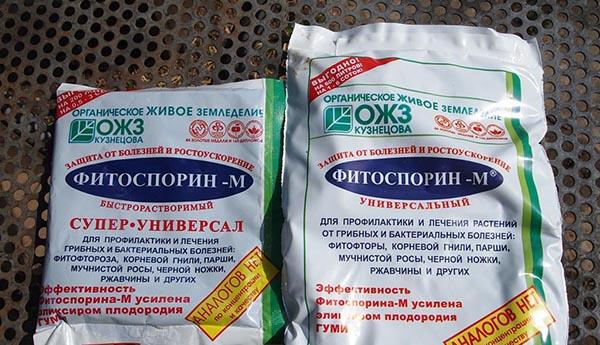
Seed potatoes are treated with Fitosporin before planting. The solution is also sprayed on the plants several times during the growing season.
Mancozeb
Mancozeb is a contact fungicide that helps control pathogens that cause infectious diseases in tomatoes, potatoes, and grapes. Plants are sprayed during the growing season, initially as a preventative measure, then once every 7-10 days. By adhering to the surface of tissue, the product forms a protective film.
Fenoram Super
Fenoram Super is a seed treatment. Its active ingredient is carboxin. It has a high bioefficacy (approximately 60%). It effectively combats scab and root rot. After treatment, the protective effect of the product lasts throughout the entire growing season.

Colfugo
A seed treatment based on benomyl and carbendazim. Effective in combating root rot and seed mold. It is also used for treating crops. The product is moisture-resistant, so its protective effect is not reduced during rainy periods. For best results, it is recommended to treat plants twice.
How to deal with potato scab without chemicals
By following proper potato plant care guidelines, scab can be controlled without the use of potent pesticides. Treatment involves the following:
- compliance with crop rotation;
- correct use of different types of fertilizers;
- quality control of seed potatoes.
Crop rotation
Scab spores survive in contaminated soil for 5-7 years. Contaminated soil should not be used for potato planting for 3-4 years due to fungal activity.

If taking a break is impossible, then immediately after the fall harvest, it is necessary to sow green manure crops. These include legumes, mustard, lupine, rapeseed, oats, and other cereals. The byproducts of these plants are saprophytic microorganisms. They successfully suppress the growth of all types of potato scab pathogens.
Correct use of different types of fertilizers
To combat the scab pathogen, it's necessary to acidify the infected soil. This is accomplished using acidic fertilizers such as sulfate-containing products and superphosphates.
Enriching the soil with copper, manganese, and boron promotes plant resistance. This is achieved by watering the plants with water containing these elements.
Organic fertilizers should be used with caution. Avoid using fresh straw manure (2-3 years of rotted manure is fine). Excessive amounts of lime or wood ash will also worsen the infection.

Quality control of seed potatoes
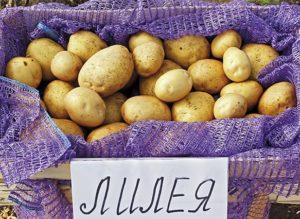
One of the main causes of infection is poor-quality seed material. Isolating infected tubers in the spring and destroying diseased plants will help isolate them. Infected tubers should not be used for seed, even if they appear healthy. They may also contain pathogen spores.
Preventive measures
Among the measures to prevent potato scab, the following are important:
- Selection of tubers for planting and their preliminary treatment with biological preparations that protect against diseases.
- Selection of varieties that are resistant to the pathogen and produce a healthy harvest even in contaminated soil.
- Compliance with growing rules. The spread of scab in the soil is facilitated by high humidity, insufficient acidity, and improper application of organic fertilizers.
- Observe harvesting and storage guidelines. Potatoes should be dug up when the skins are still young and peel easily, and the tops have not yet wilted. Store the harvest in a dark, dry, and warm place.

Disease-resistant varieties
Using potato varieties resistant to scab reduces crop losses even in contaminated soil. This is an effective preventative measure against the spread of the infection.
- The older varieties Bronnitsky, Resurs, Temp, Effekt, Stolovy 19, and Lasunok possess high resistance to all types of scab. Newer varieties include Alena, Belosnezhka, Filatovsky, Sokolsky, and Vestnik.
- Among foreign varieties, the Planta, Fresco, and Timo varieties are distinguished by good resistance.
- The varieties Vesna, Volzhanin, and Nevsky are not susceptible to black scab.
- The varieties Gatchinsky, Malakhit, Petersburgsky, and Moskvoretsky are not susceptible to common scab.
Can you eat potatoes with scab?
The marketability and taste of potatoes infected with scab are reduced, but they can still be eaten. When peeling the tubers, carefully trim away any areas affected by the fungus.
If you notice scab-infected potatoes in the new potato crop, take action to prevent future crop failure. Preventative and curative treatments will help prevent soil contamination and support the plants, ensuring a bountiful and healthy potato harvest each year.
Related posts:
 Why potatoes aren't growing well in the garden, and what to do to ensure a bountiful harvest
 Description and treatment of potato diseases, methods of control using folk and chemical means
 Description and signs of scab on pear, how to treat and means for treatment
 Characteristics and description of the Adretta potato variety, planting and care
 Description and treatment of potato pests, control measures
 Description and characteristics of the Zorachka potato variety, planting and care
 Description and characteristics of the Krasavchik potato variety, planting and care
 Pre-plant potato treatments for Colorado potato beetle