
- General description of the disease: area of distribution, source of infection, life cycle of the fungus
- Signs of tree damage
- What is the danger of this disease?
- Chemical remedies for scab
- Tridex
- Horus
- Merpan
- Poliram-DF
- Topsin-M
- Traditional methods
- Potassium permanganate
- Mineral fertilizers
- Daily Pear Treatment Plan
- Prevention methods
- Tips and advice from experienced gardeners
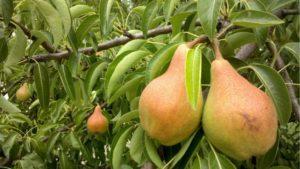
Pear scab is a common problem in warm, humid climates. This dangerous plant disease is caused by a specific fungus that infects only pears and does not infect other crops. All parts of the plant, including the fruit, are affected. Scab can be controlled using chemicals, traditional methods, and fertilizers. It's important to familiarize yourself with all the necessary procedures beforehand.
General description of the disease: area of distribution, source of infection, life cycle of the fungus
Scab is caused by a marsupial fungus that overwinters in fallen leaves. During the growing season, numerous larvae are born. The fungus develops in two stages: marsupial and conidial. Scab is caused by pathogens of the genus Venturia pirina Aderh. Their life cycle consists of two stages: sexual and asexual reproduction.
- With the first rays of spring sunlight, the spores mature and are released. Due to moisture, they migrate to the emerging tender leaves. The fungus grows inside them, causing spotting.
- Asexual, non-motile spores are observed from the beginning of June.
- Due to rainwater, they spread to the lower foliage, affecting branches and ovaries.
- With the onset of autumn, pseudothecia appear on fallen leaves.
The life cycle repeats itself according to the given pattern. With the gardener's intervention, the vicious cycle is broken, and the tree is healed.
Signs of tree damage
The marsupial fungus is identified by the following symptoms:
- peeling skin;
- spots on fruits and leaves;
- ulcers;
- the pear shade becomes olive;
- Warts are visible on all parts of the plant.
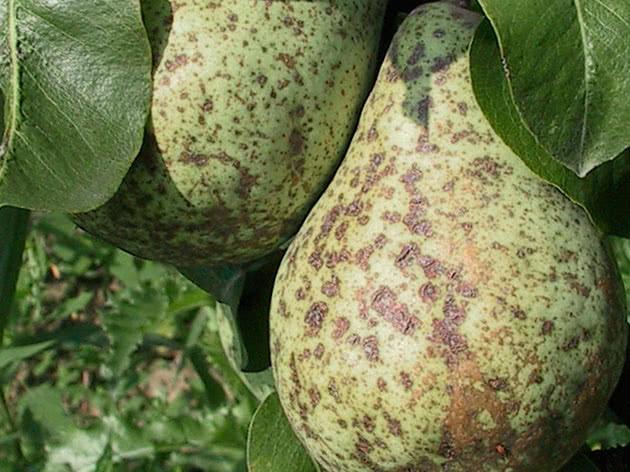
Once scab has fully established itself on the tree, its harmful activity intensifies. The undersides of the leaves become covered with olive-colored spots with a velvety coating. Spores develop on these spots. As they develop, the foliage dies, the fruit tree weakens, and the water balance is disrupted. The pear tree bears little fruit for two years.
During rainfall, scab quickly spreads to flowers and ovaries, where dark spots containing spores are visible. The ovaries do not fill out, but fall off.
When the disease develops after fruit set, scab spreads to the fruit and attacks it. If the infestation is severe, the diseased parts merge. The fruit either stops growing or becomes unattractive and falls off.
What is the danger of this disease?
Fungal disease is fraught with a number of negative consequences:
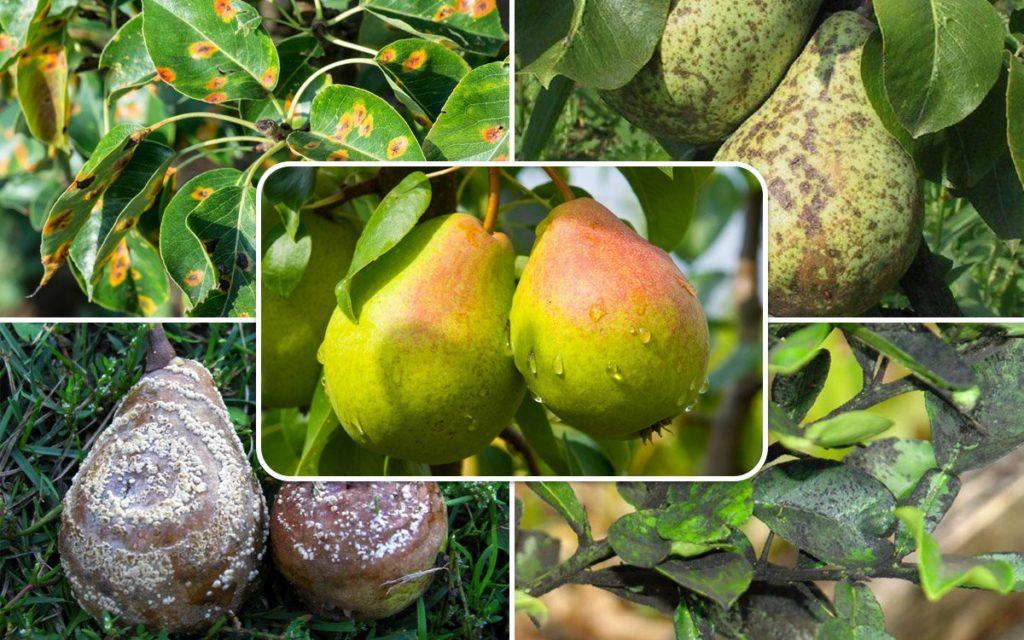
- After harvesting the fruits, during storage, the spots increase in size, covering the entire peel, and the harvest is considered lost;
- Due to the appearance of cracks on the fruits, since they do not have a wax coating, they turn out to be insignificant, the fruits are small.
The most dangerous thing about scab is the lack of harvest.
Chemical remedies for scab
You can combat fungal scab on pear trees with chemicals. These can treat the tree at various stages of scab development, provided they are used correctly and according to the instructions. These products are powerful and produce rapid results.
Tridex
This is a complex granular product that eliminates scab in a matter of days. The fungicide is safe for beetles. It contains manganese and zinc, allowing for both curative treatment and fertilization.
Horus
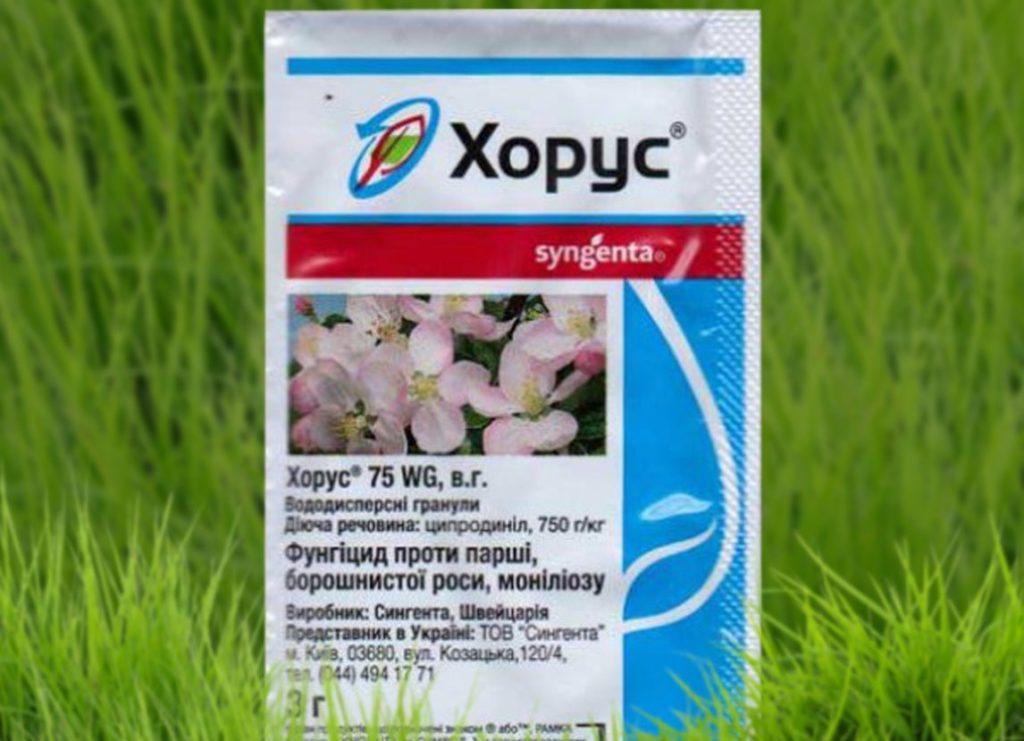
Horus is available in granular form and does not contain copper. Its active ingredient is cyprodinil, an effective fungicide. Two treatments are sufficient to completely eradicate scab. Treatments are performed before and after flowering. Spray plants at 10-day intervals; the effect lasts for one month.
Merpan
The fungicide is non-addictive and can be used in combination with other systemic treatments. The active ingredient is a compound belonging to the phthalimides class. Trees are sprayed morning and evening, preferably on a sunny day. Treatments are carried out approximately six times during the growing season. The last spraying is done at least one month before harvest.
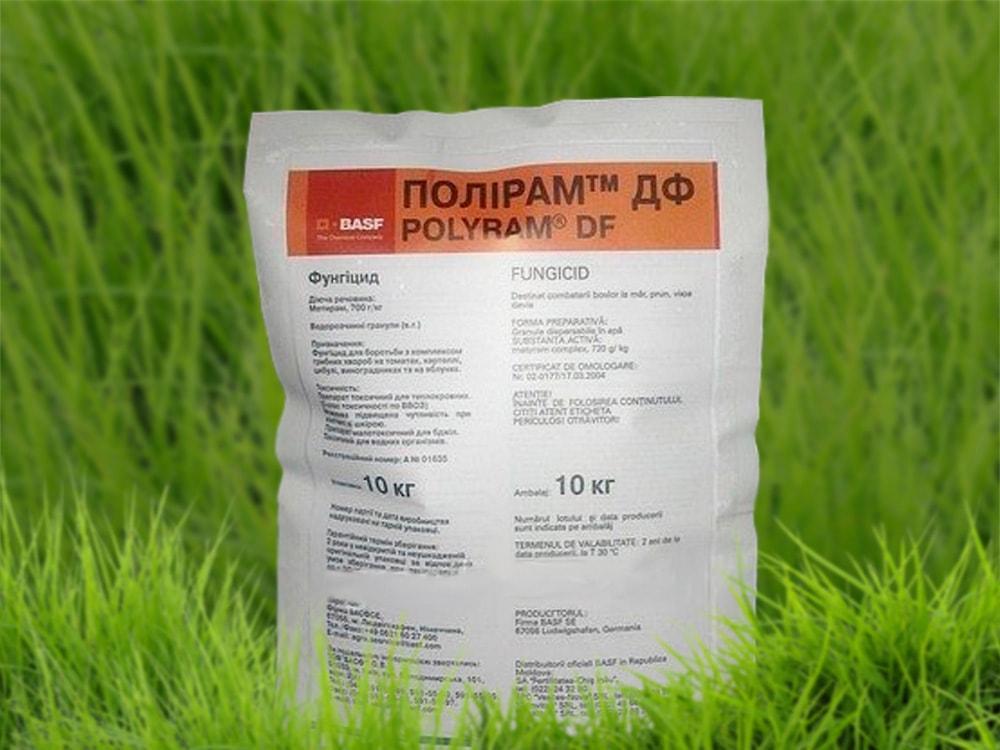
Poliram-DF
A broad-spectrum contact fungicide for treating fruit trees against scab based on the chemical compound metiram. The first spray is applied at the "green cone" stage, then repeated every 10 days.
Topsin-M
The product is available as a wettable powder, the active ingredient being thiophanate methyl. The pesticide's action is immediate, lasting approximately two weeks after spraying the tree. On average, one to three treatments are required to completely eradicate scab.
Traditional methods
When the disease hasn't yet affected most of the tree, pear trees can be treated using unconventional methods. Effective folk remedies for scab include the following options.
- Horsetail. Fill a bucket 1/3 full with the greens, add water, and let steep. Spray the pear after the leaves have opened.
- Mustard powder. Use 80 grams of powder per bucket of warm water. Four applications are required during the growing season. These are carried out during the "green cone" stage, budding, after flowering, and during fruit ripening.
- Table salt. A solution is prepared by mixing 1 kg of salt per bucket of water. Trees are treated in the spring, before bud formation.
 The above measures rarely produce results after just one procedure; it is advisable to combine them with chemicals.
Potassium permanganate
Add 5 grams of magnesium sulfate per bucket of water and stir thoroughly. Spray the pears three times: during the "green cone" stage, after flowering, and during the period of active fruiting.
Mineral fertilizers
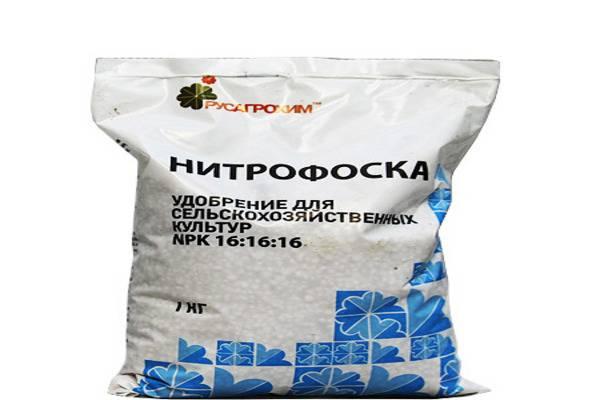
Mineral fertilizers are as effective as chemical treatments and increase pear resistance to various diseases. They are used for both prevention and treatment. In the former case, 3% ammonium nitrate is applied in March, and 3% ammonium sulfate is also applied in early spring. Potassium salt is added at a rate of 20 grams per 30 liters of water in September. Nitrophoska is applied at a rate of 50 grams per bucket of water as a fall treatment.
Daily Pear Treatment Plan
When the fruits are covered with spots, an infection with scab is observed, it is necessary to take comprehensive action.
- At the beginning of the development of pathology, treat the trees with 25K agate or zircon.
- Make a solution from the selected chemical and treat the wood with it.
- After 2 weeks, repeat the procedure.
- After 10 days, carry out complex treatment with several chemicals.
When the leaves fall, collect them and burn them away from the garden to prevent fungal spores from surviving. The same procedure applies to infected branches that cannot be treated.
Prevention methods
To prevent scab from appearing on pear trees, it is necessary to protect trees using the tips below.
- When choosing a planting site, choose well-lit, ventilated areas. Avoid planting seedlings too close to each other.
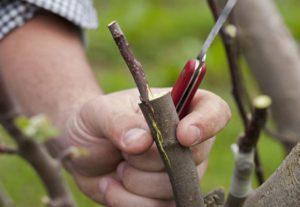
- If cracks or breaks appear on the shoots, or the bark is damaged, spray the areas with garden pitch.
- Every year, remove branches growing inside the bush.
- Fallen fruits should be collected immediately, as fungus can grow on them.
- In the fall, do a general garden cleanup. Burn any rotted, unharvested fruit and leaves.
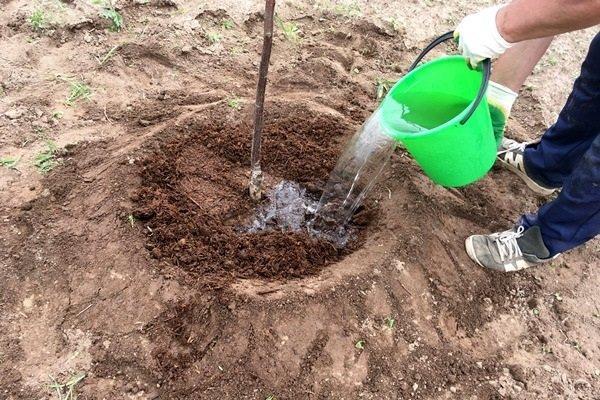
In summer, the surrounding area should be loosened weekly and sprinkled with potassium sulfate.
Tips and advice from experienced gardeners
The preparations listed above require a number of precautions. Experienced gardeners recommend following them for successful scab control.
- Copper-containing products are effective only in areas of direct contact with the plant. If any area is left untreated, the fungus will continue to grow.
- Copper, which accumulates in fungicides, tends to accumulate in the soil, poisoning it. Avoid overuse of fungicides.
- To get rid of scabies using folk remedies, you should complete the full course of treatment, without stopping it if there is no effect.
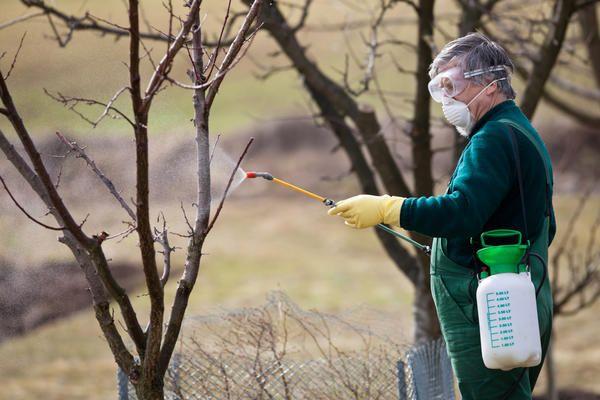
When preparing solutions, use only glass or ceramic containers. Be sure to wear gloves.
Related posts:
 Description and types of potato scab, effective measures to combat rhizoctonia
 What to do and what is the best treatment if the leaves on a pear tree turn black?
 Description and signs of pear diseases and pests, treatment methods
 Control measures for gall mites on pear trees, signs and causes of the disease
 How to treat grapes for mildew, the best control measures and treatment rules
 How to treat peach leaf curl, control methods, and treatment guidelines
 How to treat cherry moniliosis, medications and remedies for the disease
 How to prepare a solution for treating grapes with copper sulfate in the summer: instructions for use