
- Types
- Copper
- Cobalt
- Iron
- Manganese
- Zinc
- Nickel
- Composition and active substance
- Pros and cons of the drug
- Purpose in horticulture
- Top dressing
- Prevention of fungal infections
- Strengthening the immune system
- Disinfection of damaged parts of grapes
- Instructions for use
- Solution
- Dosage
- Processing stages
- When to process
- Spring
- Summer
- Autumn
- Common mistakes when using
- Rules for DIY cooking
- Safety precautions at work
Grapes are a unique and demanding crop. To ensure a bountiful harvest, it's important to treat grapes with copper sulfate in the spring, summer, and fall. This substance is effective against fungus. Depending on the intended application, different concentrations of the solution are used. This fertilizer helps the grapes grow and develop, as well as produce fruit.
Types
There are several types of copper sulfate. In gardening and horticulture, copper and iron sulfate are used, which have a positive effect on plants.
Copper
Copper sulfate is a crystalline hydrated salt of sulfuric acid combined with metals. This substance strengthens the plant's immune system and helps fight fungal infections. When using it, it's important to follow the recommended dosage, as exceeding it will negatively impact both the plant and human health.
Copper sulfate, when used occasionally, poses no danger to the soil, but if applied regularly, it will accumulate, changing the soil composition. Excess copper will cause crop chlorosis, and the quality of the produce will decline.
Copper sulfate in the form of Bordeaux mixture can be used throughout the growing season. For best results, it is recommended to alternate between copper and iron sulfate.
Cobalt
Cobalt sulfate, or cobalt sulfate, is a crystalline substance with a pink or red color. It dissolves readily in liquid, but slowly. It is widely used in the glass and ceramic industries. in the form of microfertilizer.
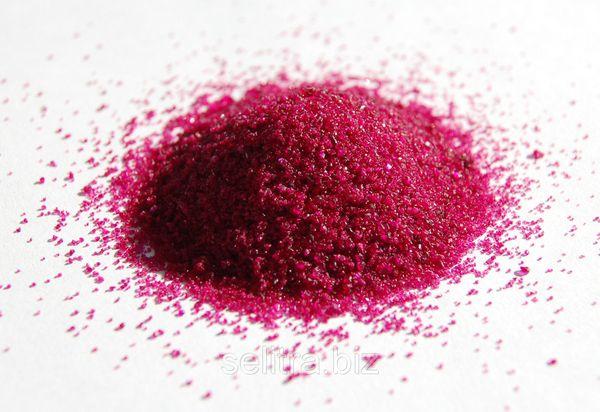
Cobalt is a component of the vitamin B12 molecule. Cobalt sulfate is considered moderately toxic. If used incorrectly, it can cause gastrointestinal, respiratory, and circulatory problems, acute dermatitis, allergic reactions, and reproductive dysfunction. Cobalt sulfate alters the composition of aquatic environments and is a fire hazard.
Iron
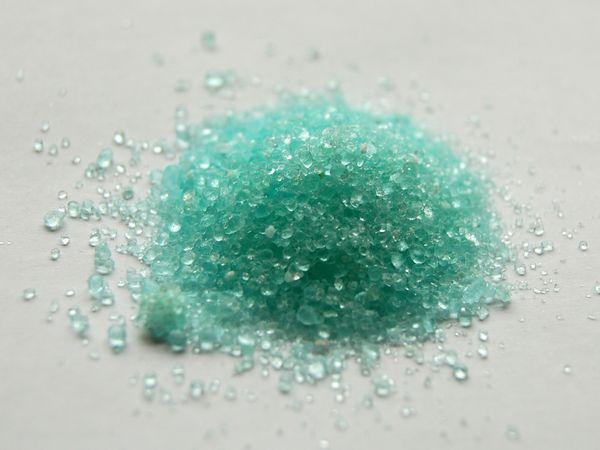
Ferrous sulfate is a fungicide that protects garden crops from fungal infections and is effective against moss and lichen. It comes in the form of a light green or gray-green powder and is highly soluble in liquid.
Helps combat Alternaria wilt, anthracnose, gray mold, coccomycosis, scab, powdery mildew, and oidium in grapes. Apply in the fall and spring before bud break and after leaf fall. Do not use it as a fertilizer or for foliar treatment. It can cause burns due to its high acidity.
Manganese
Manganese sulfate is an inorganic compound consisting of manganese metal salt and sulfuric acid. It is most commonly used in the textile industry and is also an effective fertilizer. If a plant is deficient in manganese, it develops chlorosis, slows growth, and experiences delayed flowering.
Manganese has a positive effect on photosynthesis and increases fruiting. Manganese sulfate is well suited for foliar feeding of crops such as peas, beans, and beets. It can also be used for pre-sowing treatment of seeds. Manganese retains moisture in plants, has a beneficial effect on growth and development, and increases the absorption of nitrogen, phosphorus, and potassium.
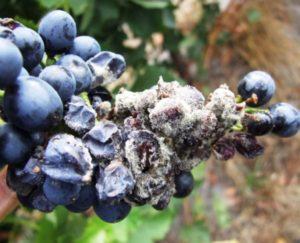
Manganese sulfate is not recommended for use on sod-podzolic soils. It is most often used as a foliar fertilizer. The plant should be treated three times throughout the season: before flowering, during flowering, and during the growing season.
Zinc
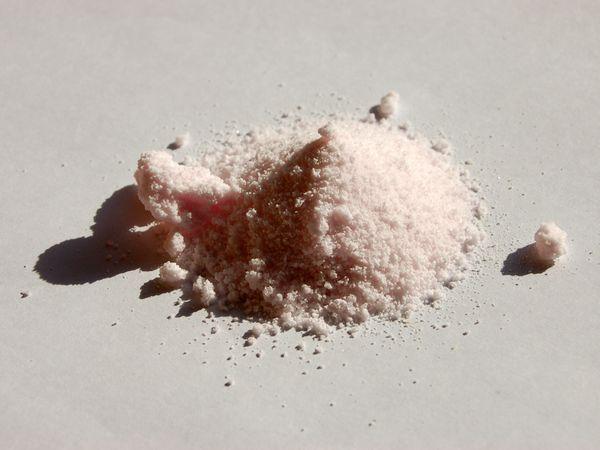
This substance is a zinc salt of sulfuric acid. It is widely used in the chemical and textile industries, as well as in pharmaceuticals and veterinary medicine. It has a positive effect on the human body, including antiseptic, drying, and immunomodulatory properties.
Zinc sulfate shouldn't be ruled out in agronomy. It's considered a universal fertilizer used when there's a zinc deficiency in the soil. Suitable for all types of crops, zinc sulfate shortens ripening time, increases yields, and boosts sugar and vitamin content. It's also used as a foliar fertilizer.
Zinc sulfate is used to treat seeds of legumes, corn, and soybeans during the pre-sowing period.
Nickel
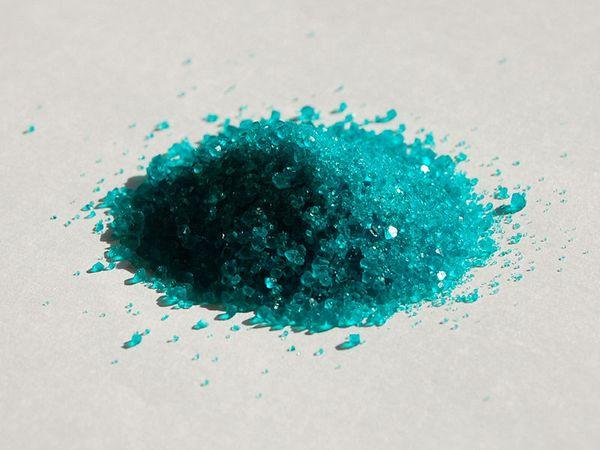
Nickel sulfate is a crystalline substance, emerald or turquoise in color. It is highly soluble in liquid and evaporates when exposed to air. It is classified as a toxic substance, so protection is required when handling it. It is most commonly used in electroplating, electrical engineering, metallurgy, perfumery, and the chemical industry.
Composition and active substance
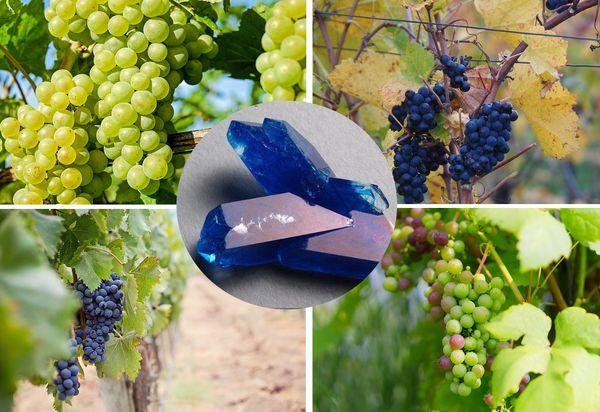
Copper sulfate is an environmentally friendly substance. Its main component is copper, which promotes healthy plant growth and development. It is available as a powder or small blue crystals.
Pros and cons of the drug
The substance has both positive and negative effects on grapes. The benefits of this solution include:
- affordability;
- broad spectrum of action;
- effectiveness in the fight against fungal infections;
- treatment and prevention of diseases of grapes and other crops.
As for the negative aspects, they include the following:
- toxicity;
- ability to accumulate in soil, crops and fruits;
- burns of foliage and roots with a slight increase in dosage.
Despite the negative aspects mentioned, copper sulfate is still used to treat vineyards.
This chemical shows itself on the positive side, especially if all the recommendations in the instructions are followed.
Purpose in horticulture
Copper sulfate is an effective fungicide that is used only for the prevention of fungal infections in fruit and berry crops, but not for their treatment.
It's used to treat apple, pear, and quince trees against spotting and scab. If stone fruit trees are infected with moniliosis or coccomycosis, the product will come in handy. It helps protect roses from spotting and powdery mildew, and tomatoes, eggplants, and peppers from late blight.
Top dressing
As a grape fertilizer, this product is best used on sandy and peaty soils. Signs of micronutrient deficiency:
- underdeveloped young shoots;
- white leaf tips.
Fertilize the vines using foliar feeding. This should be done before flowering. To prepare the solution, you'll need 4 g of copper sulfate per 10 liters of water. Avoid overdoing it, as excess copper in the soil will damage the plant. If there is precipitation after treating the vineyard, wait at least 30-45 days before re-fertilizing.
Prevention of fungal infections
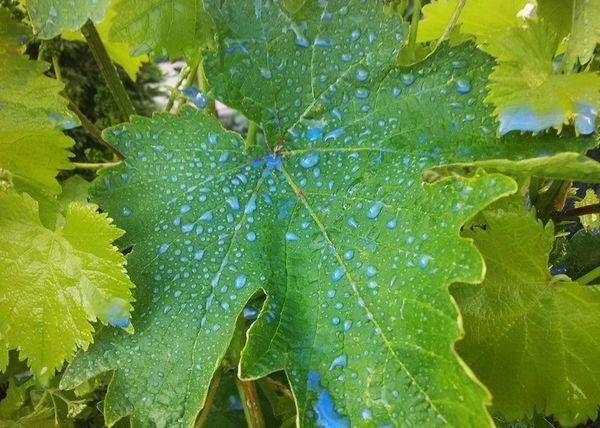
Copper sulfate is used to combat scab, brown and white spot, powdery mildew, and mycosis. Grapes are treated by spraying. To ensure the solution adheres better to the leaves, add laundry soap, milk, or laundry detergent to the solution. For effective results, 100 g of solution per 10 liters of liquid is sufficient. Soaking the seedlings in the solution is recommended to help prevent fungus.
Strengthening the immune system
Before planting, boost the seedlings' immunity by soaking them in a 2% copper sulfate solution. This treatment increases the chances of developing a vigorous bush and producing a high-quality harvest. If an adult plant has become weakened or is prone to disease, spraying is recommended.
Disinfection of damaged parts of grapes
Disinfection of damaged areas of grapes is carried out with a solution prepared using 10 liters of liquid and 100 g of chemical. This concentrate will not harm the plant in any way and will not cause its death.
Instructions for use
To grape processing If the results are positive, certain rules, recommendations, and dosages must be followed. Ignoring these guidelines will result in the plant wilting and dying.
Solution
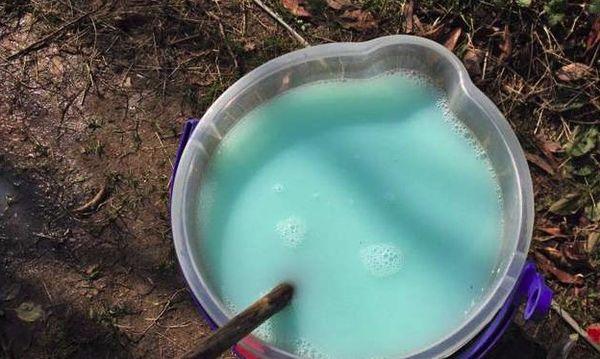
Cooking instructions:
- Use a glass container for mixing.
- Stir copper sulfate into 5 liters of water: for a 1% solution – 100 g, for a 3% solution – 300 g.
- Prepare a solution of slaked lime. Dissolve the powder in 1 liter of liquid, gradually increasing the amount to 5 liters. For a 1% solution, use 100 g; for a 3% solution, use 300-400 g.
- Add soap or another component that will help the product stick to the leaves (mentioned earlier).
- Mix the two solutions.
- Strain the resulting mixture, use immediately after preparation, do not store.
Dosage
To avoid copper overload, it's important to maintain proper dosage, as it varies for different purposes. Purposes and dosages:
- spring treatment – 100 g per 10 l of liquid;
- against scab – 30 g per 1 liter of liquid;
- autumn treatment – 50 g per 1 liter of liquid.
Bordeaux mixture, which contains copper sulfate and lime in a 1:1 ratio, is often used to treat grapes. Soap is also added. The consumption of this mixture for one medium-sized hose is approximately 2 liters.
Processing stages
The crop is treated in the morning or evening, preferably in a windless environment. Use the product described previously in the "Solution" subsection. Personal protective equipment is required when handling the chemical.
If After the grape plot was treated, it rained, then the effect will be insignificant and it is advisable to repeat the procedure after 30-40 days.
Also, for several days after spraying, you should avoid treating the plant with other products or fertilizing.
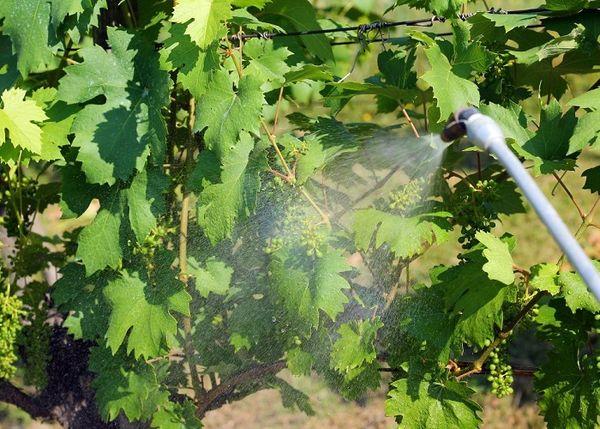
Main stages:
- processing the bush from above;
- spraying the middle tier;
- application of the preparation to the sleeves and trunk;
- irrigation of the support.
When to process
The timing of spraying depends on the desired goal. At least three applications per season are recommended:
- in autumn – helps to destroy fungal infections;
- in spring – disinfection and prevention;
- in summer – suppresses the activity of harmful microorganisms.
It is preferable to spray grapes in the fall, since this is the main treatment for the plant, but the other two should not be excluded.
Spring
Spring treatment is recommended before bud break. It's best to spray grapes when the outside temperature is at least 6-8 degrees Celsius (43-46 degrees Fahrenheit), as copper can cause cooling, which can kill the plant at low temperatures.
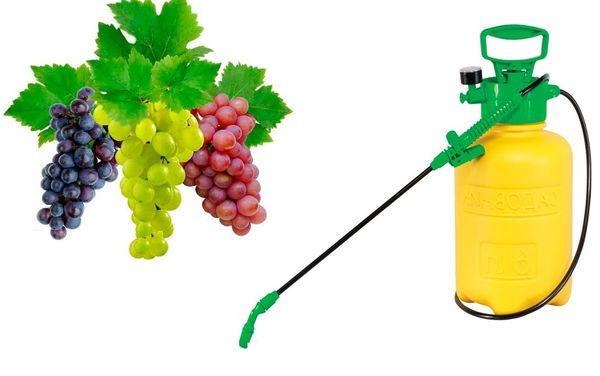
What should be done?
- Free the vine from the covering and secure it to the trellis so that it dries slightly.
- After a few days, spray with a 1% solution.
- Treatment is carried out from all sides of the bush.
Summer
In summer, spraying is recommended only in rare cases, that is, at the first signs of a fungal infection. For treatment, use a weak solution—no more than 0.5%.
Autumn
Spraying is carried out after the harvest has been completed and the foliage has completely fallen. The expected time for this procedure is early to late November. The vines are thoroughly irrigated. This will help protect the crop from infection and the spread of the disease.
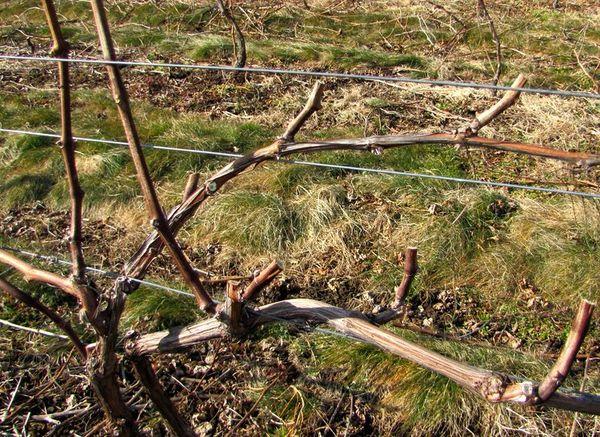
How is the procedure performed:
- Removal and burning of damaged branches and foliage.
- Tying the vines into a bundle.
- Treatment with 1% copper sulfate.
Common mistakes when using
To achieve positive results, it's important to follow the recommendations. Here are some common mistakes gardeners, especially novices, make when using this product:
- Incorrect dosage will result in foliar and fruit burns, which will consequently reduce the quality of the harvest.
- Continuous use of copper sulfate. This chemical should only be used in extreme cases.
- Failure to remove damaged and weak shoots and leaves before treatment. These areas provide a breeding ground for bacteria. For best results, loosen the soil around the bush before treatment.
- Failure to use protective equipment while working. Ignoring this precaution can result in burns to the respiratory tract or mucous membranes of the eyes, mouth, or larynx.
Rules for DIY cooking
To prepare the solution yourself, you'll need 100 g of the chemical, 10 liters of liquid, and lime. Dissolve the copper sulfate in warm water, and dilute the lime separately. Then, mix the two solutions. It's recommended to use a plastic or glass container for preparation.
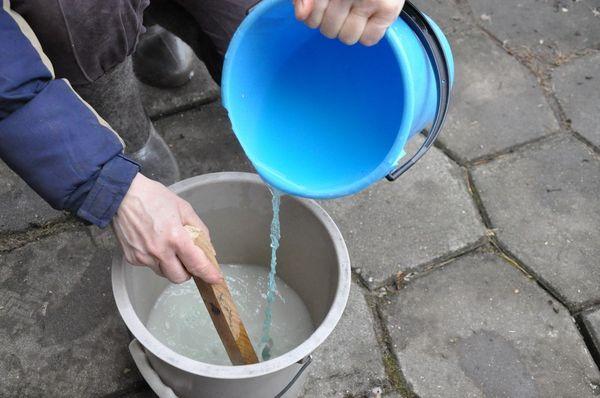 The finished solution should be light blue. If the solution has a green tint, the proportions weren't right during preparation and it turned out acidic.
To reduce acidity, add another portion of lime. The prepared solution can be stored for 24 hours and is ready for processing within 2.5-3 hours.
Safety precautions at work
To avoid harming the plant and your own body, it is recommended to follow safety precautions when working with chemicals:
- Protect your body with special clothing, shoes, and a mask.
- Exclusion of the use of components in the solution other than those indicated earlier.
- The procedure is carried out in the morning or evening.
- Vineyard cultivation in dry, windless weather.
- Spraying the bush and support.
- Summer treatment should be carried out at least 30-35 days before harvesting.
- During work, constantly stir the solution.
- Avoid watering the bush before treatment.
- Irrigation of the entire bush.
If you follow all the rules and recommendations for processing, the grapes will never get sick and will delight you with their harvest.
Related posts:
 Rules for using copper sulfate for cucumbers, how to dilute the product for treatment
 Instructions for using copper sulfate in gardening, how to dilute it
 Ferrous sulfate formula and instructions for use of iron sulfate
 Instructions for using ferrous sulfate for treating grapes
 The best eggplant varieties for growing in a polycarbonate greenhouse: planting and care
 How to combat late blight on potatoes: description and treatment methods
 How to treat grapes for mildew, the best control measures and treatment rules
 The best grape varieties for growing in the Urals, planting and care rules in summer