
- History of selection
- Description and Features
- Appearance
- Taste qualities
- Varieties
- Early
- Fran
- Black
- Blanc
- Tin
- Meunier
- Characteristics of the variety
- Frost resistance
- Drought resistance
- Productivity and fruiting
- Applications of berries
- Disease resistance
- Beneficial properties
- Advantages and disadvantages of the variety
- How to plant correctly
- Recommendations for choosing deadlines
- Site selection and preparation
- How to select and prepare planting material
- Planting diagram
- Care instructions
- Watering mode
- Top dressing
- Pruning and shaping
- Low standard
- High standard
- Protection from birds and insects
- Preparing for winter
- Preventive spraying
- Methods of reproduction
- Cuttings
- Graft
- Layers
- Diseases and pests
- Oidium
- Mildew
- Gray rot
- Phylloxera
- Leaf rollers
- Harvesting and storage
- Tips and advice from experienced gardeners
Thanks to its centuries-old history, Pinot Noir grapes are considered a classic fruit variety and are actively cultivated in many countries around the world to produce elite wines with a unique taste.
Not every grape variety is suitable for producing expensive, elite wines using traditional recipes. However, winemakers have long since identified the elite varieties.
History of selection
Pinot Noir grapes first appeared in ancient France, specifically in Burgundy, a province renowned for its vineyards and high-quality wines. Chronicles from the 14th century mention the variety as an actively cultivated fruit crop.
For a long time, the origins of this berry crop were the subject of speculation, but a genetic analysis of Pinot Noir grape DNA has put all the dots in place. The parents of this popular fruit crop are Traminer grapes and the Pinot Meunier variety.
Pinot Noir grapes undergo frequent natural mutations, which allows for the production of numerous lookalikes and clones of the fruit crop, each with unique characteristics, aroma, and flavor.
Description and Features
This berry crop is not known for its high yields, reacts negatively to weather and climate changes, has a weak natural immunity, and is often attacked by pests and diseases. However, the unique processing properties, flavor characteristics of the berries, and excellent frost resistance offset all of Pinot Noir's shortcomings.
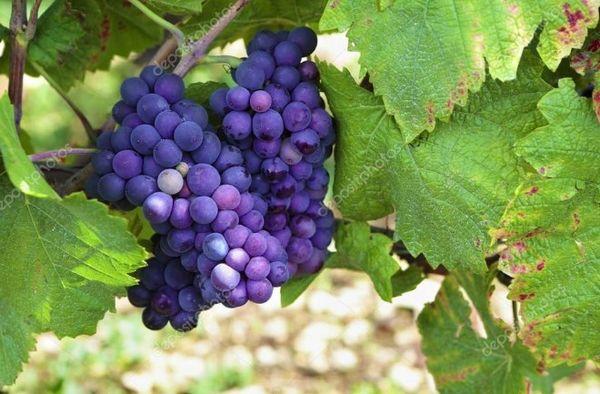
Interesting! Pinot Noir means "black cone" in French. The variety got its name from the unusual shape of its grape clusters and the dark color of its berries.
Appearance
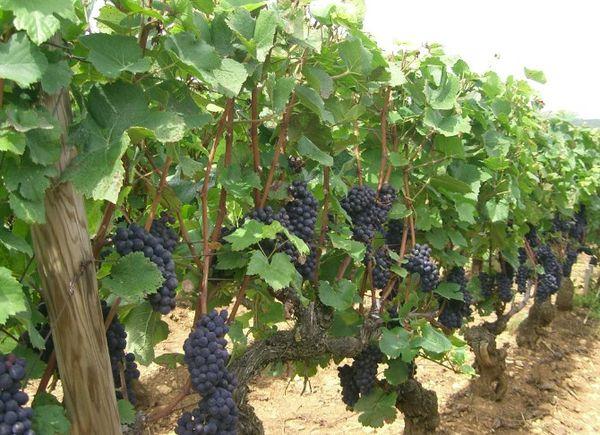
Medium-sized, branched bushes. On young shoots, leaves initially appear yellowish, but during the growing season, they acquire a bright green hue.
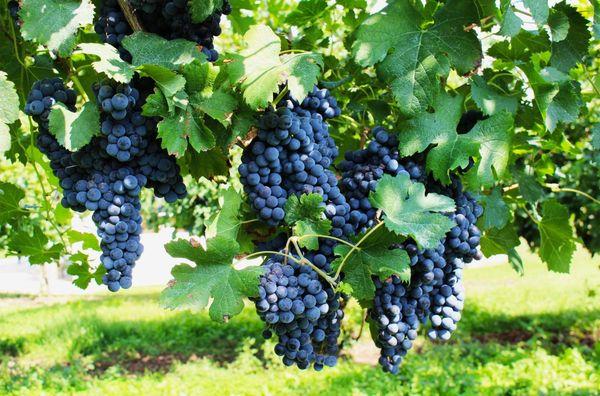
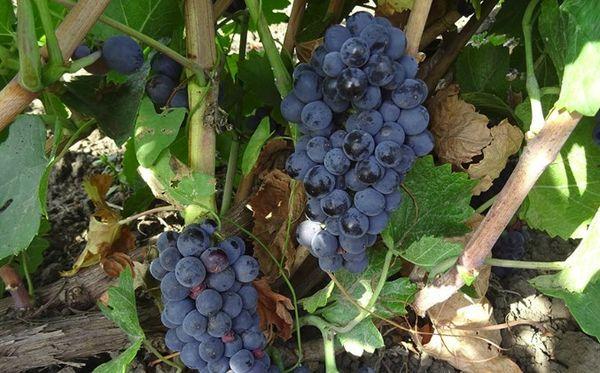
The clusters are dense and small, weighing up to 110 g, with large, dark blue berries. The skin is thin and covered with a protective coating. Due to the dense arrangement, the fruits often become deformed.
Taste qualities
The berries have juicy flesh and a sweet taste, producing colorless juice. Sugar content per 100 g of fruit ranges from 19 to 25%, and acidity from 6 to 8 g/l.
Important! Sugar and acid levels directly depend on the growing region, the number of sunny days, precipitation, and soil composition.
Varieties
As mentioned earlier, Pinot grapes are prone to natural mutations, which has led to a wide variety of varietal clones of the fruit crop.
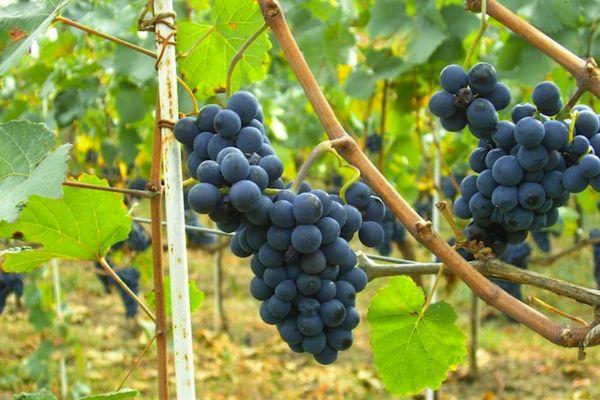
Early
Pinot Ranniy, a variety developed by Russian breeders, is an early-ripening hybrid variety. It takes 125 days from the beginning of the growing season to ripening. This variety is distinguished by its high frost resistance and large, dark-colored berries.
Fran
The Pinot Franc variety is highly drought-resistant and prefers high-altitude soils. The berries are large, dark blue or purple, and ripen early.
Black
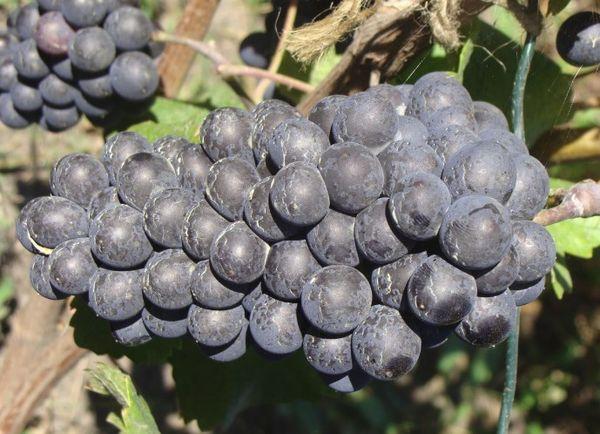
Pinot Noir is considered the most widespread variety of the grape. It thrives and is grown in temperate climates and is widespread throughout the world. It is used for wine production.
Blanc
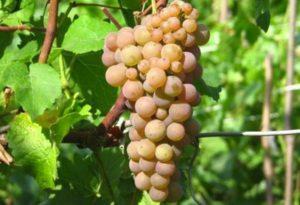
This varietal is distinguished by its light, large berries, high yields, and early ripening. Pinot Blanc is grown in many European countries. In Italy, wines made from this grape variety are called Pinot Bianco.
Tin
An early, commercial variety with dark purple berries. This fruit is frost-resistant, allowing for widespread cultivation. The berries are tart, with a cherry flavor.
Meunier
The Pinot Meunier grape variety is not as widely grown worldwide as its varietal cousins; the majority of the fruit is grown in its native France. The berries are medium-sized and dark purple, almost black.
Characteristics of the variety
Pinot Noir grapes are considered mid-season varieties. It takes 140 to 150 days from the start of the active growing season to ripening. The highest-quality harvests occur during periods of dry, warm autumn weather.
Frost resistance
This fruit crop can withstand temperatures down to -30 degrees Celsius, so it's often grown in temperate regions. In northern regions, bushes are well insulated for the winter.
Drought resistance
Berry bushes can survive short-term droughts, but a prolonged lack of irrigation will negatively affect the quality and quantity of the harvest.
Productivity and fruiting
During the active flowering phase, racemose inflorescences with male and female flowers appear on fruiting shoots, facilitating self-pollination. This fruit variety does not require pollinating neighbors.
The first fruiting occurs in the 3rd to 4th year of bush growth in open ground. However, peak yield occurs when plants are 10 to 15 years old.
A single vine yields 4 to 6 kg of ripe grape clusters. In commercial production, the yield rarely exceeds 6 tons per hectare. Experienced winegrowers sometimes manage to increase the yield to 10 tons of berries.
 Important! Pinot Noir grape yield depends on soil composition, care, weather conditions, humidity, and the number of warm, sunny days.
Applications of berries
Pinot Noir is a technical grape variety used for processing and further production of dry, table, dessert and sparkling wines.
The wine material obtained from these grapes is the basis for the production of the best varieties of French champagne.
At home, juice is squeezed from berries, nectars are made, and delicious compotes are cooked.
Disease resistance
Berry bushes are rarely affected by diseases and pests due to their strong, natural immunity. The only fungal disease against which the plant is immune is gray mold.
Beneficial properties
Grapes contain many amino acids, antioxidants, minerals, dietary fiber and vitamins that are beneficial for the body.
Daily consumption of grapes improves heart and gastrointestinal function, stabilizes the nervous system, and alleviates insomnia.
Grape seeds are valued in the cosmetics industry, as they contain substances that help improve the structure of skin and hair.
Interesting! It has been scientifically proven that dry wines remove harmful and dangerous substances from the body. Drinking small amounts of natural wine is recommended during exposure to radiation and high levels of radiation.
Advantages and disadvantages of the variety
Not every gardener or vegetable grower will dare to grow demanding wine grape varieties on their plot. But if the decision is made, it's important to thoroughly understand the pros and cons of growing this fruit crop.
Advantages.
- The plants' resistance to severe frosts allows the variety to be cultivated in moderate and cold climates.
- The compact size of the bushes allows for growing fruit crops in small areas.
- Relative resistance to diseases and pests.
- Excellent berry characteristics for the production of high-quality wines.
The disadvantages of Pinot Noir grapes include low yields, which depend on weather conditions and soil composition.
How to plant correctly
Growing Pinot Noir grapes is a painstaking but rewarding endeavor, resulting in a delicious, noble wine.
Take a look Also
Recommendations for choosing deadlines
The timing of planting fruit crops depends on the climate and weather conditions of the growing region.
In the south, grapes are planted outdoors in the fall, after the harvest. In temperate climates, plants require more time to establish and develop, so planting is done from mid-March to the second half of May.
Site selection and preparation
The berry crop prefers well-lit areas, protected from northern winds and strong drafts.
The presence of groundwater is permitted at a level of at least 3 m from the soil surface.
The soil for planting grapes should be loose, fertile, with low or neutral acid content.
- The area is dug to a depth of at least 70 cm, weeds are removed, and the soil is loosened.
- The soil is mixed with organic and mineral fertilizers.
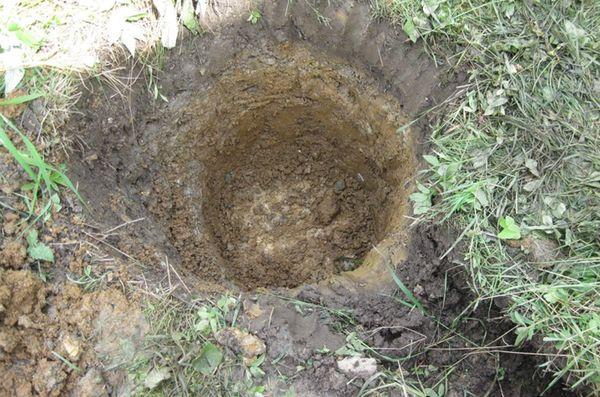
- 2-3 weeks before planting, dig holes 80 cm deep and wide.
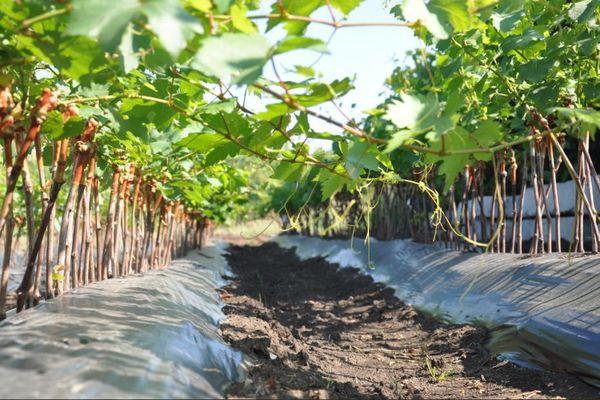
- The distance between plantings is left from 1 to 1.5 meters, between rows 2 m.
- Broken stone and a layer of fertile soil are placed at the bottom of the hole, and a support peg is driven in.
The holes are thoroughly watered and left until the start of planting.
Tip! Amend heavy, clayey soil with humus and a small amount of river sand.
How to select and prepare planting material
It is best to purchase seedlings from reputable garden centers and nurseries.
The plant is inspected for damage and pest and disease infestations. The seedling must have fruit buds or green leaves. The roots are well-developed, moist, and free of compaction and cuts.
Before planting, seedlings are soaked for 8-10 hours in warm water, and the roots are treated with antibacterial preparations.
Planting diagram
On the day of planting, the rhizomes of the plants are cut, leaving only long and developed shoots.
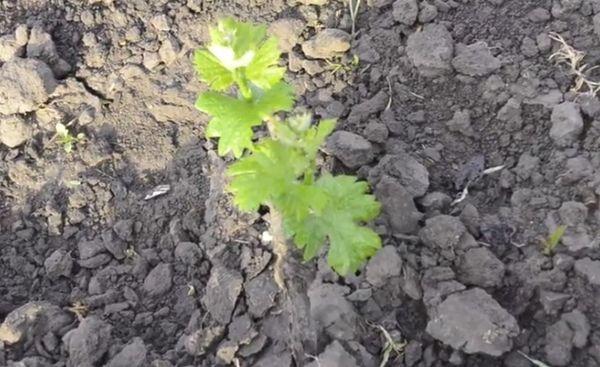
- The seedling is placed in the planting hole.
- The roots are distributed in the hole and covered with a fertile mixture.
- The soil under the bush is compacted, and the seedling is secured to a peg.
- The plant is watered and the soil is mulched with humus.
Tip! To help the seedling establish and root faster, it's recommended to prune the plant by 2-3 buds.
Care instructions
Grape care rules include timely watering, fertilizing, preventative plant treatments, and proper pruning of grape bushes.
Watering mode
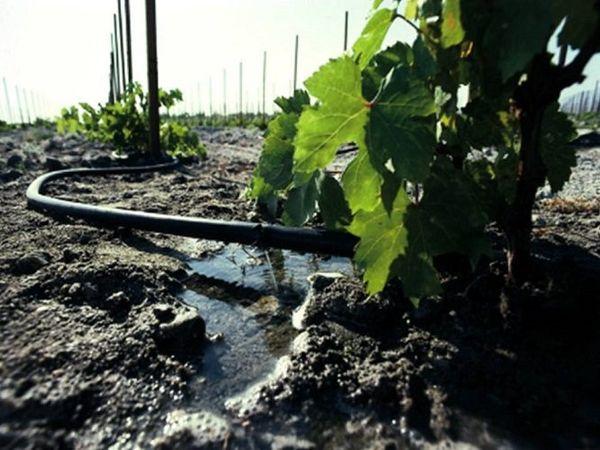
Grapes are watered infrequently, but generously. The first irrigation is done before the growing season begins. Subsequent irrigation sessions are scheduled a few days before flowering. The vines are also watered during the fruiting period. The final irrigation is done after harvest.
From 30 to 50 liters of moisture are poured onto each bush.
Top dressing
Grapes require additional nutrition in the form of fertilizers and fertilizers. In the spring, the plants are fertilized with nitrogen-rich organic matter. During the flowering and fruiting phases, grapes require phosphorus and potassium fertilizers. In the fall, humus and a balanced mineral complex are added to the soil.
Pruning and shaping
Sanitary and formative pruning of grape bushes is carried out annually.
Low standard
Growing grapes on low stems is practiced in southern regions. In the fall, young fruit-bearing shoots are pruned back to 6-7 buds, and dry, old, and broken branches are removed completely.
High standard
Growing grapes on tall stems allows for longer daylight hours and improves ventilation. This growing method is best used in regions with temperate and cold climates.
Protection from birds and insects
Ripening grapes always attract the attention of birds and wasps, which feed on the juice of the fruit and cause serious damage to the crop.
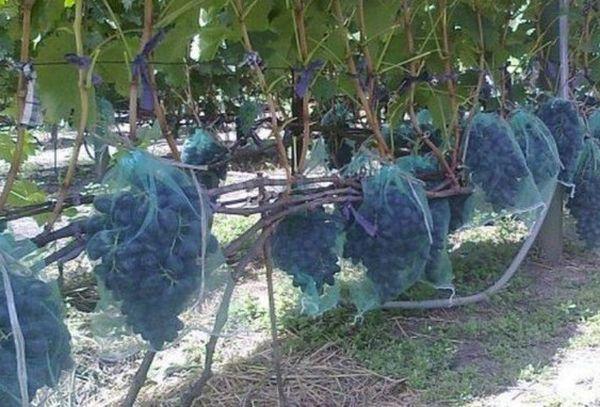
To repel birds, shiny ribbons or old disks are hung on the bushes. To keep wasps and birds away, fine mesh is stretched over the bunches of berries, making it difficult to reach them.
Preparing for winter
Before winter dormancy, the grapes are watered generously, fertilized, the trunk circle is mulched with a thick layer of humus and insulated with dry grass or spruce branches.
Take a look Also
The plants are removed from their supporting structures, bent to the ground and covered with film, burlap or special fibre.
Preventive spraying
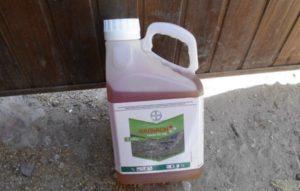
Preventive treatments of grape bushes are carried out in early spring and late autumn.
Plants are sprayed with chemical or biological agents to protect against diseases and pests.
Methods of reproduction
You can obtain a new population of seedlings yourself by propagating grapes using vegetative methods.
Cuttings
In late spring, a strong, long shoot is cut from a mature bush and divided into identical cuttings 25 to 35 cm long. Each cutting must have 2-3 fruit buds or green leaves.
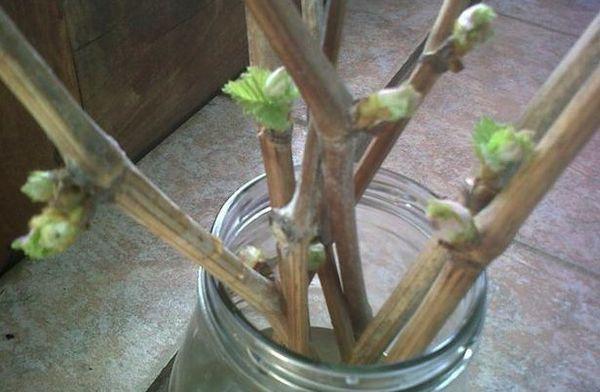
The cuttings are planted in pots with fertile soil, and in the fall, the rooted plants are transferred to open ground.
Graft
Young shoots, divided into cuttings, can be grafted onto an old bush, which acts as a rootstock.
Layers
From a mature bush, select the lower shoots, bend them toward the ground, and cover them with soil, leaving the top of the layer exposed. In the fall, dig up the layer, cut it from the bush, and plant it in a separate hole.
Diseases and pests
According to gardeners and farmers, grapes are most often affected by fungal diseases.
Oidium
A fungal infection of the above-ground parts of bushes. It manifests as a white, powdery coating on leaves, ovaries, shoots, and berries, accompanied by an unpleasant, rotten odor. The disease spreads rapidly and can completely destroy the crop and harm the plant.
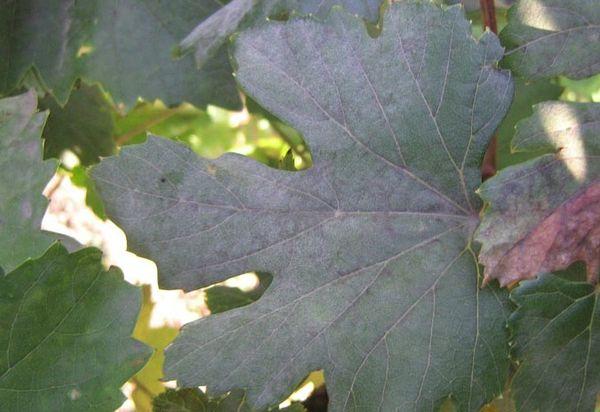
Treatment involves spraying bushes and soil with biological and chemical pesticides.
Mildew
The fungus appears as dark spots on leaves and a grayish coating on berries. Bushes are treated with fungicides and sulfur-based preparations.
Gray rot
Gray mold can destroy an entire berry crop in a short period of time. It appears as a gray moldy coating and dark spots.
To combat the disease, agents based on fungicides, copper and sulfur are used.
Phylloxera
Grape aphids, native to the United States, attack both the above-ground and underground parts of the plant. If sulfur is not applied promptly, the grapevine will die.
For treatment, the soil and plants are sprayed with insecticide-based preparations.
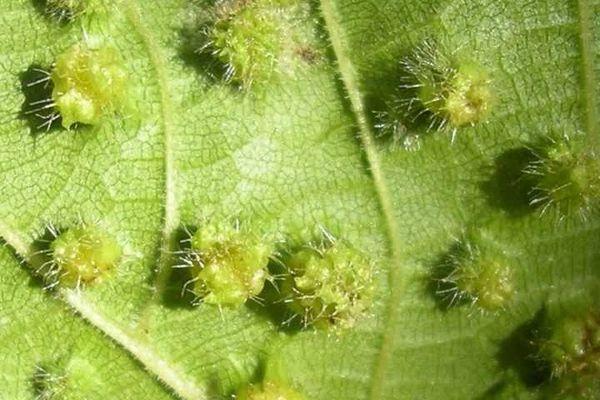
Leaf rollers
The pest is especially dangerous in the caterpillar stage, which eats all the green mass of the plant, from the leaves to the berries.
To combat leaf rollers, chemical insecticide-based pesticides are used.
Harvesting and storage
The timing of the Pinot Noir grape harvest is regulated depending on the further actions of the winegrower.
To use the berries as material for red wines, the bunches are left on the bushes longer to enrich them with sugars.
For the production of table wines and champagne, grapes are harvested earlier.
Harvested grapes are immediately sent for processing. The juicy berries have a short shelf life, so efforts are made to deliver the fruit to the processing plant as quickly as possible.
Tips and advice from experienced gardeners
According to professional gardeners, the Pinot Noir grape variety is easy to grow and care for. However, climate and weather conditions can either enhance the berries' flavor or ruin the harvest completely.
Related posts:
 Description of 30 grape varieties for Siberia, planting and care for beginners
 The ripening time of grape vines by variety, how to speed up the process, and what to treat the plant with
 Description and technology of growing Pinot Grigio grapes
 How to grow grapes in the Moscow region in open ground without a greenhouse
 Description of the Julian grape variety, planting and care instructions
 Description of 30 varieties and types of Muscat grapes, planting, cultivation and care
 Description of the Krasotka grape variety, planting and care technology
 Description and characteristics of the Laura grape variety, planting and care