
- Description of the pest
- Appearance
- Signs of presence
- Life cycle
- Route of infection
- What does it eat?
- Types
- Ordinary
- Turkestan
- Garden
- Grape itch mite
- Kidney
- How harm can it cause
- Methods of control
- Removing weeds and fallen leaves
- Burning the vines left after autumn pruning
- Careful selection of grafting material
- Omayt
- Flumite
- BI-58
- Sanmite
- Lufox
- Mavrik
- Aktofit
- Thiovit Jet
- Fitoverm
- Fufanon
- Sulfur treatment
- Traditional methods
- Onion and garlic infusion
- A solution of laundry soap
- How not to confuse it with mildew
- Preventive measures
- Destruction of last year's foliage
- Digging
- Removing the lower leaves of the bush
- Timely garter
- Compliance with the watering regime
Grape mites are a dangerous pest that cause serious damage to plants. To detect them promptly and take the necessary measures to eliminate the problem, you need to know the signs of their presence and the steps to take to get rid of them. There are many different types of grape mites, each causing varying degrees of damage to the plant.
Description of the pest
The grape mite is found almost everywhere and naturally prefers to live in areas where grapes grow. To identify the pest, you need to know what it looks like.
Appearance
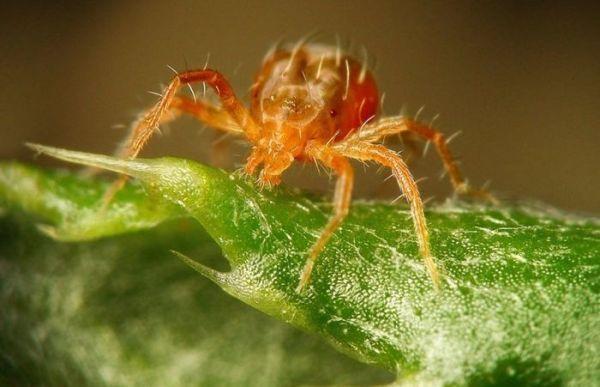
This pest has a worm-like body, resembling a cylinder. The grape spider mite is white or yellowish in color. Its posterior surface is covered with forward-facing setae, and its abdomen is covered with numerous rings containing small spines.
Signs of presence
Detecting a mite in the early stages of an infestation isn't easy. They're very small and difficult to see with the naked eye. Raised red spots on the leaves and a fluffy white coating on the undersides may indicate a mite infestation.
Life cycle
The grape mite lives for no more than 2 months, depending on the conditions it lives in. A female lays up to 8-10 clutches of eggs over the course of her life, containing between 30 and 300 eggs.
Route of infection
The optimal time for grapes to be infested by mites is bud break. During this period, the pests are carried by wind, other insects, and birds. A large number of mites can cause significant damage to the grape harvest.
What does it eat?
When the spider mite larvae hatch, they begin to forage for food in the form of shoots and leaves. After two weeks, they become sexually mature. The spider mites begin to feed on leaf tissue. This causes yellow spots to appear on the leaves, after which they dry out completely.
Types
There are over 70 species of grape mite. The most common are the common grape mite, the bud mite, the grape mite, the garden mite, and the Turkestan mite.
Ordinary
During the winter, the common spider mite hides in weeds, fallen leaves, and the bark of grapevines. The eggs it lays are initially light-colored, but over time, they turn yellow or orange.
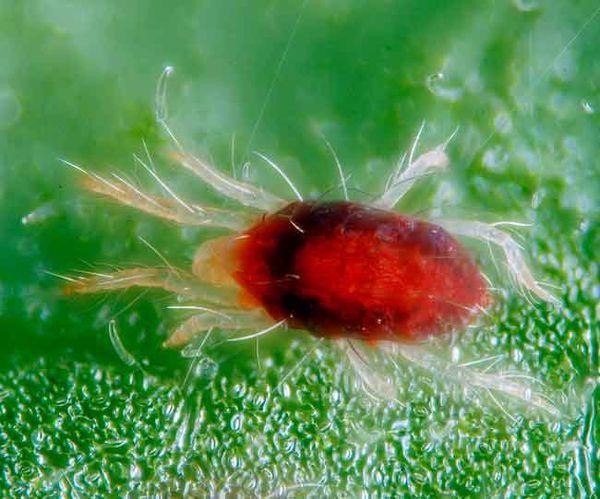
The pest lives on the underside of leaves. The spider mite prefers temperatures of 25-35 degrees Celsius and 50% humidity. This means that hot, dry summers are favorable conditions for the insect.
Turkestan
This parasite spends the winter in small colonies in plant debris and weeds near grapes.
The Turkestan mite can be seen on plants in June and July. Females of this species are highly fertile.

On average, they can lay about 500 eggs. Females live for approximately 2.5 months.
Garden
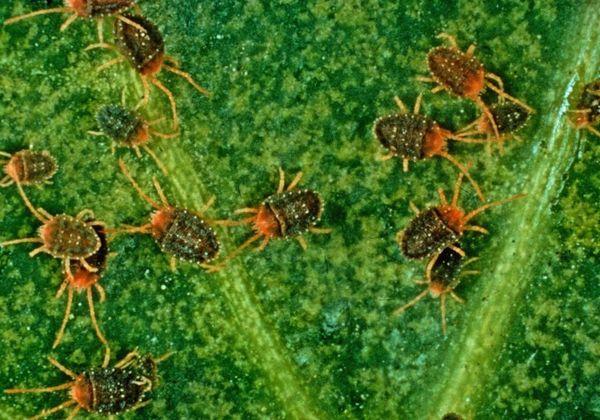
The most damaging insect to grapes is the garden mite. Adults have an oval-elongated body tapering at the back. Females are orange-red (in winter) and greenish-yellow (in summer). Males are yellow-green. The parasite overwinters in colonies in bark crevices and on grape vines. The insects become active in spring, when temperatures reach 12 degrees Celsius and buds begin to open.
Grape itch mite
The felt itch mite is the most common pest that attacks grapes. Adults have an oval body, yellow or white in color, and are small—0.2 mm. They overwinter in colonies (up to 1,000 individuals) in organic debris, bark cracks, and grape buds.
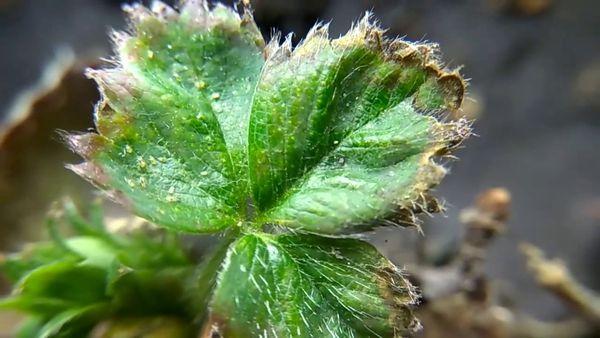
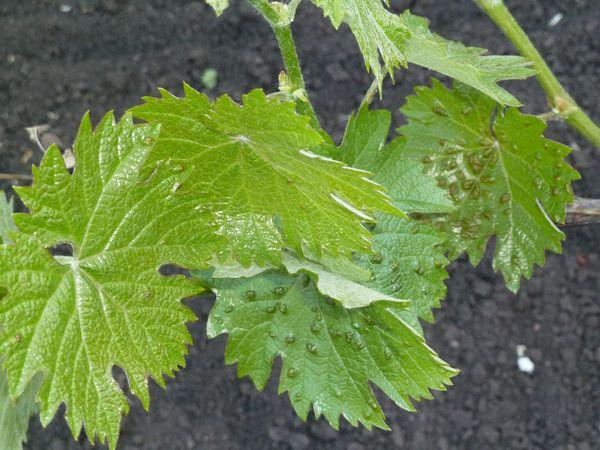
The mite is transmitted by other insects, birds, animals, and wind. Signs of infestation include concave, oval lesions on the underside of leaves. The affected areas become covered with a thick, white, felty layer.
Kidney
The grapevine bud mite causes severe damage to grapevines. It feeds inside the buds, damaging the rudiments and embryonic cells of the nodes and internodes of the plant's leaves. This species of mite reproduces bisexually. A female can produce approximately 6-9 generations over the course of a summer.
How harm can it cause
The grape mite's primary food is berry juice. When it consumes it, enzymes are released that cause the leaves to become deformed. The upper surface of the leaves develops concave bumps. A fluffy white coating develops on the underside, which serves as a hiding place for the pest. The negative impact of the insect causes a decrease in the yield.
Methods of control
The harvest can be saved if the pest is identified in time and immediate control is started.
Removing weeds and fallen leaves
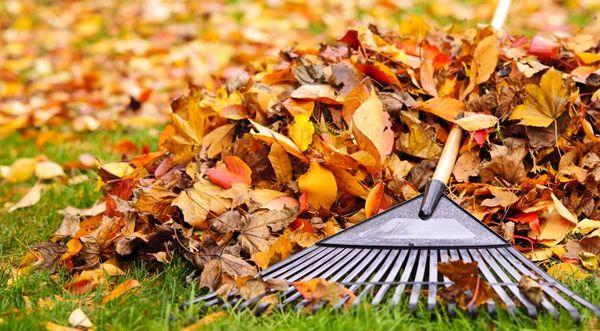
Experienced gardeners know how to combat grape mites. The main rule is to implement proper agricultural practices. With the arrival of spring, it's essential to remove all fallen leaves and weeds, as most species of this pest overwinter on fallen leaves.
Burning the vines left after autumn pruning
If there are obvious signs of mite presence on a grapevine, the affected vine should be immediately pruned, along with any affected leaves. All infected vegetation should be collected and burned away from the grapevines. This is the right start to grapevine mite control, as it will reduce the number of larvae and adult insects.
Careful selection of grafting material
Grafting material is used for severe and moderate infestations. Chemical preparations containing sulfur are the most effective. They can be used at temperatures starting from 20 degrees Celsius.
Omayt
Omite is a broad-spectrum insecticide. It quickly penetrates leaves and is resistant to rain and scorching sun. To prepare the mixture, dilute the product in water (10-20 ml per 5 liters). The solution is sufficient to treat an area of approximately 10 square meters. Omite is active for 3 days and protects grapes for 1 month.
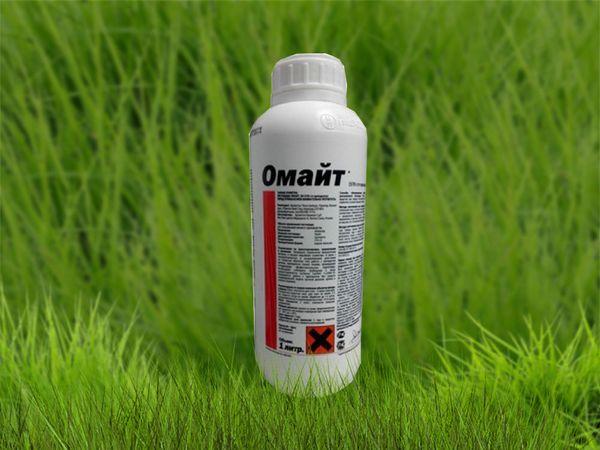
The mixture should not be stored for more than an hour and a half. It is recommended to apply the mixture to the plant immediately after preparation.
The drug is not compatible with other products that contain oils and have a high alkaline balance.

Flumite
Flumite remains effective throughout the tick's entire life cycle. It destroys winter egg laying. To prepare the mixture, dissolve the required amount of the product in a small amount of water. Then add the required amount of water.
BI-58
This is a reliable insecticide. Treatment is carried out during the growing season. The required number of sprayings is two. The recommended amount of concentrate for treating plants against grape mites is 1.2-2.8 kg per hectare. 500-1000 liters of the mixture is sufficient to treat one hectare.

Sanmite
"Sanmite" is a product used to combat various types of grape mites at any stage of their development. To prepare the mixture, dissolve 5 g of the product in a small amount of water. Then, add more water to bring the volume to 5 liters and spray it on the grapes.
Do not treat the plant while it is in bloom, as the product poses a moderate risk to bees. Avoid allowing the product to enter water bodies. The withholding period is one month.
Lufox
The product is effective during the period when the pest is transitioning from one developmental stage to another. Treatment should be carried out early in the morning or evening when there is no wind. Avoid contact with other plants. After spraying, thoroughly rinse the sprayer.
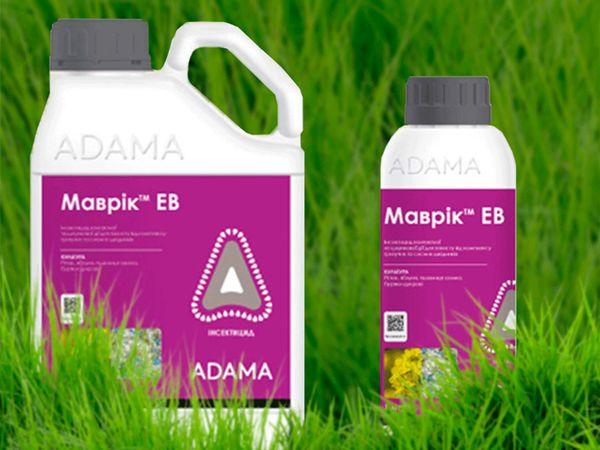
Mavrik
"Mavrik" is an effective, long-acting product. This property ensures high phytostability, which helps control pests for 15-30 days from the date of application. The best time to treat grapes with "Mavrik" is during the growing season. 800 liters of the prepared mixture is sufficient for 1,200 hectares.
Aktofit
The product is of biological origin. Spraying should be carried out in calm, clear, and dry weather, when precipitation is unlikely within the first nine hours after application. Application is carried out using a sprayer with a fine mist and uniform wetting of the surface being treated.
Thiovit Jet
This product dissolves completely and quickly, forming a homogeneous, stable mixture. It has a long-lasting effect. This fungicide is effective against many types of grape mites. It disrupts the processes in pathogenic plant cells.
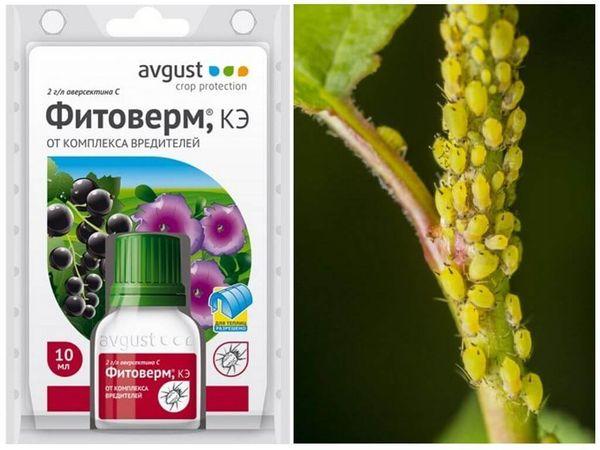
Fitoverm
When treating grapes with Fitoverm, the period before harvest is three days. This is beneficial, as other treatments remain on the berries for up to a month. However, it's not, as the protection wears off and a second treatment is necessary. Grapes are treated with this product immediately after flowering, when ovaries begin to form (if high temperatures have triggered rapid insect reproduction).
Fufanon
This product is a broad-spectrum insecticide. The mixture is prepared by mixing 5 mg of the product with 1.5-2 liters of water. Then, add water to reach 5 liters. Apply the mixture to the grapevines. Apply 3-4 liters per plant. Repeat the spraying after 10 days.
Sulfur treatment
Colloidal sulfur (75%) is effective against every type of grape mite. It doesn't kill the pests on its own. The insects are killed by sulfur reduction products. When sulfur penetrates the mite's cells, it reacts with oxygen to produce hydrogen sulfide, which is toxic to the pest. One effective treatment is Thiovit, which contains sulfur.
Traditional methods
In the early stages of a grape mite infestation, you can use traditional methods of control. They are just as effective as chemical treatments.
Onion and garlic infusion
Treating plants with natural remedies has a powerful effect on the pest. Gardeners find garlic and onion decoctions effective in this regard.
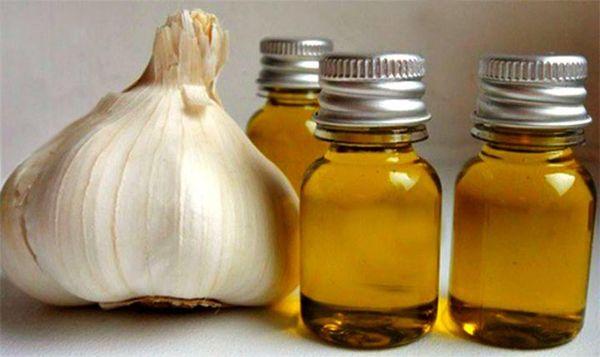
To prepare the mixture you will need:
- onion peel or squeezed garlic;
- 5 liters of water.
Dissolve these ingredients in 5 liters of water and let them steep for 12 hours. Then spray the plant with the mixture. This treatment can be repeated daily.
A solution of laundry soap
To prevent grape mite attacks, treat the vines with a mixture of laundry soap and water in the spring. To prepare the solution, add two bars of finely chopped laundry soap to warm water (5 liters) and let the mixture steep in a dark place. Spray the vines after two days.
How not to confuse it with mildew
Grape mites have symptoms similar to mildew. To identify the insect, run your finger over the felty coating; if it remains, it's a grape mite. This is a crucial sign, as treatment depends on the pest species.
Preventive measures
To prevent grape mite infestations, certain preventative measures are taken. It's much easier to prevent the insects from appearing than to try to get rid of them.
Destruction of last year's foliage
When grape mites appear on a plant, they cause the most damage to the lower leaves. Therefore, the affected areas are removed and destroyed.
Digging
The next step in protecting grapes is digging the soil around the trunk. This is recommended in spring or fall.
Removing the lower leaves of the bush
To achieve maximum results from removing the lower leaves of the bush, the procedure is carried out in the evening or early in the morning, preferably on a cloudy day, so that the fruits do not get sunburned.
Leaves are removed with scissors where they attach to the petioles. Such preventative measures can not only effectively control insects but also eliminate the need for chemical treatments.
Timely garter
A neglected and poorly ventilated area creates favorable conditions for the reproduction of pests.
Therefore, it's essential to tie up shoots promptly and perform all grapevine care properly. Raising the vines on special supports will also help reduce the plant's susceptibility to disease.
Compliance with the watering regime
An equally important preventative measure is maintaining a regular watering schedule. This should be done throughout the season. The plant's soil should be adequately moist. However, overwatering should be avoided, as this can cause the plant to die.
Related posts:
 How to grow grapes in the Moscow region in open ground without a greenhouse
 Description of the Julian grape variety, planting and care instructions
 Description of the Krasotka grape variety, planting and care technology
 The ripening time of grape vines by variety, how to speed up the process, and what to treat the plant with
 Description and characteristics of the Preobrazhenie grape variety, planting and care
 Description and characteristics of the Codryanka grape variety, ripening period and care
 Description and characteristics of the Laura grape variety, planting and care
 Description of 30 grape varieties for Siberia, planting and care for beginners