
- Description and characteristics of the hybrid
- History of selection
- Properties
- Caloric content
- Benefits and harms
- Acidity
- Bush characteristics
- Vine
- Bunch
- Productivity
- Taste qualities
- Winter hardiness and drought resistance
- Disease resistance
- How to plant correctly
- Recommendations for choosing deadlines
- Site selection and preparation
- How to select and prepare planting material
- Planting diagram
- Care instructions
- Watering
- Top dressing
- Mulching
- Garter
- Disease prevention
- Bird protection
- Pest control methods
- Wasps
- Spider mite
- Leaf roller
- May beetle larvae
- Preparing for winter
- Pruning and shaping
- Methods of reproduction
- Cuttings
- seedlings
- By grafting method
- Layering
- Advantages and disadvantages of the variety
- Harvesting and storage
- Tips and advice from experienced gardeners
Seedless grapes are especially popular with consumers. The berries can be eaten fresh or used to make delicious and healthy raisins. This is precisely the quality of the Kishmish 342 grape variety. Besides being seedless, the berries boast excellent flavor. Below is information about the breeding history, properties, planting, care instructions, and propagation methods of Hungarian-bred grapes.
Description and characteristics of the hybrid
The Kishmish 342 grape is an early-ripening variety with universal application. Some winegrowers are familiar with its other names—Vengersky (Hungarian) grape and Gf 342. The variety reaches full maturity in 3.5 months. Kishmish 342 is adapted to temperate climates and can be grown in the Urals and Belarus.
History of selection
The variety was developed by Hungarian breeders. They crossed the Sidlis Perlet and Vilar Blanc grapes. The former produces early fruit and has a dessert-like flavor from its seedless pulp, while the latter ripens late and produces berries for industrial use. Kishmish 342 inherited only the best qualities from its parents.
Properties
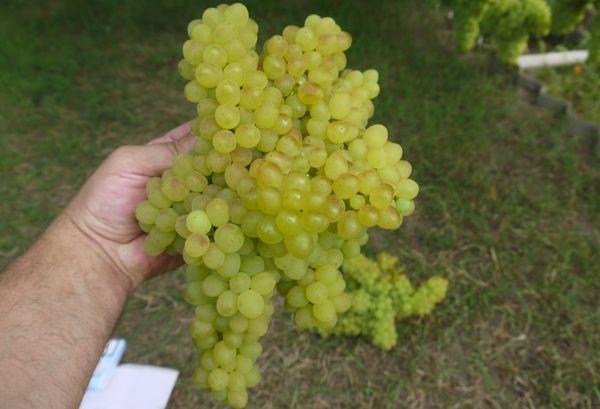
Despite the small size of the berries, Kishmish grapes are in high demand among consumers. This is due not only to the pleasant taste and aroma of the fruit, but also to the absence of seeds in the pulp.
Caloric content
The energy value of Hungarian grapes is 69 kcal per 100 grams. They are rich in carbohydrates (17.2 grams), and also contain protein (0.72 grams), fat (0.16 grams), vitamins, and many beneficial micro- and macronutrients.
Benefits and harms
Kishmish 342 grapes bring the following benefits to the human body:
- strengthens the walls of blood vessels;
- removes bad cholesterol;
- normalizes the functioning of the gastrointestinal tract;
- has an antioxidant effect;
- improves complexion;
- removes heavy metals;
- has a diuretic effect.
While grapes may be beneficial, they can also be harmful. They should not be consumed by people with diabetes, liver disease, or tooth decay.
Acidity
Grapes contain a high sugar content—20-21%—and acidity is 6.5-7.5 grams per liter. These characteristics are both an advantage and a disadvantage of this variety: ripe berries are susceptible to wasps, a real scourge for grapes.
Bush characteristics
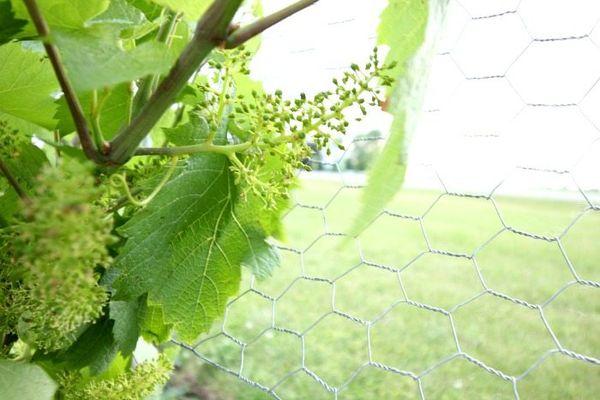
Kishmish 342 is a tall plant with well-branched shoots. This characteristic should be taken into account when choosing a planting site. The variety is self-fertile, so interplanting with other grape varieties is not necessary for pollination.
Vine
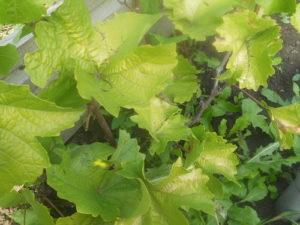
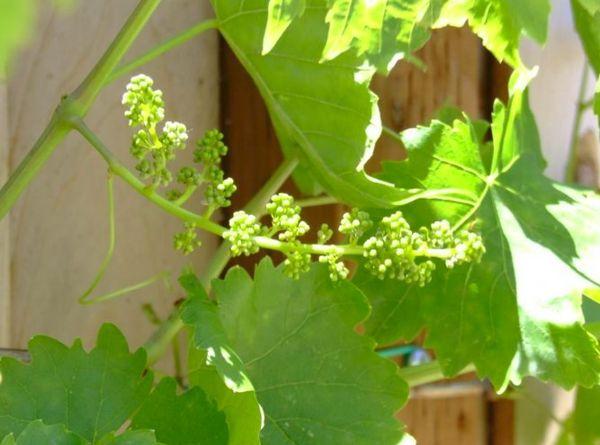
The grapevine canes of a mature plant are thick and woody, capable of reaching a length of 5 meters. Young vines are smooth and green. The leaves are large, dissected into three parts. They are located on large petioles attached to the vine.
Bunch
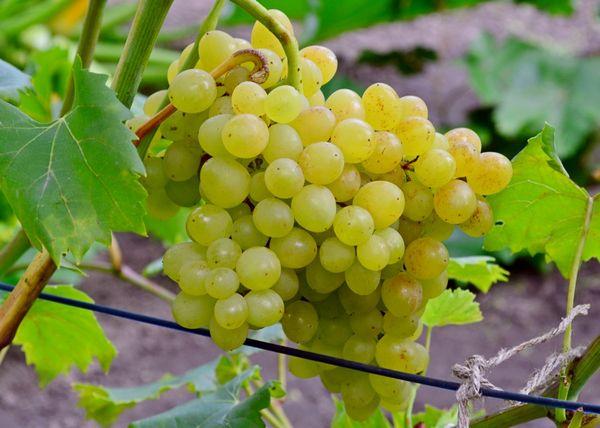
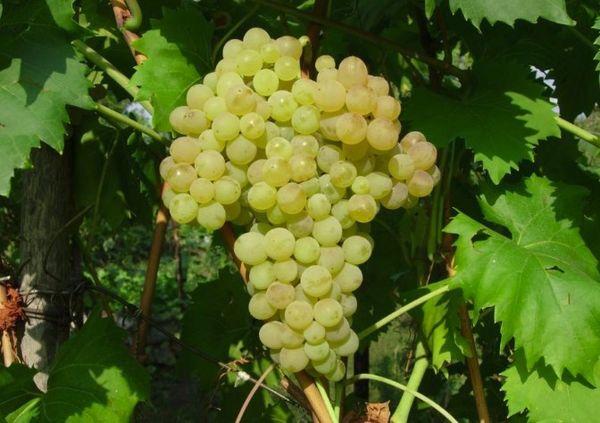
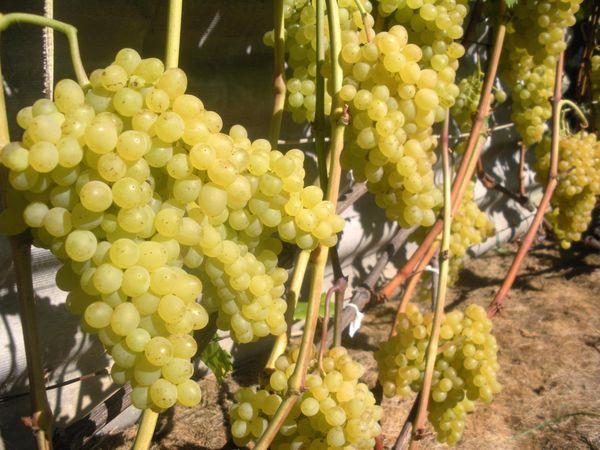
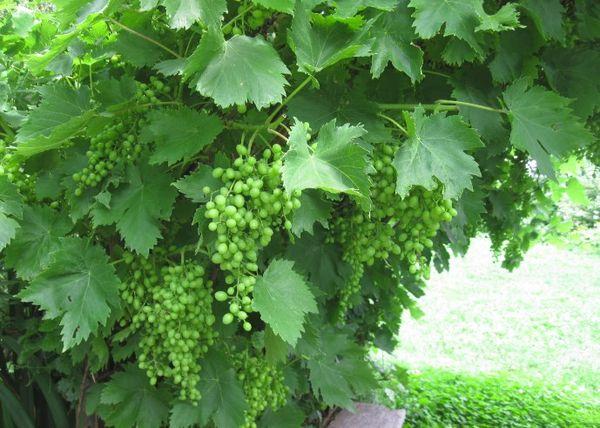
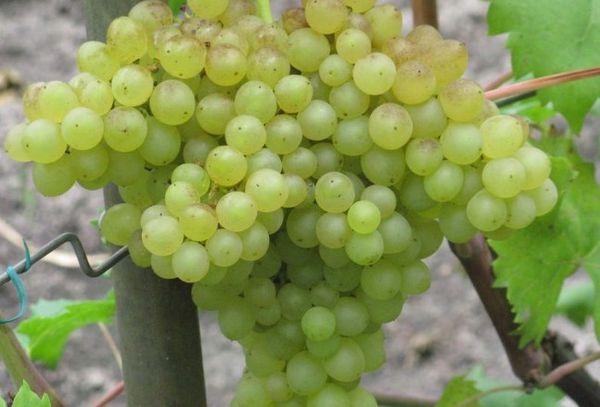
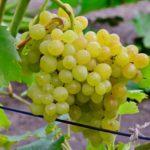
The grape bunch is cylindrical, weighing between 400 and 900 grams. The berries are oval, green-yellow, and weigh 3-4 grams. On older vines, the clusters grow larger than on younger shoots.
Productivity
Under favorable conditions, a gardener can harvest 20-25 kilograms of berries per bush. Yield is affected by weather conditions and the work the grape grower performs throughout the season. Kishmish 342 produces fruit consistently. The berries are harvested in August.
Please note! Kishmish 342 grapes can be used to make raisins directly on the vine by twisting the bunch: the berries are first sun-dried, then allowed to dry naturally on the vine.
Taste qualities
The Kishmish 342 grape has thin skin and a dense, sweet flesh with a Muscat aroma. Experts gave the berries a score of 9.5 out of 10. The seedlessness of the fruit played a significant role in this rating.
Winter hardiness and drought resistance
Hungarian grapes can withstand temperatures down to -26°C without shelter. This characteristic makes them suitable for cultivation in central Russia. The variety is drought-resistant and requires irrigation during periods of severe drought.
Disease resistance
The Kishmish 342 grape variety has a high immunity, but under unfavorable conditions it can be susceptible to mildew, anthracnose, and gray mold. To prevent these diseases, spray the bushes with antifungal agents starting in early spring.
How to plant correctly
To avoid disappointment with your chosen variety in a few years, choose seedlings from reputable producers or retailers.
Recommendations for choosing deadlines
Grapevines are planted in spring or fall. Experienced winegrowers recommend planting in temperate climates in the spring, after the threat of frost has passed, to allow the vines to establish themselves well before the onset of winter frosts. In southern regions, grapevines can be planted in the fall, in late September or October.
Site selection and preparation
Experts recommend choosing the sunniest location for the Kishmish 342 variety. Ideally, the vines should be planted near the southern wall of buildings: this will ensure the grapes receive maximum sunlight and are also protected from the wind.
The area is cleared of debris, dug over, and loosened. About two weeks before planting, a hole is dug. A substrate made from garden and wood soil, organic matter, and ash is filled into it.
How to select and prepare planting material
The quality and quantity of the harvest largely depends on the planting material. Therefore, before purchasing, carefully inspect the seedlings: they should have firm, dent-free, blemish-free vines and a vibrant, unbroken root system. To facilitate root establishment, the roots are soaked for 24 hours in a container containing water mixed with a growth enhancer.
Planting diagram
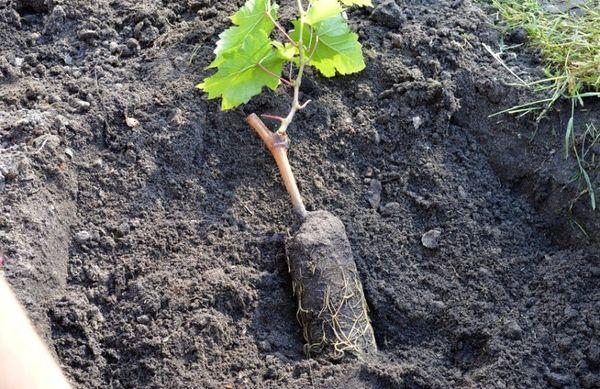
A hole measuring 80 x 80 centimeters is dug for the Kishmish 342 grapes. The distance between seedlings is 1-2 meters, and between rows, 3 meters. Planting is performed as follows:
- a seedling is placed in the middle of the planting hole, the roots are straightened, and covered with a small amount of soil;
- pour plenty of water into the hole;
- fill in the remaining soil.
A stake is driven in next to the bush, to which the first shoots are subsequently tied.
Care instructions
To harvest a high-quality crop, you need to pay attention to the grapes throughout the season: water them during dry weather, feed them several times, tie them up, prune excess vines, and spray them with antifungal agents as a preventative measure.
Watering
Kishmish 342 grapes don't require frequent watering. If it rains in the summer, additional soil moisture isn't necessary. On the contrary, too frequent watering can lead to fungal diseases. Irrigation is only necessary during periods of prolonged drought.
Top dressing
In spring, grapes are fed with nitrogen to promote stem and leaf growth. In midsummer, the vines are fertilized with a potassium-phosphorus mixture to ensure high-quality grape clusters. In late fall, the plants are fed with compost, humus, and wood ash.
Mulching
Grape vines are mulched with dry grass, straw, and sawdust. This will help retain moisture in the soil and slow down grass growth around the trunk. Mulch will also prevent a crust from forming on the soil surface, which can impede root respiration.
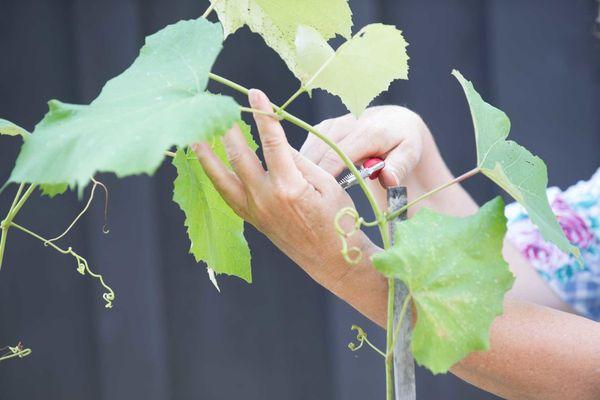
Garter
When planting grapes, a support is dug into the ground and the vines are tied to it. This prevents branches from breaking in gusts of wind. Additionally, the gardener uses the support to direct the vine's growth.
Disease prevention
One way to prevent diseases is to remove weeds and fallen leaves from the tree's trunk. Additionally, it's important to prune weak shoots, which only thicken the crown without providing any benefit. Kishmish 342 grapes are sprayed with fungicides several times during the season.
Bird protection
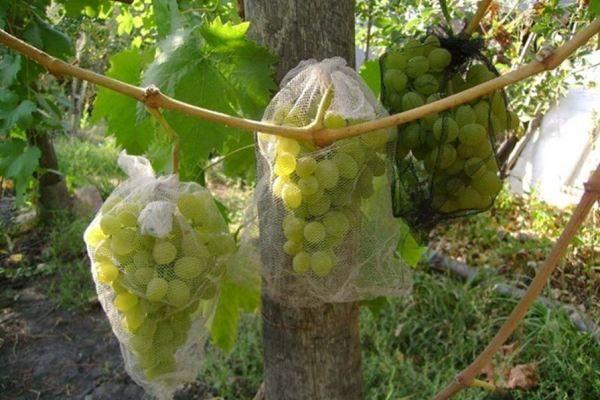
Birds love to feast on grapes, which can make the bunches unsightly. There are several ways to protect grapes from birds. For example, plant a scarecrow near the grapes or provide them with a jar of water: perhaps the birds are just thirsty. Many grape growers wrap each bunch in fine-mesh netting for packaging vegetables.
Pest control methods
Besides birds, other pests also like to feast on berries and other parts of the bush.
Wasps
Mesh bags wrapped around each bunch of grapes are also used against wasps. Sweet traps can also be used against them, such as jam and water mixed in a bottle. In case of large infestations, liquid smoke can be used to smoke food. Wasp nests are also found and destroyed.
Spider mite
Insecticides such as Actellic, Karate, and Akarin are used against harmful insects according to the instructions. Spray not only the shoots and leaves, but also the soil beneath the bushes.
Leaf roller
It's best to prevent leaf rollers from appearing. To do this, spray the bushes in the spring, before the leaves emerge, then when 5-6 leaves appear, again 10 days before flowering, and finally 10 days after flowering. Insecticides such as Fitoverm, Intra-Vir, Koragen, and others are used.
May beetle larvae
These pests love to feast on roots and young shoots. Experienced grape growers recommend the following method for controlling cockchafer larvae: dilute an insecticide (Aktara, Zemlin) and spray it on the soil around the grape vines.
Important! When spraying chemicals, wear a respirator, gloves, and goggles. Perform the procedure in dry weather.
Preparing for winter
In the fall, young, immature shoots are pruned and the bushes are watered generously. After the onset of sustained frost, the area around the trunks of the grapes is earthed up. The young vines are removed from their supports and covered with agrofibre.
Pruning and shaping
To ensure proper grape formation, the vines are pruned to 6 or 10 buds. Throughout the season, side shoots and suckers that crowd the vines are removed. Not only are excess vines pruned, but also the clusters: there should be no more than 2-3 clusters per shoot.
Methods of reproduction
There are several ways to grow Kishmish 342 grapes in your garden. Some are more popular than others.
Cuttings
In the fall, woody vines are cut into sections, placed in a bucket with growing medium, and brought to a cool place. In the spring, the cuttings are potted, cared for, and, once the young bushes have developed, they are planted outdoors.
seedlings
Grape vines, purchased at the market or grown at home, are planted in the garden in the spring or fall. For the winter, young vines are always covered with spruce branches or agrofibre.
By grafting method
Grafting of grapes is usually done in the spring.To do this, cut the trunk horizontally from the bush chosen as the rootstock, and make a 3-4 cm deep slit with a grafting knife. Insert a wedge-shaped Kishmish cutting into the slit and tie it with ribbon.
Layering
In the spring, vine cuttings are placed in shallow trenches, secured, and covered with soil. The area where the vine meets the soil is tended throughout the summer: watered, the soil loosened, and weeded. When new vines emerge, they are separated from the mother plant and planted in the garden.
Advantages and disadvantages of the variety
The Kishmish 342 grape has the following positive characteristics:
- rapid growth of culture;
- early fruiting;
- high yield;
- absence of seeds in berries;
- versatility of use;
- resistance to many diseases;
- storage duration.
Negative characteristics include the berries' susceptibility to wasp attacks and cracking from rainfall.
Harvesting and storage
Grape clusters are cut with scissors in dry weather. The harvest can be stored for up to a month. For this purpose, the clusters can be hung on hooks or laid out in a single layer on paper. In addition to eating fresh, the berries can be used to make wine, juice, and raisins.
Tips and advice from experienced gardeners
Winegrowers offer the following advice and recommendations:
- Pruning is an essential part of caring for grape bushes.
- Without waiting for diseases and pests to appear, spray the bushes with fungicides and insecticides several times during the season.
- Young grape bushes require shelter for the winter.
- By fertilizing plants, the quality of fruits will increase significantly.
- To prevent the vine from breaking in the wind, it needs to be tied up.
Kishmish 342 is an early table grape variety. After learning about growing grapes, any amateur gardener can grow grapes in their own garden. As early as the third year, they will enjoy delicious, healthy berries in August.
Related posts:
 Description of 30 grape varieties for Siberia, planting and care for beginners
 How to grow grapes in the Moscow region in open ground without a greenhouse
 Description of the Julian grape variety, planting and care instructions
 Description of 30 varieties and types of Muscat grapes, planting, cultivation and care
 The ripening time of grape vines by variety, how to speed up the process, and what to treat the plant with
 Beginner's Guide to Growing Grapes in Open Ground in Central Russia
 Description of the Krasotka grape variety, planting and care technology
 Description and characteristics of the Laura grape variety, planting and care