
- Description and Features
- Vine
- Inflorescences
- Berries
- Taste
- History of selection
- Main characteristics
- Drought resistance
- Frost resistance
- Productivity and fruiting
- Areas of application of fruits
- Resistance to diseases and pests
- Pros and cons of the variety
- How to plant correctly
- Recommendations for choosing deadlines
- Spring
- Autumn
- Choosing a location
- Soil requirements
- Site preparation
- How to select and prepare planting material
- Planting diagram
- Care instructions
- Watering mode
- Top dressing
- Protection from rodents
- Preparing for winter
- How to protect crops from birds and insects
- Insulation
- Repellers
- Mulching
- Prevention
- Oidium
- Powdery mildew
- Gray rot
- Trimming
- Methods of reproduction
- seedlings
- Cuttings
- Bends
- From the seeds
- Harvesting and storage
- Tips from experienced gardeners
The Lily of the Valley grape variety is a common crop grown by many gardeners. Its fruits have a pleasant aroma. This variety is characterized by high yields and frost resistance. To achieve successful cultivation, it is recommended to plant it correctly and provide the plant with high-quality and comprehensive care.
Description and Features
Lily of the Valley is a hybrid table grape variety. It is characterized by a mid-early ripening period. The growing season lasts 130 days.
Vine
This grape variety produces large vines with vigorous shoots. They grow quickly and produce numerous side shoots. The vine ripens well along its entire length.
Inflorescences
This variety is characterized by bisexual flowers. This allows the plant to be pollinated even when no other varieties are nearby.
Berries
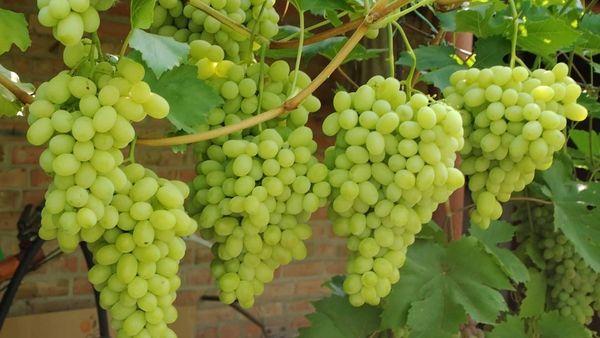
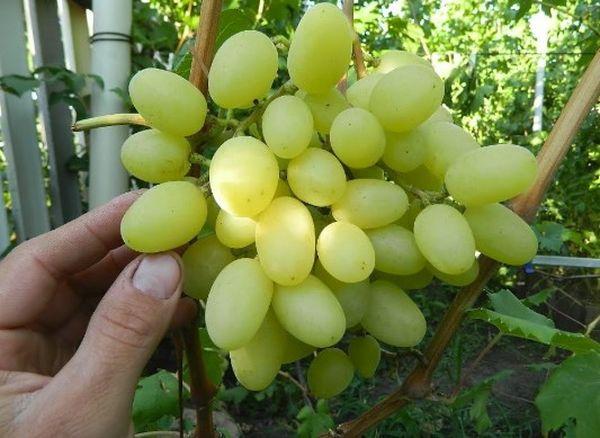
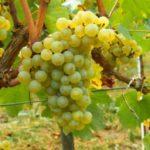
The grapes have regular, elongated, conical clusters. They weigh 500 grams. The fruits are loosely arranged within the cluster, preventing them from being compressed.
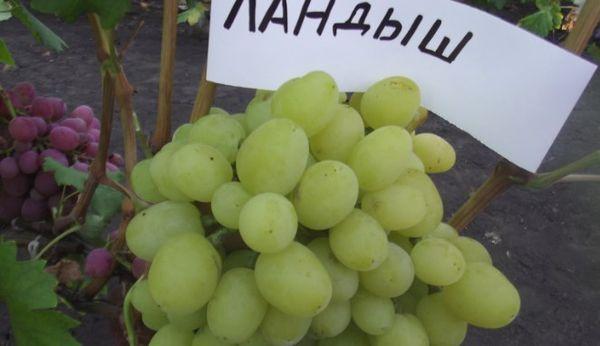
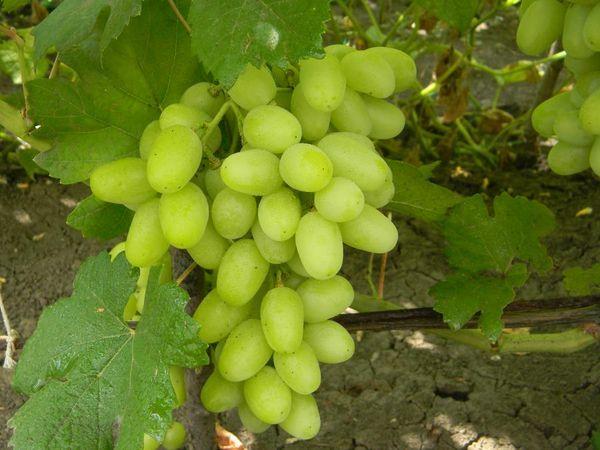
The berries are large and have a beautiful elongated shape. They reach 3.5 centimeters in length and 2 centimeters in diameter. They weigh 14-18 grams and are covered with a bright yellow skin. This skin is quite dense, but does not affect the taste of the fruit.
Taste
The grapes are distinguished by their delicious pulp. A distinctive feature of the variety is its unusual aroma, which combines the scents of muscat and lily of the valley.
History of selection
This variety was developed in 2012 by the national breeder V.V. Zagorulko. He used the Talisman and Radiant Kishmish varieties to create the plant. As a result, a unique variety was developed.
Main characteristics
Before planting this grape variety in your garden, it is worth studying its key characteristics.
Drought resistance
This grape variety is considered young, so it hasn't been studied very well. However, gardeners note that after a month of prolonged use, the bunches don't deteriorate, and the leaves don't turn yellow. The incidence of cracked fruit doesn't exceed 1-2%.
Frost resistance
This variety is considered a shelter plant. When grown in central Russia, it was found to tolerate temperatures down to -20-21 degrees Celsius.
Productivity and fruiting
Grapes are known for their high yields. The entire growing season lasts 125-135 days. With proper care, a young plant can produce up to 10 kilograms of fruit per square meter.
Following agricultural recommendations allows you to grow juicy, flavorful fruits with an attractive appearance. The berries contain sweet, slightly tart flesh. Their outer skin is thick, which doesn't negatively affect their flavor.
Lily of the Valley grapes are not prone to shedding if they survive the winter well. The berries also don't bake in the sun, even during prolonged droughts.
Heavy rainfall during the budding period can lead to a significant reduction in yield. The same effect is observed during periods of prolonged rainfall. If ripe berries remain on the vine for too long, they become soft and lose their pleasant flavor.
Areas of application of fruits
This grape is planted in small garden plots or outdoors. It is eaten fresh or used to make juice. It is also suitable for making homemade preserves, such as jam or marmalade.
After being picked from the bush, the bunches can be stored for a long time in a cool room. It's important to ensure adequate ventilation. Under these conditions, the fruit will keep until December or January and retain its flavor.
Lily of the valley travels well because its skin is so dense. The berries don't bruise or crack during transport.
Resistance to diseases and pests
The plant is highly resistant to adverse conditions. Strong immunity was engineered at the genomic level, making the variety resistant to powdery mildew and downy mildew. This score is 3 out of 5.
To prevent fungal infections or rotting, it is recommended to treat the bush with chemicals several times, 3-4 times a year.
Pros and cons of the variety
The key advantages of this variety include the following:
- unique taste qualities;
- excellent yield;
- ease of reproduction;
- early ripening of fruits;
- long shelf life of berries even after they have been picked;
- high frost resistance - the crop can withstand temperatures down to -21 degrees, with the use of covering materials this figure increases to -30 degrees;
- Excellent development in open areas and small areas.
However, the plant also has certain disadvantages:
- average level of resistance to grape diseases - it decreases under unfavorable climatic conditions, therefore the crop requires systematic spraying for preventive purposes;
- limited habitat - this may negatively affect crop yield parameters;
- insufficient information on growing the crop under different conditions.
How to plant correctly
To achieve success in growing crops, it is recommended to carry out planting work correctly.
Recommendations for choosing deadlines
First of all, it's important to choose the right time to plant the crop. This depends on the region's climate.
Spring
In this case, planting should be done when the soil is well warmed and there is no risk of frost. If the temperature remains consistently above zero, the bush can be planted with its leaves open.
Autumn
In this case, planting is carried out in the first half of October. This will allow the plant to take root, but will prevent it from developing.
Choosing a location
This grape variety grows well in elevated areas. The plant can be planted on a small mound or an artificial mound. It's important that the area be well-lit and protected from cold winds and drafts.
Soil requirements
This plant thrives in light, well-drained soil. Black soil is ideal for growing this crop.
If groundwater levels are high, a drainage system will need to be installed. Providing high-quality drainage is also crucial.
Site preparation
When planting multiple bushes, it's important to follow the planting pattern. The distance between rows should be 5 meters, and the distance between bushes should be 3 meters.
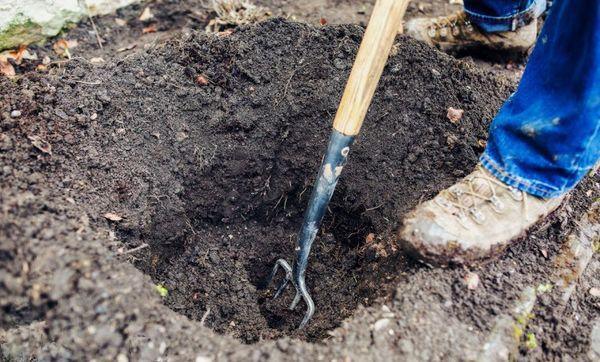
During the preparatory stage, it is recommended to dig a 70-centimeter-deep transfer hole. Drive a wooden block into the center of the hole and create drainage using crushed stone, pebbles, or expanded clay.
Top with a mixture of fertile soil with organic and mineral fertilizers. Finally, use regular soil. This preparatory work should be done a couple of weeks before planting.
How to select and prepare planting material
To begin, it's recommended to select a high-quality seedling. It should have white roots. The top of the cut should be green.
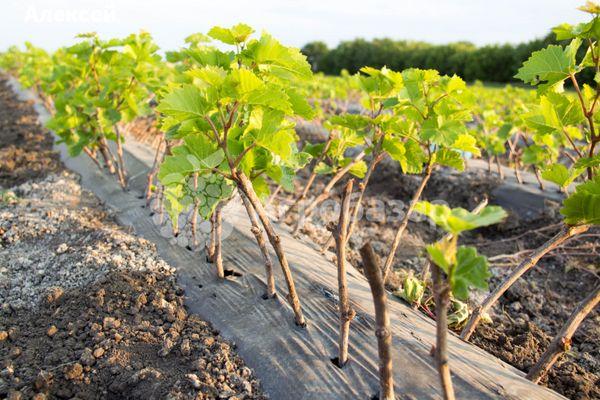
To prepare the plant for planting, you should do the following:
- Place the purchased seedling in water. This will saturate the plant with moisture.
- Treat the roots with a growth stimulant. Humate and Epin-Extra are suitable for this purpose.
Planting diagram
When carrying out planting work, it is worth doing the following:
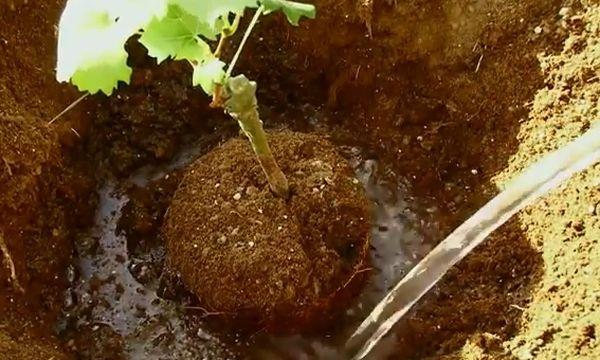
- Place the prepared seedling into the hole. It is not recommended to bury the root collar too deep.
- Spread the roots and cover with soil. It is recommended to compact it gently.
- Tie the planted plant to a stake and water it.
- Cover the hole with peat or sawdust.
Care instructions
To ensure the plant develops normally and produces a bountiful harvest, it is recommended to provide it with comprehensive and high-quality care.
Watering mode
It is recommended to use soft water for watering. It is especially important to moisten the soil during dry periods and during bud formation.
Top dressing
If the planting hole has been prepared correctly, the plant can be fertilized without additional fertilizer for the first 2-3 years. Subsequently, it should be fertilized seasonally. Organic fertilizers are recommended in the spring, and mineral fertilizers in the fall.
Protection from rodents
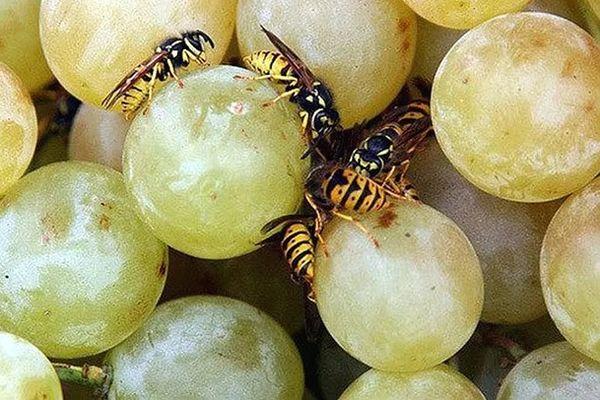
To protect the plant from rodents, it is recommended to use special traps. To prevent wasp damage to the berries, special chemicals are used.
Preparing for winter
In regions with unfavorable climate conditions, it is recommended to prune the vines in the fall and press them down to the ground. Secure them and cover them with several layers. For this purpose, use spruce branches and plastic film.
The structure should be secured from above using available tools. To prevent rotting, it is recommended to remove the insulating layer in early spring.
How to protect crops from birds and insects
Ripe berries attract birds and insects. To prevent wasp infestations, it's recommended to promptly destroy their nests. A Chlorophos solution can also be used.
Insulation
To protect fruits from pests, nylon bags, fine-mesh tulle, and mosquito nets are used.
Repellers
They can be visual or noise-based. Complex devices are also available. To prevent problems, several bird waterers should be placed around the perimeter of the vineyard. It is recommended to replace them daily.
Take a look Also
Mulching
This procedure helps prevent moisture loss and weed growth. To achieve this, cover the soil with moss or sawdust.
Prevention
Under unfavorable climatic conditions, plants can suffer from various diseases. Preventative treatments can help prevent this.
Oidium
Before fruiting, it is recommended to treat the plant with fungicides such as Ridomil or Bordeaux mixture. Two sprays are performed before the growing season and before bud formation. Another treatment is performed after flowering.
Powdery mildew
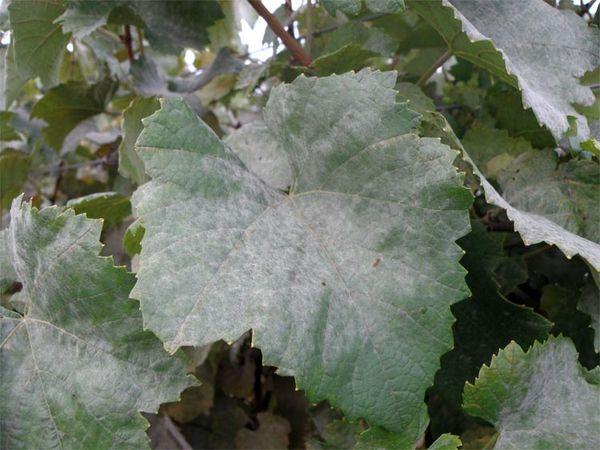
To prevent powdery mildew, treat the bush with sulfur-based products. This should be done before flowering and during active plant growth.
Gray rot
Compliance with agricultural practices helps prevent the development of gray mold. Grapes need timely tying, pruning, and thinning. A diseased plant should be treated with chemicals. Topsin or Euporen are used for this purpose.
Trimming
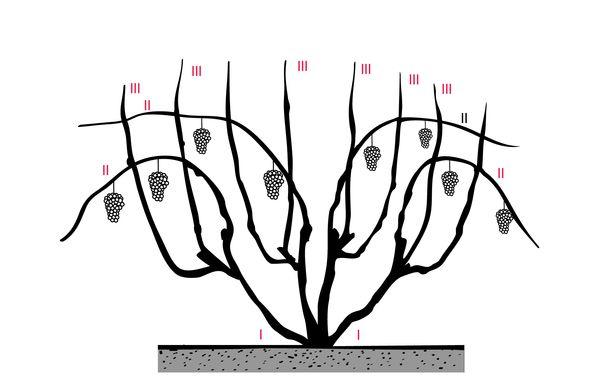
The plant should be pruned twice a year – in spring and fall. First, remove old and dry branches. After harvesting, remove shoot fragments. Each should contain 10 dormant buds.
Methods of reproduction
Grapes can be propagated in a variety of ways, each with its own unique characteristics.
seedlings
This method is simple. However, you won't get a harvest very quickly. If you plant a two-year-old seedling, the first fruits will appear in three years.
Cuttings
This is an effective method that ensures rapid plant growth. However, some plant properties may change.
Bends
In this case, grape shoots are used. They are bent down and buried in the ground. This will ensure the plant takes root.
From the seeds
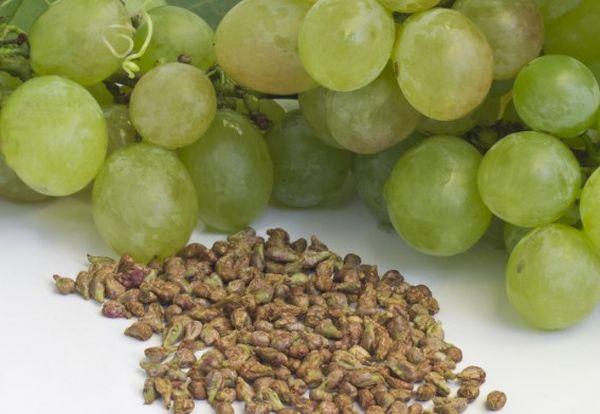
This is a rather complex propagation method. It won't produce quick results and won't help preserve the plant's varietal characteristics.
Harvesting and storage
This grape variety stores and transports well. Harvesting is recommended in sunny weather, preferably in the first half of the day. This will help ensure the most flavorful berries. It is recommended to cut the bunches with a sharp knife.
Tips from experienced gardeners
Following these rules will help you achieve success in growing the crop:
- carry out planting operations correctly;
- water the plant on time;
- carry out pruning;
- apply fertilizers.
The Lily of the Valley grape is very popular among gardeners. This crop is distinguished by its excellent taste and abundant harvest.
Related posts:
 The best grape varieties for growing in the Urals, planting and care rules in summer
 Description of 30 grape varieties for Siberia, planting and care for beginners
 Description of 30 varieties and types of Muscat grapes, planting, cultivation and care
 The best methods for growing grapes from seeds at home
 Description and rules for growing Solaris grapes
 Methods for planting and propagating cherries at home
 The ripening time of grape vines by variety, how to speed up the process, and what to treat the plant with
 Beginner's Guide to Growing Grapes in Open Ground in Central Russia