
- Description and Features
- History of selection
- Main characteristics of the variety
- Purpose
- Ripening time
- Productivity
- Taste qualities
- Frost resistance
- Bunch
- Berries
- Disease resistance
- Methods of reproduction
- Cuttings
- By vaccination
- Layering
- How to plant correctly
- Recommendations for choosing deadlines
- Site preparation
- How to select and prepare planting material
- Planting diagram
- Care instructions
- Watering mode
- Top dressing
- Trimming
- Mulching
- Garter
- Preparing for winter
- Protection from rodents
- Diseases and pests
- Mildew
- Oidium
- Grape mite
- Ticks
- Pros and cons of the variety
- Harvesting and storage
- Applications of berries
- Tips and advice from experienced gardeners
The early-ripening Timur grape variety, bred domestically, is beloved by gardeners for its consistent yield and low maintenance. This hybrid can be grown throughout Russia. Its sweet, aromatic berries have received high tasting scores for their well-balanced flavor. Timur is not suitable for landscaping, as the bush develops into a dwarf shrub, but this doesn't stop gardeners from growing this beloved variety in their own gardens.
Description and Features
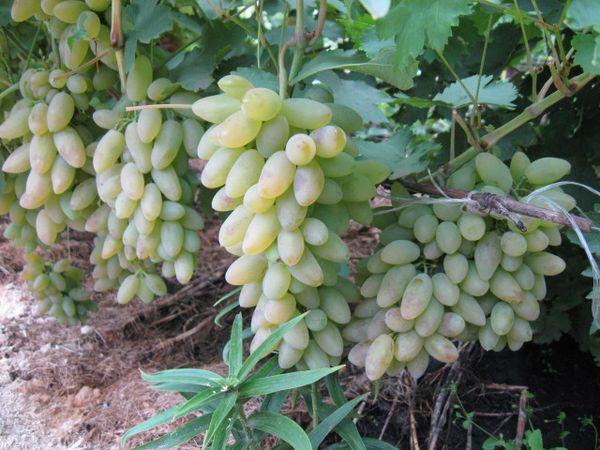
The Timur grape belongs to the group of table grape varieties. There are white and pink subspecies. It is distinguished by its sweet-flavored fruit and slow-growing vines. The first harvest can be obtained from the plant as early as the third year, with the average bunch weighing 700 grams when ripe.
Timur isn't picky about soil, but prefers to grow in loose soil. During drought, supplemental watering is necessary. The variety is advertised as frost-resistant, but in regions with little snowfall, it's recommended to cover the vines during this period.
History of selection
The early-ripening Timur hybrid is a domestic product. It was created by crossing the Moldovan variety Frumoasa Alde and the Russian Vostorg. Early ripening and aromatic berries are the advantages of this variety, inherited from its parents.
Main characteristics of the variety
Timur is now grown everywhere; every winegrower knows this popular variety. The compact vine produces 75% of its shoots, each producing an average of three clusters.
Purpose
Timur is a versatile variety. Its sweet berries are used to make raisins, juice, and jam, and are also eaten fresh. The homemade wine has a distinct Muscat aroma. The variety is suitable for transportation and storage.
Ripening time
The Russian hybrid's growing season is 110 days. Harvesting begins as early as August, but ripe berries can remain on the vine for a long time without falling. Timur is an early-ripening variety, which is its main undeniable advantage.
Productivity
The variety has a medium yield. Three clusters ripen on a single shoot. To increase productivity, the vine is grown on vigorous rootstock. For their own seedlings, they try to choose a site that won't be shaded by vigorous vines of other grape varieties.
Taste qualities
Timur received high marks from tasters. Balance and crispness are the variety's strengths. With a sugar content of 20%, the berries are very sweet and juicy. A light muscat aroma adds to the appeal. The skin is firm, making the fruit suitable for storage and transportation.
Frost resistance
In southern regions, vines are not covered for the winter. Timur can withstand temperatures down to -25°C. In temperate climates, the bush is mulched with hay or sawdust and covered with plastic or spruce branches. The variety tolerates summer temperature fluctuations with ease.

Bunch
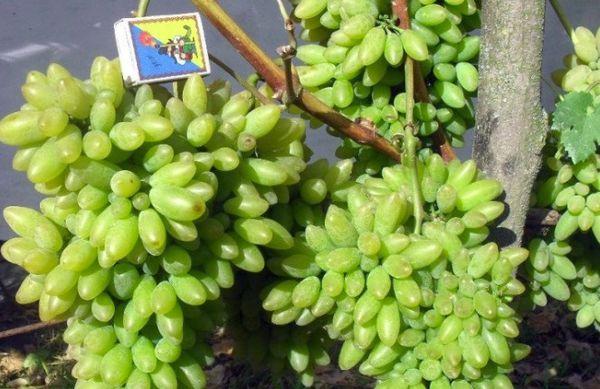
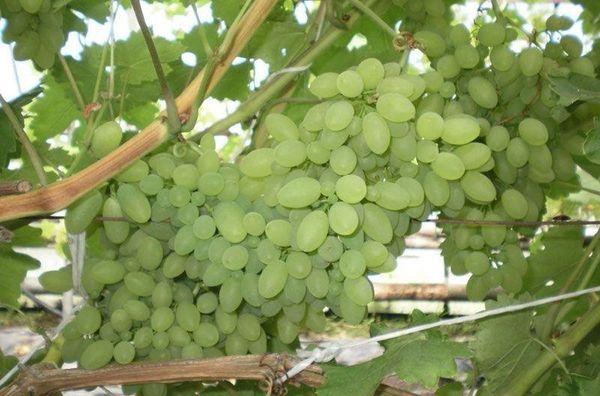
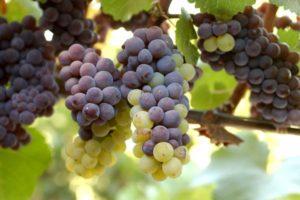
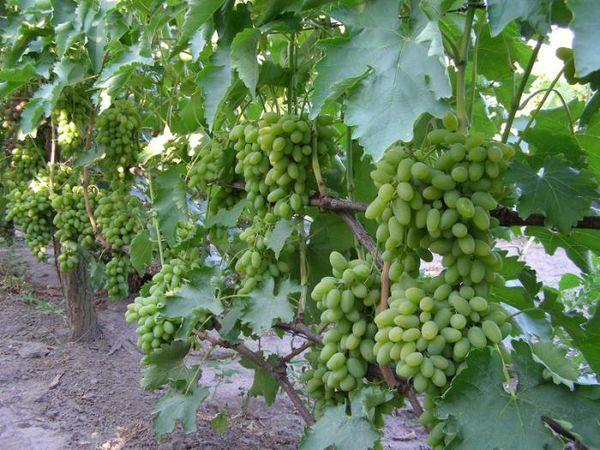
Timur vines produce medium-sized clusters weighing up to 800 grams. The clusters are loose and conical in shape. Up to three ovaries form on a single shoot.
Berries
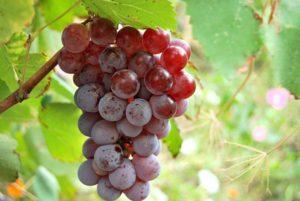
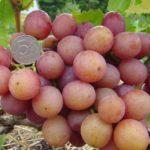
This domestic hybrid produces berries with an elongated shape. The skin is thin but firm, and the flesh is juicy and crisp when bitten. When fully ripe, the berries are white-green or soft pink, depending on the variety. The flavor of ripe berries is very sweet, with a muscat aroma.
Disease resistance
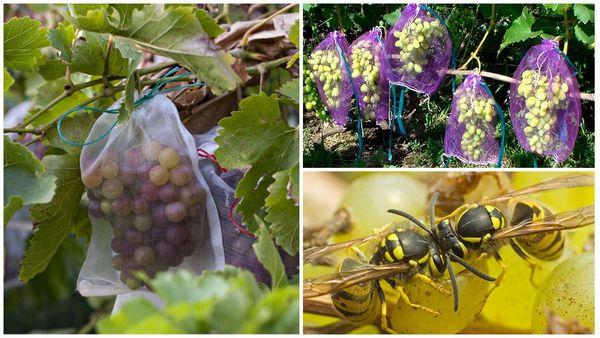
Timur has average immunity to fungal diseases. The hybrid is susceptible to spider mites. The ripe, sweet berries are a favorite delicacy of wasps. Preventative treatments with insecticides are necessary, and ripe bunches should be protected from wasps with netting.
Methods of reproduction
All standard grape propagation methods are suitable for growing Timur. Beginner gardeners are advised to choose cuttings; this method is easy and doesn't require much labor or complex skills.
Cuttings
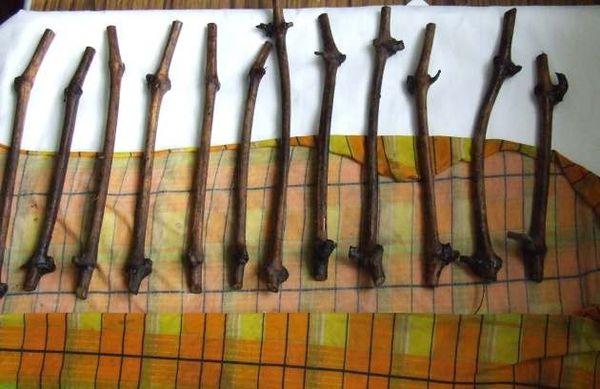
A simple method involves harvesting and growing grapevine stem sections. The middle, woody part of the trunk or shoot is used as the base and trimmed, leaving about five buds on the cutting.
The cuttings are harvested in the fall and stored in the refrigerator until the end of winter. In southern regions, the cuttings are planted directly into the ground in spring; in northern regions, they are placed in individual containers in late February and transplanted to their permanent location in early May.
By vaccination
This method is suitable for experienced winegrowers. It involves grafting the rootstock onto the scion. For Timur, a vigorous rootstock is used, which significantly increases yield.
Layering
The method involves burying the lower branches of the vine in the ground. Excess leaves must be removed from the layering. The point of contact with the ground must be tight; wire loops are often used. The layering is watered generously, loosened, and weeded. By late summer, the root system is sufficiently developed to transplant the young plant to its permanent location.
How to plant correctly
Choosing the right planting site is the key to successful grape growing. For Timur, it's important to consider that the hybrid produces a compact bush, so the standard spacing between plants can be reduced.
Recommendations for choosing deadlines
The optimal time for planting grapes is spring. When planting in the fall, it's important to keep in mind that the young vines need to establish a strong root system before the onset of winter frosts. A good time for fall planting is late August to early September.
Site preparation
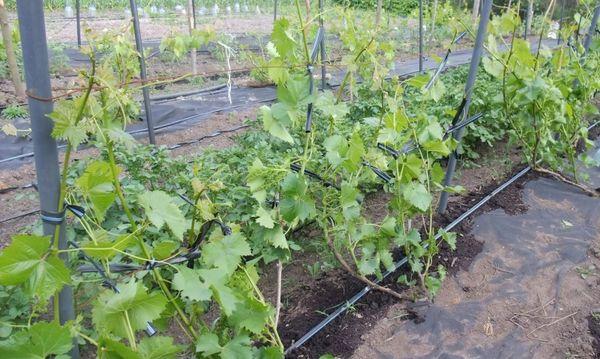
The plot and planting hole for the grapes are prepared in advance. Experienced gardeners begin this process in the fall. Timur's location should be sunny and draft-free. It is recommended to plant the vines on a south or southwest exposure.
Note! Timur does not grow well in clay soils; choose loose soil with a high sand and black soil content.
Stagnant moisture at the roots is harmful to vines; it's advisable to install drainage at the bottom of the planting hole. Avoid planting grapes in low-lying or marshy areas.
How to select and prepare planting material
When purchasing seedlings in a store, pay attention to the appearance and condition of the plant's root system. The plant should have at least 3-4 living buds and no signs of rot or fungal infections. The root system should be closed and not dry out.
Planting diagram
Given the compact nature of the bush, maintain a distance of 1.5 meters between plants. For group plantings, use a staggered pattern. The planting hole should be 80 centimeters deep and 60 centimeters in diameter.

Care instructions
To ensure Timur displays its best qualities and rewards the gardener with a bountiful harvest, systematic care of the grape plantings is essential.
Watering mode
Timur requires additional irrigation during dry periods, before flowering, and during the fruit set stage. Excess moisture is harmful to the vine. Watering should be done strictly at the roots; the plant requires up to 20 liters of water at a time.
Top dressing
Applying potassium and phosphorus fertilizers is a necessary part of vine care. It's important to apply the fertilizer immediately after flowering. Grapes respond well to foliar feeding. Organic fertilizers include diluted infusions of mullein or bird droppings.
Trimming
Preventative pruning of vines is carried out annually. At least 12 buds are left on each shoot. However, to ensure the clusters retain their size, experienced gardeners recommend leaving no more than 20 buds on the plant.

Mulching
To maintain soil moisture balance, the area around the tree trunk is loosened and mulched. Freshly cut grass, hay, or wood shavings can be used as mulch. In the fall, the bushes are sprinkled with humus and last year's leaves to protect the root system from frost.
Garter
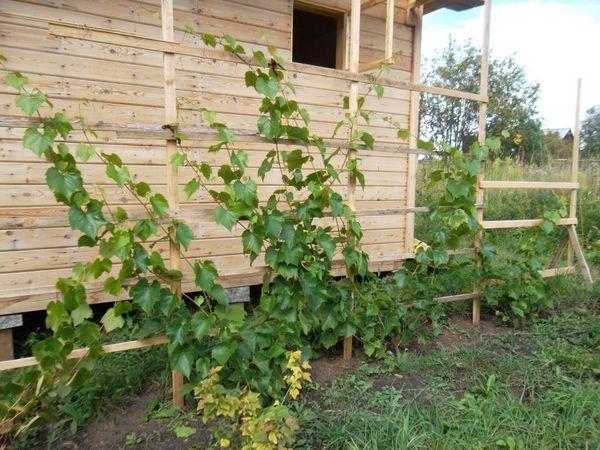
Timur grapes are trained fan-shaped, but horizontal vine training is often used. In any case, the plant requires support, which can be a vertical wall or a net on a gazebo.
Preparing for winter
Due to the variety's frost resistance, the vine can be left uncovered in southern regions. In regions with cold climates and winters with little snow, covering is necessary. Additionally, the root system can be covered with last year's leaves or moss.
Protection from rodents
Vineyards suffer from rodent infestations primarily in winter and fall. Mice's favorite food is plant bark. To prevent pest access, vines are covered with film or a mouse-resistant material. If rodent infestations are severe, traps and poison are used.
Diseases and pests
Timur has moderate resistance to fungal diseases and therefore requires preventative spraying with fungicides and insecticides. The hybrid is particularly susceptible to attack by various types of mites.
Mildew
The disease thrives in warm, humid conditions and can destroy more than half of the crop. The first signs of the disease can be seen on the leaves: leaf blades turn pale and become covered with brown spots and a coating. The disease often enters the field along with infected planting material. Spraying with Bordeaux mixture is used as a preventative measure.
Oidium
An infection that slows plant metabolism and attacks inflorescences during the initial growth stage. The first signs of infection are the appearance of pale white spots on the leaves, which soon turn yellow, curl, and fall off. Colloidal sulfur is used to combat the infection.
Take a look Also
Grape mite
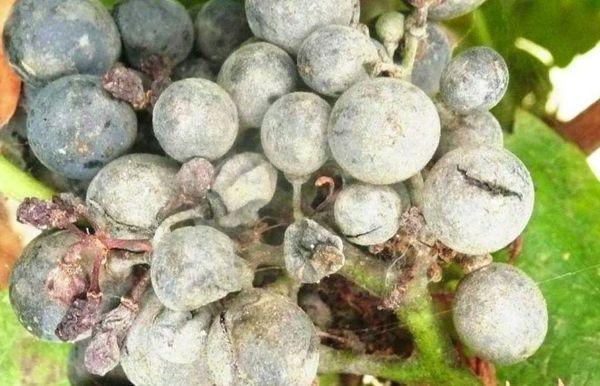
Traces of the life activity of a dangerous insect—the grape mite—are immediately visible on the leaves of plants. Signs of infestation include the appearance of green and brown growths. In advanced cases, grape fruits are also affected. Treatments for grape mite include Actellic, Fufanon, and other insecticides.
Ticks
There are over 75 different species of mites that feed on plant sap. According to statistics, Timur is most often attacked by these pests. The vine's growth slows, the plant sheds flowers and fruit, and in severe cases, the entire bush must be removed.
Pros and cons of the variety
The advantages of the variety include:
- Early ripening variety.
- Tasty, sweet, large berries.
- The vine produces its first harvest already in the third year.
- Compact vine form.
- In southern regions it can overwinter without shelter.
The disadvantages of the variety include:
- Susceptible to mites and wasp attacks.
- Needs additional watering.
- Produces a poor yield on dense clay soils.
This grape variety is not suitable for commercial cultivation, but is ideal for private gardening. The berries are very tasty and sweet, suitable for transportation. The early harvest is accompanied by an early ripening period.
Harvesting and storage
Timur reaches full maturity in 110 days, in August. The berries can remain on the vine for several more weeks without falling off. It is recommended to store bunches in the refrigerator or in a dark, cool room in fruit boxes.
Applications of berries
Timur grapes are best eaten fresh. Their pleasant muscat aroma makes them ideal for making homemade wine. This variety is indispensable for making jams, preserves, and raisins.
Tips and advice from experienced gardeners
To achieve maximum yield from Timur, experienced gardeners advise:
- Graft the vine onto a vigorous scion.
- Choose the soil carefully; grapes need a neutral pH level and good aeration of the root system.
- Additional watering is required during the flowering and budding period.
- Protect the bunches of grapes with a net from wasp attacks.
- Conduct preventive spraying with fungicides during the flowering period.
- Apply additional phosphorus-potassium fertilizers.
By following simple plant care, it is easy to achieve maximum yield.
Timur will surely delight you with its delicious, aromatic fruits and will become a worthy addition to your garden collection.
Related posts:
 How to grow grapes in the Moscow region in open ground without a greenhouse
 Description of the Julian grape variety, planting and care instructions
 The ripening time of grape vines by variety, how to speed up the process, and what to treat the plant with
 Description of the Krasotka grape variety, planting and care technology
 Beginner's Guide to Growing Grapes in Open Ground in Central Russia
 Description and characteristics of the Laura grape variety, planting and care
 Description of 30 grape varieties for Siberia, planting and care for beginners
 Description and characteristics of the Livia grape variety, cultivation and propagation