
- What do the deadlines depend on?
- Productivity
- Weather resistance
- Susceptibility to diseases and pests
- Purpose
- Canteen
- Technical
- Universal
- Decorative
- Breeding methods
- Taste qualities
- Transportation portability
- Types and characteristics by ripening time
- Very early
- Very early
- Early
- Early-Middle
- Average
- Late
- Recommendations for the placement of vineyard rows
- How to speed up the process
- Spring procedures
- Mixing soil
- Trimming
- Banding
- Topping
- Breaking off
- Top dressing
- Summer events
- Reduce watering
- Pinching out stepsons
- Processing
- Foliar feeding
- Coinage
- Removing unnecessary crowns
- Autumn work
- Partial removal of berries
- Mulching
- Fertilizer
- Fertilizer Review
- Phosphorus
- Ammonium molybdate
- Potassium salt
- Signs of berry ripeness
- Tips and recommendations
- Harvesting and storage
Every winegrower wants a bountiful harvest, so they try to speed it up by any means necessary. To promote grapevine ripening, certain methods and procedures must be adopted, adjusted depending on the season and grape variety. Proper care is essential, and then the winegrower will be delighted with an abundance of fruit.
What do the deadlines depend on?
Ripening times depend on the yield level, the variety's resistance to weather, diseases and pests, its intended use, and the method of cultivation. Before How to plant grapes on the site, it is recommended to take into account the characteristics of the selected variety in order to avoid problems during cultivation.
Productivity
Modern winegrowers distinguish the following yield standards: high-yielding (8 to 10 kg per vine), medium-yielding (5 to 8 kg per vine), and low-yielding (up to 5 kg per vine). The higher the yield, the longer the ripening period and the more care and nutrients the plant requires. When choosing these grape varieties, it's important to understand the time and effort required to achieve maximum results.

Weather resistance
Grape ripening times depend on the growing area and weather conditions. This crop is considered a heat-loving one, and the more favorable the growing conditions, the sooner the harvest will be.
Susceptibility to diseases and pests
The resistance of grape varieties to diseases and pests is determined by the following scale: maximum (0 points), very high resistance (1 point), high resistance (2 points), relatively high resistance (3 points), moderate susceptibility (4 points), and high susceptibility (5 points). The last two types require pesticide treatment and are therefore not as popular among winegrowers.
If the crop is constantly attacked by insects and often gets sick, then you can forget about the harvest.
Purpose
Each grape variety has a specific purpose. There are industrial, wine, table, all-purpose, and ornamental grapes. Depending on this classification, the varieties selected for cultivation in a given area are selected.

Canteen
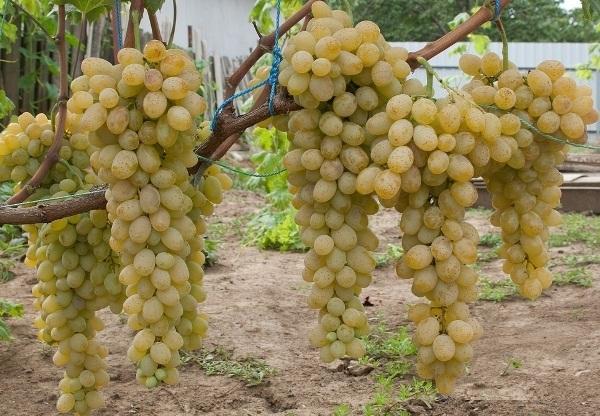
The most popular table grape varieties are Original, Vostorg White, and Arcadia. These are intended for eating. They are distinguished by large berries and massive clusters. They have a pleasant aroma and flavor. These varieties are rich in vitamins and minerals. They can be used for landscaping. They are suitable for long-term storage and transportation, but only under suitable conditions.
Technical
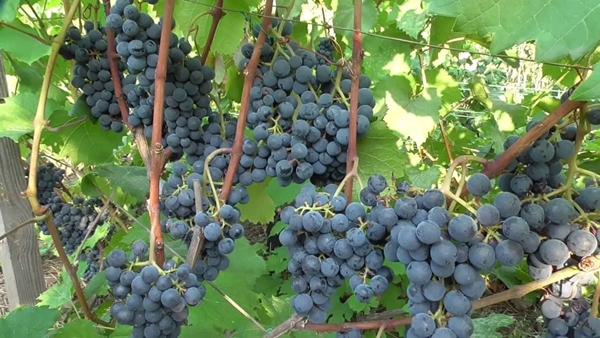
These grape varieties are used for canning, compotes, marinades, and for producing cognac and wine. They are also used to make raisins.
The plants are juicy, sweet, productive and have a low rate of berry shedding.
Universal
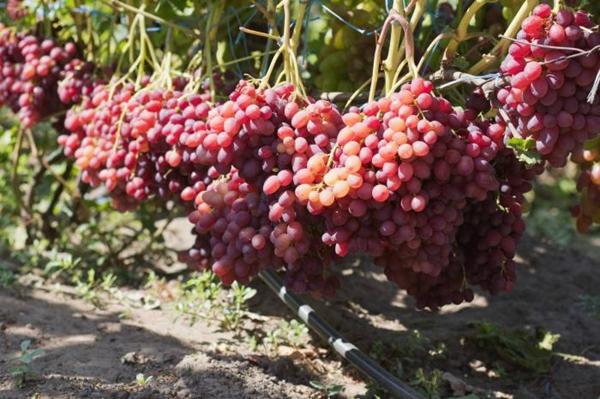
These versatile varieties are suitable for landscaping and canning. They are often grown near arbors to provide shade. They are distinguished by their flavor, low berry drop rate, and high yield.
Decorative
Ornamental grapes are rarely used for food or beverages. They are more suitable for landscaping, creating a pleasant, cozy atmosphere. These varieties produce small berries, are productive, and have a low drop rate.

Breeding methods
There are various methods for propagating grapes, but the most popular and effective is grafting. This method helps replace old varieties with new ones. There are many scion techniques, the most popular of which are budding, cleft grafting, bark grafting, and copulation. This method of grape propagation has both positive and negative aspects.
Grafting helps increase a plant's resistance to diseases and pests, frequent temperature fluctuations, increase yield per plant, and save space. The main advantage of this method is that a new variety can be grafted at any time throughout the plant's growing season. Disadvantages include:
- the required amount of knowledge, without which it is impossible to carry out high-quality and correct vaccination;
- certain rules of care and grafting techniques;
- compatibility of the scion with the rootstock; if this is not taken into account, both plants will die;
- regular protection of the scion from diseases.
Take a look Also
Varieties that can be grafted are Riparia, Rupestris, Berlandieri.

Taste qualities
The level of ripeness of the grapes also determines their taste, which is classified on a 10-point scale: excellent (9.5-10), excellent (8.8-9.4), good (8-8.7), satisfactory (7.7-7.9), unsatisfactory (less than 7.5) taste.
Transportation portability
If you're growing grapes for sale, it's recommended to choose varieties suitable for transportation. Table grapes, such as Lily of the Valley and Alyoshkin, are considered the most suitable.

Types and characteristics by ripening time
Each variety ripens its own bunches: some in mid-July, others in late September. Grapes are classified by ripening time as ultra-early, very early, early-mid-season, mid-season, mid-late, late, and very late. Each of these varieties has its own advantages and disadvantages. Hybrids, which combine the best qualities of different varieties, have recently become increasingly popular among winegrowers.
Grapes and their ripening period are closely linked to the growing region, and this is essential when planting. Late-ripening varieties will never ripen in the north and will not survive harsh winters.
Classification of grape varieties depending on the length of the growing season
| Categories depending on the length of the growing season | Varieties |
| Very early | Argo, Viking, Alyoshenkin, Arcadia, White Miracle, Zilga |
| Very early | Victoria, Early Vavilova, Kesha, Decorative, Muscat Chasselas |
| Early | Arcadia, Delight, Beauty, Alpha, Volzhsky, Victoria, Isabella, Lilac Mist |
| Average | Lydia, Original, Rizamat, Strashensky, Anyuta |
| Mid-late | Red honey, Souvenir |
| Very late | Moldova, December, Red Globe |
Very early
This grape variety ripens 100-110 days after the central buds open. Full ripeness depends on weather conditions, temperature, and humidity. These varieties always produce a harvest and avoid most problems.

Very early
This grape has a ripening period of 107-117 days. Very early varieties are suitable for moderate climates. This grape is popular not only among winegrowers but also among consumers.

Early
The growing season for these grape varieties lasts approximately 120 days from the first bud break. The first delicious harvest can be obtained at the end of July. The plants differ in taste, varietal diversity, and yield.
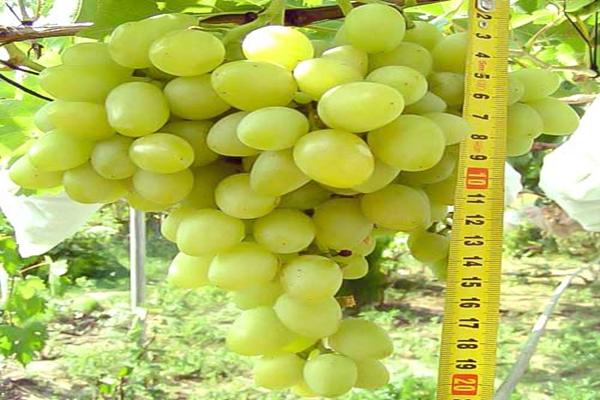
Early-Middle
The growing season lasts 118-130 days. Ripening time depends on weather conditions and care. To obtain a high-quality harvest, all growing recommendations must be followed, particularly regarding fertilizing and watering. Varietal characteristics must be taken into account.

Average
These grape varieties ripen 123-137 days after the first buds open. They are not suitable for cultivation in all areas of the country. When choosing a variety for planting, it's important to consider these timings.

Late
These grapes are harvested last, in the fall. The growing season lasts over 140 days, which is not suitable for all areas of the country. These varieties are most susceptible to diseases and pests and require very high care requirements. They are suitable for storage, but only if the appropriate conditions are provided.

Recommendations for the placement of vineyard rows
These recommendations should be followed by those winegrowers who have decided to seriously cultivate the crop and are allocating a large area for vineyards. In any case, to ensure that the vines do not interfere with each other and can develop and grow fully, they are planted at a sufficient distance from each other.
Each grape variety has its own requirements, as each type grows differently: upward, sideways, or in all directions. Therefore, before planting a particular grape, it's important to carefully consider its preferences to ensure optimal growing and fruiting conditions.
Consideration should be given to neighboring plants, as many carry diseases and pests, while others favorably influence the growth and development of the plant. Mint can be planted near grapevines. Planting the plants near building walls is also acceptable to avoid frequent drafts, which grapevines dislike.


How to speed up the process
It's important to understand that the methods described below won't help transform a late-ripening variety into an early-ripening one; they will only promote accelerated ripening and slightly shorten the growing season. It's possible to influence the growth and development of grapes by following all recommendations, ensuring proper care, watering, and fertilizing the bushes, and promptly eliminating infections and pests. Mulching, girdling, and pinching are also useful methods for speeding up the process. Let's consider each method separately.
Spring procedures
Spring is the time when all plants awaken from the winter cold and dormancy. Grapevines begin to awaken at different times, depending on the growing region. This typically occurs in March or April. Before the sap begins to flow, pruning is recommended. This applies to varieties that don't require winter protection.
If the grapes are grown in the northern part of the country, then only in April does their opening take place.
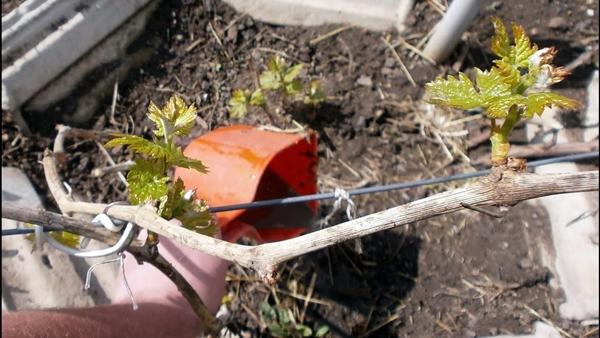
Dead or old parts of the vines must be removed. For mature vines, radical pruning is performed, leaving only a couple of healthy shoots from the previous year. The growth and sap flow process depend on temperature. After the sap has started flowing, experienced winegrowers recommend removing excess buds. In mid- to late April, it's time to tie up the vines.
In mid-April, young vines are planted. In May, the vines can be thinned again, removing double and triple shoots. This procedure can be repeated. During April and May, the crown is intensively shaped and the plant is fertilized.

Mixing soil
Grapes are demanding when it comes to soil. They won't thrive and produce fruit in heavy, clayey soil. To accelerate growth and improve fruiting in both young and old plants, mix the soil with humus, sand, and compost when planting or transplanting. A drainage layer is essential at the bottom of the planting hole.
Trimming
Pruning is carried out in the spring and throughout the season. Diseased shoots and unformed clusters are removed from the bush, with special attention paid to affected plants. This procedure increases the bush's chances of survival and accelerates fruiting and ripening.

Banding
Girdling is a method that promotes grape ripening and stimulates sap flow through the vine. It involves making a transverse cut across the vine to create a narrow strip of bark. Girdling is recommended in early spring, before the plant is fully awakened.
Topping
Pinching is a method that stops the growth of unwanted branches and rejuvenates the vine. It is recommended to perform this procedure as soon as excess shoots appear. Pinching is not suitable for all grape varieties; mid-season varieties are considered optimal.
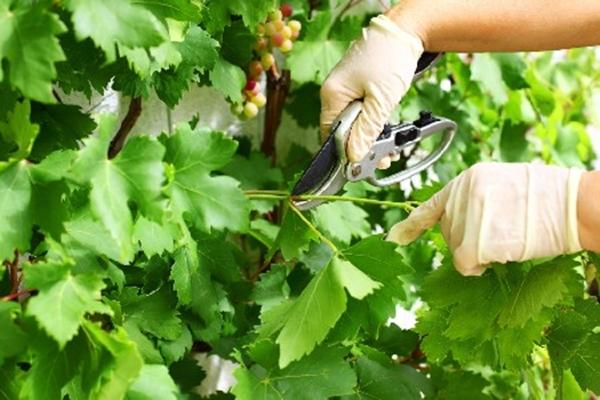
Breaking off
Pruning involves removing weak and dead shoots from the vine. If this is not done, they will interfere with the vine's growth and the sap production of the grape clusters. This stage of processing is recommended for late-ripening varieties.
Top dressing
Fertilizing the plant is essential in the spring. Organic fertilizers are recommended, especially for young plants. Disease prevention is also important.
Summer events
Throughout the summer, you should not neglect caring for the plant: water it regularly, remove side shoots, feed it, and protect it from pests and diseases.
Reduce watering
Without proper watering, you won't be able to harvest a good crop. The plant needs water for a certain period, then stops watering. It's recommended to reduce water intake in early July. This ensures rapid ripening of the berries.
Pinching out stepsons
Side-sonning is performed when new shoots appear. All shoots that are not contributing to the fruit's development are removed.
The procedure is recommended in July-August.

Processing
Plant treatment is carried out not only in the spring, when infections and pests are most active, but also in the summer, when they are actively developing. Summer vineyard treatment is recommended at the first sign of damage. Grapevines are most often affected by rot, powdery mildew, and mildew. Chemicals and folk remedies are used to combat these diseases.
Foliar feeding
To stimulate berry ripening in August, foliar feeding is used. For this purpose, an infusion of ash or monopotassium phosphate is used.
Coinage
Pinching is a procedure that affects, or stops, the growth of greenery. It involves pruning the tops of shoots.

Removing unnecessary crowns
Removing excess clusters is recommended for abundantly fruiting varieties. Too many clusters results in small berries, and the clusters themselves become diseased and underdeveloped. Only well-formed clusters should be left on the bush.
Autumn work
In the fall, plants begin preparing for the upcoming dormancy period. Winegrowers not only harvest the crop but also mulch and remove dead areas.
Partial removal of berries
Partial berry removal is recommended for colder regions of the country, where grapes will not reach marketable maturity without additional assistance. What should be done? The top clusters are removed, leaving only the heavy ones, and weak and unformed berries are also removed.

Mulching
Mulching helps maintain a balanced temperature around the roots. Suitable materials include peat, high-quality compost, healthy leaves, special covering material, or burlap.
Fertilizer
If, after following all recommendations for stimulating berry ripening, you still fail to harvest early, growth stimulants are used. These are often used for late-ripening varieties.

Fertilizer Review
Like any cultivated plant, grapes cannot survive without fertilizer. Organic fertilizers are most often used, but the following fertilizers are also safe, effective, and beneficial: phosphorus, potassium salt, and ammonium molybdate.
Phosphorus
Phosphorus is an essential nutrient that ensures normal plant growth. If the soil contains enough phosphorus, grapes will bloom well, bear fruit, and ripen quickly.
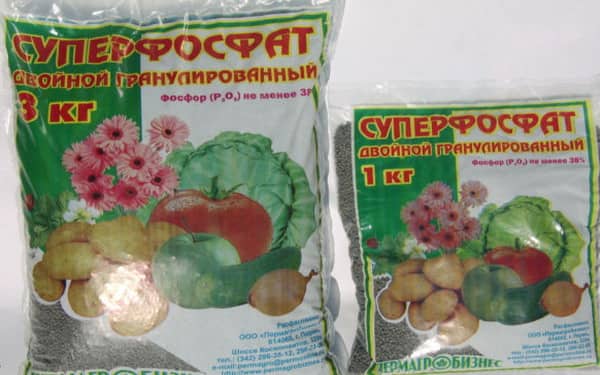
The optimal complex fertilizer is superphosphate. It is used in the fall for root feeding.
Ammonium molybdate
A solution of ammonium molybdate is recommended for spraying and watering crops. It stimulates plant growth and promotes fruit set. It contains nitrogen.
Potassium salt
Potassium helps grapes bear fruit, imparting a pleasant flavor and aroma to the berries. Fertilizing should be done in early spring, before the leaves emerge. If applying the fertilizer as a root dressing in the spring isn't possible, it should be applied in the fall after the harvest.

Signs of berry ripeness
To determine whether grapes are ripe, you don't need to count the growing season days corresponding to the variety. To determine ripeness, simply taste the berries. Ripe grapes have a rich flavor, sweetness, and a pleasant, distinct aroma. Unripe berries have astringency, acidity, and bitterness. Ripeness is also indicated by their color, which should match the variety's description.

Tips and recommendations
To ensure rapid ripening of the vines, grapes need to be cultivated in the spring, summer, and fall. This includes pruning, mulching, fertilizing, and watering. To ensure a high-quality harvest, it's essential to remove underdeveloped and unformed bunches and berries.
To determine whether a plant needs additional treatments to promote growth and development, pay attention to the condition of the bushes. Preventative measures aimed at preventing and eliminating infections and pests should also be taken.

Harvesting and storage
Harvesting occurs at different times, as different grape varieties ripen in different months. The appearance, taste, and aroma of the bunches will indicate that it's time to harvest. Also, pay attention to the junction of the shoots, which will darken. Grapes are removed from the vines in August-September.
When cutting the bunches, you need to try not to remove the plaque from the berries.
Early varieties are not intended for long-term storage.
The harvest is carried out in dry, warm weather. Before storing the bunches, rotten and damaged berries are removed, and the grapes themselves are placed in boxes or hung by their stems. They are stored in a cool, dry, and well-ventilated area.
Related posts:
 Description of 30 grape varieties for Siberia, planting and care for beginners
 How to grow grapes in the Moscow region in open ground without a greenhouse
 Description of 30 varieties and types of Muscat grapes, planting, cultivation and care
 Description of the Julian grape variety, planting and care instructions
 Beginner's Guide to Growing Grapes in Open Ground in Central Russia
 Description of the Krasotka grape variety, planting and care technology
 Description and characteristics of the Laura grape variety, planting and care
 Description and characteristics of the Syrah grape variety, where it grows