
- History of selection
- Description and Features
- Main characteristics of the variety
- Taste qualities
- Frost resistance
- Productivity
- Adaptation
- Resistance to diseases and pests
- Transportation and storage
- Pros and cons
- Landing rules
- Recommendations for choosing deadlines
- Selecting a location on the site
- Soil preparation
- Selection and preparation of planting material
- Preparing the planting hole
- Planting diagram
- How to care
- Mulching
- Watering
- Top dressing
- Before flowering
- After flowering
- Before ripening
- After harvesting
- Formation
- Bird protection
- Insulation
- Scaring away
- Preparing for winter
- Diseases and pests
- Powdery mildew
- Spotted necrosis
- Mildew
- Bacterial cancer
- Prevention methods
- Sweet baits
- Mesh bags
- Smoke
- Artificial repeller
- Destruction of wasp nests
- Grape spider mite
- Pillow case
- Grape moth
- How to propagate by cuttings correctly
- Harvesting and storage
- Applications of berries
- Tips and advice from experienced gardeners
The Preobrazhenie grape variety was bred by crossing the Kishmish Luchistyi and Talisman varieties. It has not been fully studied, but its excellent characteristics make it attractive to both professional winegrowers and amateur gardeners. This variety tolerates a wide range of climates, is considered a promising hybrid, and is an excellent competitor to existing varieties.
History of selection
The Preobrazhenie variety was developed in 2004 by V.N. Kraynov, a breeder from Novocherkassk. This grape has not yet been granted any status; it bears a strong resemblance to two other varieties, Yubiley Novocherkasska and Viktor, also developed by Kraynov. They are quite similar, and only specialists can tell the difference.
Description and Features
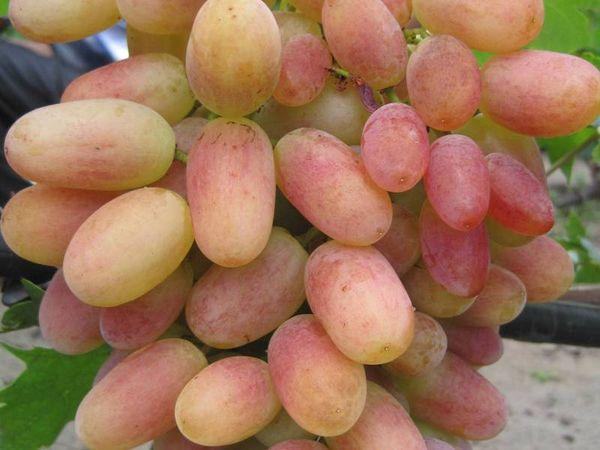
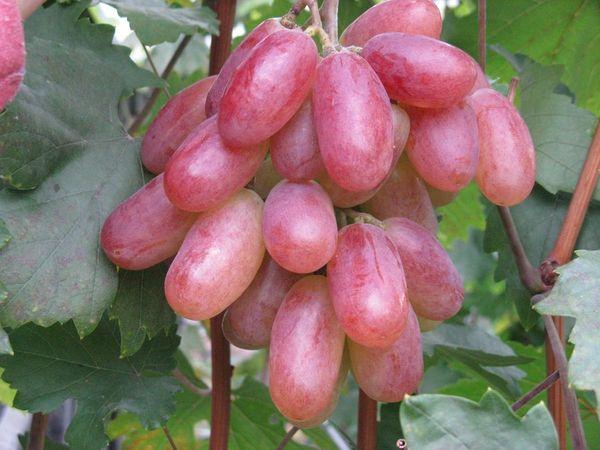
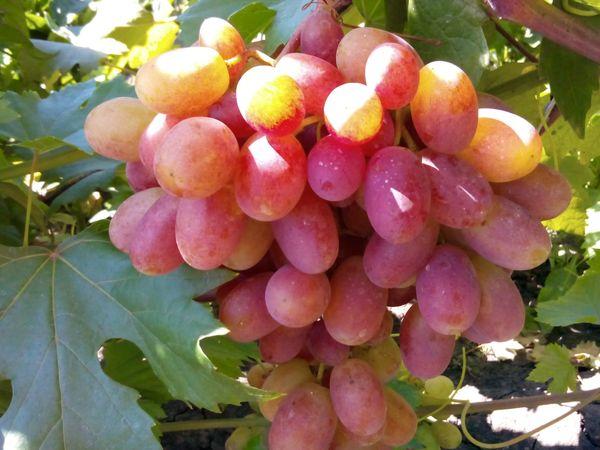
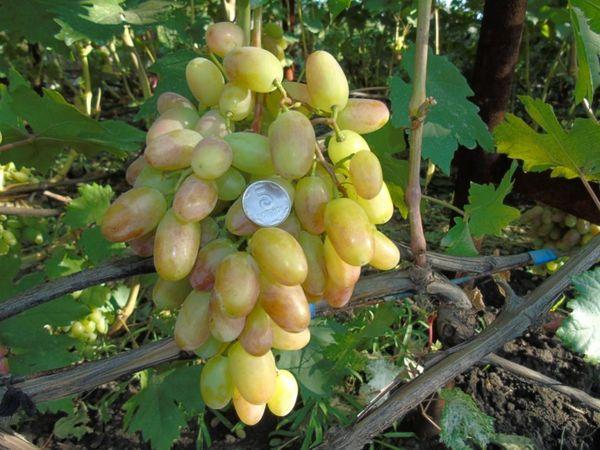
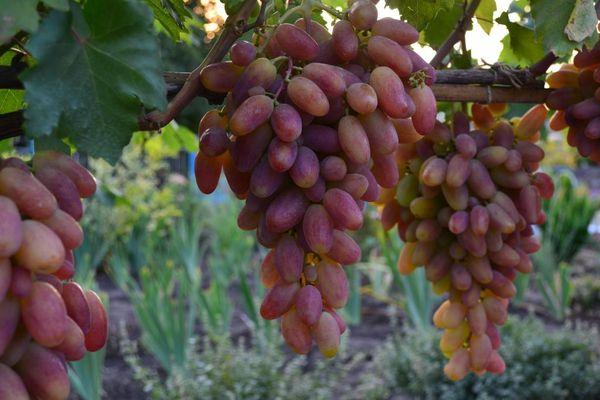
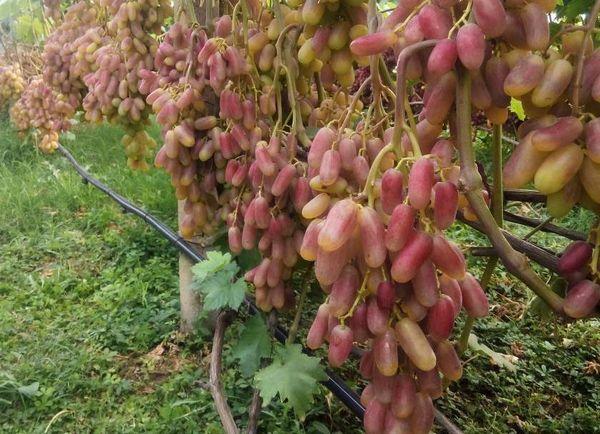
The root system of the Preobrazhenie grape vine is well-branched and robust. The shoots grow quickly, producing numerous side shoots. The fruit clusters weigh approximately 1 kg. When ripe, the berries turn pink or pinkish-yellow.
Main characteristics of the variety
The Preobrazhenie grape is an early-ripening hybrid. It produces a good harvest within four months of planting.
Taste qualities
This grape variety has a simple yet harmonious flavor. The fruits have a fleshy, juicy, sweet pulp and a delicate skin. The berries have an acidity of 7 g per liter, and a sugar content of 19 g per cubic centimeter.
Frost resistance
The Preobrazhenie grape variety tolerates low temperatures very well. It can withstand temperatures as low as -23 oS. But in any case, with the onset of winter, the bush should still be well covered.
Productivity
Thanks to its bisexual flower structure, Preobrazhenie grapes are highly pollinated. A single bush can produce up to 20 kg of fruit. These characteristics make this hybrid ideal for commercial cultivation.
Adaptation
The bushes easily adapt to various climates and require little care. To speed up the adaptation process, after planting the seedling, thoroughly water the soil around the roots and cover it with a layer of mulch to create a greenhouse effect.
Resistance to diseases and pests
The Preobrazhenie grape variety has a moderate resistance to pests and diseases. For prevention, the plant is sprayed with special pest and disease control products.
Transportation and storage
Preobrazhenie grapes have a strong skin and firm flesh, so they are not damaged during transportation. To ensure optimal preservation, harvested grapes should be stored in wooden baskets or crates with ventilation holes.
Pros and cons
Among the advantages of the Preobrazhenie grapes it is worth highlighting:
- survival rate of cuttings;
- excellent raw material qualities, ideal for wine making;
- self-pollination;
- good taste;
- crop yield.
The Preobrazhenie grape variety has low resistance to fungal diseases and requires winter protection despite its frost resistance.
Landing rules
To obtain a healthy and stable harvest, it is important to know and follow the planting rules. Following them can guarantee that the bushes will take root and delight you with their fruits.
Recommendations for choosing deadlines
The best time to plant Preobrazhenie grape seedlings is spring. Autumn is the best time to graft cuttings. In this case, it's important to consider their condition at planting; the bushes should be healthy and strong.
Selecting a location on the site
When choosing a location, keep in mind that the Preobrazhenie grape prefers a well-lit spot sheltered from the wind. It has strong roots, so it's best not to plant it near trees, as they will compete for nutrients.
Soil preparation
When preparing the soil for planting the Preobrazhenie grape, clear the area of bushes, rocks, debris, and weeds. Fill in any depressions and holes, level the surface, spread a 10 cm layer of well-rotted manure, and mix it into the soil. Next, dig the soil to a depth of approximately 50 cm, turning the layer over. Plant the bushes in a row near the walls using the strip method.
Selection and preparation of planting material
When selecting a Preobrazhenie grape seedling, pay attention to the buds, roots, and roots of the plant. The root system should be free of peeling bark, excess growths, curvatures, or other damage. A high-quality, healthy seedling or cutting should have buds (3-4) and at least one bud shoot (10 cm). The seedling itself should be approximately 40 cm in size, and the cutting up to 30 cm.
Before planting the Preobrazhenie grape seedlings, remove the small shoots, leaving the strongest and longest. These should be trimmed back to five buds, and the root system should be shortened by 15 cm. After this, place the seedlings in water to absorb moisture and prevent them from drying out. You can add a special growth solution (humate or Kornevin) to the water.
Preparing the planting hole
To plant a seedling, you'll need mature compost and other ready-made organic fertilizers. First, add 1-2 shovels of wood ash to the bottom of the hole, followed by a 30 cm layer of nutritious organic matter. Next, spread fertile soil evenly (10-20 cm) and compact it lightly with a shovel.
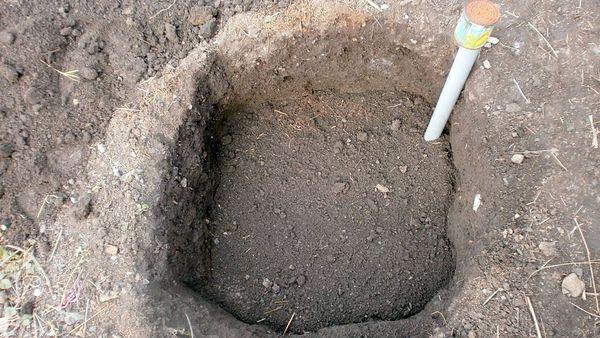
To get rid of any voids, add a few buckets of water to the filled hole. However, if the hole is prepared six months in advance, do not fill it with water, as the soil will settle on its own.
Planting diagram
To ensure the Transfiguration grape seedlings take root well, they must be planted correctly. First, dig holes spaced 1 meter apart. Fill the bottom with soil mixed with organic fertilizer.
The next layer of soil should be unfertilized. The seedlings are planted so that the root collars are not below the soil surface. The holes containing the bushes are filled with soil and watered thoroughly.
How to care
To ensure the growth and harvest of a rich grape harvest, the Preobrazhenie bushes must be watered, mulched, and fertilized in a timely manner.
Mulching
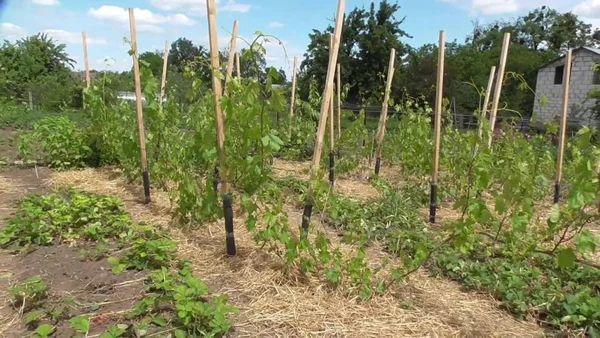
Mulching is necessary to prevent weeds and retain soil moisture. The mulch layer should be approximately 4 cm thick. Peat or compost is used for this purpose.
Mulching is done before winter to protect the plant from freezing. With the onset of summer, the mulch layer should be removed, as the root system underneath can rot.
Watering
When watering the Preobrazhenie grape, keep in mind that the root system is located deep beneath the soil. Therefore, the plant needs a good watering, but be careful not to overdo it. Excess moisture can render the plant unusable.
After planting, the bushes should be watered once a week, using 2 buckets of water per bush. After a month, the frequency of watering is reduced to once every 22-27 days (4 buckets of water per bush).
Top dressing
The key to obtaining a bountiful harvest of Preobrazhenie grapes is fertilization. In poor soil, the plant will not produce large quantities of delicious fruit. Therefore, regular fertilization is extremely important.
Before flowering
The first feeding is done in the spring, 7-14 days before flowering. This will prevent ovaries from falling off and will increase yield. A liquid mixture is best suited for feeding.
Preparation of fertilizer per 1 sq. m:
- 1 kg of manure slurry solution;
- ash - 40 g;
- bird droppings - 50 g.
Mix everything together, dig trenches and holes 50 cm deep around the bush, and then fill the holes with soil. One bucket of the mixture is used per bush.
After flowering
Fertilizing grapes Transfiguration after flowering is carried out using:
- chicken manure, dung, ash, water;
- chemical fertilizers: superphosphates, fungicides, boric acid, phosphorus, potassium, nitrogen.
Dig holes no deeper than 40 cm around the grape vines, spaced 50 cm apart. Fertilizer is added to the prepared holes and thoroughly watered. Fertilizing should be done in conjunction with watering. This promotes the full absorption of beneficial micronutrients by the roots.
Before ripening
At fertilizing before grape ripening Superphosphate is added to the dug holes around the plant. Potassium fertilizers can also be used.
After harvesting
To feed the Preobrazhenie grapes after harvest, mineral and organic fertilizers are used. The most common organic fertilizers are compost, manure, ash, and bird droppings.
No less important for the Preobrazhenie grape are mineral fertilizers: urea and ammonium nitrate, zinc, potassium and phosphorus.
Formation
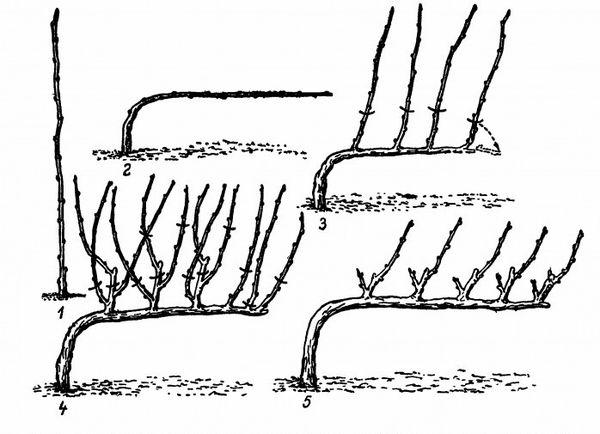
Preobrazhenie grape vines are trained through pruning. This is done in the fall or early spring. Fan pruning is the most effective. It involves shortening the vines to 7-8 buds and reducing the number of shoots to 25. Each shoot should have one cluster to prevent the vine from becoming overloaded.
Bird protection
When the grapes turn color and fill with juice, birds begin to feast on the grapes. During this period, it's important to know how to protect the plant from birds.
Insulation
To get rid of birds, you can use various mechanical means. One such method is to use fine-mesh bags. Cover each bunch of Preobrazhenie grapes with these bags, allowing them to be ventilated and preventing birds from reaching them. However, this method has a drawback: due to the labor-intensive nature of the process, it is not suitable for large vineyards.
Scaring away
Among the simplest and cheapest are visual repellents. You can hang plastic bags (preferably blue), CDs, and unwanted toys in the vineyard. However, this method isn't the most effective, as the birds are initially genuinely afraid of these objects, but after a while they become accustomed to them and don't notice them.
Another deterrent is to use recordings of predators and injured birds in vineyards. This method is effective, but birds become accustomed to the same recordings and lose their fear of them.
Preparing for winter
Preparing the Preobrazhenie grape for winter is another important factor in caring for the Preobrazhenie grape. First, the plant is fertilized with a micronutrient mixture.
To prepare the fertilizer you will need to mix:
- 10 liters of settled water;
- 10-15 g of potassium fertilizer;
- 20 g of granulated phosphorus fertilizer.
You can add boric acid powder (5 g) and iodine (10-15 drops) to the solution. Then fertilize the plant with the mixture. Next, water it with the required amount of water, depending on the soil type (chernozem and loamy soil – 10-15 liters, sand – 20-25 liters).
Before the onset of frost, grapevine pruning begins: remove all damaged and immature branches, leaving a third of the remaining buds. Before winter sets in, don't forget about preventative treatments against diseases and pests.
Diseases and pests
The Preobrazhenie grape is not resistant to diseases such as bacterial canker, mildew, spotted necrosis and powdery mildew.
Among the pests to which the plant is exposed are:
- grape moth;
- pillow case;
- grape spider mite.
Powdery mildew
Powdery mildew is a fungal disease that appears on leaves as a white coating. To get rid of it, you'll need to use fungicides like Vitaros or Topaz.
Spotted necrosis
This disease can appear on grapes after winter. Initially, spots appear on the leaves, followed by the vine withering and dying. Copper-containing products are the most effective treatments for spotted necrosis.
Mildew
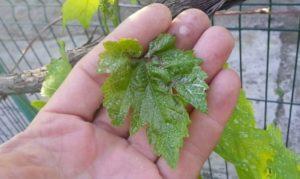
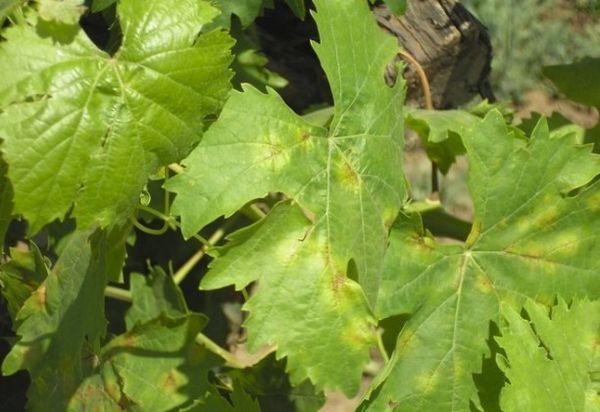
Mildew is one of the most dangerous fungal diseases of the Preobrazhenie grape. The infection can be identified by the discoloration of the leaves, which are covered with oily, yellow spots. This disease can be treated with copper-containing antifungal agents.
Bacterial cancer
Handling grapes with unsterile tools can infect the plant with bacterial canker. This disease is incurable. The only treatment is removing the infected vine.
Prevention methods
Preventative measures are necessary to prevent the occurrence of diseases and pests, which are easier to prevent than to try to cure.
Sweet baits
The plant is often attacked by hornets, wasps, and larvae. For this purpose, odorless chemicals have been developed that don't interfere with the scent of the bait. It's important to choose products considered safe for both humans and the fruit. Sweet baits are made from plastic bottles filled with a strong-smelling liquid that will attract wasps. They are hung near the vineyard.
Mesh bags
Place a bunch of "Preobrazhenie" grapes, without cutting them from the branch, in a 1mm mesh synthetic bag. Tights, bandages, or gauze can be used.
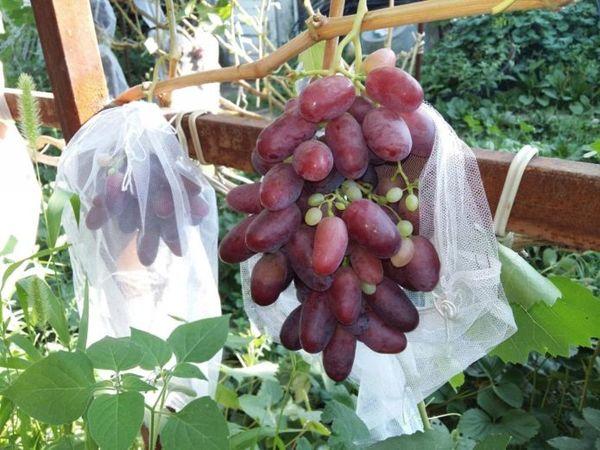
Tie the bag several times to prevent wasps from getting inside. You can secure it with a clothespin. The bag should not touch the bottom of the bunch.
Smoke
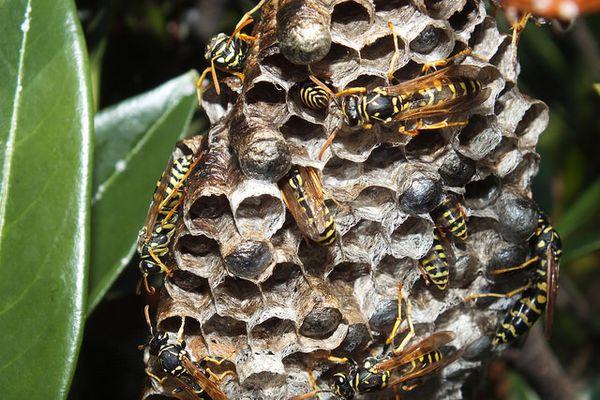
Smoke bombs have become widely used in insect control. The smoke causes the pests to fall to the ground, where they can then be crushed. After the colony is destroyed, the empty nest must be removed.
Artificial repeller
To combat wasps, an artificial repellent is made using table, apple or grape vinegar.
To prepare the solution you need:
- cold water - 1 l;
- vinegar - 100 ml.
Spray the grapes with the prepared solution early in the morning.
You can use another method. You need to take:
- cold water - 10 l;
- liquid laundry soap - 20 ml;
- baking soda - 5 tbsp.
Processing is carried out in the morning or in the evening.
Destruction of wasp nests
The most effective method of insect control is to destroy wasp nests. They are carefully sprayed with dichlorvos. Then, they are removed and burned.
Grape spider mite
Grapevine spider mites infest grapes of any age. Warm, dry climates promote their proliferation. Plants with phytoncidal properties, which are repulsive to many insects, such as garlic and onions, help control the pest. Insecticides can also be used.
Pillow case
The grape pincushion is a pest that thrives on grape juice. It nests on shoots and creates a film that makes it almost invisible and resistant to insecticides. The only way to get rid of the pincushion is by hand-picking the pests.
Grape moth
Grapevine moths nest on the undersides of leaves, laying eggs. When the eggs hatch, they begin feeding on the berry juices. To get rid of these pests, Preobrazhenie grapes are treated with insecticides, fallen leaves are removed, and the soil is loosened.
How to propagate by cuttings correctly
Grape cuttings are cut along the lower edge in a wedge shape, 2-3 mm from the bottom bud. Before planting, the cutting is soaked in water for 5 days, then dipped in a root growth stimulant. The top of the cutting is sealed. It is dipped in boiling paraffin and cooled with cold water.
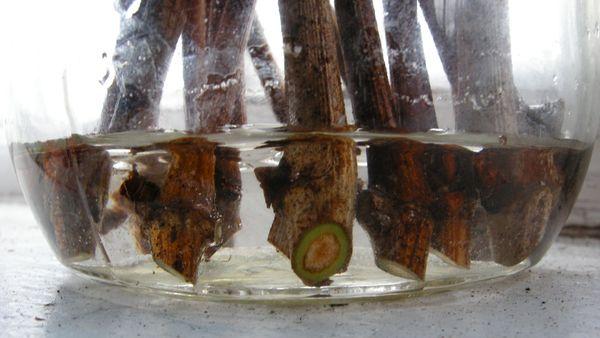
The rootstock is pruned, removing old shoots. Next, it should be trimmed to make it smooth. Then, clean off any dirt and split open to accommodate the scion. The rootstock is tightly bound with cotton cloth. The grafting site is sealed with clay to retain moisture.
Harvesting and storage
Preobrazhenie grapes begin to yield fruit in just 3.5-4 months. In southern regions, harvesting begins in late July. In cold and temperate climates, this timeframe shifts. It's best to store the harvested grapes in a well-ventilated, cool place.
Applications of berries
The harvested fruits are stored fresh and used in the production of raisins and wine. The berries are easy to transport and retain their marketable appearance even when shipped over long distances.
Tips and advice from experienced gardeners
Experienced gardeners recommend planting the Preobrazhenie grape variety. It's easy to care for. However, side shoots grow vigorously and will need to be removed regularly. Failure to do so will result in a loss of flavor.
Related posts:
 Description of 30 grape varieties for Siberia, planting and care for beginners
 How to grow grapes in the Moscow region in open ground without a greenhouse
 The ripening time of grape vines by variety, how to speed up the process, and what to treat the plant with
 Description of the Julian grape variety, planting and care instructions
 Description of 30 varieties and types of Muscat grapes, planting, cultivation and care
 Beginner's Guide to Growing Grapes in Open Ground in Central Russia
 Description of the Krasotka grape variety, planting and care technology
 Description and characteristics of the Syrah grape variety, where it grows