
- Signs of infection with the disease
- Causes of infection
- Mechanical damage
- Violation of care rules
- Lack of essential micronutrients
- Violation of the watering regime
- High acidity
- Pests
- Treatment and methods of protection
- Trimming
- "Horus", "Ridomil"
- "Kartotsid", "Polyram"
- Planriz
- Mikosan
- Gaupsin
- Copper sulfate
- Bordeaux mixture solution
- Fundazol
- Previkur
- Ordan
- "Arcerid"
- Kuproskat
- DNOC
- "Skor"
- Acrobat MC
- Fitosporin M
- Effective folk remedies
- Rotten hay
- Garlic infusion
- Preventive measures
- Humidity control
- Fertilizer
- Potassium permanganate solution
- Sulfur powder
- Weed removal
- Watering and mulching
- Pinching out stepsons
- Trimming
- Disinfection of garden tools
- Resistant varieties
- Tsolokouri
- Nimrang
- Otlis
- Sauvignon
- Riesling
- Saperavi
- Codryanka
- Yasya
- Tangra
- Research
- Tips and advice from experienced gardeners
- Result
Anthracnose is a common grapevine disease. It affects not only the leaves but also young shoots. Left untreated, it often leads to the complete death of the vine and the spread of the disease to healthy vines. Recognizing the symptoms is easy, so it's important to regularly inspect the plant.
Signs of infection with the disease
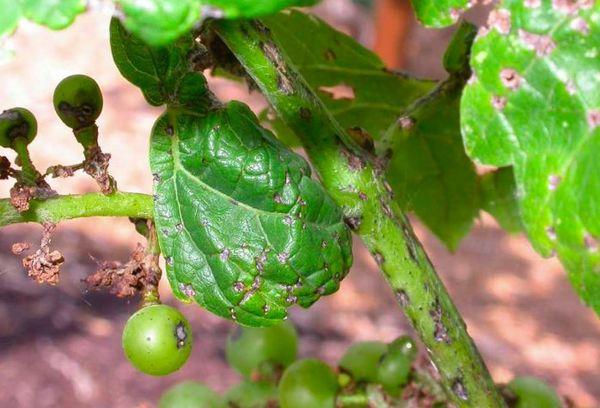
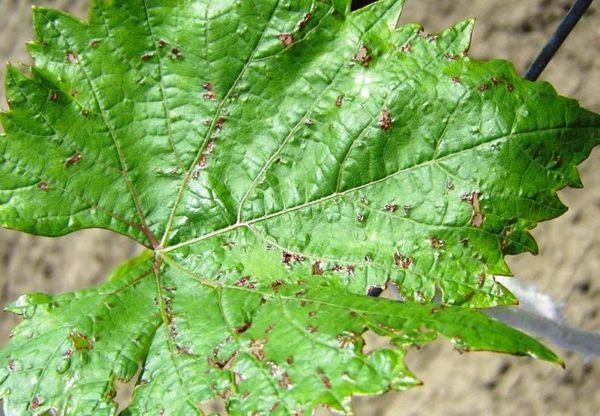
Anthracnose is manifested by the following symptoms:
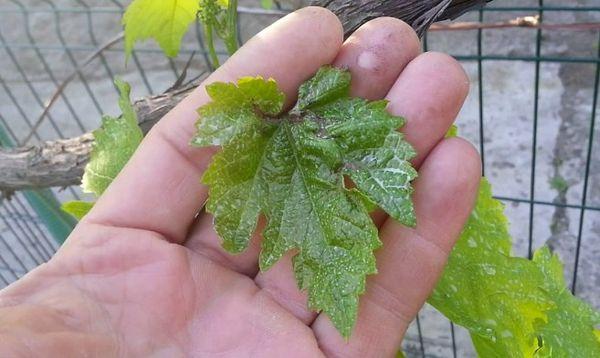
- formation of brown spots on leaves;
- the leaf becomes spotty and gradually dies;
- the berries become covered with small dark spots, which contribute to the appearance of rot and spoilage of the crop;
- the bark begins to crack, causing the vine to break and dry out;
- The shoots become brittle, with small dark spots.
In severe infestations, symptoms develop.
Causes of infection
Often, unfavorable conditions contribute to the emergence of the problem.
Mechanical damage
Mechanical damage to the bark is often the cause of the disease. When a crack forms, the disease enters, infecting the tissue and manifesting symptoms on the leaves and young shoots.
Violation of care rules
Improper or no care at all often leads to weakened immunity and the development of disease symptoms. Failure to prune vines and the growth of weeds can trigger the first symptoms of the disease. Lack of drainage can also trigger the development of anthracnose.
Lack of essential micronutrients
A deficiency of essential elements in the soil leads to a weakened immune system, which results in plant diseases and exposure to fungal infections. Insufficient phosphorus and potassium minerals can also cause anthracnose symptoms.
Violation of the watering regime
Overwatering leads to fungus growth. Also, frequent rainfall can carry the fungus with wind and raindrops, leading to infection of healthy bushes.
High acidity
Soil that contains a high level of acidity often promotes the growth of fungal spores, this is due to the fact that this type of soil allows the infection to multiply quickly, resulting in infection.
Pests
Flying pests that move from vine to vine can often be the cause of grapevine disease, as spores can travel on the insects' legs and progress rapidly when they land on a healthy plant.
Treatment and methods of protection
Special medications are used to eliminate the disease.
Trimming
Before treating the bush, it's necessary to prune away any affected shoots. Leaves showing symptoms of the disease should also be removed. After pruning, the affected parts should be burned, as spores can quickly spread to healthy plants.
The cut areas of damaged shoots must be treated with antifungal agents that reduce the risk of further infection of the crop.
"Horus", "Ridomil"
These types of products have antibacterial and antifungal effects on grapes. They can be used for disease prevention, as well as when the first symptoms of a problem appear. They are applied in the spring before bud break. If necessary, they can be applied during the growth and fruit set period. However, treatment should be carried out in the evening to reduce the risk of leaf burn.

"Kartotsid", "Polyram"
These preparations are used when the first symptoms of the disease appear. Affected shoots and leaves are removed, followed by spraying with antifungal agents. For complete eradication, two treatments are required, at least 14 days apart.
Planriz
This fungicide is a biological agent used to combat fungal diseases. It does not affect grape growth and can be applied every 10 days. It can be used as a root treatment and also works well with mineral supplements and growth promoters.
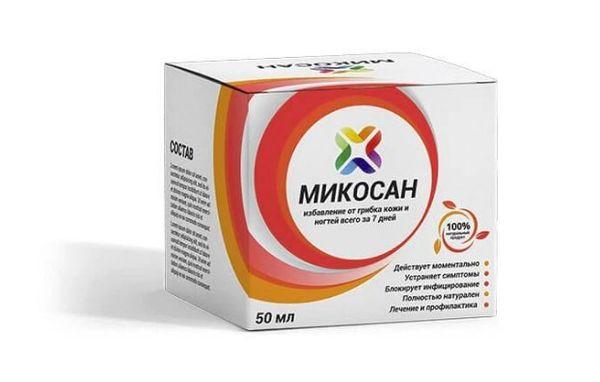
Mikosan
A product that stimulates immune development in grapes. This prevents the plant from becoming susceptible to fungal diseases. It is most often used in spring and fall to prevent disease outbreaks.
Important: At the first signs of the disease, results are achieved by activating fungal strains that destroy anthracnose.
Gaupsin
The product has a positive effect on grapes, increasing growth and promoting the formation of new shoots. It is used in early spring to boost immunity, which helps the plant fight fungal infections naturally. Grapes should be treated twice, with at least 14 days between treatments.
Copper sulfate
Copper sulfate should be applied before bud swelling. A 1% solution should be applied with a spray bottle. To prepare, dissolve 100 grams of the solution in 10 liters of water and spray the bush.
Bordeaux mixture solution
Bordeaux mixture is effective against a wide range of fungal diseases affecting grapes. A 1% solution should be used for spraying. Spraying is carried out in early spring. Repeat treatments are recommended before flower buds form.
Fundazol
It is used against diseases, including fungal ones. It is produced in powder form and must be dissolved in water for further application.
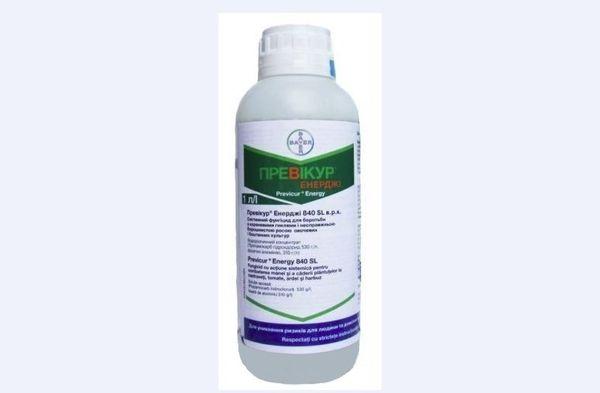
Previkur
A product used to prevent fungal diseases. It contains a growth stimulant and can be used on grapes from the first year of growth.
Ordan
A substance that destroys fungal spores and prevents recurrence. Can be used up to three times per season.
"Arcerid"
Produced in powder form for the preparation of a working solution, it eliminates the symptoms of the disease and is used in the spring as a preventative measure.
Kuproskat
The product penetrates fungal spores and kills them. Three sprays are required to achieve visible results. Damaged areas are removed.
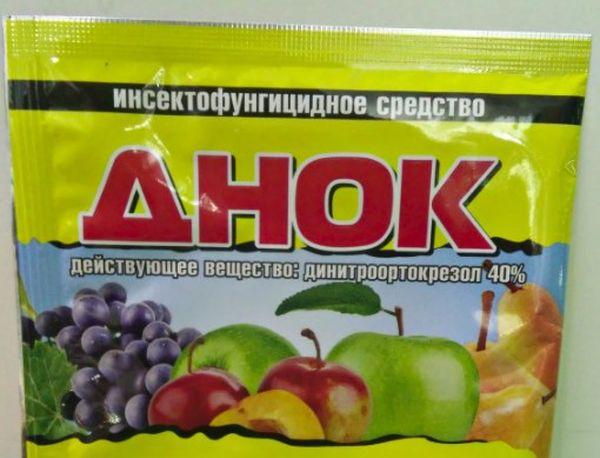
DNOC
The fungicide contains ammonium salt, which has a negative effect on fungi. It has a pungent odor and eliminates the disease after the first application. It dissolves poorly in liquid, so additional solvents are required.
Take a look Also
"Skor"
It is used to prevent and treat fungal diseases. After spraying, it quickly penetrates plant cells and boosts the plant's immunity. To achieve visible results, 2-3 treatments are required.
Acrobat MC
The product is toxic, so wear rubber gloves when applying and preparing the solution. To achieve results, three treatments are required, the last one being carried out one month before harvest.
Fitosporin M
It's a safe product that doesn't affect crop development. This biological substance contains strains of beneficial fungi to combat the disease and prevent its recurrence.
Effective folk remedies
If a gardener does not want to use special preparations to treat bushes, they can use proven folk methods.
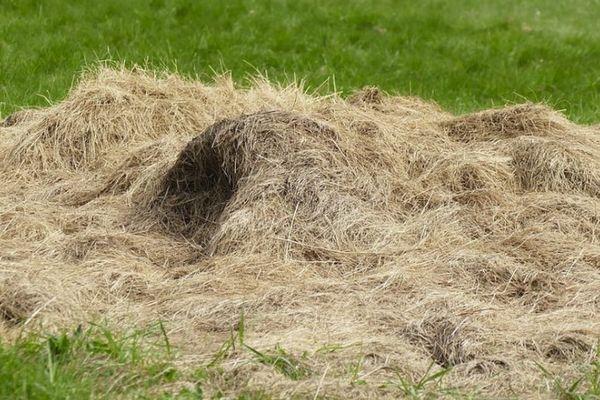
Rotten hay
Fungus can be controlled using rotted hay. To do this, soak 1 kg of hay in a bucket of water and leave it for 24 hours. Strain the resulting solution and spray it on the bush.
Garlic infusion
Garlic has antifungal properties. To use, crush a head of garlic and add a liter of water. Let the mixture steep for 24 hours, then strain. Mix the infusion with 5 liters of water and spray the grape bushes.
Important: When spraying with garlic solution, it is necessary to carry out 2-3 treatments at intervals of 4-5 days.
Preventive measures
To prevent the appearance of anthracnose on grapes, preventive measures to protect the plant are used.
Humidity control
Fungus thrives in a humid environment. Therefore, to prevent the disease, water the plant no more than twice a week. When planting the seedling, add a layer of crushed stone or broken brick to the hole. This will act as drainage. Regularly loosen the soil if waterlogging occurs.
Fertilizer
Fertilize three times per season. Use organic fertilizers in the spring, mineral supplements in the summer, and compost or peat in the fall. This will help strengthen the immune system and fight fungus naturally.
Potassium permanganate solution
Manganese prevents fungal growth. To use, spray a weak solution onto the bush and soil. This method is used in early spring.
Sulfur powder
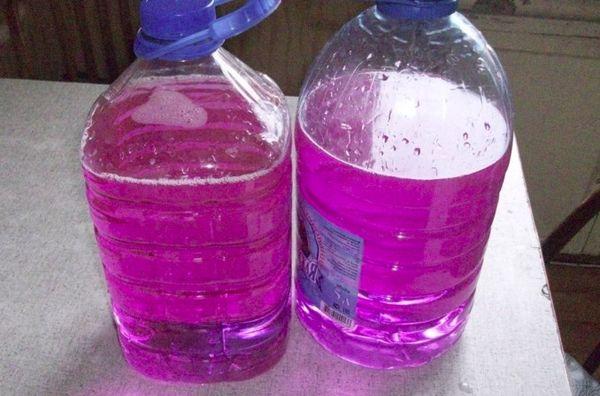
Colloidal sulfur is used, which dissolves in water and is applied as a spray. 50 grams of the substance are used per bucket of water.
Weed removal
Weeds can carry fungal spores. To prevent the disease, promptly remove weeds and loosen the soil.
Watering and mulching
A mature bush should be watered every 4-5 days or as needed. Young bushes should be watered every 3 days, depending on weather conditions.
Pinching out stepsons
Removing lower shoots reduces the risk of fungal diseases. Side shoots should be removed regularly, and the growing areas should be treated with a potassium permanganate solution.
Trimming
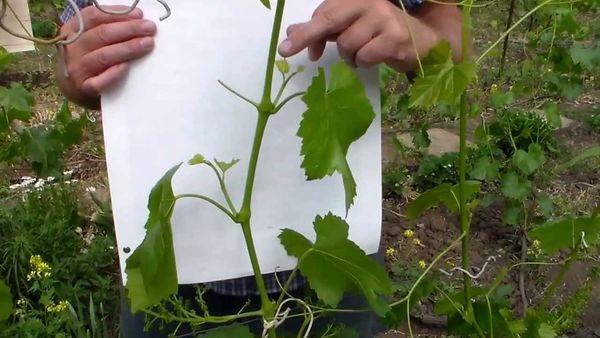
Grapevine pruning is done in spring and summer. In spring, dry branches should be removed, as they can harbor larvae and disease spores. Anthracnose tolerates temperatures as low as -35°C.
Disinfection of garden tools
Garden tools, such as shovels and pruning shears, should be treated with disinfectants. After gardening, tools often harbor strains and microorganisms that cause grape diseases.
Resistant varieties
To prevent the disease from developing on grapes, it is necessary to select special varieties that are resistant.
Tsolokouri
A technical grape variety with small, dense clusters. The grapes are sweet and the skins are white.
Nimrang
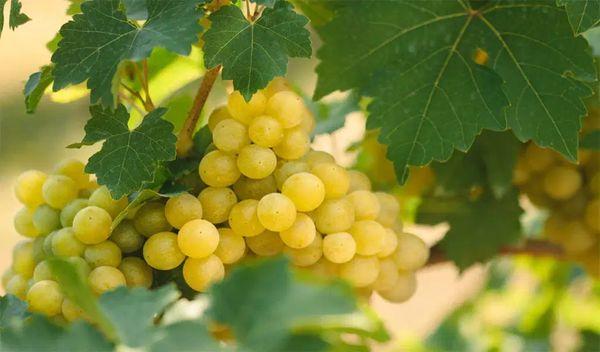
The distinctive features of this cultivar are the large clusters and sweet berries. The bushes tolerate low temperatures and are not susceptible to fungal diseases.
Otlis
The crop is resistant to fungal diseases. With proper pruning, it produces large annual harvests.
Sauvignon
The distinctive feature of this cultivar is its sweet and sour taste. The clusters are large and dense. It is disease-resistant and ripens in the middle of the season.
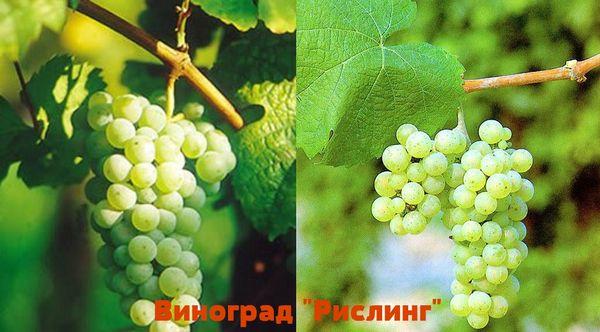
Riesling
This white grape variety is often used to make wine. It is a late-ripening variety that can be stored without deteriorating its flavor.
Saperavi
This red grape variety is distinguished by its large berries. It's a versatile variety and can be used for winemaking. The berries are sweet and juicy.
Codryanka
An undemanding plant. The berries are dark and sweet. The clusters are large and branched.
Yasya
The berries are distinguished by their elongated size and red skin. They are distinguished by their early ripening period and resistance to anthracnose.
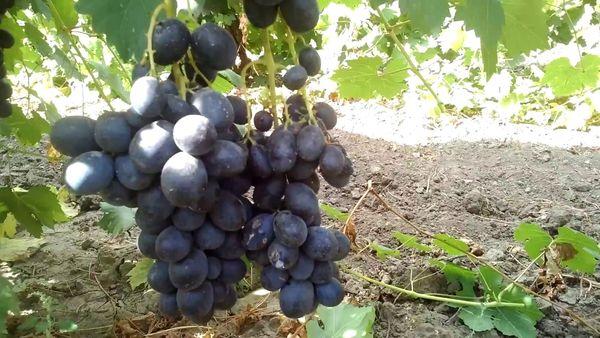
Tangra
A hybrid variety with a mid-season ripening period. The berries are blue, round, and sweet. The clusters are large and loose.
Research
Research was conducted to obtain tangible results in the fight against anthracnose. The following results were found:
- Spraying should be carried out at the stage of 5 leaves appearing;
- before flowering;
- after the formation of inflorescences;
- after harvesting.
Gardeners note that using a single product often doesn't produce the desired results. Therefore, a comprehensive approach is needed to address the problem.
Tips and advice from experienced gardeners
To combat anthracnose on grapes, it is necessary to follow the following recommendations:
- at the first symptoms of the disease on a young bush, it is necessary to wipe the leaves with a solution of potassium permanganate;
- When symptoms appear, it is necessary to cut out all infected vines and burn them;
- Until the disease is completely eliminated, it is necessary to treat the bushes every 10 days.
Following the recommendations keeps the bush healthy.
Result
Anthracnose on grapes is a common problem. Preventative measures are necessary to prevent these symptoms. When the first symptoms appear, special antifungal products are used.
Related posts:
 How to plant grapes step by step, with a description of the process and care
 Causes of phylloxera in grapes, control measures with drugs and folk remedies
 How to propagate and grow peas, cultivation technology, and care in open ground
 How to properly plant peas in a greenhouse and open ground
 Diseases and pests of home lemons, treatment options, and solutions
 How to control onion flies using natural and chemical methods
 Description and treatment of potato diseases, methods of control using folk and chemical means
 How to combat powdery mildew on onions using folk and chemical remedies