
- Causes of citrus diseases
- Fungal and infectious diseases: symptoms and treatment
- Melseco disease
- Powdery mildew
- Gummosis (gum flow)
- Root rot
- Sooty mold (black mold)
- Citrus scab (warty citrus)
- Anthracnose
- Rust
- Viral tree diseases
- Citrus cancer
- Leaf mosaic
- Tristeza
- Insects and pests: symptoms and methods of destruction
- Sciarids (midges)
- Springtails or collembolans
- Scale insects
- Whitefly
- Aphid
- Mealybug
- Thrips
- Spider mite
- Prevention
- Conclusion
Lemon trees are often grown indoors, so diseases and pests are a problem everyone faces. Symptoms can appear suddenly and require immediate intervention. This is because indoor plants have a weakened immune system and may die if left untreated. The same steps should be taken if pests appear.
Causes of citrus diseases
Lemon diseases are common, especially if the citrus plant is grown indoors. These plants have a weak immune system and are sensitive to any temperature fluctuations indoors.
At home, citrus diseases can occur for the following reasons:
- weak immunity, which occurs as a result of improper care of the crop;
- previously suffered illnesses;
- poor quality indoor lemon seedling;
- bringing in pests from the street;
- use of contaminated objects while caring for the crop;
- introduction of bacteria during spraying or airing of lemon in summer;
- lack of nutrients in the soil.
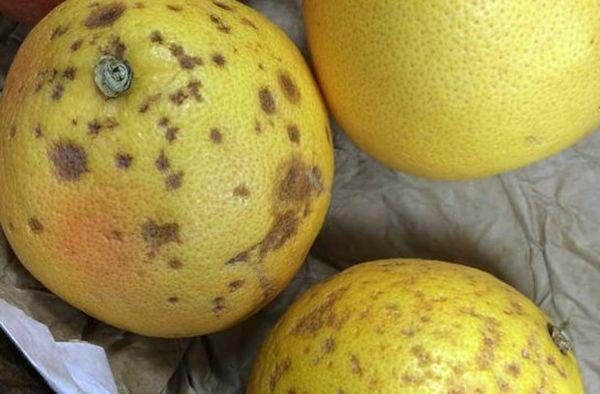
Lemon diseases are often caused by poorly selected soil, which doesn't allow enough air to permeate the roots and leads to root rot. Another common cause of introducing fungal spores to citrus plants is placing them on balconies during the summer. Infection can occur due to wind or rain.
Fungal and infectious diseases: symptoms and treatment
A fungal infection can quickly lead to the death of a plant. Therefore, it's important to promptly identify the first symptoms and choose the appropriate treatment. Fungal infections can be quickly eliminated in the early stages, but once the disease has progressed, pruning is necessary to prevent the plant from dying.
Melseco disease
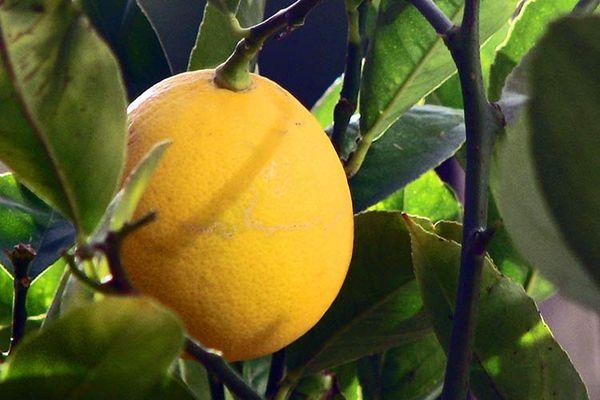
The first symptoms of the disease are wilting of young shoots, which gradually dry out completely. After the leaves fall, the cut area turns dark red. The fungus can quickly spread to healthy parts of the plant and infect nearby crops. The problem is caused by insufficient sunlight, which allows the fungus to develop. To treat the disease, prune the affected areas. Place the lemon in a sunny location.
Important: There are no treatments against Melseco, so it's important to regularly inspect the plant and promptly address the first signs of the disease.
Powdery mildew
When this disease develops, light-colored spots appear on the leaves. The leaf gradually turns yellow and dies. This type of disease occurs with excessive air humidity and frequent watering. It can affect not only the leaves but also young shoots. Control is achieved by spraying with 1% Bordeaux mixture.
Gummosis (gum flow)
The disease manifests itself as red streaks on leaves and young shoots. Severe fungal infections cause bark death on the trunk and leaf fall. The disease reduces yield, the plant fails to bloom, and can die within a short time.
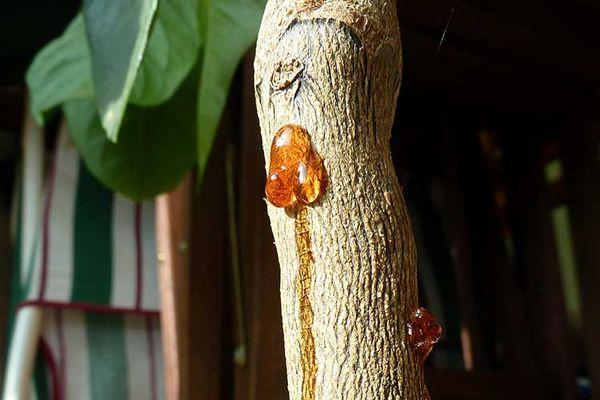
To eliminate the problem, it's necessary to prune the infected areas. Treat the cut areas with a solution of potassium permanganate and garden pitch. The lemon tree should also be sprayed with a 3% copper sulfate solution.

Root rot
The first symptoms of the disease include leaf drop and wilting of shoots. Upon examination of the roots, black spots may appear, which gradually increase in size. Treatment involves pruning the affected areas and replanting the plant.
Sooty mold (black mold)
Lemons become covered with a distinctive dark-colored coating. This coating most often appears on the leaves and has a sticky consistency. To treat it, treat the leaves with a mild solution of potassium permanganate and rinse off any remaining fungus with running water. Afterwards, place the pot in a sunny spot.
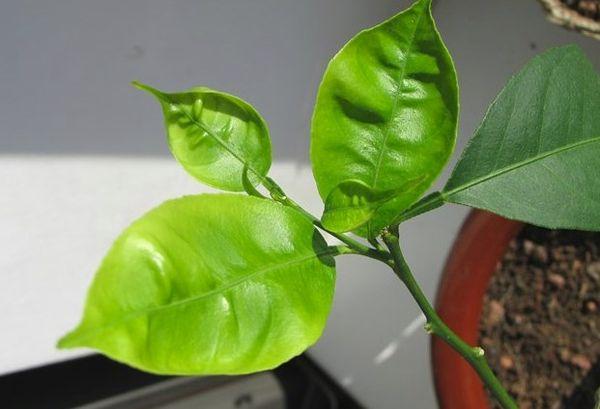 Important: Lemon leaf mold often causes allergic reactions. Young children are especially susceptible. Therefore, if a lemon tree is affected by the mold, the pot containing the citrus tree should be moved to an isolated area.
Citrus scab (warty citrus)
The disease often appears on citrus fruits.Scab affects leaves and shoots. When fruit is forming, warty lesions can be found on green lemons. Fruits affected by scab rot and fall off. Treatment involves treating the bush with a 2% copper sulfate solution. Affected areas should be trimmed with sharp pruning shears and treated with Bordeaux mixture.
Anthracnose
This type of disease occurs due to improper care of the plant. The fungus is caused by high indoor humidity. Brown spots appear on the leaves and shoots, gradually increasing in size. To eliminate the problem, treat the lemon with Bordeaux mixture. If this treatment fails, treat the plant with specialized antifungal medications.
Rust
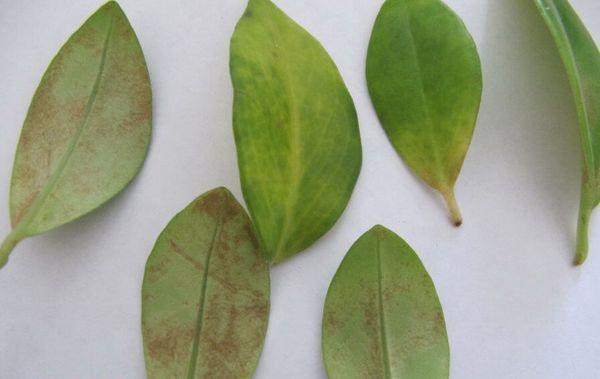
The first signs of the disease are brown spots on the leaves. The spots gradually enlarge, and yellow spots appear on the leaves. Young shoots wilt and turn yellow. The lemon tree weakens and rarely blooms. Shoots and leaves may dry out. Rust can quickly destroy a mature plant, causing it to dry out completely. This fungal disease can be controlled with Strobilin or Bordeaux mixture.
Viral tree diseases
Citrus trees affected by viral diseases are difficult to treat. These diseases result in crop failure and short-term wilting. The virus is transmitted by watering or wind. Soil and tools that haven't been treated with a special disinfectant can also be the cause of the virus.
Citrus cancer
Symptoms of the disease include dark spots on the leaves. Lemons lose their shape and often become small. The virus quickly spreads throughout the plant, causing leaves to fall off. At the first signs of the disease, remove dead shoots and spray with liquid copper.
Important: If cancer symptoms accumulate in large numbers and treatment is ineffective, the plant must be removed. Otherwise, the infection will spread to other plants.
Leaf mosaic
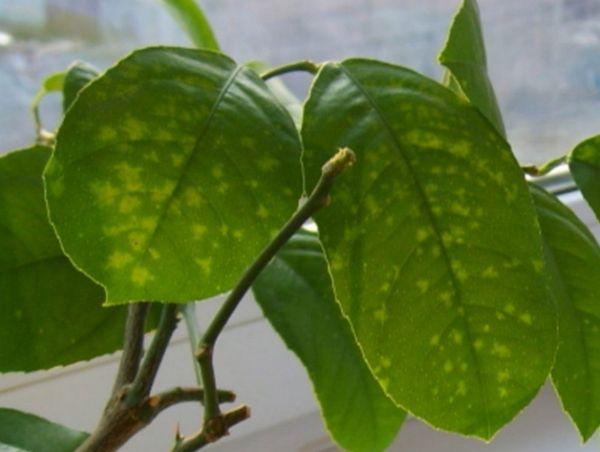
The disease rarely appears on lemons. The virus manifests itself as numerous spots on the leaves. The shoots become pale and lose their color.
The virus spreads rapidly throughout the crop and is untreatable.
Tristeza
This type of virus is rare. The lemon tree loses all its foliage, and shoots gradually begin to die. The virus cannot be completely cured, so the plant must be removed if symptoms appear. Most often, the disease is caused by poor-quality planting material.
Insects and pests: symptoms and methods of destruction
More often diseases on citrus trees These problems arise as a result of infestation by harmful insects. These parasites not only destroy the integrity of leaves and shoots but also transmit fungal strains. These pests destroy the citrus plant and weaken its immune system, rendering the lemon unable to fight off diseases on its own.
Take a look Also
Sciarids (midges)
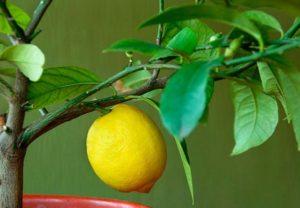
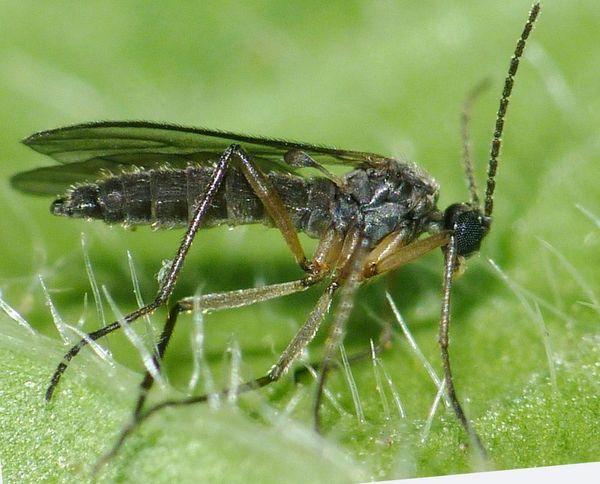
Small gnats congregate on lemon trees and feed on the plant's sap. They are difficult to spot, as they are small and cling tightly to the shoots. The first symptoms are spots and damage to the leaves. To eliminate them, special chemicals are applied to the plant.
Springtails or collembolans
These pests appear as a result of moisture accumulation in the soil. The insects are small in size. The larvae are light-colored and move throughout the lemon tree. The first signs of pest infestation are damage and compaction on the plant. The insects move around the plant by jumping. To remove the pests, repot the lemon tree in new soil and allow the roots to dry out.
It is also recommended to treat the root part with charcoal or ash.
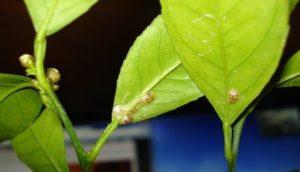
Scale insects
Lemon scale insects most often appear when a seedling is infected. Scale insect larvae move throughout the plant, feeding on the sap. Once the insect matures, it attaches itself to the leaves, forming a thick shell. The insect lays eggs in the shell. The parasites can attack not only the leaves but also young shoots. Scale insects can be controlled using garlic water. To do this, steep 100 grams of garlic in a liter of water and spray the plant.
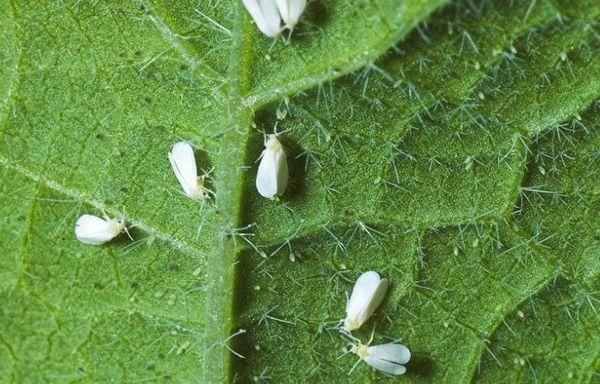
Whitefly
This small butterfly has light-colored wings. The insect does not harm citrus fruits, but after laying eggs, larvae emerge that destroy the lemon. The larvae also secrete a specific fluid that causes fungal growth on the leaves. To treat the problem, spray the lemon with pesticides such as "Karbofos" and "Decis." Larvae can be removed using onion or garlic water.
Aphid
Aphid attacks are common on citrus plants. Despite the plant's high essential oil content, these pests can cause significant damage in a short time. Aphids are small and often congregate on leaves and shoots. To treat aphids, treat the plant with a solution of laundry soap. You can also treat lemons with a solution of copper sulfate and wood ash.
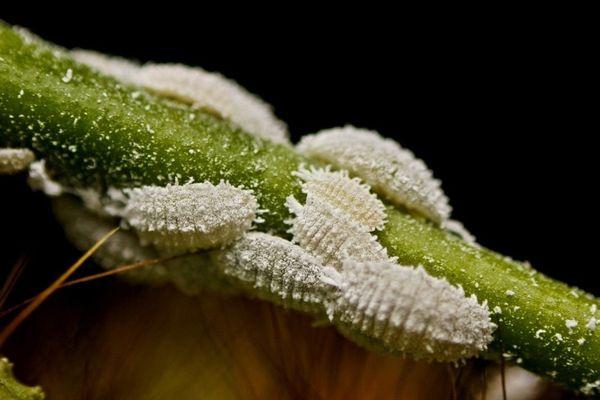
Mealybug
The appearance of mealybugs doesn't go unnoticed. The first symptoms of the pest are a white coating on the leaves. Small, light-colored parasites attach themselves to the leaves and suck out the sap. The pest attacks not only the foliage but also shoots and buds. This reduces the lemon's growth and yield.
The pest's appearance is caused by humid air, which prevents air from reaching the leaves. To get rid of the pest, dry the soil in the pot and ventilate the room. If there is a large infestation, use pesticides such as Intavir or Decis.
For a small number of pests, you can use a solution of laundry soap to wipe the leaves and shoots. To prevent pests, treat the plant with a tobacco dust infusion once a month.
Thrips
The first signs of thrips on a lemon tree are weakness and curling of the leaves. The parasite is small and often goes unnoticed when it first appears. Damage is caused not only by the small insects but also by their larvae. These insects can reproduce rapidly in a short period of time.
The parasite feeds on the plant's sap. After the parasite appears, light streaks may be visible on the leaves, which remain after the leaves move. If the pest infests heavily, the lemon leaves lose their color and fall off. Young shoots wither and dry out. The insect can quickly move around the plant and infect neighboring crops.
To remove the pest, treat the lemon with ash. Add 200 grams of the substance to a liter of water. Once the ash dissolves, apply the ash to the citrus plant. You can also use specialized products that eliminate the pest quickly.
Spider mite
The pest often appears on mature lemon trees. The first signs of infestation are a sticky coating on the shoots and the appearance of webs. The mite quickly spreads to healthy areas and attaches itself to the leaves. To control the pest, spray with a 1% boric acid solution. For best results, spray every 3 days.
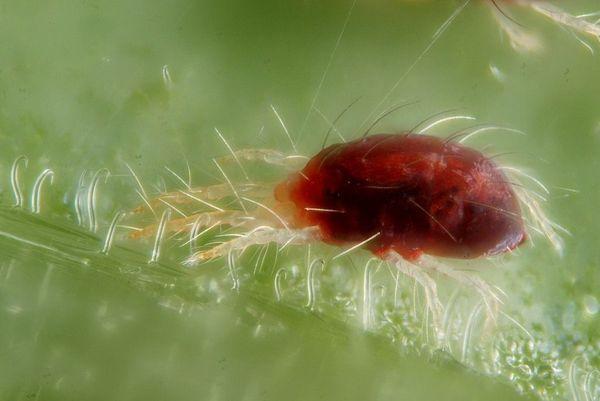
Important: Spider mites can hide in the layers of leaves and go unnoticed. To identify the pest, carefully inspect the underside of the leaf.
Most often, small dark-colored compactions are visible on the leaves during infection.
Prevention
Treating diseases and eliminating pests is a complex process once such a problem has arisen. It's much more effective to take preventative measures to keep the lemon healthy. For prevention, follow these guidelines:
- Conduct daily inspection of the crop for damage.
- The lemon tree should be placed in a sunny location. The room should have moderate humidity.
- Water and fertilize on time. Overwatering negatively impacts the plant's health.
- If pests appear on a lemon, the plant must be temporarily isolated from other vegetation.
- In spring, carry out preventive treatment of citrus trees with Bordeaux mixture.
- Once a week, it is necessary to spray the plant with cool water.
- Once a month, the leaves of the plant are treated with a solution of laundry soap.
- When replanting a lemon, it is necessary to remove damaged roots and treat the pot with a disinfectant.
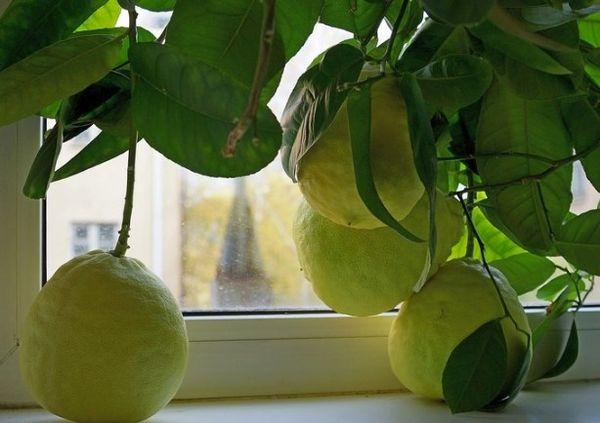
Special biological treatments that do not affect lemon growth are often used for preventative measures. Properly selected treatments can prevent disease and increase yield.
Conclusion
Growing lemons at home is a simple process. However, if simple care rules are not followed, diseases and pests often appear. Timely treatment not only eliminates pests but also strengthens the plant's immune system. Some diseases are complex and untreatable; it is recommended to remove these plants to prevent them from infecting other nearby crops.
Related posts:
 What to do if your lemon tree is losing leaves, what causes it, and how to revive it
 Rules for growing and caring for a lemon tree in a pot at home
 How to grow a lemon from a seed at home, whether it will bear fruit, and care instructions
 The benefits and harms of lemon for the human body, the best recipes
 Growing indoor Pavlovsky lemon at home, describing the variety and caring for it
 Why do lemon leaves curl and what to do about them? The best treatment methods
 Walnut diseases and pests, why walnuts don't bear fruit, and treatment methods
 Description and treatment of potato diseases, methods of control using folk and chemical means