
- General description of the culture
- A bit of history
- Cultivation regions
- External description of the tree and leaves
- Fruiting
- Necessary conditions for fruiting at home
- Flowering and pollination
- Ripening time and harvesting of fruits
- How to grow lemon at home
- The importance of regular watering
- What fertilizers does lemon like?
- Minerals
- Organic
- Folk remedies for feeding
- Foliar feeding of lemon
- How to fertilize lemon trees at home?
- Transfer
- The nuances of caring for a potted lemon tree at different times of the year
- In winter time
- During the flowering period
- For a fruit-bearing houseplant
- After fruiting
- Result
Home-grown lemons are no different in taste. They can be grown in small spaces. To obtain a high-quality harvest, simply follow the care instructions and regularly fertilize the soil.
General description of the culture
When growing a crop, it is necessary to have an idea of what the plant looks like and what distinctive features it has.
A bit of history
The lemon first appeared in South Asia in the late 9th century. The plant had a tree-like appearance. It quickly gained popularity, and many varieties now exist. The original lemon variety is almost extinct. Large quantities of lemon are harvested annually and used for a variety of purposes.
Cultivation regions
Lemons are grown in warm regions without sudden temperature drops. They are most commonly found in the Caucasus, Central Asia, China, and India. However, with proper care, they can be grown on a windowsill. These indoor plants don't grow very tall and often require regular fertilizing.
External description of the tree and leaves
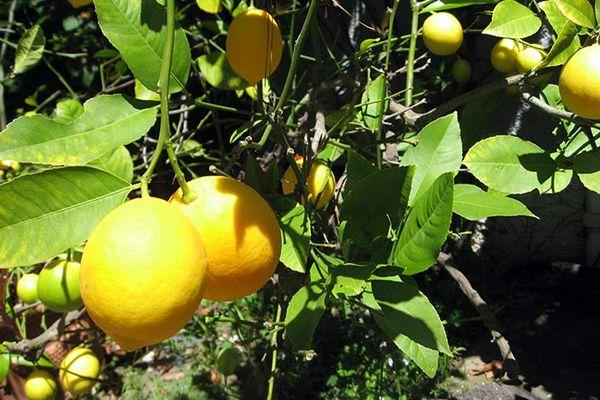
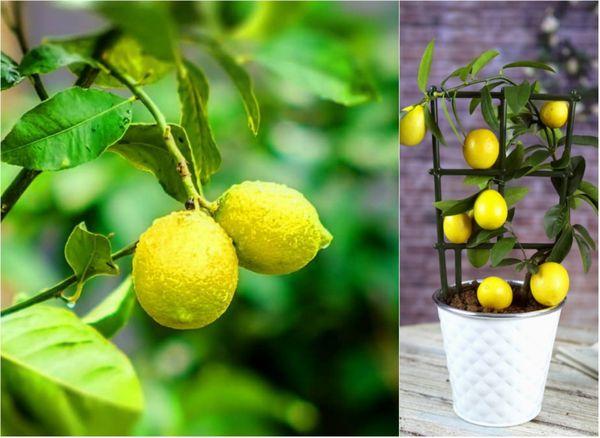
The ornamental lemon tree can be either a bush or a small tree. The branches are fragile and easily damaged by physical impact. The plant is evergreen and has a distinct aroma. The fruits are green, turning yellow when ripe.
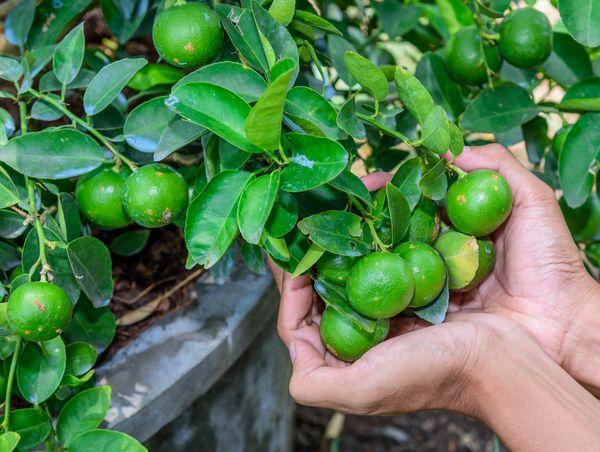
The fruit is small and thin-skinned. The leaves are fleshy and elongated. They contain a large amount of essential oils, which can leave a pleasant lemon scent on your hands. The plant is attractive and is often used for interior decoration.
Fruiting
A pleasant aroma permeates the room as the flowers form. The first fruits appear 4-5 years after planting.
In order to obtain a harvest, the first ovaries must be removed.
Necessary conditions for fruiting at home
For a lemon tree to bear fruit, proper care is essential. Otherwise, the tree will not develop and will not produce buds.
Lighting and temperature
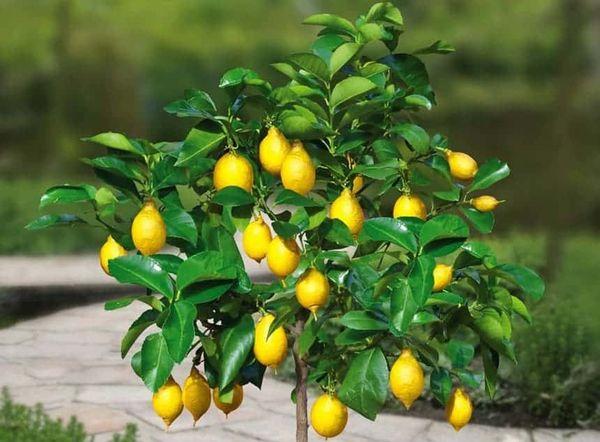
The apartment should have bright light. To ensure fruiting, it's necessary to use special lamps that diffuse light, which positively impacts plant growth. To ensure fruitful growth, the room temperature should be maintained at least 18 degrees Celsius.

Humidity and watering
During the summer, lemon trees require regular watering. Water every 3-4 days. It's also necessary to mist the tree's leaves with a spray bottle every 2-3 days.
Flowering and pollination
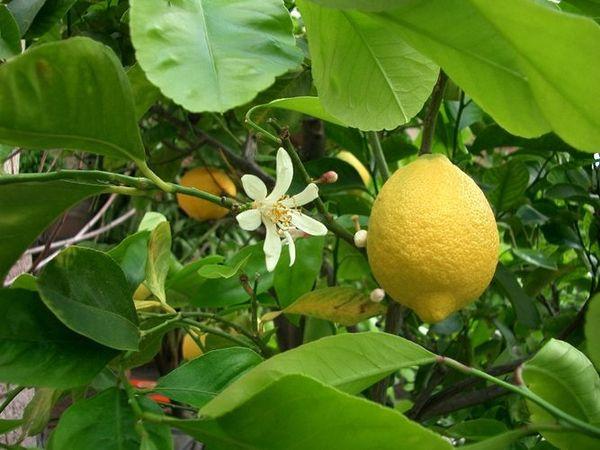
The first bloom appears only in the 3rd or 4th year of life. The tree begins to bloom only on third-order branches. Lemon trees bloom in mid-spring, depending on the variety. Lemons are self-pollinating, so they can be grown independently without additional pollinators.
Ripening time and harvesting of fruits
Citrus ripens within 8 months of fruit formation, most often in late autumn. The fruit is harvested after it turns yellow and develops a pleasant aroma.
How to grow lemon at home
To grow citrus at home, you need to know how to properly care for it and eliminate pests.
The importance of regular watering
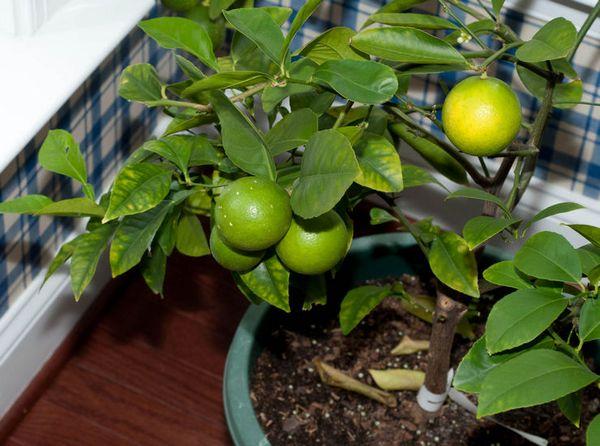
The plant prefers regular moisture. Young seedlings require constant watering. In winter, watering is reduced, but should be at least once a week. In summer, watering should be more frequent and should be done as the soil in the pot dries out. Water the plant sparingly, but frequently.
To prevent the possibility of mold, a drainage layer of broken brick is placed on the bottom of the pot.
What fertilizers does lemon like?
To ensure crop yields are high, it is important to select the right fertilizer combination, which will not only boost immunity but also prevent disease.
Minerals
During the flowering period, citrus plants require the use of mineral fertilizers. The following types are recommended:
- potassium - used to activate plant growth;
- phosphorus - increases the formation of inflorescences;
- complex - used in cases where the plant is developing poorly and does not form new shoots.
You can feed the citrus plant with mineral fertilizers in summer and spring.
Organic
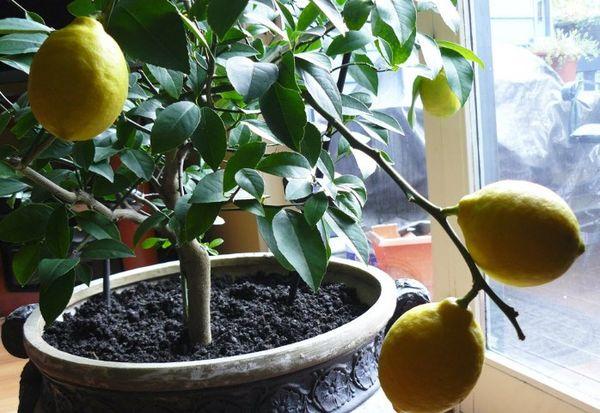
Fertilizing with organic matter is recommended in early spring or fall. Use a light infusion of cow or chicken manure. The mixture is infused at a ratio of 200 grams per liter of water and then applied to the soil.
Folk remedies for feeding
When growing citrus at home, folk methods can be used, which also have a positive effect on lemon growth. If growth is slow, urea can be used. To do this, dissolve 15 grams of the substance in 5 liters of water, and then water the plant. If nitrogen needs to be added to the soil, wood ash can be used.
200 grams of the substance are added to one liter of water, and root feeding is carried out. Fertilizing with ash It also reduces the risk of fungus developing in the soil. Fertilizing lemon trees using traditional methods should be done once every 1-2 months.
Important: Over-fertilizing can negatively impact the health of your lemon tree. Fertilize only when symptoms of nutrient deficiency appear.
Foliar feeding of lemon
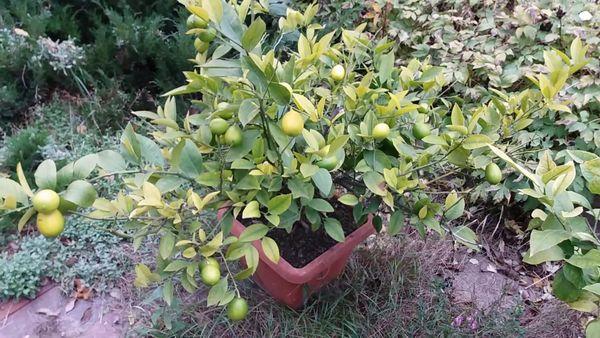
Lemon requires a comprehensive nutritional approach. Therefore, in addition to root feeding, foliar feeding is used. This treatment is performed once a month.
The following can be used as fertilizer:
- manganese;
- iron sulfate;
- boric acid.
Spraying helps reduce disease and improve the effectiveness of root fertilization. Spraying also provides the necessary moisture to leaves and shoots, helping to maintain their green color.
How to fertilize lemon trees at home?
In order to properly feed a tree, it is necessary to observe the following features:
- a young tree needs to be fertilized with mineral substances every 2-3 weeks in the spring;
- The root method of applying fertilizers must be carried out carefully, the soil must first be loosened;
- in mid-April, organic matter is used;
- In summer, fertilizers are applied every month; potassium or complex mixtures can be used.
Foliar treatment is carried out by spraying the trunk with a prepared nutrient mixture. Avoid using large amounts of fertilizer, as overdosing can result in plant death.
Transfer
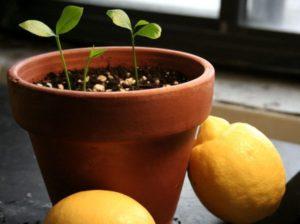
Repotting can be done when replanting seedlings grown from seeds or cuttings. Repotting is also done when changing pots. A nutrient mixture consisting of soil, complex fertilizer, and compost is added to the pot. After repotting, the plant should be watered and placed in a sunny location.
Lemon trees often require urgent care after repotting. This is indicated by curling of the leaves and a lack of new shoots. To restore the plant, reduce watering to once every six days. Wilted leaves should be removed. If the tree is exposed to low temperatures, additional insulation with gauze or thick fabric should be applied. The trunk should be wrapped, and the insulation removed once the weather warms.
Important: The lemon tree may take up to a week to adapt to its new growing location. Leaves may wilt.
The nuances of caring for a potted lemon tree at different times of the year
Lemon is a sensitive plant, so it's important to provide proper care throughout the year. Depending on the time of year, care instructions may vary.
In winter time
Winter is considered a challenging time for lemon trees, as the plant experiences a lack of warmth and light. Therefore, it's important to follow proper care guidelines. During winter, place the lemon tree pot on a south-facing, shaded area. Also, if the room is cool, use special lamps to increase the amount of light and provide additional warmth.
In winter, it is necessary to add mineral fertilizers and ensure that the soil in the pot is moderately moist.
Take a look Also

During the flowering period
During the flowering period, a common problem is flower drop and weakening of the plant. This occurs due to a lack of nutrients necessary for the proper development of citrus plants. To reduce this problem, it is necessary to apply potassium and phosphorus fertilizers in a timely manner.
To increase flower pollination, pollinate the crop using a brush. Water regularly. Spray the leaves with clean water. Ensure the buds are free of pests and diseases that can negatively impact yield.
For a fruit-bearing houseplant
Fruiting indoor lemon trees require special care. Regular foliar spraying will reduce the risk of moisture loss in the leaves and shoots. During the ripening period, the plant dedicates all its nutrients to growth and fruit formation.
During the ripening period, watering is reduced to every 7-10 days. During the ripening period, potassium fertilizers should be applied to strengthen the tree and reduce the risk of leaf drop. Complex fertilizers, necessary for ripening lemons indoors, are also often used to strengthen the plant.
Important: To improve the taste of the fruit, water it once a month with an eggshell infusion.
After fruiting
Once the fruit is ripe, trim the lemons, removing the stems. Water the plant every two days for a week. A special lamp is also turned on to extend the daylight hours. After harvesting, fertilize the plant weekly to reduce the risk of leaf yellowing.
Result
Growing lemons indoors allows you to obtain a healthy and tasty product without much effort. Following proper care reduces the risk of diseases and pests. Lemons are grown indoors in pots. However, in the spring, once the temperature warms up, you can move the potted plant outdoors. Outdoor conditions reduce the risk of rot and provide the leaves with the necessary oxygen.
Related posts:
 How to grow a lemon from a seed at home, whether it will bear fruit, and care instructions
 How to propagate and grow peas, cultivation technology, and care in open ground
 How to properly plant peas in a greenhouse and open ground
 Diseases and pests of home lemons, treatment options, and solutions
 What to do if your lemon tree is losing leaves, what causes it, and how to revive it
 How to plant grapes step by step, with a description of the process and care
 Growing indoor Pavlovsky lemon at home, describing the variety and caring for it
 Description of varieties of sowing peas and cultivation, to which family they belong