
- Citrus diseases
- Citrus cancer
- Anthracnose
- Citrus scab (warty citrus)
- Melsecco
- Gummosis
- Late blight
- Melanosis
- Mycosphaerellosis
- Root rot
- Tristeza
- Pests of citrus trees
- Scale insect
- Spider mite
- Greenhouse thrips
- Whitefly
- Mealybug
- Aphid
- Garden slug
- Earthworms
- Citrus nematode
- Why do leaves curl?
- Causes of stains
- Preventive measures
Citrus fruits require increased care. Failure to follow proper growing practices for these plants can lead to fungal, parasitic, or infectious infections. The development of citrus diseases is accompanied by leaf and fruit dieback. Without proper treatment, infections can lead to plant death. Each of these diseases has specific characteristics that can be used to distinguish one pathogen from another.
Citrus diseases
Pest and disease control at home begins before planting. It's recommended to grow plants indoors in rooms with adequate ventilation and temperature. It's also important to regularly inspect the fruits, leaves, and stems for dark spots or other abnormalities.
The main difficulty in controlling citrus diseases is that they appear late in their development. Therefore, crops are usually pruned or treated with chemicals.
Researchers have identified a fairly wide range of diseases that affect citrus trees. These pathologies appear on leaves, fruits, and trunks.
Citrus cancer
Cancer develops as a result of bacterial infection, causing brown spots on fruit and foliage. This disease is incurable and contagious. Therefore, if signs of cancer are detected, citrus trees should be destroyed.
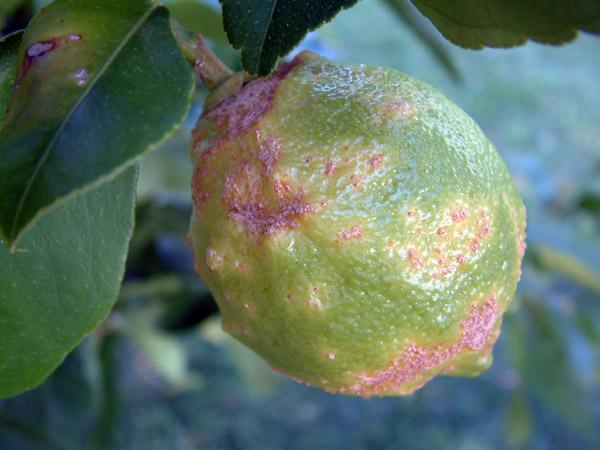
Anthracnose
Anthracnose is a common citrus disease caused by a fungal infection. After infection, red spots appear on the fruit, and leaves and branches die. Anthracnose is treated with fungicides. Infected branches and leaves must also be pruned.
Citrus scab (warty citrus)
Scab is also a fungal disease that primarily affects young shoots. After infection, white spots form on the leaves, which eventually rise above the surface, forming a wart-like growth. During the fruiting period, scab also affects unripe fruit. Treatment for warty growth is with Bordeaux mixture and removal of infected plant parts.

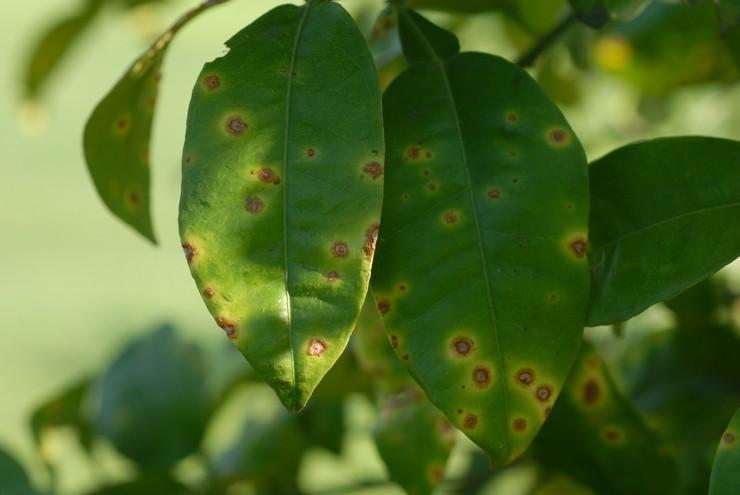
Melsecco
Melsecco is considered an incurable disease caused by a specific infection. The infection results in leaf death and shoot decline.
Gummosis
Another infectious disease that develops primarily due to mistakes made during planting (poor drainage, shoot damage, deep planting). Gummosis causes the following symptoms:
- reddish-brown spots on leaves;
- leaf fall;
- dying off of the bark, at the site of which a golden liquid (gum) appears.
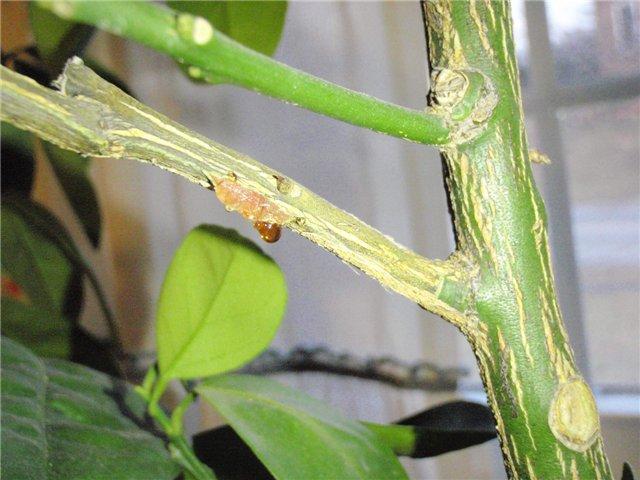
Gummosis is controlled using a copper sulfate solution. After treatment, the affected area is covered with garden pitch.
Late blight
Late blight is a dangerous fungal disease that most often affects oranges. The infection causes an oily, brown ring to appear on the plant's trunk. Treatment for late blight involves applying a copper sulfate solution to the previously cleaned trunk and branches.
Melanosis
Melanosis most commonly affects grapefruits. This fungal infection changes the appearance of the stems and fruit without affecting their taste or other qualities. Treatment for melanosis involves removing the affected parts of the plant.
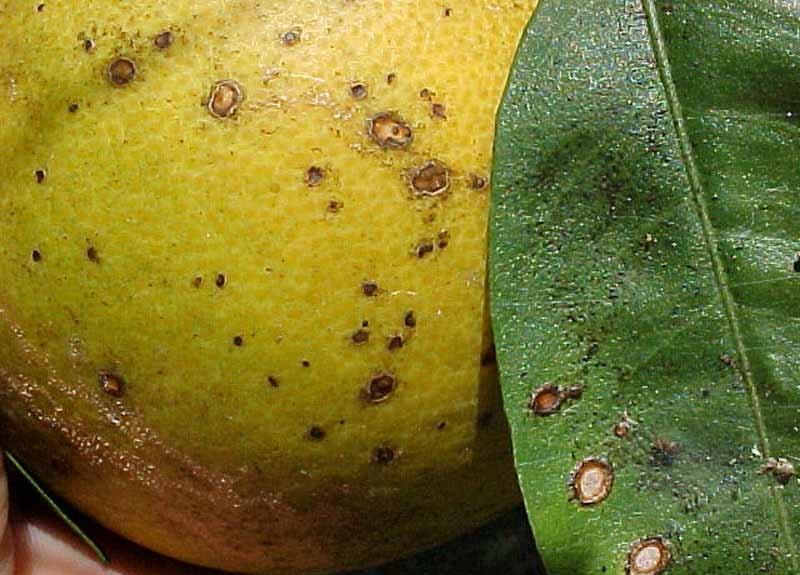
Mycosphaerellosis
Mycosphaerellosis also primarily affects grapefruit. This fungal infection causes brown spots to appear on the leaf surface, which eventually develop into oily blisters. Signs of mycosphaerellosis may also appear on the fruit. The disease can be cured by removing the affected leaves.
Root rot
Root rot, which develops after infection with the fungus late blight, is characterized by the following symptoms:
- formation of dark spots on the bark;
- the appearance of discharge from the affected area;
- cracking and dying of the bark;
- leaf fall.
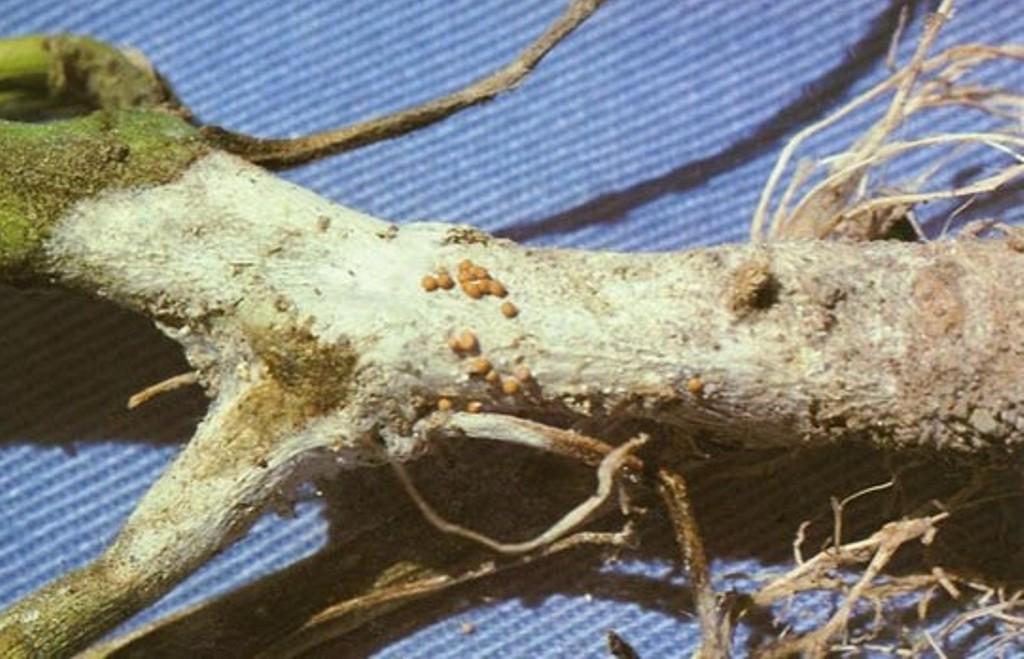
If infected with root rot, the plant's fruits begin to rot.
Tristeza
Tristeza infection causes bark death and yellowing or whitening of leaves. Some citrus trees are immune to this viral disease. However, these plants are carriers of Tristeza.
Pests of citrus trees
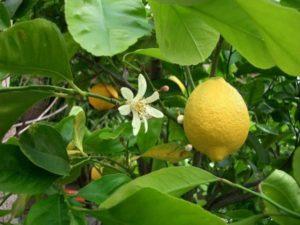
Pest activity on the plant primarily occurs on the leaves, which under these circumstances become coated with an unusual sticky liquid.
Scale insect
Scale insects are considered the most common pest of citrus fruits. These insects infest any part of the plant and feed on its sap, causing the plant to gradually die: leaves fall, young shoots die, and fruit fails to ripen.

Scale insects resemble scales in appearance. These insects are small (2-4 millimeters) and sedentary. Therefore, gardeners usually don't notice the pests. The presence of scale insects is indicated by the sticky honeydew secreted by the insects.
In such cases, citrus trees are treated by spraying with a 2% resin emulsion or Actellic solution.
It is also necessary to remove fallen leaves from the plant.
Spider mite
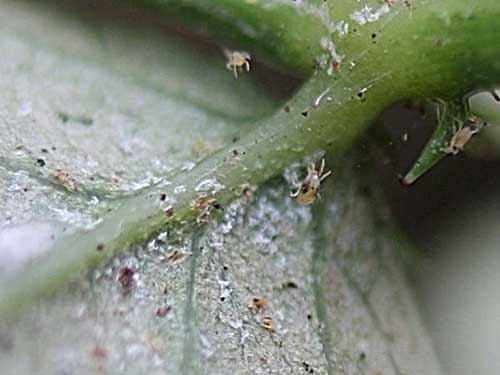
A small arachnid insect (up to 0.4 mm) that parasitizes the underside of leaves. It is slightly less common than scale insects. Spider mites actively feed on foliage, causing plant death. To combat this pest, it is recommended to use a 35% Sulfarid paste, applied to the entire plant with a sponge or cotton swab.
Greenhouse thrips
Thrips are found on plants growing in greenhouses. The insects consume the sap, nectar, and pollen of citrus fruits. Adult thrips reach two millimeters in length.
To get rid of insects, the plant should be washed and treated 2-3 times, at 15-day intervals, with an insecticide.
Whitefly
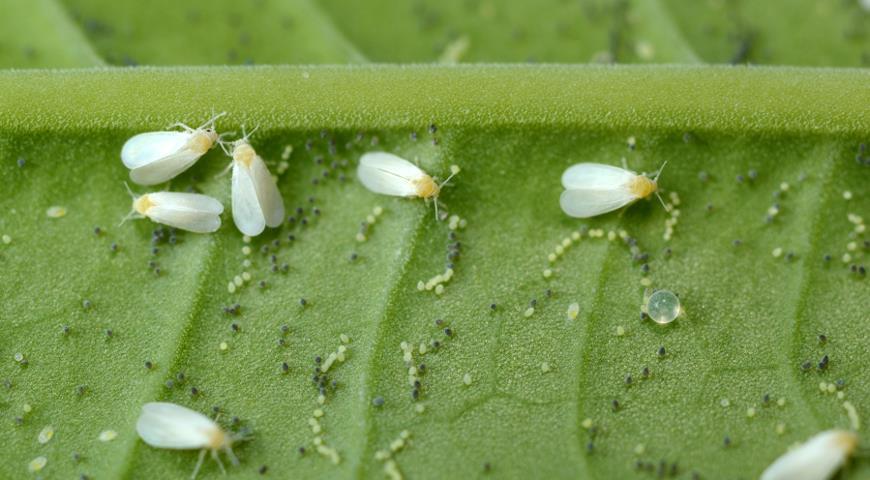
Both adult whiteflies and larvae pose a threat to citrus plants. This insect sucks the sap from the plant, leaving a sugary mass on the leaf surface. Whiteflies are quite difficult to eradicate. Therefore, it is recommended to begin treating citrus plants as soon as one adult emerges.
Mealybug
Mealybugs are small insects (up to 5 millimeters) that parasitize citrus plants. Due to the activity of adult insects, the plant gradually withers and dies. Treating the affected foliage with a solution of malathion helps control mealybugs.
Aphid
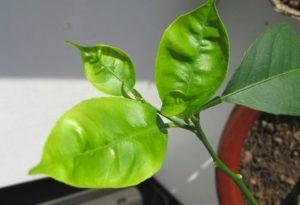
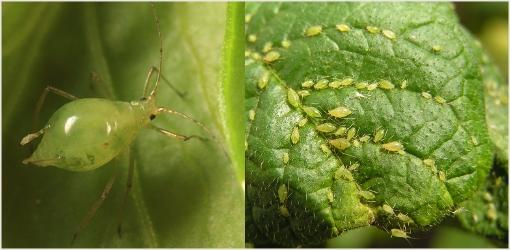
Although small in size (up to 3 millimeters), aphids can cause plant death. This is due to their high fertility. Aphids suck the juices of citrus fruits, causing the leaves to curl. A solution of potassium permanganate or a soap-oil emulsion can help get rid of these pests.
Garden slug
The slug is a large pest. This species thrives in humid conditions and feeds on the fruits and bark of citrus trees. It is most active at night.
Earthworms
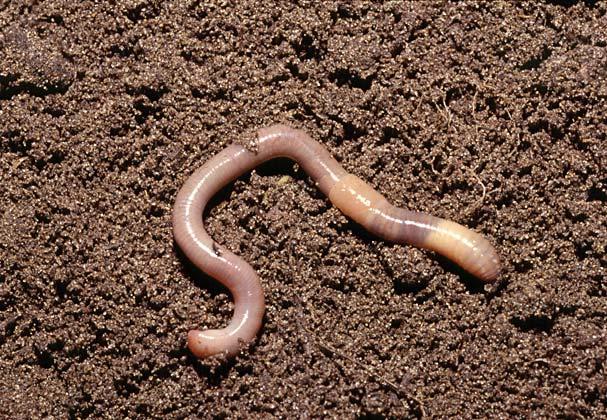
Earthworms are not direct pests. The presence of these organisms in the soil has a positive effect on crop growth. If there are large infestations of earthworms, plant growth is inhibited. In such situations, it is recommended to water the soil with a mustard solution.
Citrus nematode
The citrus nematode is a tiny worm that chews through roots, thereby providing access to sap. This pest is rare.
Why do leaves curl?
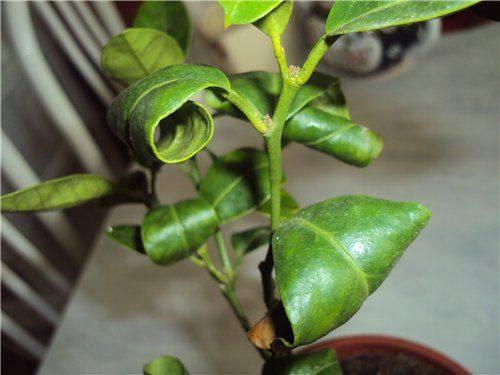
Leaves curl due to improper care of the crop:
- insufficient or excessive watering;
- low light;
- lack of feeding.
In addition, aphids and some other pests also cause leaf curl.
Causes of stains
Spots on citrus leaves indicate a bacterial or fungal infection, or excessive soil moisture. If these spots increase in size over time, treating the plant with fungicidal or insecticidal solutions is recommended.
Preventive measures
To prevent infection, citrus plants should be regularly inspected for early detection of abnormal spots or liquids on the foliage. It is also necessary to periodically treat the plant with Bordeaux mixture, apply fertilizer to the soil, and ensure adequate (but not excessive) watering.
Related posts:
 Methods for combating citrus diseases and pests at home
 Rules for growing and caring for citrus fruits at home from seeds, fertilizers
 Soil quality criteria for citrus fruits, composition and required soil acidity
 Causes and treatment of eggplant pests and diseases, how to combat them at home
 Diseases and pests of home lemons, treatment options, and solutions
 Description of cucumber pests and their treatment, control measures and processing
 What to do if your pepper's leaves are curling, proper care and treatment
 Growing and caring for hazelnuts in open ground, rules for planting hazelnuts