
- The main pests of cucumbers and how to control them
- Aphid
- Spider mite
- Slugs
- Mole crickets
- Thrips
- Cucumber mosquito
- Wireworm
- Root nematode
- Sprout fly and whitefly
- Cucumber beetles
- Black flea
- Features of pest treatment in a greenhouse
- Folk remedies for insect control
- Preventive measures and general recommendations for plant protection
To completely eliminate cucumber pests and prevent their recurrence, it's necessary to determine the cause of their appearance. Insecticides, either store-bought or homemade, can help combat various insects. Preventative measures include implementing agricultural practices and creating optimal conditions for their development.
The main pests of cucumbers and how to control them
It's important to distinguish the type of insect pest damaging the plant in order to select the right control product. Before choosing a pest control product for cucumbers, it's important to determine the cause of the infestation. It's also important to consider the crop's development stage. For example, chemical treatments are not recommended during the fruiting stage.
Aphid
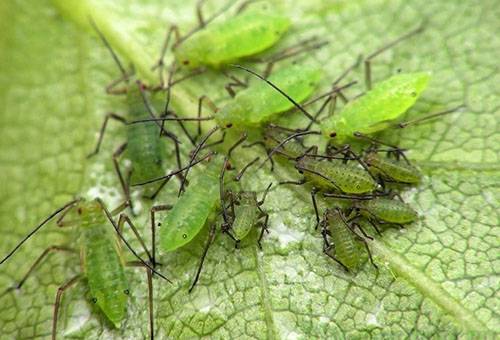
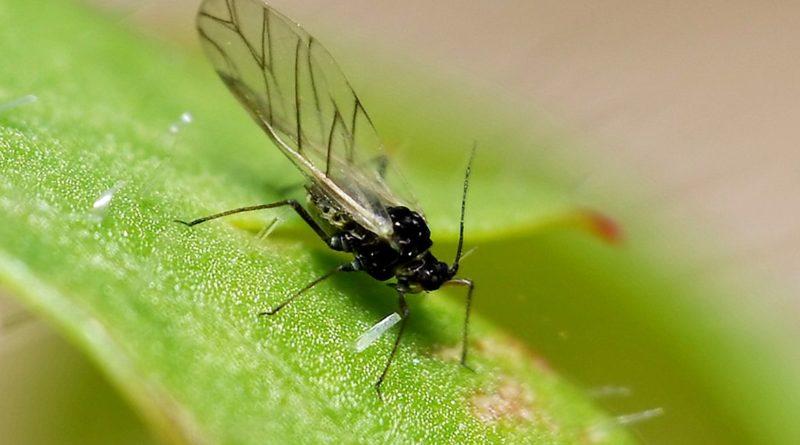
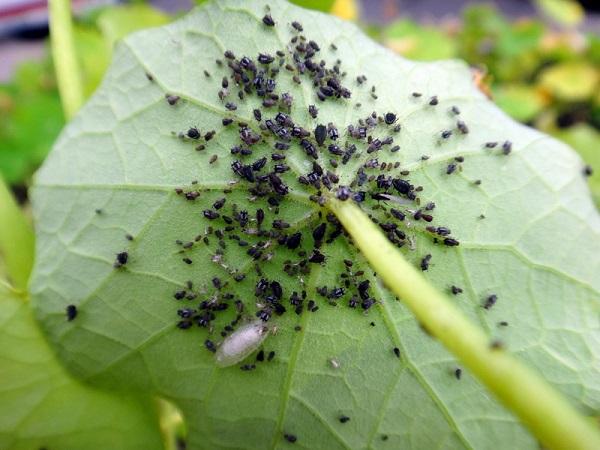
Melon aphids are small insects (approximately 2 mm) with a dark green or yellow-brown color. They overwinter in plant debris and die only at temperatures below -15 degrees Celsius. In greenhouses, their active period coincides with early May, while in open fields, it's later, reaching late June.
Signs that indicate aphid infestation on plants:
- aphids are located on the inner part of the leaf and feed on the plant juice;
- the color of the leaves becomes pale, they curl up and turn yellow;
- Gradually the leaves and ovaries of cucumbers fall off.
Since cucumber pests spread quickly, it is recommended to treat the plants immediately:
- Chemical insecticides will help you get rid of aphids on cucumbers: Inta-Vir, Karbofos, Iskra, Actellik, Fufanon, and Komandor.
- Among biological preparations, such preparations as Fitoverm and Healthy Garden have proven to be effective.
- Folk recipes include ash solution, mustard or onion infusion, and compositions based on soda, ammonia, milk, and iodine.
Preventive measures include the following actions:
- removal of plant residues and weeds from the site after harvesting;
- compliance with crop rotation;
- It is recommended to plant marigolds or garlic next to cucumbers;
- prevent the presence of ants, which are carriers of aphids.

Spider mite
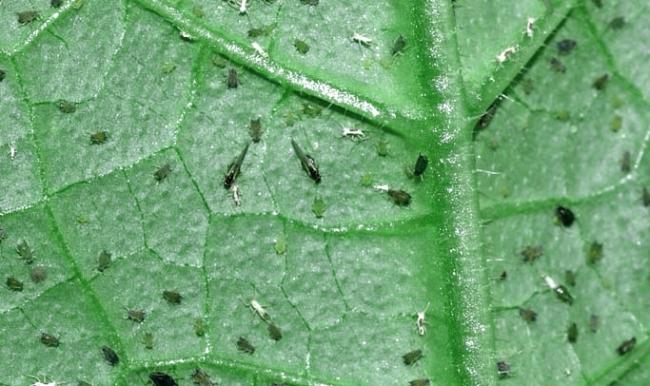
Spider mites on cucumbers The mite is small and reddish-brown in color. Dry, hot air provides favorable conditions for the pest's reproduction. The mites overwinter in plant debris, the upper layers of soil, or fallen leaves.
Signs of mites on cucumbers include:
- light spots on the inner side of the leaves (the more the plant is affected by the insect, the larger the size of the spots);
- a thin white web is visible on the damaged areas;
- plant growth slows down, plant flowering stops;
- the leaves turn yellow and dry out.
Preventive measures include:
- digging the soil before planting crops;
- loosening and weeding;
- You can’t plant cucumbers in the same place every year;
- timely application of phosphorus fertilizers.
For medicinal purposes, plants are sprayed with chemicals such as Iskra, Bitoksibacillin, Fitoverm, and Karbofos. Spraying with a soap solution or an iodine-based solution is also helpful.
Slugs
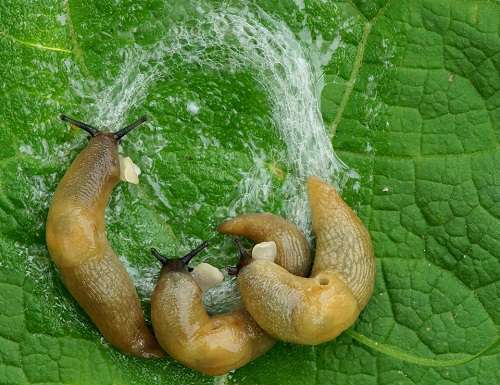
Slugs cause dangerous infections in cucumbers. Humid air and abundant weeds provide favorable conditions for slugs and snails to infest cucumbers. These pests leave slime, tunnels, and sticky, whitish residue on the plant.
Controlling slugs on cucumbers involves a number of measures:
- manual collection of pests;
- digging grooves around the cucumber beds to prevent slugs from moving;
- treating cucumbers with iron sulfate or "Metaldehyde" will help;
- The following drugs are considered effective: "Slizneed", "Meta", "Groza";
- Wood ash, eggshells, soda or spruce needles will help block the path to the beds.

In addition to slugs and snails, cucumbers are often attacked by woodlice. These pests eat every part of the plant, ultimately killing it. To combat them, you can prepare a solution based on boric acid, ammonia, or powdered kvass.
Mole crickets
Mole crickets are considered fairly large insects, reaching up to 5.5 cm in length. Both adults and their larvae cause plant damage. The insect lives underground at a depth of 6 to 68 cm, burrowing, damaging, and eating roots.
To reduce the likelihood of pests appearing on cucumbers, it is necessary to follow a number of rules:
- in autumn the area is dug up deeply (eggs that end up on the surface of the soil die);
- After harvesting, it is recommended to spread manure over the area;
- It is recommended to plant marigolds, calendula, and chrysanthemums next to cucumber seedlings;
- They make all kinds of traps using vegetable oil, honey, and beer.
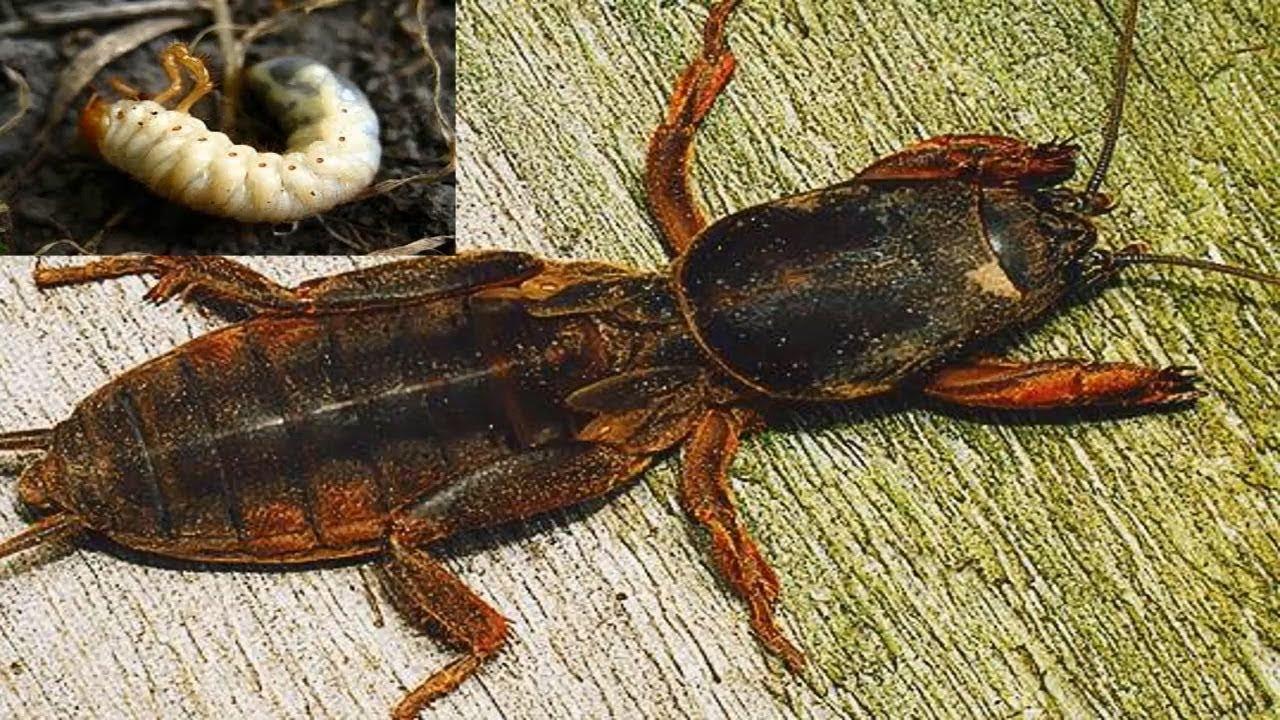
Pesticides are a reliable way to get rid of mole crickets on cucumbers. You can save your crop with products such as Medvetoks, Rubit, Bankol, Grizzly, Boverin, and Grom.
Thrips
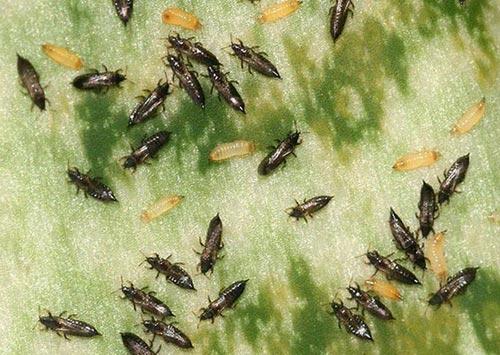
Thrips are small insects (1 to 2 mm in size) with a pair of wings, allowing them to easily move from one plant to another. There are over 2,000 species of thrips found in nature. Cucumbers are most often affected by the tobacco thrips and greenhouse thrips.
The pest is difficult to notice; it hides in the folds of leaves, in flowers, and feeds on plant sap.
White streaks appear on cucumber leaves, gradually growing larger and merging into one large spot. Affected leaves dry up and fall off.
There are several ways to combat thrips:
- Spraying with chemicals: Agravertin, Vertimek, Karate, Intavir. Cucumbers are treated twice, one week apart.
- Biological control of thrips is also possible. The safest option involves releasing the Amblyseius mite or the Orius bug into cucumber beds. These insects consume up to 100 thrips in their short lifespan.
- Among folk remedies, garlic infusion, celandine decoction, onion peel infusion, and vinegar-based solution are effective.
Preventive measures include mandatory digging of the soil before planting cucumber seeds and regular removal of weeds.
Cucumber mosquito
The cucumber midge is characterized by its small size (up to 4 mm in length) and a dark gray, elongated body. Its wings are translucent, and its head is black. The larvae cause damage to the plant, as they can gnaw at the stem and root branches from the inside. They also transmit dangerous diseases.
To reduce the risk of spreading the cucumber mosquito, it is necessary to follow a number of recommendations:
- Before planting, the soil should be watered with boiling water or a solution of potassium permanganate;
- During crop cultivation, it is essential to loosen the soil;
- do not allow weeds to grow on the site;
- It is necessary to apply fertilizers in a timely manner in the recommended dosage;
- In autumn it is essential to dig up the area.
Insecticides such as Iskra, Actellic, Thiophos, and Chlorophos will help get rid of pests on cucumbers.
Wireworm
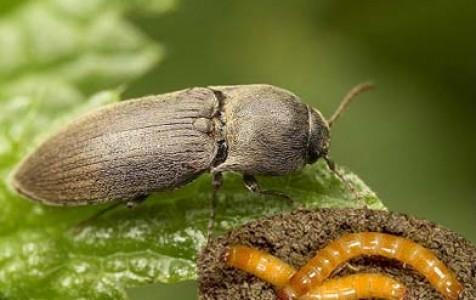
Wireworms are the larvae of the click beetle, reaching 5 cm in length. Beetles emerge from the larvae after 3-4 years, until which time they feed on the roots and stems of cucumbers. If wireworms are spotted in cucumber beds, control is initiated immediately. Initially, the insects are collected by hand, and then the soil is dug deeply. After harvesting, all plant debris is removed, fertilizer is applied, and liming is carried out.
Treatment is carried out with insecticides such as Bazudin, Diazinon, Pochin, Calypso, and potassium chloride. Folk remedies recommend making an infusion of celandine or nettle.

Root nematode
The root-knot nematode is a small pest (less than 2 mm in length). It most often attacks cucumbers planted in greenhouses or hotbeds. The worm burrows into the soil, damaging the plant's root system.
You can recognize the presence of nematodes by the following signs:
- the growth of the cucumber bush slows down;
- the crop yield is decreasing;
- Bumps appear on the roots (larvae mature in these bumps).
The primary preventative measure is regular weed removal and crop rotation. If caterpillars have already appeared, the affected bushes are dug up and discarded. The top 50 cm of soil is then replaced with fresh soil, and treatment with a formalin or Karbation solution is also recommended.
Sprout fly and whitefly
The cucumber shoot fly is an insect that damages young cucumber seedlings. The pest is small—no more than 6 mm long—and has a gray-yellow body with thin stripes. Adults lay eggs in the soil, which hatch into larvae. These larvae can consume the seeds, roots, and stems of the plant.
To reduce the likelihood of fly appearance in a cucumber plot, you should follow a number of rules:
- Before planting cucumbers, the area needs to be dug up and loosened;
- Before sowing, it is better to soak the seeds in growth stimulants and germinate;
- all plant debris is removed from the area;
- Weeds must not be allowed to grow in the beds.
If preventative measures fail, insecticides should be used. Spraying a solution based on an agent such as Actellic is effective.
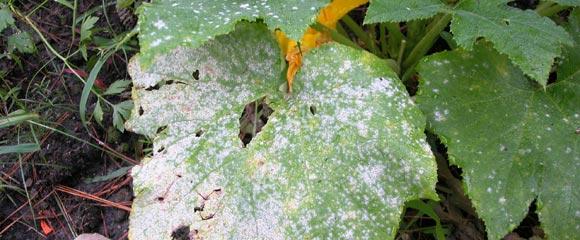
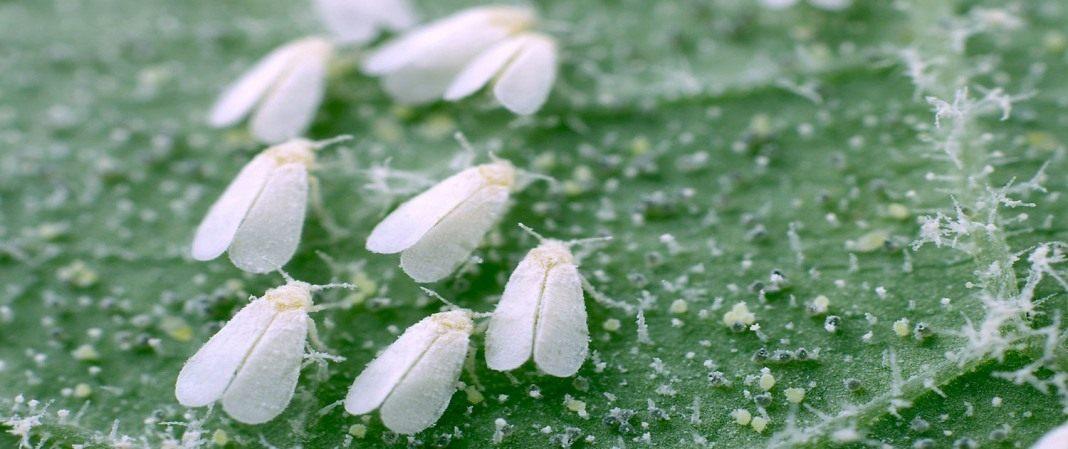
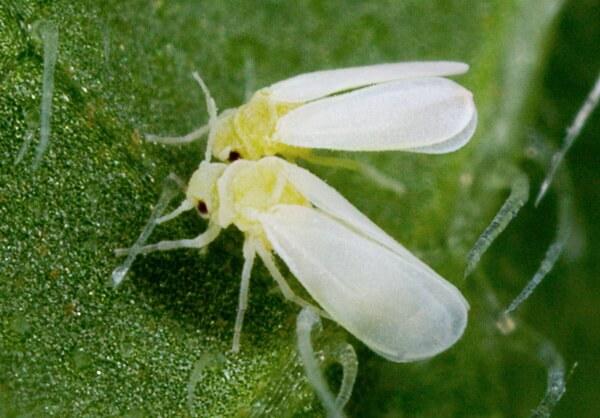
The whitefly is a small butterfly with whitish wings. It sucks the sap from plants. The pest can be identified by the following signs:
- sticky white spots appear on cucumber leaves;
- the leaves curl, wither and turn pale;
- over time the spots turn yellow;
- whitefly larvae are found on the inside of the leaves;
- gradually the leaves die off and fall off.
Chemicals against whiteflies are used in extreme cases: Decis, Aktara, Verticillin, and Fufanon. Among folk remedies, infusions of marigolds, dandelions, yarrow, or tobacco are helpful.
Cucumber beetles
Although rare, brightly colored beetles with black stripes or spots can be found on cucumbers. The larvae pose a danger, consuming any part of the plant. As a result, the leaves turn yellow, dry out, and fall off.
To prevent beetles from appearing on cucumbers, the soil and seeds are disinfected before planting.
If adult insects are found in the beds, they are collected by hand. Chemical treatments should only be used if the pest population is high (use acetamipride or fenpropathrin).
Black flea
A small black bug can quickly jump from one cucumber plant to another. When it feeds on leaves, it leaves small holes through them, giving the leaf a sieve-like appearance.
Various methods are used to combat black flea beetles on cucumbers:
- Dry dusting of leaves with wood ash, tobacco dust, and hot ground pepper helps protect the beds;
- treating the beds with an infusion of garlic, dandelion or chicken manure, or a vinegar-based solution helps;
- You can add a few drops of fir oil, valerian or Corvalol to the water for irrigation.
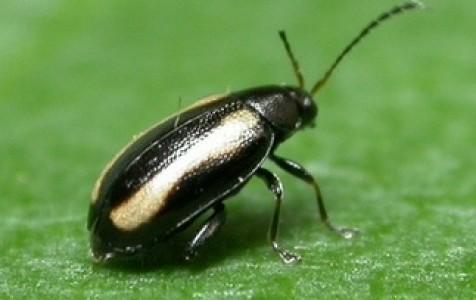
In advanced cases, it is recommended to spray the plants with insecticides: Vertimek, Aktara, Aktofit.
Features of pest treatment in a greenhouse
An enclosed space promotes the rapid spread of pests, creating the most favorable conditions for them. Therefore, it's easier to prevent a problem than to deal with it later.
Following these important tips and recommendations will help you get rid of pests faster and prevent them from reappearing on your cucumbers:
- Damaged plant parts should be removed from the greenhouse and burned. They should not be added to compost.
- It is recommended to change the top layer of soil annually.
- It is important to treat the structure of the greenhouse or hothouse before each new season.
- Before planting cucumbers, the soil is disinfected with copper oxide, quicklime, colloidal sulfur, and copper sulfate. Biological pesticides used in greenhouses include Fitosporin, Baikal, and Fitolavin.
- It is essential to select only healthy seeds for sowing and pre-treat them.
- It is necessary to clear the area of weeds not only inside the premises, but also outside.
- Watering of cucumber beds is carried out only with warm, settled water.
- Compliance with fertilizer standardization rules is mandatory.
- The greenhouse must be well and properly lit.
Take a look Also

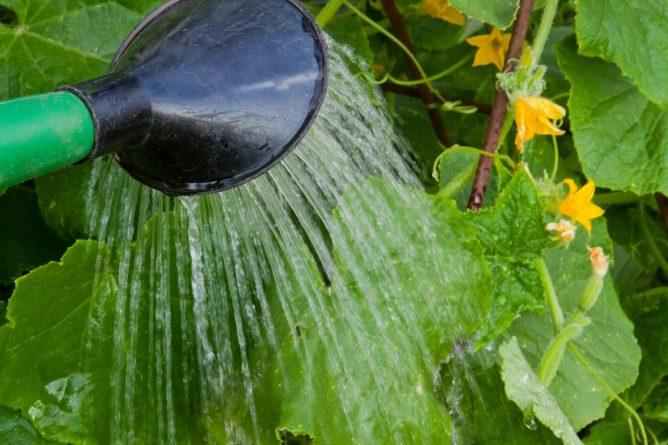
If damaged plants are found, they must be treated to prevent further spread.
Folk remedies for insect control
There are many effective and safe folk remedies that will help get rid of pests on cucumbers:
- Calendula infusion is effective. Dry leaves are steeped in boiling water for three days. The concentrate is diluted with water before spraying plants.
- An infusion of onion or garlic peels can help. Add boiling water to the ingredients and let steep for 10 hours. Strain the resulting solution and spray it on the plants.
- A dandelion infusion can help combat pests. Finely chop the greens, pour boiling water over them, and let steep for 4 hours. Then strain and apply the mixture.
- To prepare the solution, use wood ash and finely ground laundry soap. Dissolve the ingredients in hot water. Spray the cucumbers with the resulting medicinal mixture.
- Crushed hot pepper pods and tobacco dust are steeped in boiling water. After 10 hours, strain and add liquid soap.
- A garlic infusion helps. Crush the cloves of two heads of garlic, add water, and let sit for five days. The resulting concentrate is diluted with water and sprayed on the plants.
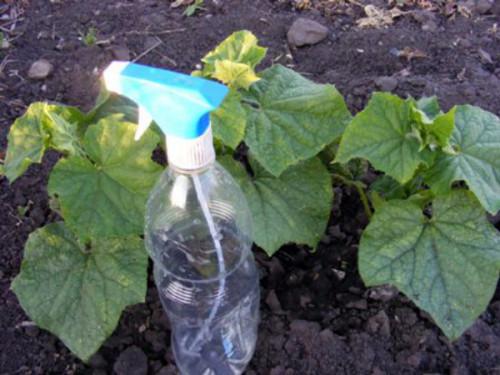
Folk remedies for cucumber pests are used as preventative measures or in combination with biological and chemical treatments. Using them on your own will be useless if the pests have already become active.
Preventive measures and general recommendations for plant protection
Everything possible must be done to prevent pests from entering the cucumber plot. If the problem persists, begin combating it as soon as possible. Otherwise, you could lose your entire harvest.
Measures that will help protect cucumbers from pests in the garden:
- preliminary treatment of the area and seeds with insecticides;
- You should sow cucumber seeds in open ground only in warm soil;
- compliance with crop rotation;
- To prevent cucumbers from being attacked by insects, it is necessary to choose varieties that are resistant to them (Pogrebok, Courage, Zyatek, Khrustyashaya Gryadka);
- disinfection of greenhouses and garden tools;
- loosening the soil and periodically weeding;
- establishing a watering regime (water only with warm water, do not allow excess or deficiency of moisture in the soil);
- removal of plant debris from the site;
- deep digging of a land plot in autumn;
- It is important to follow the rules for using fertilizers (take into account the dosage and frequency of application).
The most important condition for the timely detection of pests on the site is regular inspection of cucumber bushes.
Related posts:
 Why does white rot appear on cucumbers in a greenhouse and what can be done to treat it?
 Description of unusual methods for planting and growing cucumbers
 How to care for cucumbers in open ground from planting to harvesting
 Why do cucumber leaves curl inward and what to do about it?
 Causes of cucumber diseases in open ground and how to combat them
 Description of the best varieties of Chinese cucumbers, planting, growing and care
 Why are there so many barren flowers on cucumbers and what can I do about it?
 Why cucumber leaves are drying out and what to do, how to treat them in a greenhouse and in the ground