
- Who is the causative agent of the disease?
- Optimal conditions for development
- Factors and causes of the spread of the disease
- Types and characteristic signs of cucumber rot
- White
- Root
- Gray rot
- Vertex
- What is the danger of infection?
- How and with what to treat cucumber bushes in a greenhouse
- Folk methods of struggle
- Biological method
- Treatment with agrochemicals
- Soil disinfection
- Pharmacy and kitchen remedies to help
- How to treat a greenhouse?
- Prevention of white rot of cucumbers
- Choosing resistant cucumber varieties
- Timely preventive treatments
- Proper care of cucumber bushes
Cucumbers are rotting – what should I do? Use fungicides to combat the disease, replant the cucumbers in new soil, or leave them as is? When white rot appears on cucumber tips or fruit buds in a greenhouse, finding a cure isn't as simple as it seems. The root cause of the problem may lie in high humidity, infection, or proximity to diseased plants. To develop a suitable solution, we begin by examining the problem as a whole.
Who is the causative agent of the disease?
The true name for the disease that causes cucumbers to rot in the garden is sclerotinia. This fungal rot is spread by spores that parasitize garden crops. The gray, lumpy growth quickly infects neighboring plants, causing irreparable damage to the cucumber crop.
Optimal conditions for development
White rot on cucumbers most often occurs when two conditions coincide: high humidity and relatively low ambient temperatures. Intensive fungal growth on cucumbers is observed when the air cools to 10 degrees Celsius. These conditions often occur after heavy rainfall in the summer, when the soil doesn't have time to dry out and warm up. The disease is equally prevalent on cucumbers in both open fields and greenhouses.
Factors and causes of the spread of the disease
Cold summers, prolonged rainfall, and a lack of warm, sunny days are the main causes of fungal spores appearing on cucumbers. This is how it spreads in open cucumber plantings. In greenhouse conditions, insufficient or absent air exchange, accumulation of condensation, and large temperature differences between day and night contribute to the development of rot.
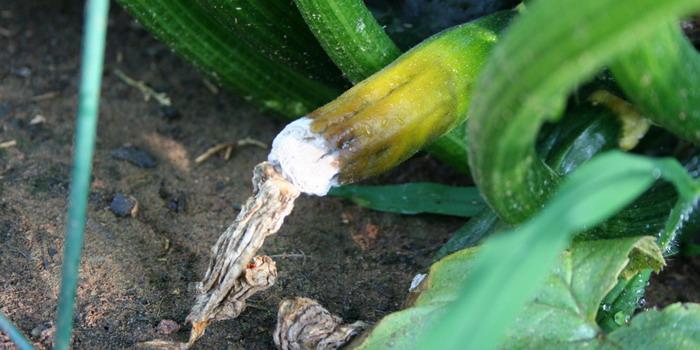 It remains to add here the failure to comply with the rules and timing of pruning, the presence of densely intertwined thickets of cucumbers, the possibility of using dirty pruning shears or knives.
Types and characteristic signs of cucumber rot
In addition to fungal growth on the cucumber fruit itself, other varieties also occur. The following types of rot are distinguished:
- White.
- Gray.
- Root.
- Vertex.
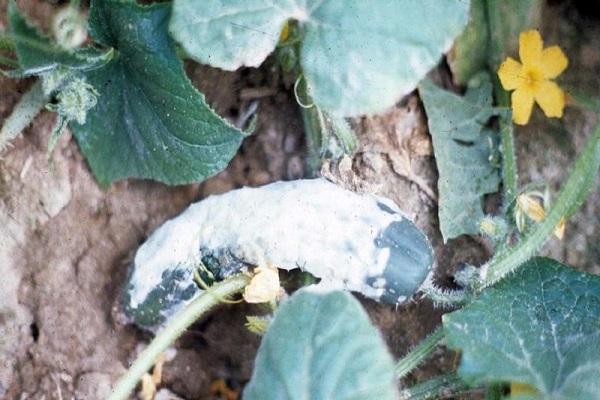
The main signs of plant damage include discoloration of the stem and fruit, wilting, and a characteristic putrid odor. In all its forms, mycelial growth leads to damage to the cucumber plant and the harvest. Therefore, the sooner the causes of the disease are addressed, the greater the chance of saving the cucumber plantation, even if only at the cost of minor losses.
White
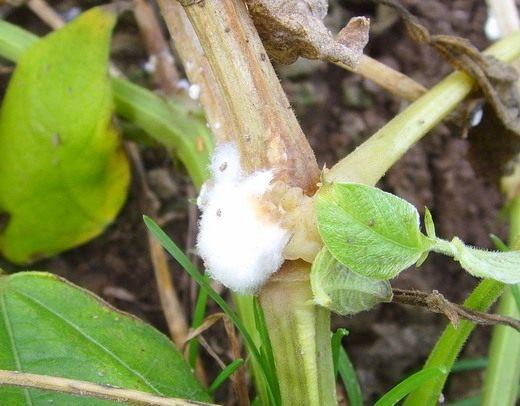
White rot is a manifestation of a fungus that parasitizes cucumbers. Where spores have taken hold on healthy plant tissue, mycelium begins to grow, and the fruit becomes whitish and watery. Any contact between the affected fragment and other parts of the plant, or "neighbors," inevitably leads to the spread of the rot throughout the cucumber beds.
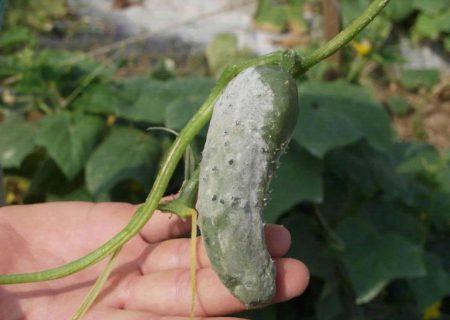
The fungus lives in the soil mixture, so it can cause irreparable damage over large areas of cultivation, especially if cucumbers are grown mixed with other crops.
Root
Root rot attacks the cucumber's "supporting" structure, its nutrient system, through which the plant absorbs moisture, minerals, and organic matter from the soil. A distinction is made between the disease affecting seedlings (affecting seedlings shortly after planting) and mature plants.
Characteristic signs include thinning of cucumber roots, discoloration, wilting, and brown or grayish spots.
Typically, spores are brought in with the soil, where, under favorable conditions (humidity, temperature), they begin to develop rapidly and parasitize on plants.
Gray rot
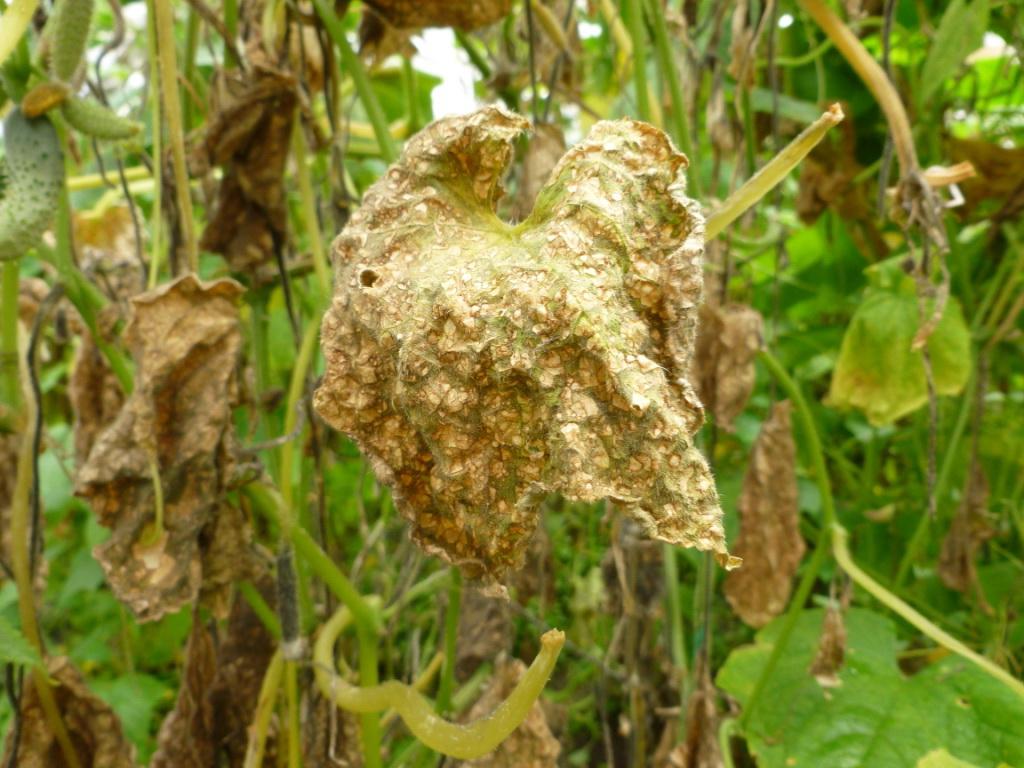
It most often affects cucumber leaves. However, it can also develop on fruit. Optimal conditions for this species include high humidity (90%) and a temperature of 16-17 degrees Celsius. The pathogen persists despite changes in environmental parameters, slowing its growth. It can remain viable on plant debris (leaves, stems), so these should be destroyed.
Vertex
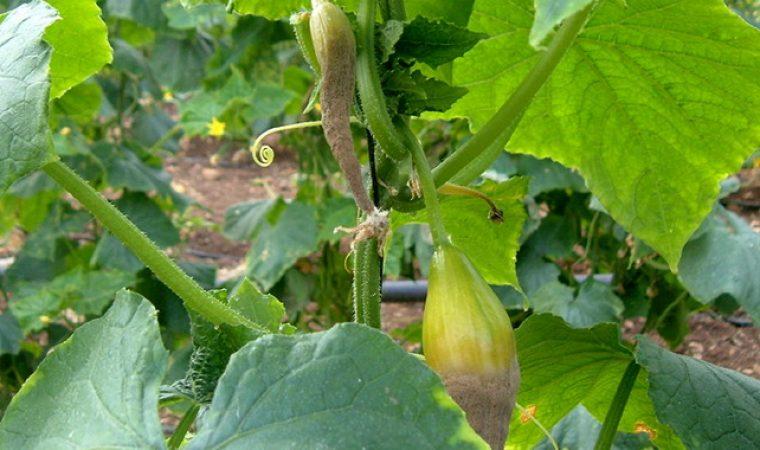
Darkening and changes in the texture of the cucumber tip, with the skin becoming rough and then rotting, are signs of the terminal form of the fungus. This is most often caused by poor water management, calcium deficiency, nitrogen overload, or root injury.
What is the danger of infection?
To understand how to combat rot on cucumbers, it's important to understand the consequences of its development. These include:
- Fungal infection of a plant or its parts.
- Irreversible spoilage of fruits.
- Transfer of spores to neighboring plants and crops.
- Preservation of spores in the soil, on undestroyed fragments of the diseased plant.
- The incredible speed of spread of pathogens across the site, which leads to the inevitable involvement of all crops in the process (especially in a closed area, in a greenhouse).
Therefore, the sooner you start fighting rot on cucumbers, the better.
How and with what to treat cucumber bushes in a greenhouse
The arsenal of methods for combating rot on cucumbers includes both traditional methods, such as chemicals, and folk remedies, such as baking soda or whey. In extreme cases, radical measures, such as complete destruction of the affected plant, are also recommended, but it's best not to resort to these.
Folk methods of struggle
To nip root rot in the bud on cucumbers, a mixture of half a liter of water, 5 grams of copper sulfate, and 60 grams of wood ash can help. Apply this mixture to the damaged parts of the plant. Regular pharmacy iodine diluted in water (1:2) also works well for eliminating root fungus. Some gardeners mix iodine tincture with other ingredients, adding 30 drops of iodine to a liter of milk, 20 grams of grated laundry soap, and 10 liters of water.
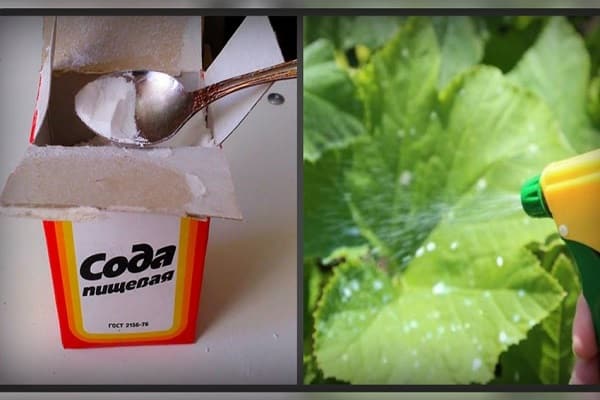
Alkalizing cucumbers can help combat gray mold: 75 grams of baking soda per 10 liters of water. In extreme cases, if nothing else is available, the diseased plant is ruthlessly uprooted, burned, and the soil in which the cucumbers grew is removed and baked in an oven.
Biological method
If the use of pesticides is undesirable or impossible, a biological method will come to the rescue.

It is based on the use of a counterculture - a special fungus that suppresses the activity of sclerotinia on cucumbers.
Spores are part of the drug Trichodermin. This product is effective against white rot on cucumbers and other mycelial pathogens. It can be applied to the plants themselves and the surrounding soil, increasing its effectiveness. The advantage of this method is that it is completely harmless to people, the environment, and pollinators (bees). It is used to disinfect cucumber seeds before sowing, spray (soak) seedlings, and treat mature, established plants.
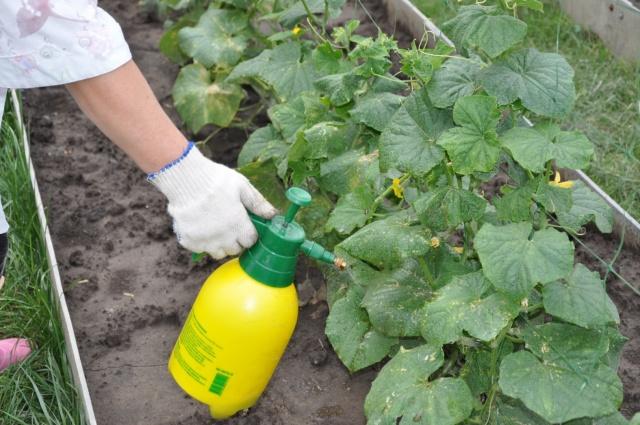
Planriz is similar to the previous product and is effective against white and gray mold of cucumbers. It is added to the planting hole when rooting seedlings, used for soaking seeds, and sprayed before flowering. Other strains of fungal-killing bacteria (Pentafag-S) have a similar effect and are successfully used by gardeners and summer residents.
Treatment with agrochemicals
Treating plants with fungicides is a last resort, requiring personal safety precautions and caution when handling pesticides. Some products are used in combination rather than individually, making the process more complex than other methods.
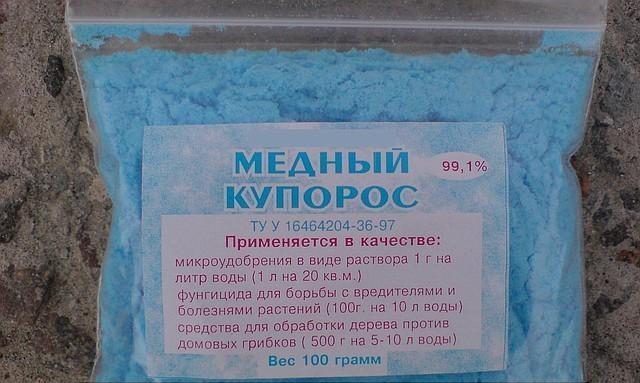
Bordeaux mixture (copper sulfate and calcium hydroxide) has proven itself effective. This mixture is used to treat rotted cucumbers by spraying them during the growing season at low concentrations (1% and 3%). Experienced agronomists believe that copper-containing products are effective in combating rot on cucumbers. These include Hom, Abiga-Peak, Ordan, Acrobat-MC, and Ridomil-Gold. All of these are diluted in water, then applied to the plants.
Soil disinfection
The most common methods used are oven heating (for small quantities) and fungicide treatment. When possible, both processes can be combined. Before disinfection, all traces of the plant's presence are removed from the soil (and surface layer).

Pharmacy and kitchen remedies to help
In a critical situation, when you need to fight an illness but have little to offer, simple but effective remedies found on your kitchen shelf or in your medicine cabinet will come to the rescue.
Treating cucumbers with a soda-soap solution will help stop the signs of rot. Prepare it as follows: dilute 200 grams of sodium bicarbonate (baking soda) and a crushed bar of laundry soap in 10 liters of water. Spray the cucumber plants with the resulting mixture. Common potassium permanganate, which is readily available in every home, will also help. Add a few crystals to 10 liters of water until a pinkish tint is achieved. Add 8 tablespoons of baking soda and 1 tablespoon of soap.
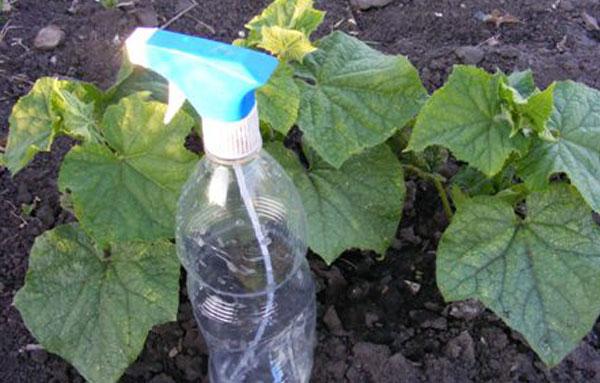
There's one important caveat: these methods are only effective in the early stages, when the disease hasn't spread to large areas of the greenhouse or hothouse. In advanced cases, fungicides or complete destruction of the affected plants will be necessary.
How to treat a greenhouse?
Rot spores settle in deeply and permanently, making them difficult to eradicate from cucumbers. A thorough disinfection of the greenhouse walls and covering will be necessary to prevent infection of subsequent generations of cucumbers. The entire process is broken down into several stages:
- We get rid of damaged plant fragments, leaves, fruits, and cucumber ovaries so that the garden bed becomes empty and clean.
- The soil is treated with a freshly prepared solution of copper sulfate - the fungus really doesn’t like this element.
- All surfaces are washed with the same solution: floors, walls, windows, shelves, trellises.
- After completion of the sanitary treatment, the interior space is fumigated with the caustic smoke of a sulfur candle and then ventilated.
- The soil is carefully dug over. White mustard will be sown in the beds over the winter, which will clean out any remaining rot.
- In the spring, repeat digging and generous application of Baikal EM-1 to the soil. This should be done 10-14 days before planting cucumber seedlings in the greenhouse.
Take a look Also

Prevention of white rot of cucumbers
Despite the danger and insidiousness of white rot, serious problems with cucumbers can be avoided by following preventative measures during flowering and fruiting. This includes watering (timeliness, quantity, and temperature), using clean tools, shaping the plants, proper fertilizing (including maintaining mineral balance in the soil), and treating cucumbers with copper-containing compounds to suppress pathogens.
All that's left is to add crop rotation rules to avoid depleting the soil and promoting microbial growth, and the recipe for growing healthy, juicy cucumbers without signs of rot is ready.
Choosing resistant cucumber varieties
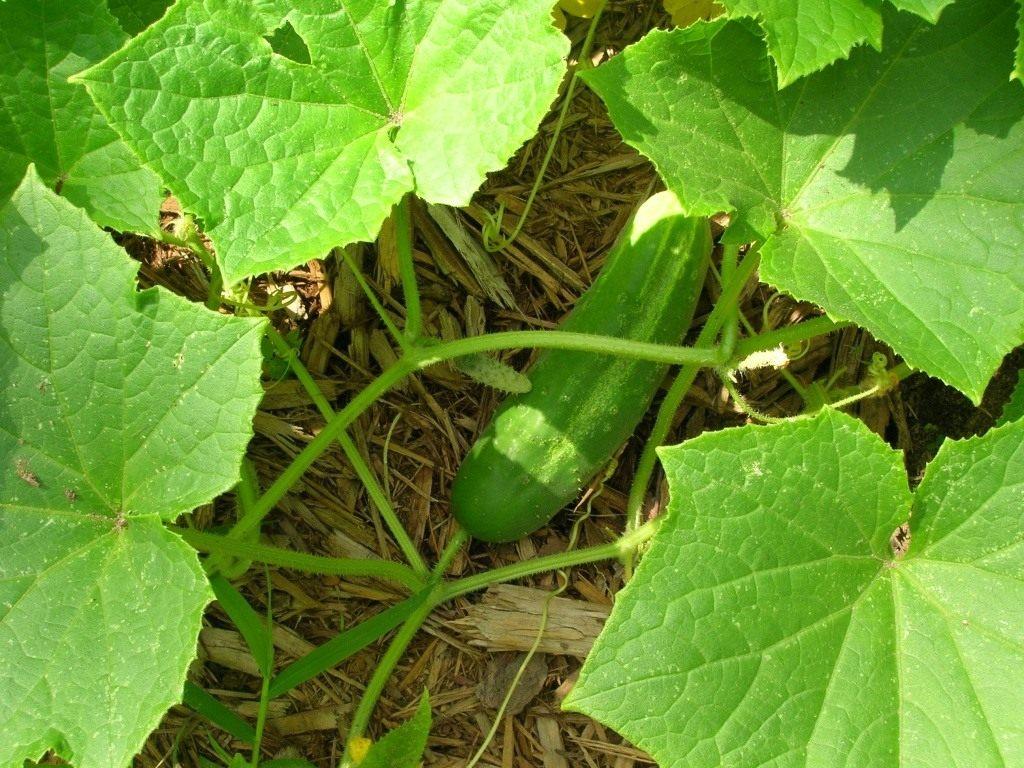
If fighting the disease fails, a more direct approach can be taken by sowing cucumber varieties resistant to white rot. These include Zozulya, Telegraf, Klavdiya F1, Spotresisting, and Konni F1. This method is suitable when the previous cucumber crop suffered from the fungus, and treating the greenhouse is either unfeasible or impractical.
Timely preventive treatments
A preemptive strike against this insidious fungus is a good tactic. It involves cultivating the soil, soaking cucumber seeds (soaking the roots of seedlings) in a special solution, and maintaining proper humidity and temperature conditions. And at the first sign of disease, prompt treatment of the plant.
Proper care of cucumber bushes
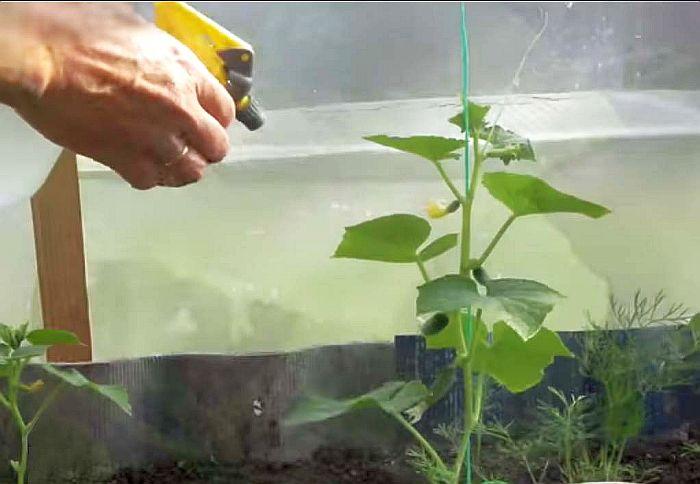
Caring for cucumber plants boils down to following a few simple guidelines. First, select a soil that's moderately permeable to moisture and air, and free of spores (which is often the case in store-bought mixes). Then, use healthy, viable cucumber seeds and seedlings.
Equally important is the placement of the cucumber plants in the bed so they don't interfere with each other and develop evenly. Cucumbers should be watered generously, but not excessively. Fertilizers should be applied strictly according to the instructions, without any "reserves." Finally, the temperature should be maintained: neither too low nor too high, with periodic ventilation of the greenhouse containing the cucumbers.
Related posts:
 Description of cucumber pests and their treatment, control measures and processing
 Why are there so many barren flowers on cucumbers and what can I do about it?
 Why do cucumber leaves curl inward and what to do about it?
 How to care for cucumbers in open ground from planting to harvesting
 Why cucumber leaves are drying out and what to do, how to treat them in a greenhouse and in the ground
 Description of unusual methods for planting and growing cucumbers
 Description of the best varieties of Chinese cucumbers, planting, growing and care
 Causes of cucumber diseases in open ground and how to combat them