
Growing crops for high yields requires modern technologies. Peat hydrohumate, whose instructions for use for cucumbers point to its ease of use and natural composition, is popular due to its ability to significantly increase yield while maintaining the quality of the vegetables.
Properties and benefits of humates
Fertile soil contains humates. These are sodium or potassium salts derived from humic acids. Humus is formed by the decomposition of organic components by soil microbes.

As the concentration of organic decomposition products increases, the soil turns brown or black. The presence of humus increases the rate of solar heating and positively impacts moisture retention.
Humates are peat oxidates, and organic raw materials are used to produce the fertilizer. The use of modern production technologies allows for the creation of fertilizer (potassium humate)) with unique physical and chemical properties.
Fertilizing with this preparation has a comprehensive effect on the plant, increasing yield by 20-50%. After application, the crop's immunity to extreme growing conditions (drought, weather changes) is strengthened.
Humates are produced in liquid and powder form. Their effectiveness depends on the quality of the source material. Among vegetable growers, liquid form of fertilizer Dark brown in color. Liquid potassium humate contains 30 beneficial and nutritious microelements.

The product accelerates the absorption of beneficial elements. The substances it contains have a powerful effect on vegetable crops, particularly cucumbers. Even under the most unfavorable conditions, using liquid fertilizer results in increased yields.
Using peat hydrohumate promotes rapid plant recovery after herbicide treatment. Fertilizing crops with oxidate has a beneficial effect on root development, preventing plants from becoming susceptible to disease.

The drug's action is based on selective stimulation of the immune system. It is aimed at normalizing biochemical processes in living cells, improving metabolism, and activating vital processes through metabolism at the cellular level.
The advantage of applying fertilizer is the ability of the humic preparation to accumulate humus by breaking down wood debris. Combined use of the fertilizer with manure or compost significantly reduces their consumption when planting crop beds.

When growing cucumbers, gardeners create heated beds to increase yields. To do this, they layer the following:
- branches of medium thickness;
- wood sawdust;
- fallen leaves;
- manure;
- soil.
To stimulate the decomposition of organic matter, liquid fertilizer is added. The planting site is prepared from autumn until the start of the new season.
Methods of applying fertilizer
Processing extracts microelements and biologically active substances from peat. Liquid fertilizer is easy to use. Simply prepare an aqueous solution, applying the required amount per unit area.
The preparation can be combined in any proportion with organic and nitrogen fertilizers. It is important to take into account when mixing with other components that humate forms insoluble compounds with phosphorus.
New types of agricultural products are used at all stages of crop growth and development. To ensure normal development and high yields, humate is applied at the beginning of growth and before flower stalk formation.

Fertilizer is applied by:
- soaking of seed material (concentration 0.01%);
- foliar treatment (aqueous solution 0.1-0.2%);
- watering at the root.
Foliar application helps reduce nitrate and toxin levels in crops. The universal fertilizer "Suffler" offers several advantages. Potassium humate stimulates root development and shortens the ripening period.
Thanks to its excellent nutrient transport, the product helps restore soil fertility. The peat concentrate is environmentally safe for plants. All harmful components are removed during the processing process.
Take a look Also

Use of the drug in the cultivation of cucumbers
To increase the crop's resistance to various types of diseases and stimulate the emergence of sprouts, the seeds are treated with peat hydrohumate before being planted in the soil.
To soak the seeds, use a 1% working solution and soak them for 24 hours. This accelerates germination, ensures uniform emergence, and promotes the enrichment of essential micronutrients.

An aqueous solution of 1 ml of concentrate per 1 liter of water can be sprayed onto the plant. When growing cucumbers from seedlings, an aqueous solution is applied. When the first to two leaves are formed, the seedlings are watered with a 1% concentration of the product.
The application rate for foliar application is 10 liters per hectare. Application is carried out 3-4 days after planting in the permanent location. Repeat application is carried out after 15 days.
During the growing season, the crop is sprayed with a 1% working solution. The first treatment is performed on the 30th day, and the second after 45 days. The application rate of the working solution is 10 liters per hectare. When watering during bud formation, use 4 ml of the solution per liter of water.
As a result of the conducted research on the use of peat hydrohumate, it was established that the use of the preparation contributes to an increase in crop yield by 35-40%.
Related posts:
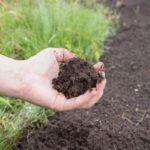 The use of peat as a fertilizer for potatoes and other crops and its differences from humus
 The best eggplant varieties for growing in a polycarbonate greenhouse: planting and care
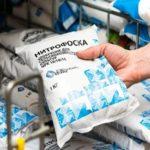 Nitrophoska composition and instructions for use of fertilizer, errors
 Description of varieties of sowing peas and cultivation, to which family they belong
 The health benefits and contraindications of black currants
 How to use and prepare manure as a fertilizer, its types and composition
 How to feed and what fertilizers are best for blueberries, soil acidification
 What is the best way to feed tomato seedlings to make them plump?
This product should not be used in all cases and should be used sparingly. I recommend limiting yourself to bioactivators. "BioGrow", I only use it.