
Humus and its derivatives, humates and humic acids, are essential components of soil, determining its fertility. They are fundamental elements of soil biochemical processes. For crop production, industry produces potassium humate, an organic fertilizer containing a high percentage of humic acids.
What are humates and what are their benefits?
The decomposition of plant residues in the upper soil layers produces humic acids, and their salts (sodium and potassium) are called humates. These natural compounds are essential for soil microorganisms. By consuming them, they improve the mechanical and chemical composition of the soil, making it more permeable to water and air.
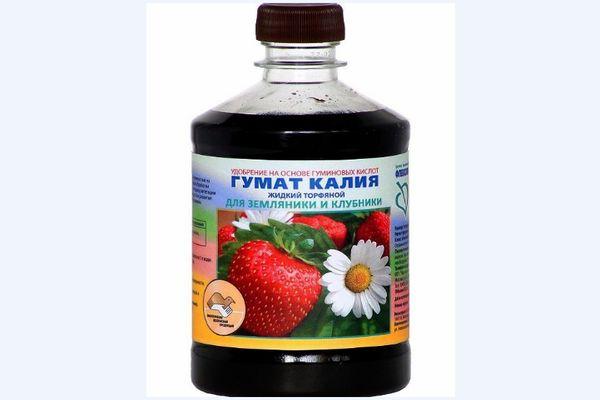
Low humus content explains the low fertility of sierozem soils and sod-podzolic and podzolic soils. Scientists have proven the positive effects of humic acids on soil composition (chemical and mechanical) and plant development. For amateur vegetable growers, a commercially available fertilizer called humate (sodium, potassium) is made from natural raw materials:
- sapropel;
- peat;
- coal (brown);
- lignosulphates (secondary products obtained during the production of cellulose).
We have established production of two types of humic fertilizers: ballast-free and ballast-containing. The first type is used as top dressing, while the second stimulates seedling growth and strengthens the immunity of garden and vegetable crops. Available forms include granules, tablets, powder, gel, paste, and liquid concentrate.
The beneficial properties of the preparation are determined by its composition: 80% humic acids, 20% enzymes, growth activators, peptides, and amino acids. The purpose of humic preparations:
- improvement of soil characteristics, restoration of its fertility;
- increased activity of soil microorganisms;
- pH normalization;
- more efficient use of organic matter added to the soil;
- reduction of nitrogen fertilizer application rates by 50%;
- increasing the effectiveness of fungicides, insecticides, and herbicides;
- positive impact on the appearance and taste of fruits and vegetables, maintaining their health and environmental friendliness;
- formation of stress resistance (weather, infections) in all plant species;
- restoration and strengthening of the root system;
- soil improvement (removal of harmful impurities).
Using humic fertilizers in your garden has no negative impact on humans, pets, or the environment. These products are as effective as mineral fertilizers and surpass them in price and environmental friendliness.

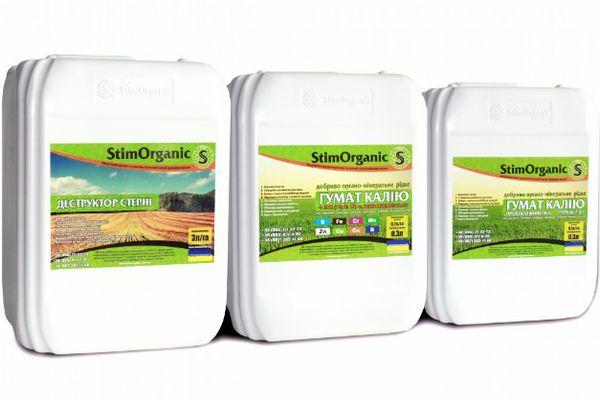
Humic fertilizers can be combined with most mineral preparations (urea, ammonium nitrate, UAN-32). Gardeners report increased yields after the first year of use. Fruits and vegetables harvested from plants fed this type of nutrition during the growing season retain their marketable quality and nutritional value longer.
Instructions for use
Instructions for use are included with any form of potassium humate. It is available as a liquid concentrate and a brown powder. When using the fertilizer, consider the soil pH. Humic fertilizers are most effective in alkaline soils.
Before applying any humic fertilizer, add organic matter (humus, compost, or manure) to depleted soil or soil requiring annual replenishment in the fall (or spring). Immediately before application, the soil is loosened and moistened.
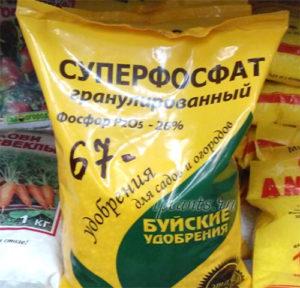
It is prohibited to apply humates together with fertilizers containing phosphorus (P), potassium (K), calcium (Ca). This requirement must be met to prevent the synthesis of insoluble compounds in the soil, which degrade its quality. Fertilizers containing Ca, K, or P are applied first, followed by potassium humate or its analogs five days later.
Liquid potassium peat humate
Gardeners prefer liquid fertilizers.. It is produced as a concentrated brown liquid. Peat is used as the raw material. Specific concentrations of active ingredients are recommended for different treatments, which are achieved by preparing a working solution based on cold water.
Recommended concentrations of liquid form of peat potassium humate:
- from 0.1 to 0.2% of the liquid volume when preparing a solution for soil treatment;
- 0.01% of the liquid volume when preparing a solution for treating plants of any type.
Potassium peat humate, enriched with a complex of microelements, is commercially available. It has a broader spectrum of effects on plants, making it more popular among hobbyists (vegetable growers, flower growers, and gardeners).
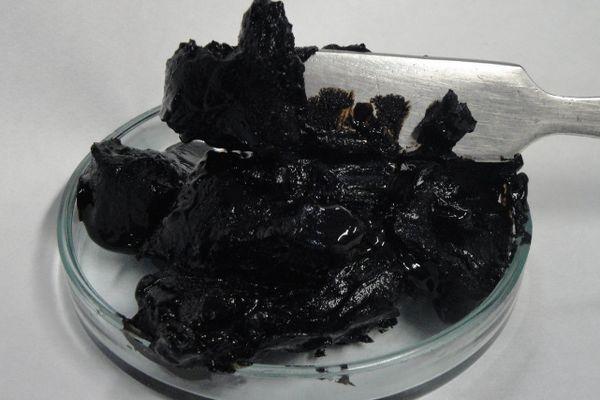
The concentrate is diluted in various proportions. The humate dosage per unit volume depends on the intended use:
- seed soaking solution – ⅓ tablespoon per liter;
- root feeding – 1 tablespoon per 10 liters;
- foliar feeding – 1 teaspoon per 10 liters.
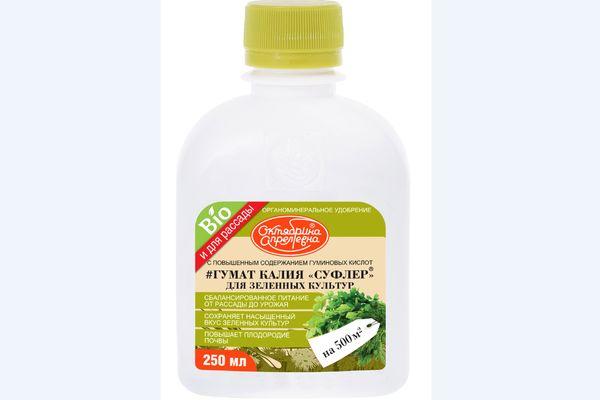
Potassium humate Souffleur
A liquid form of potassium humate. Due to its rich composition of organic substances and minerals, the product is classified as a universal product. organomineral fertilizersThe use of Souffler is indicated for growing vegetable crops, flowers, and fruits.
With regular use throughout the growing season, its properties are fully revealed:
- plants take root faster and easier after transplantation;
- sudden changes in weather do not reduce immunity;
- the storage period of fruits increases.
Potassium humate peat powder
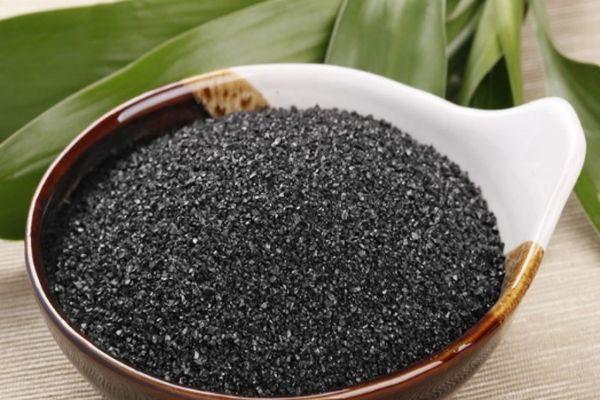
The solid fertilizer is a brown powder that, when dissolved in water, imparts all the necessary micronutrients. Its nutritional value is easy to imagine: 1 kilogram of powder is equivalent in potency to 1 ton of compost.
This type of fertilizer makes the gardener's labor easier and accelerates harvest ripening. When using potassium humate, harvesting begins two weeks earlier. The working solution should not be prepared in advance; it should be used immediately after preparation.
Peat potassium humate powder is used to detoxify soil after pesticide application. Apply 50 grams of the product per 10 square meters; mix it with dry sand in equal proportions before use. Sprinkle the mixture over the soil.
To accelerate the maturation of organic matter, add 10 grams of the powder per 10 kilograms of compost, humus, or manure. Organic mixtures can be added to plants three months after treatment with potassium humate.
How to use for garden and vegetable garden
Many vegetable growers, gardeners, and flower growers have appreciated the benefits of using potassium humate fertilizer in their gardens. The neutral pH of this product prevents soil acidification. Humic preparations are indispensable for pre-planting treatment of tubers, cuttings, and seeds.
Application to grain crops
A potassium humate solution is used to treat grain seeds before sowing. The liquid concentrate is diluted in 10 liters of water per 1 ton of seed. This solution accelerates root development and ensures uniform germination.
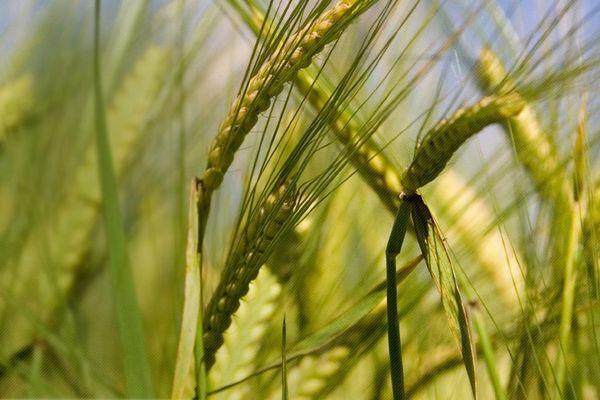
It is recommended to treat winter and spring wheat and corn. These grain crops are particularly sensitive to humic acids. Results of treatment:
- strong immunity;
- drought resistance;
- friendly shoots.
Grain crops are sprayed with the solution up to 2 times per season.The first treatment is carried out during tillering, the second - during earing.
Potassium humate on vegetable crops
The first treatment is pre-sowing. Soak the planting material in a solution made from 1 liter of water and 0.5 grams of the preparation. Measure the dose with a syringe. Soaking time (hours):
- seeds – 24;
- onions – 8;
- tubers – 12 hours
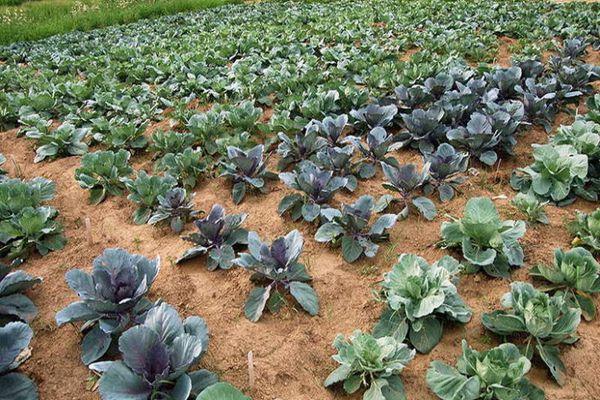
Vegetative vegetables are treated 2 to 6 times. For root feeding, the concentration is 100 milliliters of the product per 10 liters of water. The application rate per unit area depends on the type of vegetable crop and is specified in the instructions for use.
Seedlings respond well to iodine humate – Humate + 7 Iodine (watering instructions are provided on the product packaging). It contains essential microelements and iodine. A concentrated solution is prepared by diluting 10 grams of the product in 10 liters of water.
The resulting solution (1 liter) is first diluted in 9 liters of water, then watered over vegetables (tomatoes, cucumbers, peppers), using ½ a bucket of fertilizer per square meter. Vegetables are fertilized 3-4 times per season, the first time when the first flowers appear.
Fruit and berry crops and grapes
Fruit trees and berry bushes are fed by foliar spraying, or at the root, combining watering with a fertilizer solution and the application of pesticides.
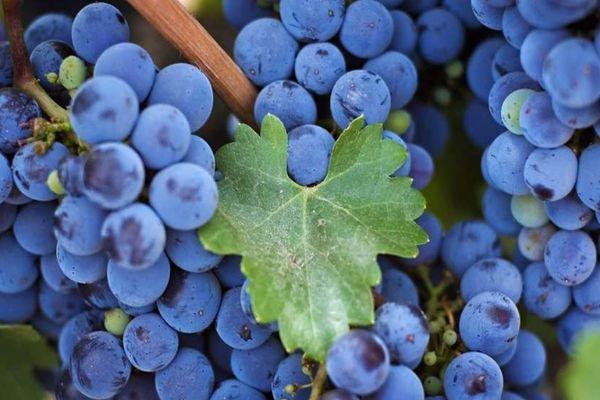
It is recommended to carry out treatment during the following periods:
- before flowering;
- formation of ovaries;
- during fruiting and ripening.
The liquid solution (70 milliliters) is diluted in 1 liter of water. After treatment, the fruits accumulate more nutrients and sugars.
This environmentally friendly fertilizer improves the flavor of fruit and increases yields without harming the environment. It is successfully used by gardeners, farmers, and industrial agricultural enterprises when growing vegetables in greenhouses and open fields. In the garden, humic fertilizers increase the yield of fruit trees and prolong the flowering period of ornamental plants.
Related posts:
 Descriptions of potash fertilizers, which ones are best to choose, and instructions for use
 Instructions for use of potassium sulfate, how it differs from sulfate
 Benefits, types and application of potassium fertilizers for cucumbers, how to feed them
 The best eggplant varieties for growing in a polycarbonate greenhouse: planting and care
 What is the best way to feed tomato seedlings to make them plump?
 Why do plants need potassium, what types are there, and what fertilizers contain it?
 Application of potassium monophosphate for foliar feeding of potatoes
 What fertilizers to apply to the garden and vegetable garden in the fall: instructions