
- Description of the product
- The main component and how it works
- Crystalline
- Granulated
- Pros and cons
- How to recognize a deficiency of a substance and its excess
- Terms of Use
- Crops for the garden
- Coniferous trees
- Flowers
- Shrubs
- Fruit trees
- Basal
- Foliar
- Safety precautions
- Is compatibility possible?
- Storage rules and periods
- Analogues
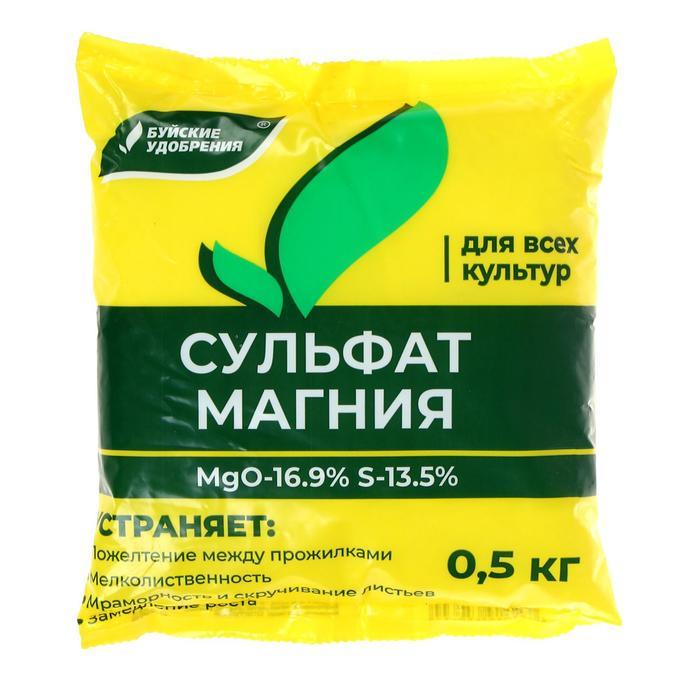
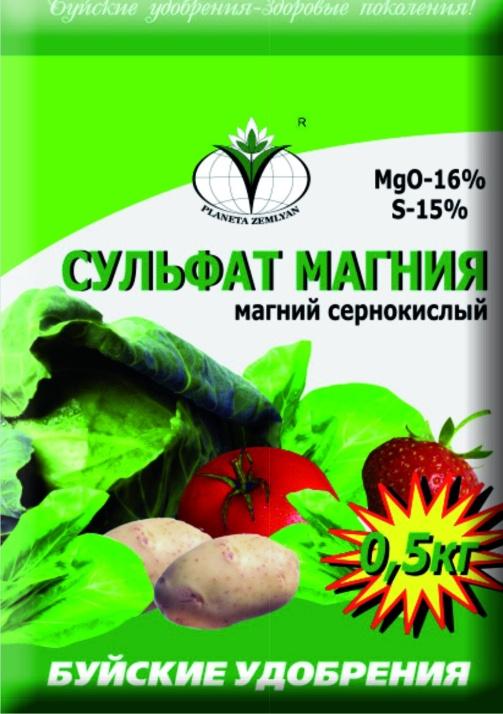
Magnesium sulfate is a beneficial fertilizer containing many valuable nutrients. This product contains high amounts of magnesium and sulfur. This fertilizer has a beneficial effect on plant yields. Furthermore, its composition alters the quality of the crops being grown. To ensure the desired results, it is important to strictly follow the instructions when using the product.
Description of the product
Magnesium sulfate is an inorganic substance. It is a compound of magnesium and sulfuric acid. It is produced as a white microcrystalline powder. It is manufactured industrially by processing seawater. It is also obtained from natural minerals such as carnallite and kieserite. In agriculture, an aqueous solution of the product is typically used.
The main component and how it works
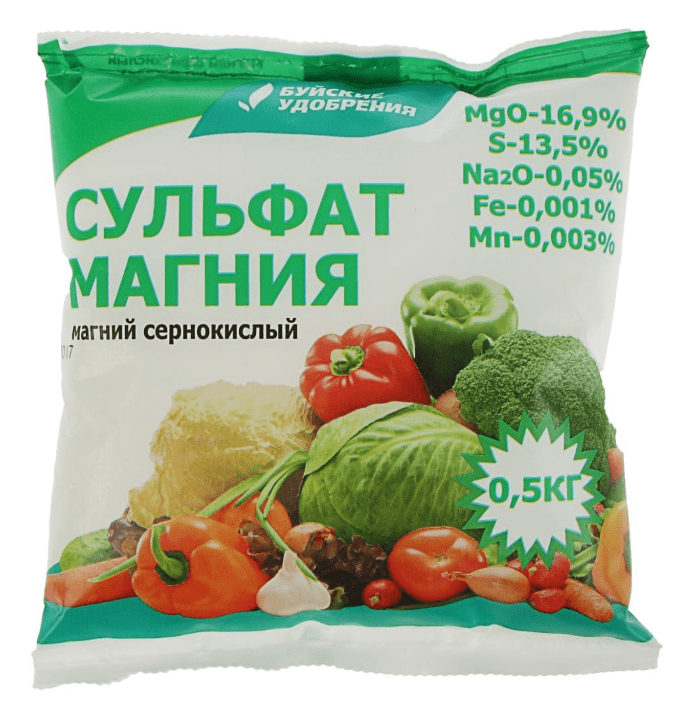
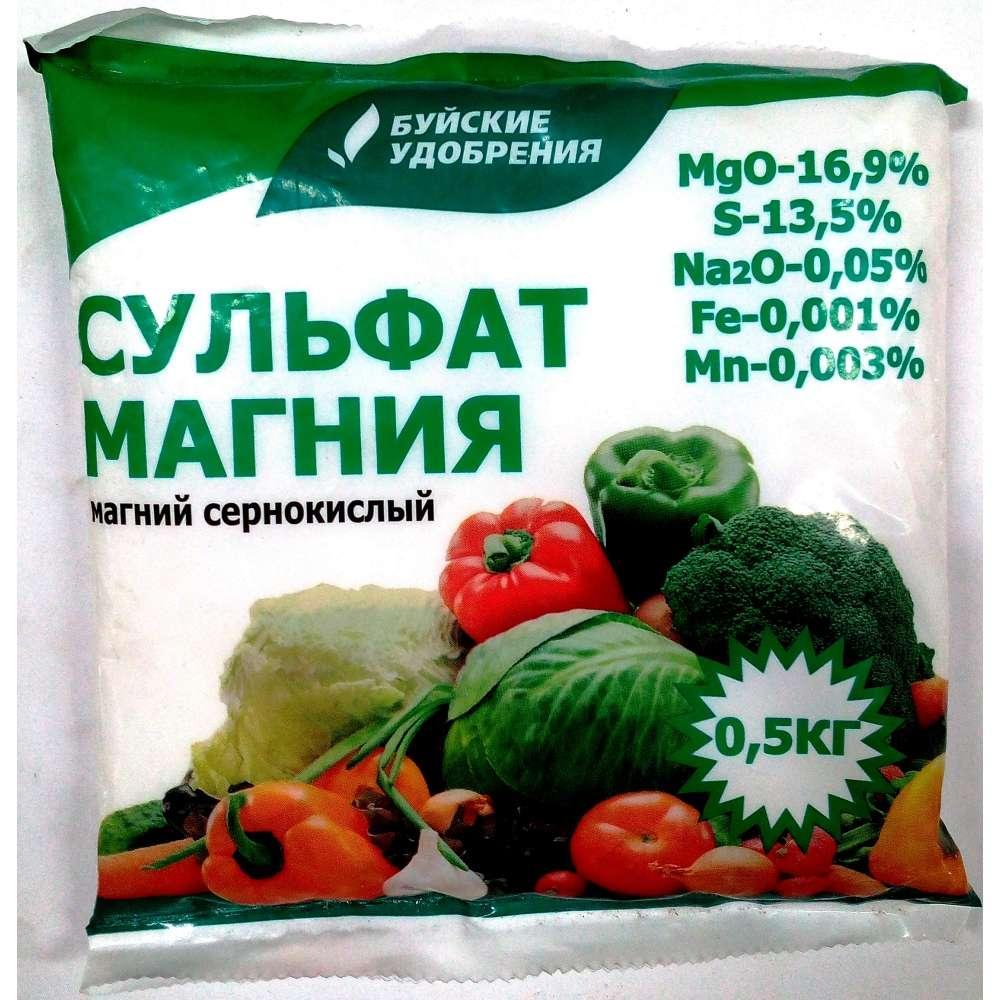
The formula for this product is MgSO4. Magnesium is present in its oxide form. The following components are included in the supplement:
- 17% magnesium – this substance is necessary for the formation of chlorophyll in leaves, protein production, and the normal absorption of phosphorus and calcium. This component promotes tissue formation at the cellular level. It also participates in the production of vitamin C and essential oils.
- 13.5% sulfur – this product activates biological processes and produces plant proteins. It provides reliable protection against fungi, viruses, and bacteria. This element strengthens plants' immune systems and helps them fight garden pests.
Crystalline
Magnesium sulfate is available in crystal form. It comes in both monohydrate and heptahydrate forms. To ensure plants can absorb this fertilizer, it must be applied foliarly. It is recommended to apply 10-12 kilograms of tank mix per hectare.
Granulated
This form is available in small, pressed, gray granules. Its special structure allows it to mix easily with water and be absorbed by the soil. It can be used on any plant.
Pros and cons
The product is considered highly effective, which is why it is successfully used in many farms. Its main advantages include the following:
- a combination of 2 valuable components;
- increasing the efficiency of nitrogen fertilizer use;
- a wide range of uses for the substance;
- neutralization of toxic impurities of urea;
- combination with other fertilizers containing phosphorus and nitrogen;
- Can be used on any plants.

However, this product has only one drawback. When applied in excess, magnesium sulfate interferes with the absorption of potassium, calcium, and manganese by plants. To avoid such problems, it is important to adhere to the correct application ratios.
How to recognize a deficiency of a substance and its excess
Magnesium sulfate must be applied correctly. To avoid unwanted effects, it's important to monitor the condition of your plants. The following signs indicate a magnesium deficiency:
- fading of the color of all above-ground elements of plants;
- the appearance of yellow and brown spots on the leaves;
- white stripes between veins;
- falling and drying of leaves;
- stunted growth, small buds, unripe fruits.
Excess magnesium can cause root death. This can also cause foliage to darken. Young leaves can sometimes curl abnormally. They also often become smaller. Excess magnesium can impair the absorption of potassium and calcium.
Terms of Use
To ensure the desired results, the substance must be used correctly. It's important to consider the application method and the type of crops being treated.
Crops for the garden
For vegetables, magnesium is recommended for use during the growing season. When preparing the solution, consider the plant species:
- for tomatoes and cucumbers you need to take 30 grams per 10 liters of water;
- carrots and cabbage are treated with a solution of 35 grams of the substance and 1 bucket of water;
- For potatoes, you need a solution of 40 grams of the product and 10 liters of water.
The working solution is recommended to be applied to the roots and around the trunk. To stimulate growth, the solution should be used at two-week intervals.
Coniferous trees
These plants require magnesium fertilizers. Chlorophyll, which they obtain through photosynthesis, is crucial for their development. Magnesium directly influences this process. Liming the soil is essential before applying the fertilizer. In an acidic environment, conifers have difficulty absorbing these valuable nutrients.
Flowers
This product is ideal for indoor plants. Magnesium sulfate improves photosynthesis. This fertilizer has a unique feature: it does not contaminate the substrate.
Take a look Also
The loose powder can be applied directly or mixed into a solution. The working solution is best used for spraying flowers. To prepare this solution, add 10 grams of powder to 5 liters of warm water. Water the soil once a month. During the flowering period, water every two weeks.
Shrubs
Raspberries, currants, and other berry bushes benefit from magnesium sulfate treatment. It should be applied either through the roots or foliar feeding. For root feeding, mix 25 grams of the substance with 10 liters of water. For spraying the bushes, reduce the dosage to 15 grams.
Fruit trees
When applying the product to fruit trees, it is recommended to use 30-35 grams of the product per square meter of the trunk circle. For foliar feeding, prepare a solution of 15 grams of the product per bucket of water. For young trees, 2-3 liters of the working solution is recommended, and for mature trees, 5-10 liters.
Basal
Root application of magnesium sulfate is very beneficial for plants. It is recommended to apply the granular product in its pure form or mix it with water. The liquid temperature should be at least 25 degrees Celsius. The application rate depends on the crop and soil type. On average, 60-120 kilograms of the product are used per hectare.
Foliar
Magnesium sulfate is easily absorbed not only by the root system but also by the foliage. Therefore, spraying plants with this product helps prevent magnesium deficiency. This is especially important during active foliage growth and during drought.
It's best to spray plants early in the morning or in the evening. This can also be done in cloudy weather. Avoid spraying on sunny days, during high temperatures, or in strong winds.
Magnesium sulfate is used in its pure form or mixed with other substances. Application rates and the number of treatments should be determined by an agronomist, taking into account the plant variety and condition. On average, plants need to be treated 1-4 times during the growing season. The recommended application rate is 3-7 kilograms per hectare.
Safety precautions
Magnesium sulfate is classified as hazard class 4. This low-hazard substance has minimal impact on the human body and is environmentally safe. However, if it comes into contact with skin or mucous membranes, it can cause burns.
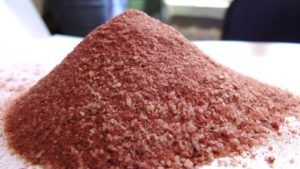
Therefore, it is essential to follow safety precautions when working with the product. It is recommended to work outdoors or in a well-ventilated area. Protective clothing and gloves should be worn when handling the product. Afterward, it is important to wash your hands and face with soap.
Is compatibility possible?
To avoid severe sulfur and magnesium deficiencies, it is recommended to combine this fertilizer with nitrogen fertilizers. At the beginning of the season, magnesium sulfate promotes the absorption of nitrogen fertilizers. For example, combining this product with urea will ensure excellent crop development.
Magnesium sulfate can also be combined with the following products:
- In tank mixtures, the substance combines well with phosphorus preparations.
- The composition can be applied simultaneously with dolomite and complex fertilizers. It can be safely combined with azofoska, diammophoska, and borofoska.
- The combination of magnesium and boron is excellent for strawberries. It's best applied between late April and early May. Foliar sprays are most effective during this time. To apply, simply mix one small spoonful of the product with one bucket of water and spray onto the leaves.
Storage rules and periods
It is recommended to store the product in a dry, well-ventilated area. It should be kept away from food, medications, and animal feed. The product has an unlimited shelf life.
Analogues
If necessary, magnesium sulfate can be replaced with dolomite flour or potassium magnesium sulfate. Mag-Bor is also considered an effective remedy.
Magnesium sulfate is a powerful substance that has a beneficial effect on all plants. This product improves crop development, participates in photosynthesis, and increases yields. It also boosts plant resistance to adverse factors by strengthening their immune system. To achieve the desired effect, it is important to use the product correctly, strictly following the instructions.