
Green fertilizers are very popular among gardeners. Today, many recipes for these products are known, each offering numerous benefits. Nettle fertilizers are among the most popular. They are affordable and provide plants with nutrients. To ensure effective use, it's important to follow the instructions carefully.
Benefits of nettle fertilizers
Nettle contains a large number of valuable chemical elements—potassium, calcium, and magnesium. It also contains vitamins B, A, and E. The plant also contains phytoncides and organic acids. All these substances promote accelerated crop growth, ensure foliage growth, and produce larger fruits. When applied to ornamental plants, the product stimulates their flowering.
Nettle is most often used to make an infusion. The resulting green fertilizer is then used to water plants. Sometimes other ingredients are added to enhance the effect.
The beneficial properties of nettle fertilizer are associated with the following ingredients it contains:
- Nitrogen is essential for plants in spring and early summer. To ensure proper nitrogen absorption, it should be combined with phosphorus. Therefore, superphosphates are often added to nettle fertilizers.
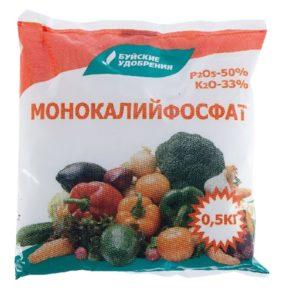
- Potassium is essential for plants during the inflorescence formation stage. This component prevents flower drop and ensures the formation of a large number of buds.
- Calcium – ensures sugar accumulation in fruits. It helps improve plant metabolism.
- Carbonate compounds strengthen the natural immunity of crops and make them more resistant to diseases.
- Tannins, tannins and phytoncides repel pests that cause damage to greenery and fruits.
What plants is it suitable for?
Nettle-based fertilizers are versatile. They can be used on almost all garden and vegetable plants. These products are used to feed tomatoes, cabbage, cucumbers, and peppers. Nettle infusion is very beneficial for tomatoes because it contains a lot of potassium. This substance helps increase the yield of these plants.
Nettle can also be used for berry bushes, especially strawberries. The potassium in the nettle helps the fruit turn out sweeter. Meanwhile, nitrogen stimulates growth.
Nettle is also very beneficial for cucumbers. Using nettle-based products can accelerate the vegetable's growth, stimulate flowering, and improve the taste of the fruit. The infusion can also be used for ornamental plants and houseplants.
Recipe
Today, there are many recipes for preparing nettle-based fertilizers. This allows you to choose the most suitable composition depending on your goals and objectives.
For composting
To prepare the compost heap, you can add dried or fresh grass. It can be combined with any organic materials—small branches, leaves, tops, and weeds. Fruit and vegetable peelings, eggshells, bread, and other kitchen scraps are also acceptable. The mixture can be used to feed plants at least one year after planting.
Preparing liquid tinctures
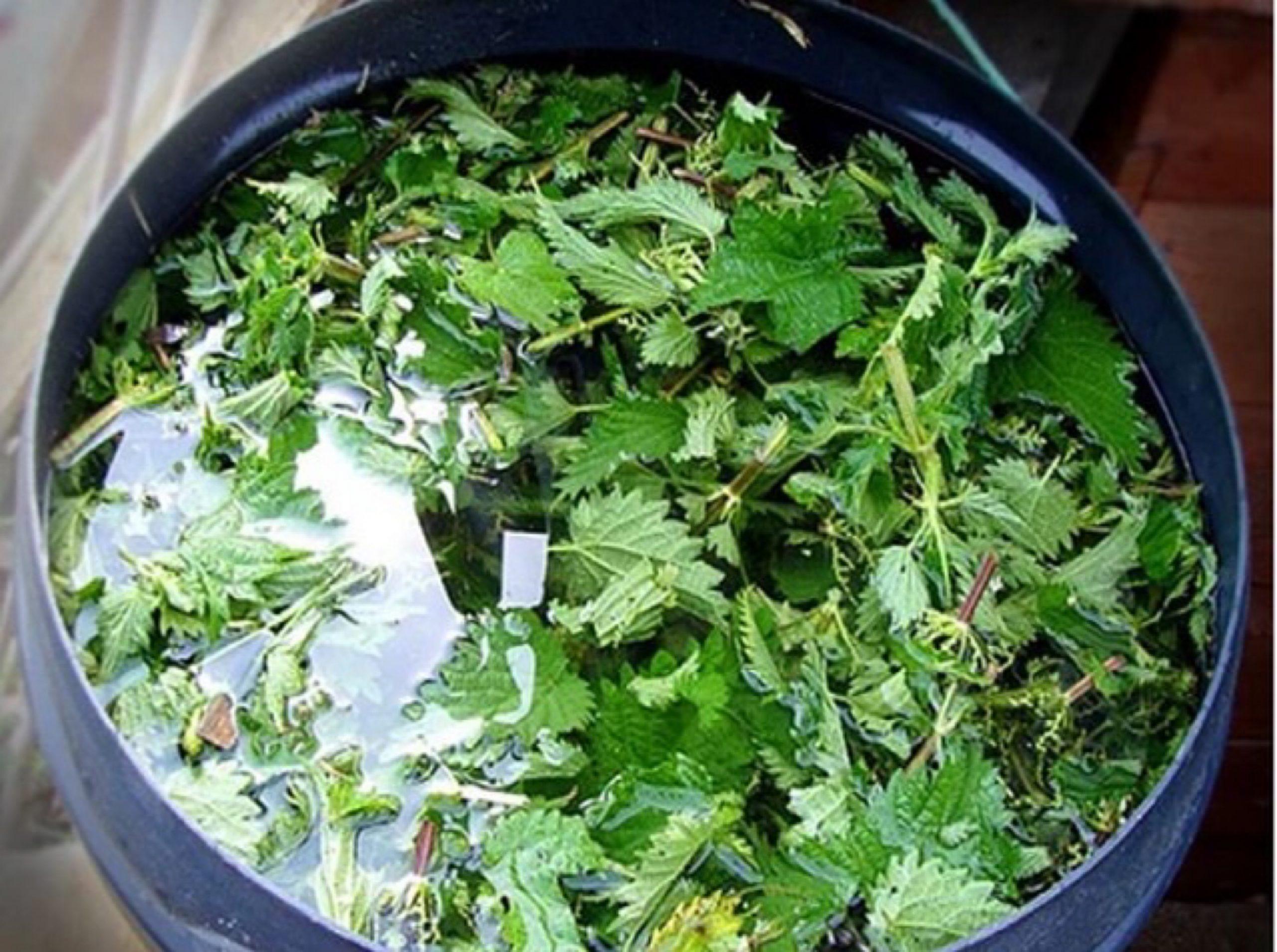
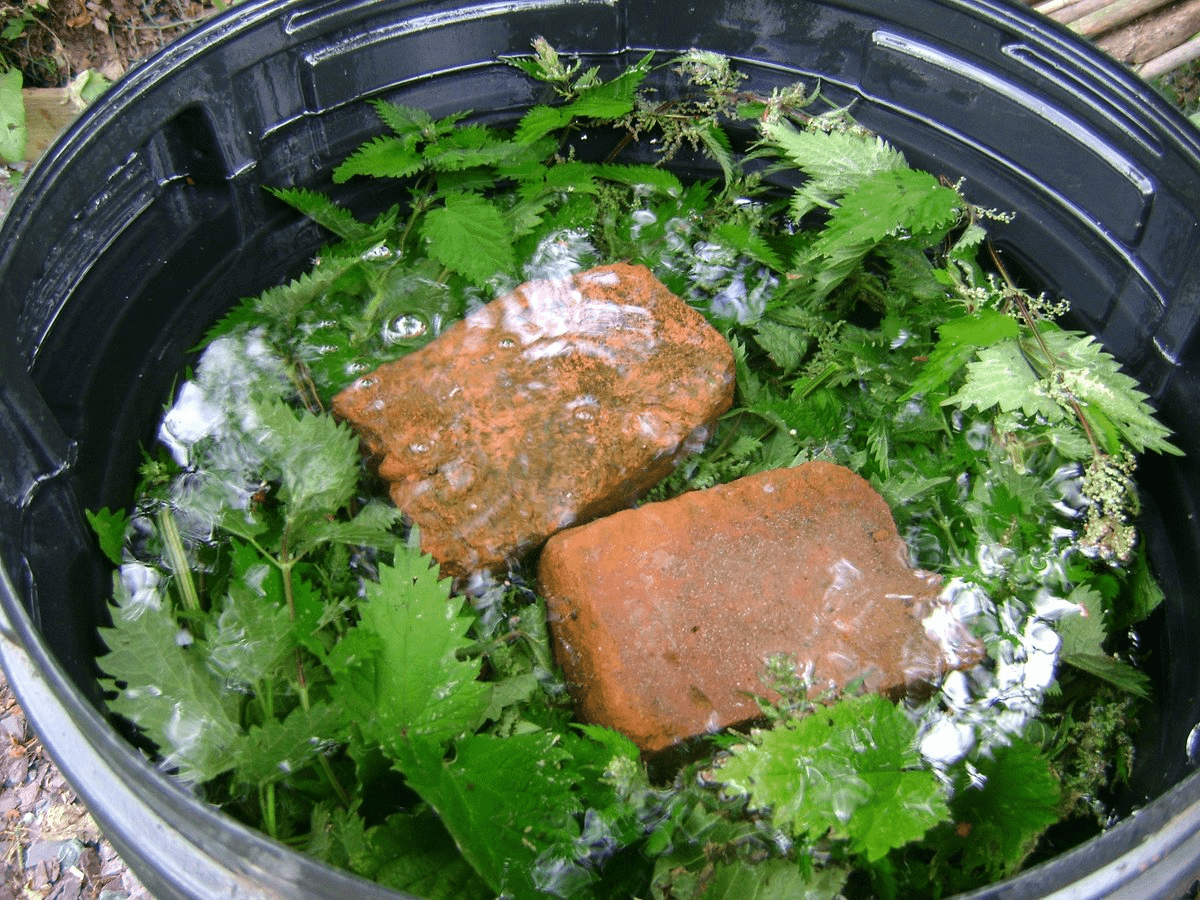
To prepare this beneficial remedy, chop the stems and leaves of young nettles and pour them into a suitable container, filling it halfway. Top the mixture with warm water, cover, and place in a warm, sunny location for 1-1.5 weeks. Stir the mixture daily.

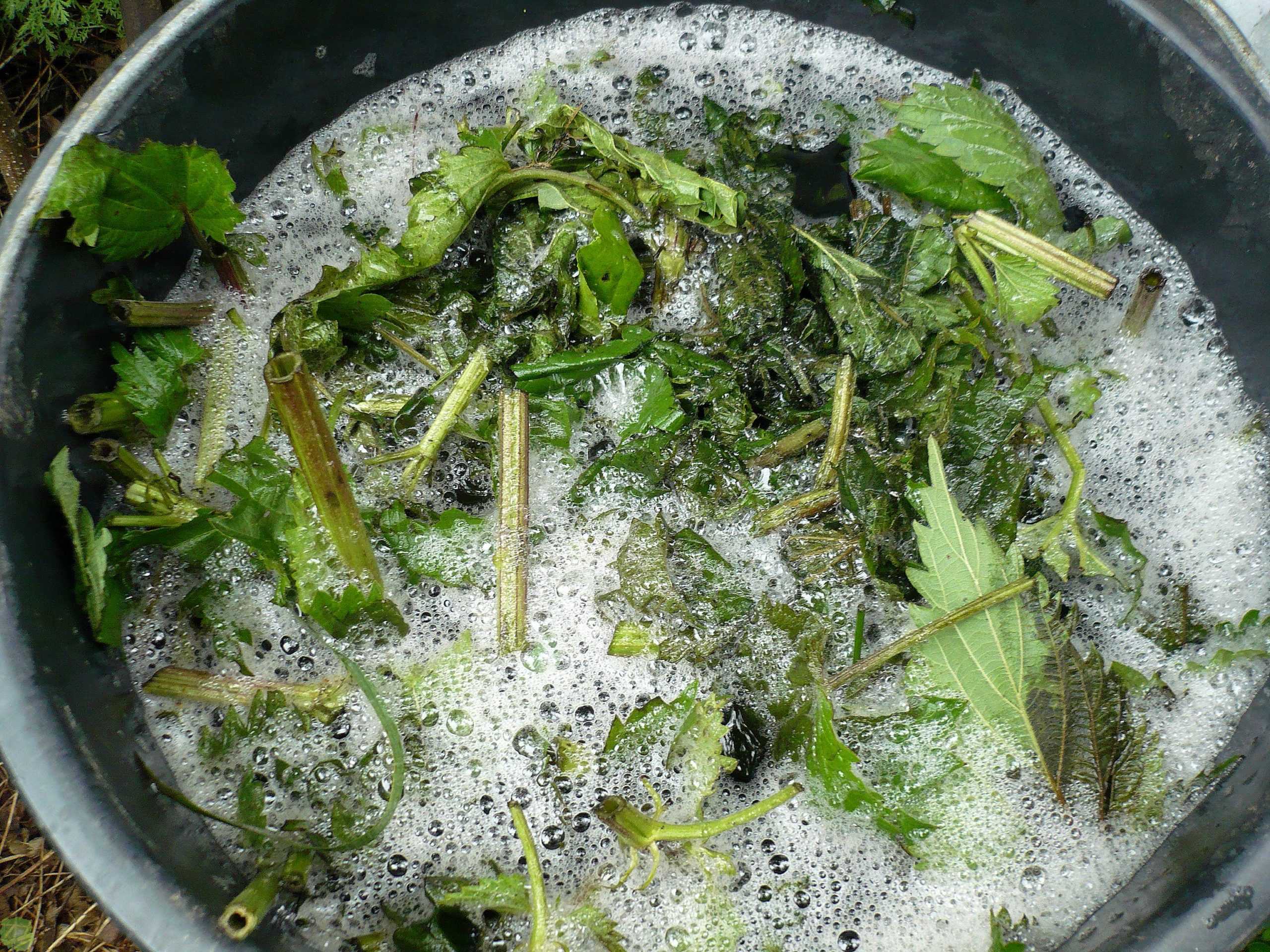
After fermentation has stopped, the infusion is ready to use. It will no longer foam, and the liquid will take on a dark color. To water plants, mix the mixture with water at a ratio of 1:10. For seedlings and young plants, use 500 milliliters of the mixture. Mature plants require 1 liter of the mixture. To spray plants, mix the mixture with water at a ratio of 1:20.
Using manure
To make a beneficial infusion, fill a bucket halfway with chopped nettles. Add 2 tablespoons of ash, a handful of manure, and a glass of jam to speed up the fermentation process. Then add water, leaving a little space for foam. Close the container with a lid and weigh it down. Leave it to ferment for 3-4 weeks. To water plants, mix the infusion with water in a ratio of 1:5.
Using yeast
This remedy contains many valuable vitamins and other substances. To prepare this beneficial mixture, take 10 grams of dry yeast, 2 handfuls of breadcrumbs, and 2-3 tablespoons of sugar. Soak the breadcrumbs in warm water and leave for 24 hours. After this time, filter the mixture.
Fill a 10-liter bucket halfway with chopped nettles and add breadcrumbs, sugar, and yeast. Mix thoroughly and cover. The infusion is ready to use after 24 hours. Strain it and mix it with water in a 1:5 ratio. Use the mixture for watering 2-3 times during the season.
Using nettles and bread
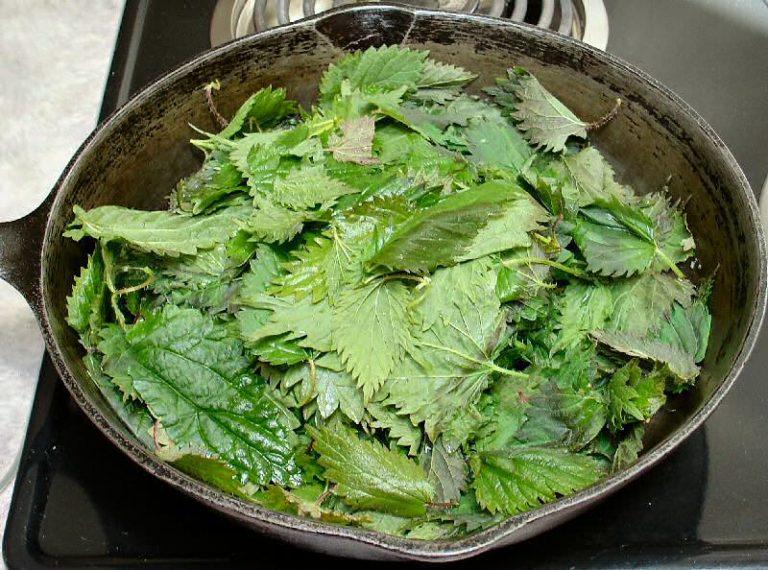
To make a beneficial mixture, place the crushed nettles in a bucket, filling it halfway. Add 1-2 slices of bread and 60 grams of yeast. Mix all the ingredients and add water. Cover the container with a lid and leave for 5-7 days. Then strain the mixture and mix with water in a ratio of 1:10.
Terms of Use
To ensure that nettle-based fertilizer produces the desired effect, it must be used strictly according to the instructions.
For cucumbers
The cucumber solution should be applied every 1.5 weeks. For seedlings, use 500 milliliters of the solution; for mature plants, use 1 liter.
For strawberries
This plant can be fed twice a month. Use 500 milliliters of the infusion per bush.
For tomatoes
For fertilizing tomatoes, it is recommended to apply the infusion every two weeks. Seedlings require 500 milliliters of the infusion, while mature plants require 1 liter. After applying the fertilizer, water the plants with clean water. Spraying is recommended no more than once a month.
Storage rules and periods
This product is recommended for use immediately after preparation. This is especially true for yeast and bread supplements. The maximum shelf life is 1 week. Store the product in a cool place.
Nettle-based fertilizers contain many valuable components and have a beneficial effect on crop development. For these products to be effective, it's important to follow the instructions carefully.