
Using monoammonium phosphate helps achieve a number of beneficial effects. This fertilizer is a crystalline product that dissolves well in water. It is considered an effective source of nitrogen and phosphorus, both of which are readily available to plants. It can be used in both open ground and greenhouse conditions. It can also be used in fertigation systems and as a foliar spray.
What is the composition and formulation of nitrogen-phosphorus fertilizer?
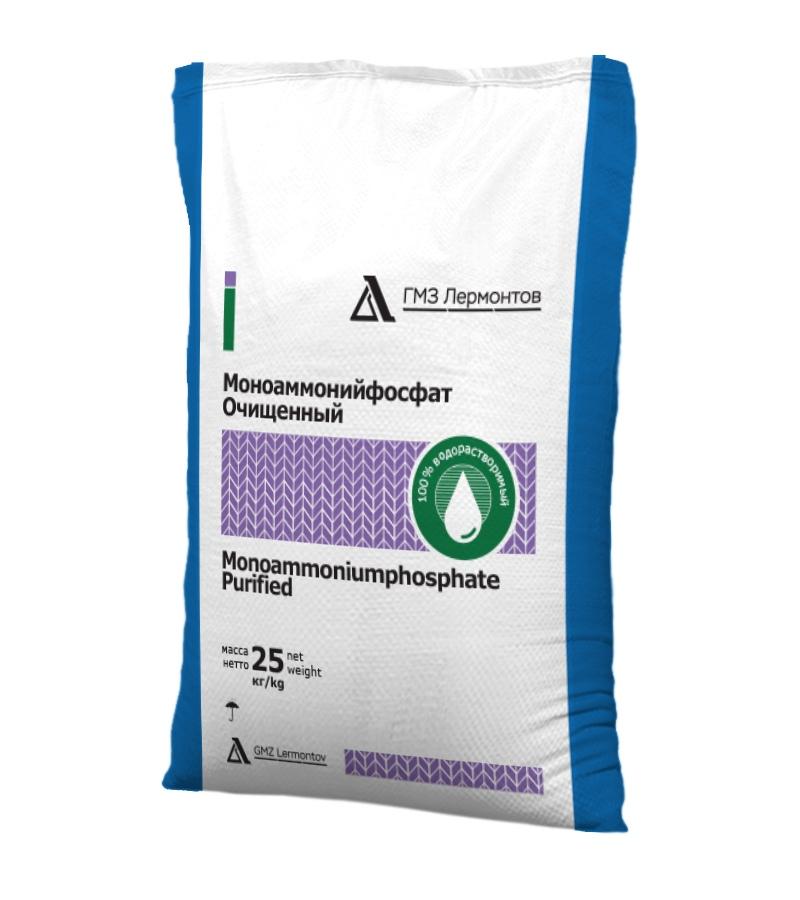
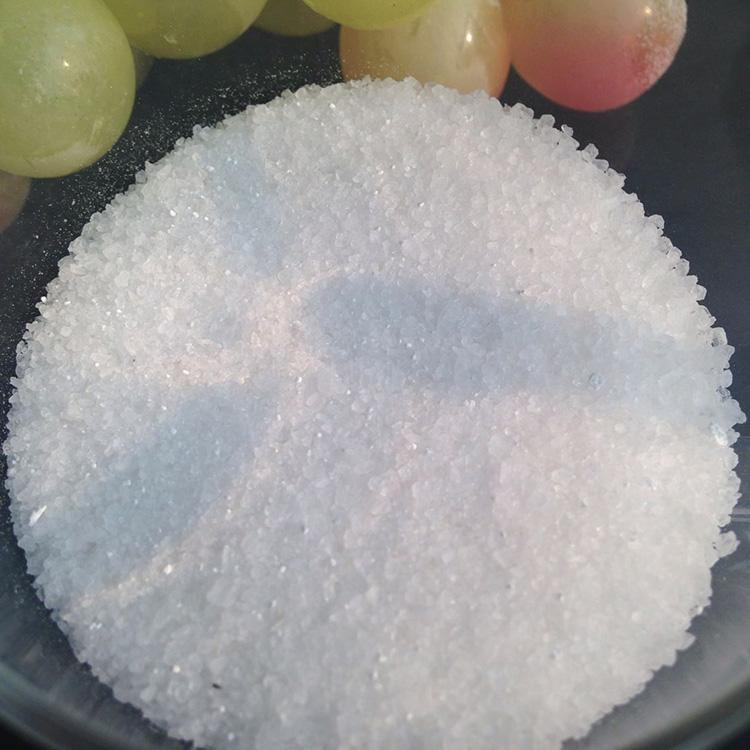
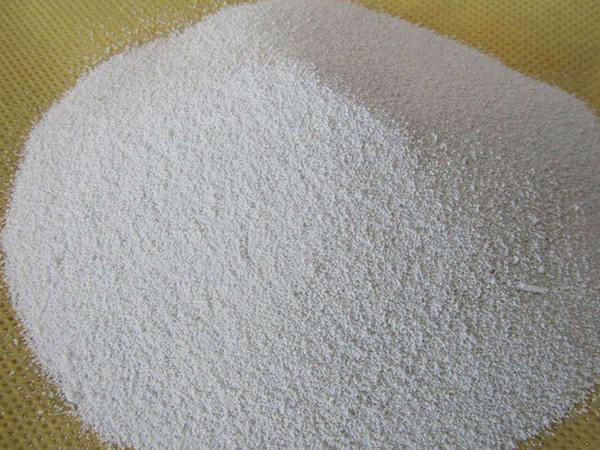
Monoammonium phosphate is produced as a white crystalline powder. It is sold in 25-kilogram bags. It contains the following components:
- 12% nitrogen in ammonium form;
- 61% phosphorus.
Among solid fertilizers, monoammonium phosphate contains the highest amount of phosphorus. The water content of the dry powder does not exceed 0.3%. The insoluble residue content is no more than 0.1%. The pH of the aqueous solution is 4.5.
The product mixes easily with water and is easily absorbed by plants. It has lower pH values than urea phosphate. Phosphorus stimulates root development. Therefore, monoammonium phosphate is recommended for fertilizing young plants. Phosphorus absorption from the product is improved by reducing soil pH values with ammonium nitrogen.
Purpose
The product contains nitrogen and phosphorus, which are essential for proper root development, photosynthesis, and plant biomass growth. Therefore, monoammonium phosphate is considered an essential water-soluble fertilizer. It can be used in both open and protected soil. It can be used in greenhouses and sprinkler systems.

Ammophos acts more quickly than any other superphosphate because its active ingredients are present in an easily digestible form. This distinguishes it from other fertilizers in its class. This allows it to be used not only as scheduled, but also in an emergency—at the first sign of phosphorus deficiency.
The composition can be applied in a variety of ways. Its use allows for the following results:
- to form a powerful root system in the initial stages of development;
- adjust nutrition at the early stage of vegetation and at later stages due to the easy absorption of phosphorus - this effect is achieved by using the product foliarly;
- improve resistance to the influence of stress factors;
- improve the absorption of phosphorus - this effect is due to the action of ammonium nitrogen, which reduces acidity in the root area.
Dosage and how to use
Monoammonium phosphate is recommended to be applied at intervals of 1.5 to 2 weeks. For vegetable crops and flowers, a solution of 20 grams of the product per 10 liters of water is recommended for this frequency.
For berry bushes and fruit trees, use a working solution of 15 grams of monoammonium phosphate and 10 liters of water. For vegetable crops, the recommended dosage is 3-5 kilograms per hectare. For vineyards and fruit trees, the dosage is 8-10 kilograms per hectare.
When applying the product foliarly, it is recommended to use a working solution with a concentration of 1%. This means using 1 kilogram of monoammonium phosphate per 100 liters of water. A total of 1-3 sprayings is acceptable. The product can also be applied dry. The composition can be applied surface-mounted or incorporated into the soil.
How to use in different soils
Monoammonium phosphate can be used in various soil types. However, it's important to take certain considerations into account. The fertilizer itself is slightly acidic. Therefore, it should be used in neutral and alkaline soils.

For black soil
In such soil, the fertilizer can be used as a base fertilizer for cereals, potatoes, and root crops. It can also be applied to any crops that are intolerant to chlorine.
For carbonate chernozems
In this type of soil, the product is more effective than complex compounds containing nitrogen in the form of nitrates.
For chestnut soils
In such soil, it is recommended to use fertilizer in irrigation systems.
For saline soils
The product works well in this type of soil. It is best used in irrigation systems. The composition is suitable for vegetable and industrial crops.
Precautionary measures
When working with monoammonium phosphate, basic safety precautions must be followed. It is important to wear a mask or respirator and goggles. Keep in mind that ammonia fumes can cause severe eye and skin irritation. Do not remove protective equipment until the work is completely completed. If the substance comes into contact with eyes or skin, rinse the solution with plenty of water.
Is compatibility possible?
Concentrated monoammonium phosphate solution is not recommended for tank mixing with products containing magnesium and calcium salts. In other cases, compatibility testing is required. To do this, combine small amounts of the products in a separate container. If no chemical reactions occur, a combined solution can be prepared. If the mixture changes color, temperature, or consistency, it is best to discontinue use.
How to store and what to replace it with
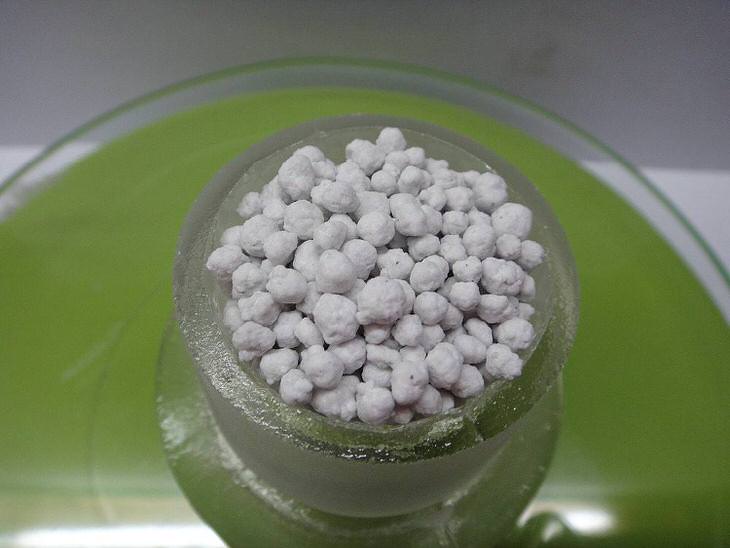
Monoammonium phosphate is sensitive to moisture. Therefore, it must be stored in its original polyethylene bags. It is important to store the product in a dry, well-ventilated area, away from direct sunlight and moisture. It is important to avoid storing the fertilizer outdoors. Bags must be tightly sealed and undamaged. The product contains conditioning agents that prevent caking.
The product can be stored near fertilizers and pesticides. However, it should not be placed near food, medications, household products, or animal feed. It is important to keep the product out of the reach of children and pets.
If stored properly, the product can be used for up to six months. If the manufacturer's recommendations are not followed, the fertilizer will lose its properties sooner. When it absorbs moisture, the substance dissolves and then solidifies.
If necessary, the product can be replaced with effective alternatives. Such substances include:
- Ammophos;
- "Suprefos";
- "Grossdorf Housing and Communal Services 8:24:0".
Monoammonium phosphate is an effective fertilizer that enriches the soil with valuable nutrients and promotes crop growth. To ensure the product produces the desired results, it is important to strictly follow the instructions for use.