
Green manure is considered an effective method of enriching the soil with organic matter. This can be achieved literally in the first year. Plants from various families are used for this purpose. Using oats as a green manure helps enrich the soil with valuable nutrients and improve its structure. It's important to follow the planting guidelines for the cereal crop and ensure adequate care.
Description of the crop as a green manure
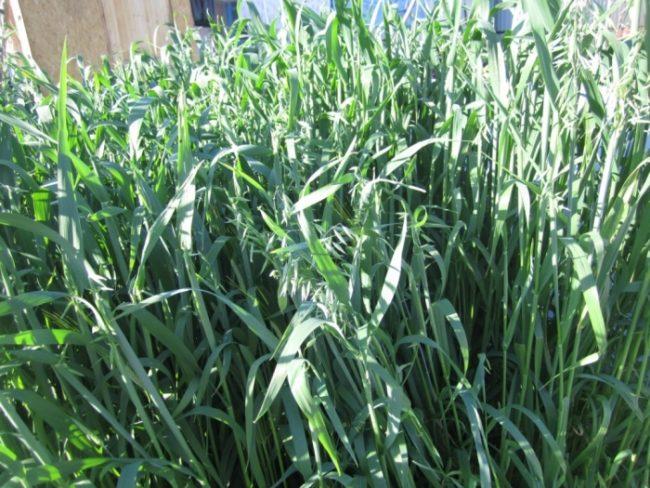
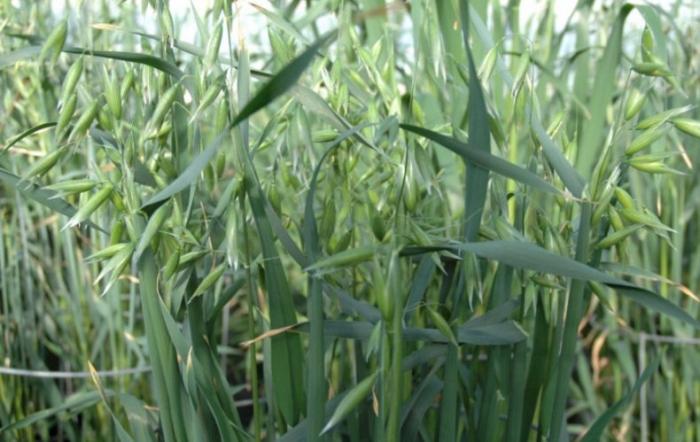
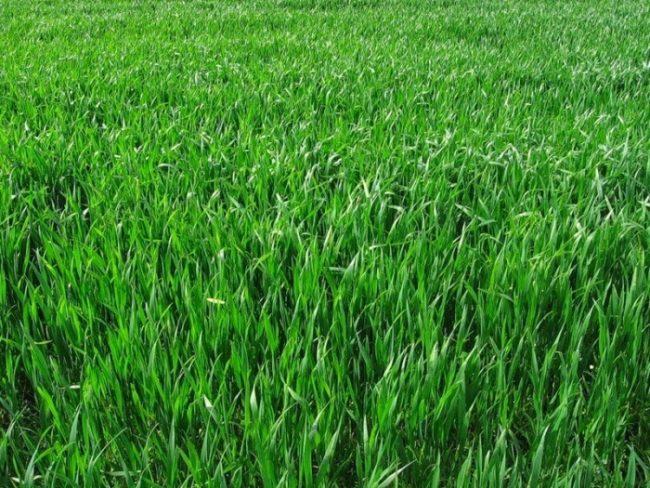
Oats are a cereal crop that grows as a loose bush with leafy stems. These stems can reach 120 centimeters in height. The crop is grown for its grains and as a green manure. The plant is also tolerant of low temperatures, making it suitable for planting in early spring.
The grain is often used to improve soil. Its effectiveness as a green manure is due to its properties:
- The crop is distinguished by its nutritious stems, which contain many protein components.
- The vegetative mass of the plant contains more phosphorus and potassium than nitrogen.
- High potassium content benefits berries, cucumbers, and cabbage. This element enhances the flavor of the fruits.
- Oats have a fibrous root system. This helps strengthen light soil and loosen heavy soil. Furthermore, incorporating oats into the soil helps improve air and moisture permeability.
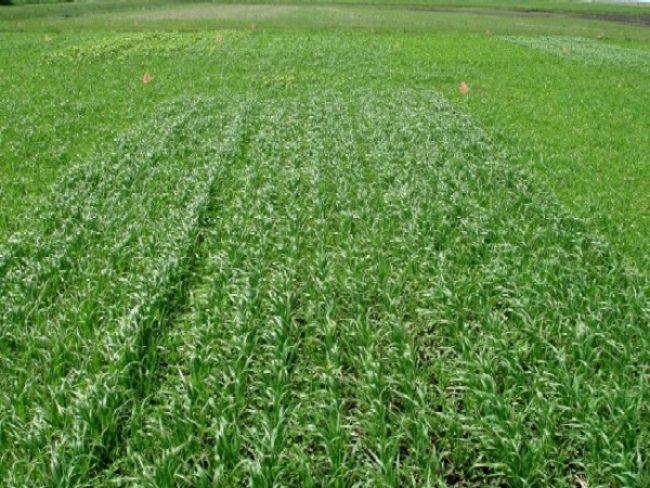
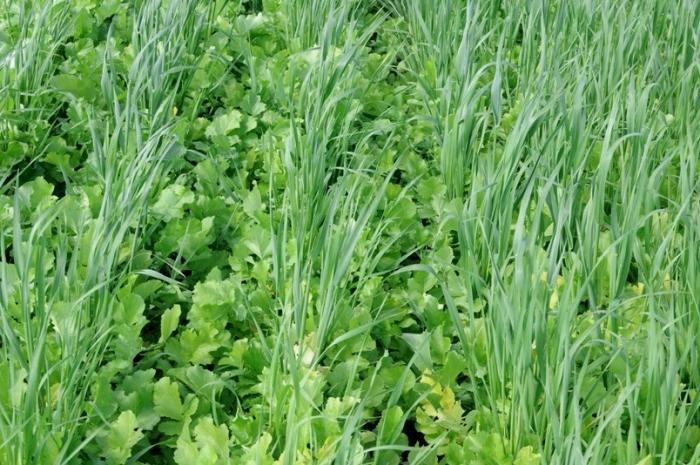
- The plant forms dense stands. Its stems are planted close together, preventing weeds from growing between them. Oats simply choke out unwanted vegetation.
The use of winter or spring oats helps restore neglected areas and integrate them into crop rotation. This process takes an average of 2-3 years. Using green manure gradually restores the topsoil and removes nitrates. The plant also makes the soil looser and more moisture-retentive.
Advantages and disadvantages of its use
Growing oats in your garden can help you achieve a number of beneficial effects.
The use of this crop as green manure has the following advantages:
- High protein content. In this respect, oats surpass clover and alfalfa.
- Rich in minerals, the plant contains large amounts of potassium and phosphorus, which helps enrich sticky clay soil.
- Soil aeration. This grass has powerful roots, which loosens the soil and saturates it with oxygen.
- Soil strengthening. The cereal helps bind loose, unstable soils.
- Herbicidal effect. As the grass develops, it forms dense stands. The plant stems are so close together that they create barriers to weed growth.
- Undemanding in terms of soil type, the plant can be grown in any soil—clay, peat, sand, or black soil.
However, the plant also has some disadvantages:
- A small amount of green mass. For depleted soil, oats alone may not be enough.
- The composition is minimally nitrogen-rich. This is why oats must be planted in beds with alfalfa and clover, and then both crops are ploughed under.
- It requires frequent watering and cool temperatures. It thrives in shade and cool conditions. It also requires a lot of moisture. Therefore, it is recommended to grow it in areas with cool and damp climates. However, in hot weather, it tends to wilt and dry out.
Predecessor cultures
Oats can be planted as a green manure after various crops, with the exception of cereals. They also make an excellent precursor for crops that require a lot of potassium. Tomatoes, zucchini, cucumbers, and eggplants can be planted after oats. Peppers, raspberries, strawberries, and currants are also suitable for subsequent cultivation.
Oats should not be planted before potatoes, as there is a risk of wireworm infestation. However, oats can be sown after potatoes. In this case, the grain will serve as an excellent biological fertilizer for the soil. Also, cereals should not be planted after oats. Plants belonging to the same family are susceptible to the same diseases and pests.
Which green manure to choose: oats or rye
Each green manure has its own advantages and disadvantages. Therefore, it is recommended to choose green manure based on the soil type and the plants you plan to grow.
Planting timing is also important to consider. Oats can be planted after the early vegetable harvest. This allows them to be harvested before the first winter frosts. Rye is highly frost-resistant, making it a common choice for winter planting.
Oats prefer peaty or acidic soil. However, rye can be planted in a variety of soil types. It can be planted in virgin soil or in beds prone to waterlogging.
When and how to plant correctly
Oats can be planted at different times:
- Spring. This cereal is easy to care for and cold-resistant. Therefore, it can be sown in early spring, immediately after the soil warms.
- Autumn. Oats planted in the fall are usually mown down, adding a little soil. Avoid planting before winter, when frost sets in. It's recommended to do this earlier.
When planting crops in the spring, it's not recommended to wait for the soil to dry out. The plant requires ample moisture. Sufficient water ensures rapid growth and rapid foliage growth.
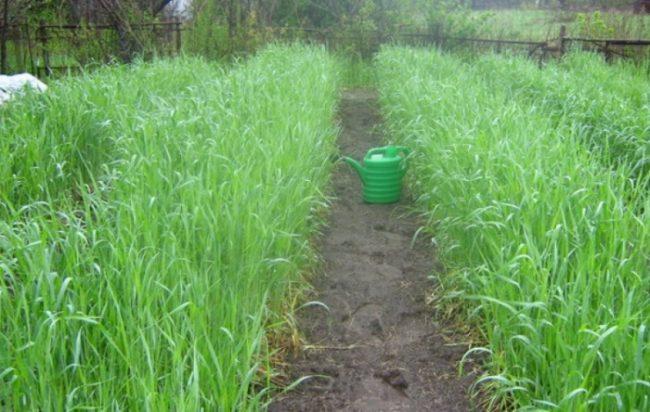
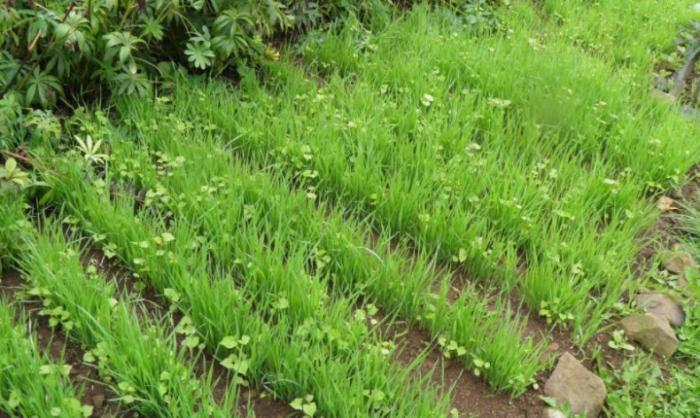
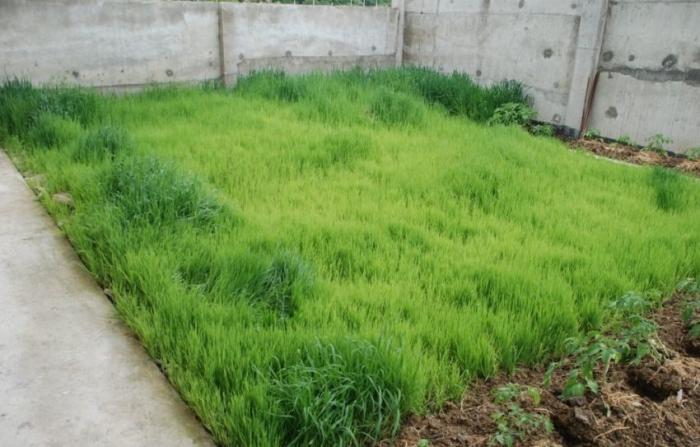
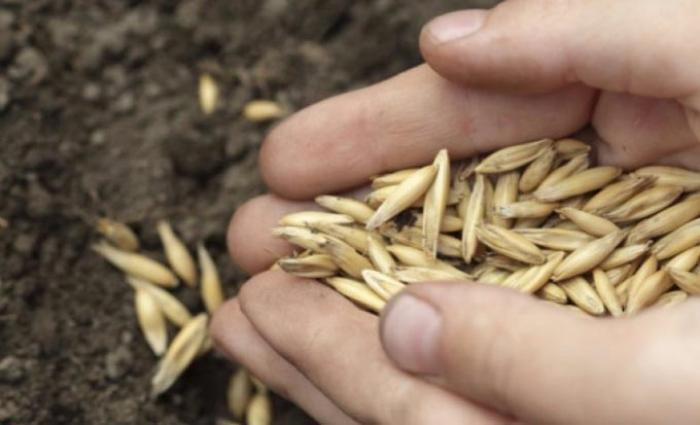
Green manure should be planted in the fall immediately after clearing the area. However, careful preparation of the area is required first. This requires removing the roots of perennial plants and removing debris. Oats can be planted by hand, like lawn grass, in scattered beds or in rows.
Care Features
After planting green manure, it is important to strictly adhere to agricultural practices:
- During dry weather, water the plants generously. Oats are considered a moisture-loving plant. Therefore, if there is a lack of water, they will not thrive.
- Check the condition of the plants every three days. If they are lagging, apply mineral fertilizers such as ammonium nitrate or superphosphate.
- When the bushes reach 10-15 centimeters, trim them by a third. This will help stimulate the development of green mass.
Overall, the plant is considered quite undemanding in terms of growing conditions. It only requires adequate moisture. In some cases, it may require supplemental nutrients and soil tillage.
Mowing times
It takes 1.5 months from planting to harvesting. The following signs indicate the plant's readiness for this process:
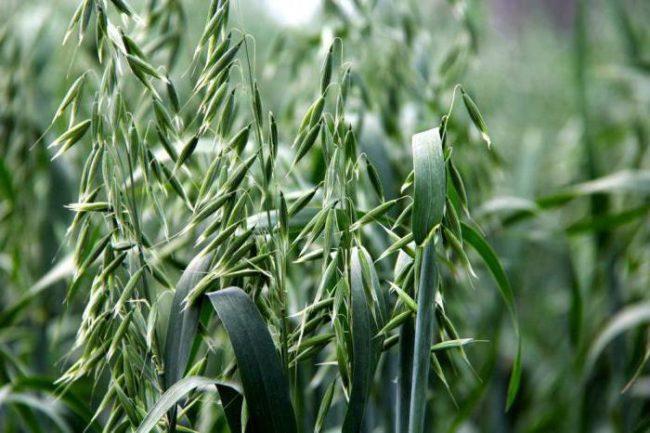
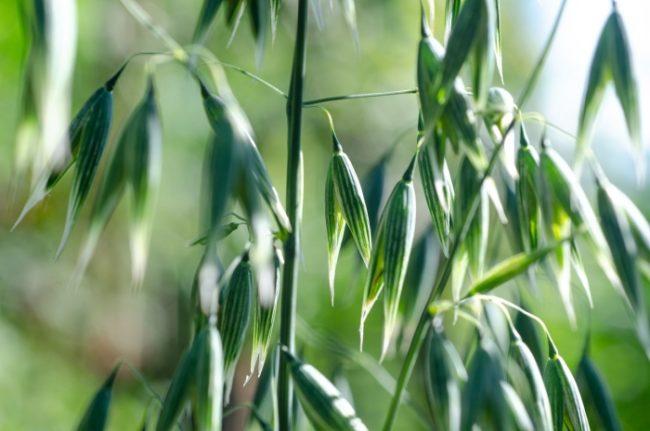
- The foliage has grown, and panicles of flowers have appeared. If pollen is present, the stems can be cut off.
- When planting in the fall, green manure should be cut before the onset of cold weather. When planting oats in the spring, it should be harvested before the onset of hot weather.
- Oats should be ploughed into the soil two weeks before planting vegetables. Otherwise, the greens won't have time to rot.
- When mowing green manure in November, avoid incorporating it into the soil. This is recommended shortly before planting in April. Mown stems prevent the soil from freezing, making it ready for planting earlier in the spring.
Is it allowed to use in summer?
Oats don't tolerate hot weather well. Therefore, it's not recommended to grow them in summer. However, some gardeners plant them in summer, as the grain is excellent at loosening clay and loam soil, removing putrefactive bacteria from the soil, and removing excess moisture.
In summer, spring oats should be used as mulch between rows. To stimulate the decomposition process, the greens should be watered with a biological fertilizer solution and then covered with straw.
These actions will retain moisture near the roots and help soil insects gradually break down plant debris and convert it into humus. However, summer sowing of oats is not recommended, as the plant will not thrive in hot weather.
Oats are an efficient crop often used as a green manure. This plant enriches the soil with valuable nutrients and improves its structure. This makes oats a great way to grow other crops more efficiently and increases their yields.