
- How potassium deficiency and excess manifest in plants
- Types of fertilizers containing potassium
- Potassium magnesium sulfate (potassium magnesium sulfate)
- Cement dust
- Kalimag
- Potassium salt
- Potassium chloride
- Potassium sulfate (potassium sulfate)
- How is it mined?
- When to apply and dosage
- Instructions for use
- Safety precautions
Potassium-containing fertilizers are effective inorganic compounds that provide a comprehensive effect on plants. Potassium is considered one of the most essential nutrients for plant growth. Along with nitrogen and phosphorus, it is classified as a macronutrient. Potassium-containing fertilizers help achieve a wide range of benefits, including strengthening the immune system, accelerating plant growth, and increasing yields.
How potassium deficiency and excess manifest in plants
The importance of potassium for plants is difficult to overestimate. A deficiency of this element causes ammonia to accumulate in plant cells. This leads to decreased resistance to fungi and causes shoot death. This is due to the cessation of protein synthesis and the production of complex carbohydrates.
If plants contain too much potassium, this also negatively impacts crops. Therefore, caution should be exercised when applying such fertilizers and not exceeding the recommended dosage. It's important to note that potassium deficiency primarily affects crops grown in light peat soils. This nutrient is better preserved in heavy clay soils.
Types of fertilizers containing potassium
Today, there are a wide variety of effective potassium fertilizers available on the market. This allows every gardener to choose the most suitable option.
Potassium magnesium sulfate (potassium magnesium sulfate)
This product contains 30% potassium and 9-17% magnesium. This potassium fertilizer can be used in soils with low magnesium content. It has a pink color and a fine texture. It does not absorb moisture, making it easy to store and transport. Potassium magnesium sulfate is easily absorbed and is used as a primary spring fertilizer.
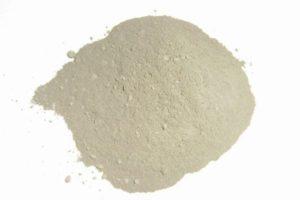
Cement dust
This product is a cement production waste product. It is a composition based on carbonates, bicarbonates, and sulfates. It also contains some potassium silicates. Cement dust contains 10-35% potassium. It is chlorine-free.
This substance helps alkalize acidic soil. It is primarily used to feed chlorine-intolerant plants. A disadvantage of this fertilizer is that it produces a lot of dust and can irritate mucous membranes. Therefore, gardeners rarely use it.
Kalimag
This medication is similar in composition to potassium magnesium sulfate. However, it additionally contains calcium sulfate and sodium chloride. The medication differs in the following composition:
- 15-20% potassium;
- 10% magnesium;
- 17% sulfur.
Potassium salt
The product is a mixture of potassium chloride and sylvinite. The substance contains 40% potassium. It contains a large amount of chlorine, which is why it is harmful to potatoes, tomatoes, and all berry bushes. However, potassium salt can be successfully used to feed beets. The fertilizer is added to the soil only in the fall, when preparing the plot for winter.
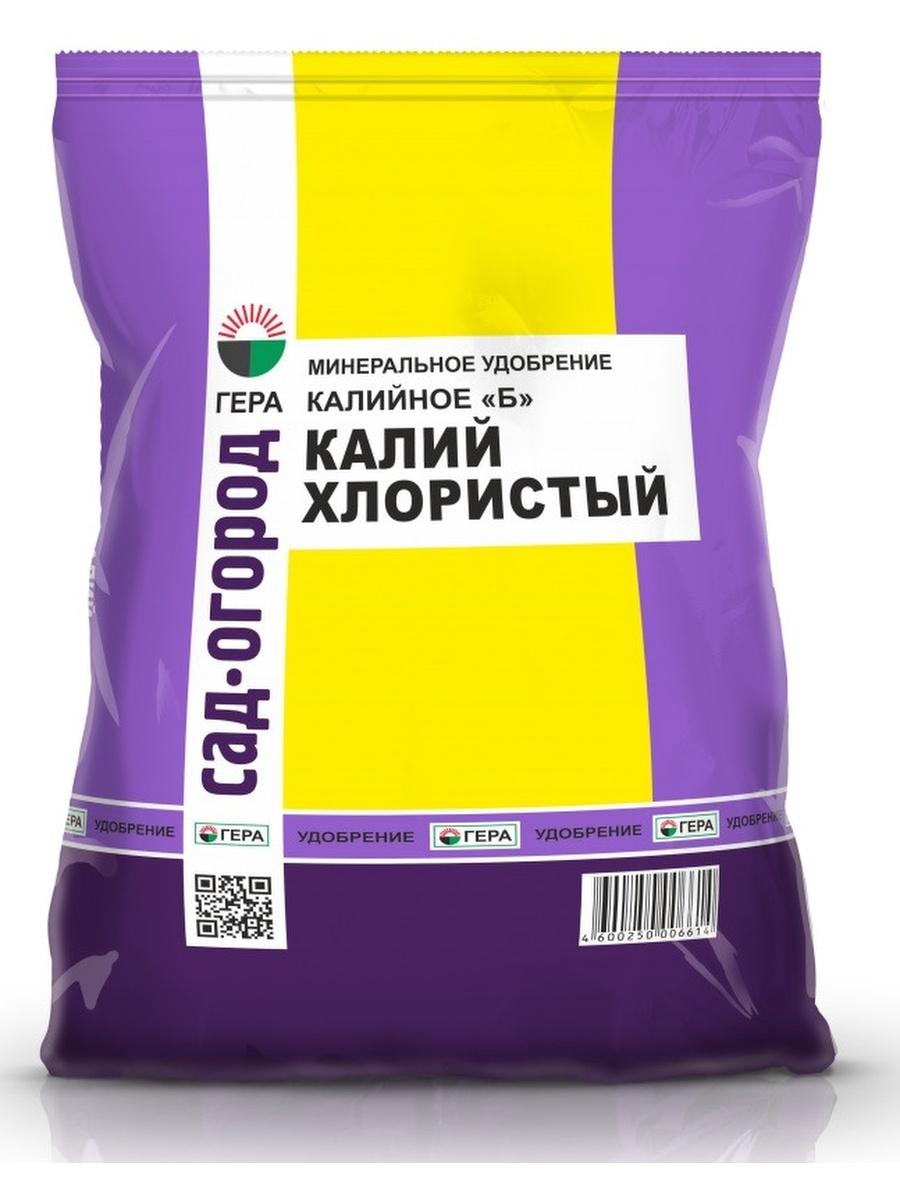
Potassium chloride
The product contains 45-65% potassium and approximately 40% chlorine, which acidifies the soil. It's important to note that chlorine stunts growth and reduces crop quality. Therefore, it should only be applied in the fall. By the beginning of the growing season, the substance has time to evaporate from the soil. Potassium fertilizer is pale pink or white with a grayish tint.
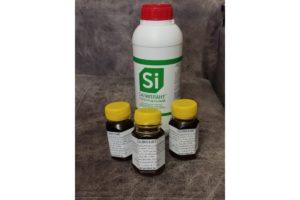
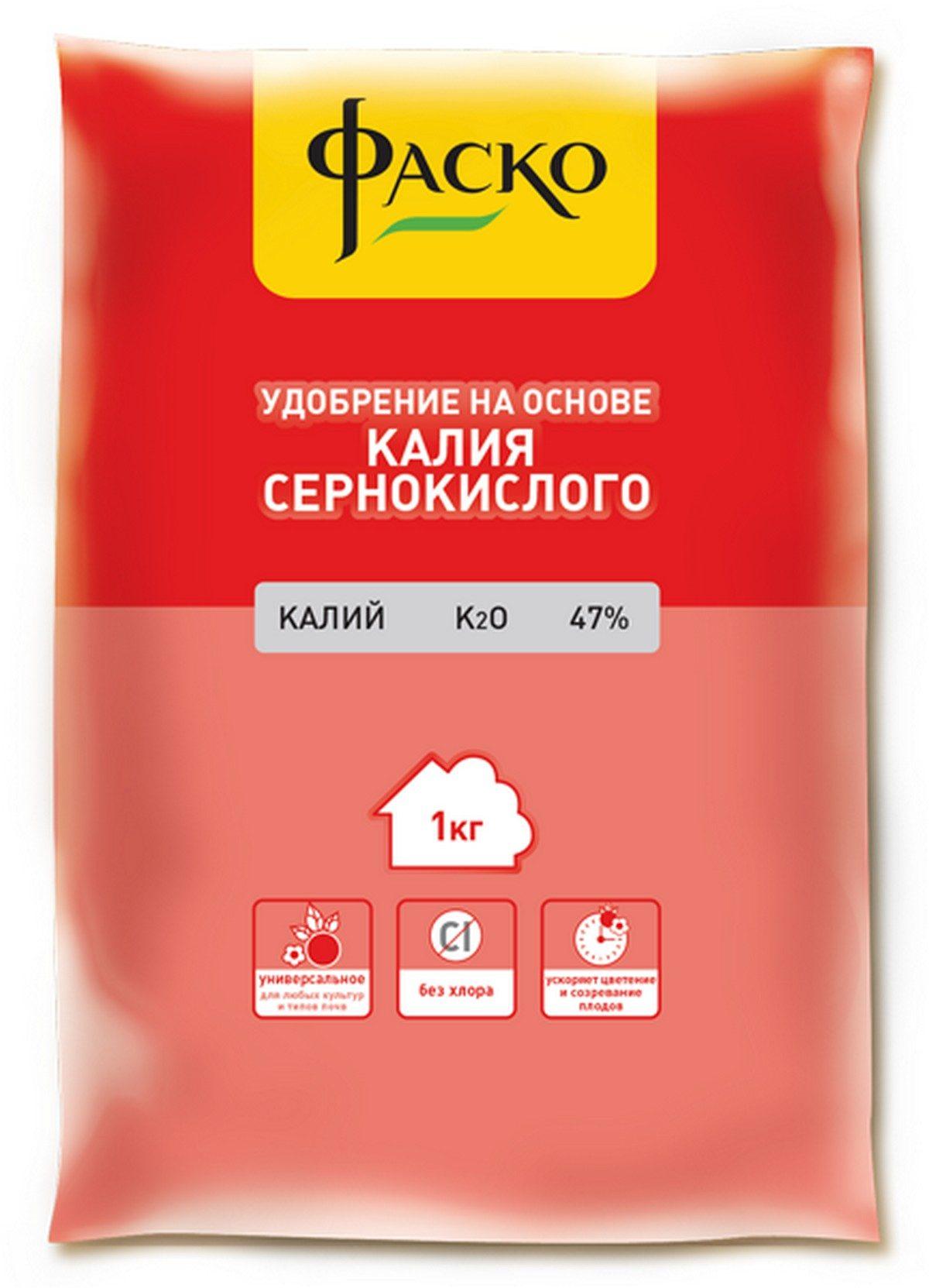
Potassium sulfate (potassium sulfate)
It contains 50% potassium and approximately 20% sulfur, which are beneficial for legumes and cruciferous plants. It is also chlorine-free. This product is beneficial for tomatoes, cucumbers, and strawberries. It can also be used for grapes, flowers, buckwheat, and other garden plants. This product is ideal for plants that are intolerant to chlorine. It is typically used in the spring in open soil and in greenhouses as a primary fertilizer.
How is it mined?
The technology for producing potash fertilizers depends on their composition and purpose:
- Potassium chloride is obtained from mineral formations using flotation. This involves crushing sylvinite and treating it with a mother liquor. During this process, the lye separates from the sediment. The reaction produces crystalline potassium chloride.
- Potassium sulfate is made by combining schenite and langbenite.
- Kalimanesia is produced by processing shenit.
- Potassium salt is a combination of potassium chloride and sylvinite. Sometimes sylvinite is replaced with kainite. However, in this case, the product contains less potassium.
- Wood ash is considered the most readily available potassium fertilizer. Gardeners use the ash left over from burning deciduous trees.
When to apply and dosage
For potassium fertilizers to be effective, they must be used correctly. In winter, they should be used to fertilize greenhouse crops, in spring, to fertilize seedlings, and in autumn, to prepare the soil for the coming season.
The amount of product applied per square meter depends on the variety. Experts recommend the following dosages:
- 20-40 grams of potassium chloride;
- 20 grams of potassium nitrate;
- 10-15 grams of potassium sulfate.
Instructions for use
The application guidelines depend on the crops being fertilized. The following plants require potassium supplements:
- Cucumbers. To grow 100 kilograms of fruit, you'll need 440 grams of potassium. Double-strength salt, which contains minimal chlorine, should be used.
- Potatoes. The plant absorbs Kalimag very well. This fertilizer promotes tuber formation and increases their number. It is recommended to add a small spoonful of the fertilizer to the holes.
- Tomatoes. To produce 100 kilograms of fruit, 500 grams of potassium fertilizer is required. Potassium magnesium sulfate is best for this purpose, as it will increase yield by 40%.
- Strawberries. Berries don't like chlorine. Therefore, it's recommended to apply fertilizer containing this substance in the fall, along with lime. This makes the strawberries sweeter and keeps them fresh longer.
- Grapes. Dry ash or a solution should be used to feed this plant. Potassium magnesium sulfate is an excellent option. A potassium deficiency causes the fruit to become sour, and the vine's frost resistance is reduced.
- Raspberry. This shrub requires nutrients during the fruiting stage. Potassium sulfate is the optimal choice. If magnesium and sulfur are deficient, potassium magnesium sulfate is recommended. To apply the fertilizer, dig a 20-centimeter-deep trench around the bush and sprinkle the fertilizer into it. A recommended application rate is 15 grams per square meter.
- Roses. Potassium deficiency impairs rose growth and causes leaves to dry out. Liquid potassium fertilizer should be applied to flowers in winter and fall. For rose gardens, potassium sulfate, potassium nitrate, and potassium magnesium sulfate should be used. Experienced gardeners recommend alternating fertilizers.
Safety precautions
When working with potassium fertilizers, it is recommended to follow standard safety precautions. Since many products contain chlorine, personal protective equipment (PPE) is required when handling them, including protective clothing, a mask, and gloves. If the solution comes into contact with the skin, the affected area should be thoroughly washed with soap and running water.
Potassium is an essential element required by all plants at different stages of growth. To ensure the desired effect, it's important to choose the right product containing it and strictly follow the instructions for use.