
- Description of fertilizer
- Composition of flour
- Product formula
- Properties of complementary foods
- What are the symptoms of phosphorus deficiency?
- Use of phosphorites
- Soil standards
- For compost
- The required amount of phosphorus and microelements
- Calcium
- Silicon
- Microelements
- Impact on crops
- Buckwheat, mustard and lupine
- Hemp, peas and sweet clover, as well as sainfoin
- Cereals, potatoes, rice, vetch and beetroot
- Flax, barley, millet, tomato, spring wheat and turnip
- Growing in specific soil types
- Acidic soil
- Improving soil condition
- Features of application
- Use cases
- Dosage of complementary foods
- What should not be added
- Precautionary measures
- Distinctive features of flour from superphosphates
- Alternative replacement
Today, scientists have developed a wide variety of fertilizers. Among them, phosphate fertilizer (flour) stands out, significantly accelerating the growth and development of crops. However, there are a number of specific aspects to using this fertilizer that should be carefully considered by novice gardeners who are new to fertilizer.
Description of fertilizer
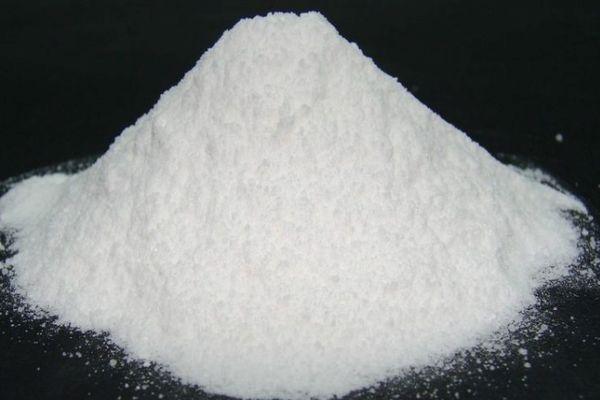
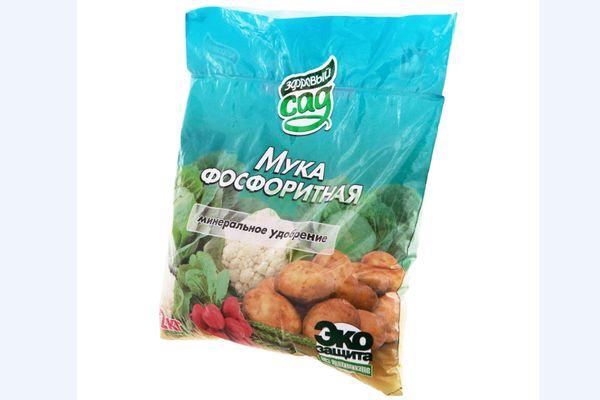
Here we are talking about natural mineral version of fertilizerThe flour components have a characteristic gray or brown tint. The loose powder is easy to use. This composition is naturally extracted from soil where certain products and substances have entered the secondary stage of decomposition.
Composition of flour
This natural product contains a number of useful substances and components:
- Phosphorus oxide (present in the composition from 19 to 30 percent).
- Calcium (the fertilizer contains about 30 percent of the component).
- Magnesium (the supplement contains about two percent of the component).
- Silicon (usually 18 percent of this element is found in phosphate flour).
Additionally, this composition for fertilizing vegetation contains a number of useful microelements.
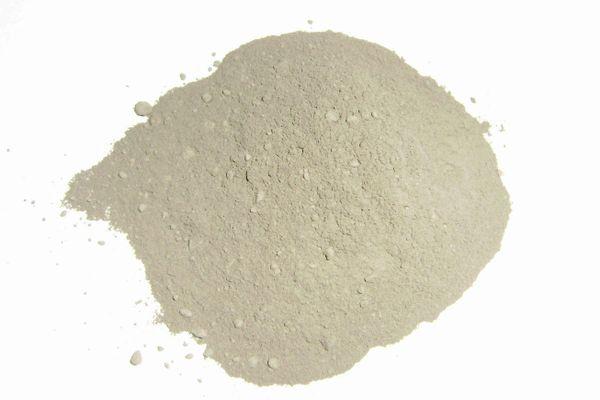 Depending on needs, the composition of phosphorus flour may contain additional components that have a beneficial effect on one or another factor in crop cultivation.
Product formula
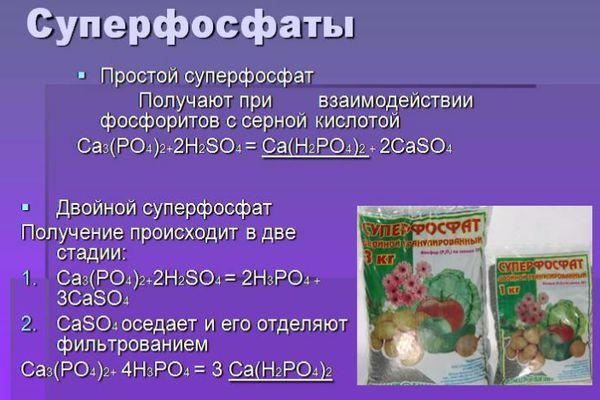
This fertilizer is composed primarily of phosphorus and a slightly soluble calcium salt. In theory, the chemical formula is Ca3(PO4)2. The reaction that produces the main component of phosphate rock is as follows:
- 3CaCO3+ 2H3PO4= Ca3(PO4)2+ 3CO2↑ + 3H2
Another formula for producing the component can also be used:
- 3Ca(OH)2+ 2H3PO4= Ca3(PO4)2+ 6H2
Based on the extraction formulas, it can be concluded that this substance is difficult for plants to absorb, which allows for the transfer of beneficial substances to growing crops over a long period of time.

Properties of complementary foods
Phosphorus flour has the following beneficial properties:
- improved root system formation;
- stimulation of increase in the number of bushes;
- increased plant growth rates;
- improved resistance to low temperatures;
- increased fruiting of crops.
Despite its many positive qualities, this type of complementary food can cause moisture retention, which is unfavorable for a number of vegetables and fruits.
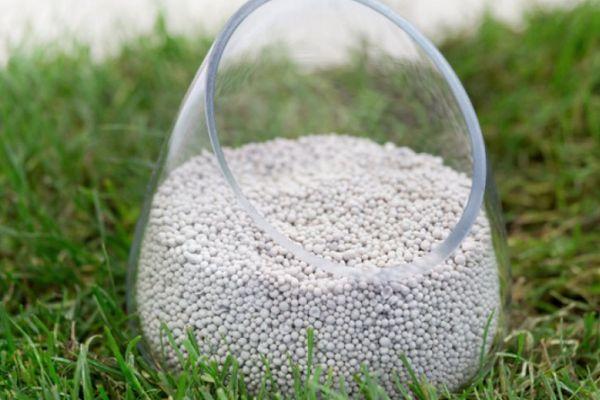
When applying fertilizer, it is recommended to take into account the fact that the fertilizer has a long period of action, which is why it is used once every 5 years.
What are the symptoms of phosphorus deficiency?
Phosphorus deficiency manifests itself through a wide range of symptoms. Typically, the most prominent symptoms include the following:
- plant leaves quickly dry out and turn black;
- the flowering period is greatly extended;
- late ripening of agricultural crops is revealed;
- the agricultural crop stops growing;
- the root system is poorly developed.
If these symptoms are present, then most likely it is necessary to apply fertilizer.
Each individual vegetable or fruit, along with the main symptoms of phosphorus deficiency, may also exhibit other changes.
Use of phosphorites
When using this type of plant food, it is possible to achieve the following effects:
- Vegetation receives the necessary levels of nutrients.
- The soil regularly contains the required acidity level.
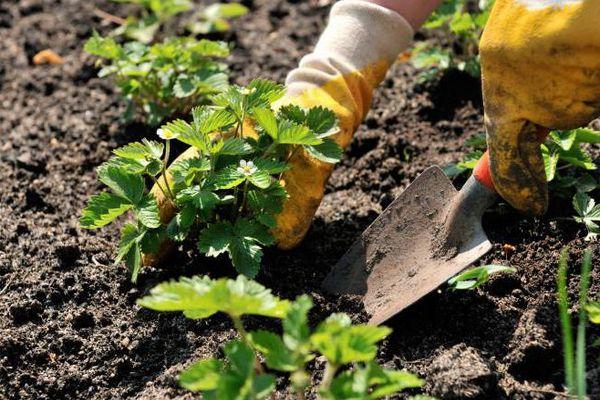
Phosphorus flour can be used as a feed for all cereal crops, as well as fruit-bearing plants.
Soil standards
Fertilizer application in the fall is most beneficial for the soil. Apply the nutrient mixture at an average rate of 250 grams per square meter of soil. To achieve maximum benefit, spread the mixture evenly and then till the soil to a depth of 15 centimeters.
For compost
This supplement is often mixed with fertilizers, thereby increasing their benefits. The mixture is often mixed with compost. The usual addition rates are as follows: 20 kilograms of phosphate rock are used per ton of fertilizer. This requires the use of immature compost.
If you use ready-made fertilizer, it will be enough to take no more than three kilograms of phosphorus powder.
The required amount of phosphorus and microelements
Plants require a number of substances for good growth and development:
- calcium;
- silicon;
- microelements.
All these substances gradually disappear from the soil, requiring their gradual replenishment. Phosphorus powder is used for this purpose.
Calcium
This substance directly affects plant growth and development. A calcium deficiency reduces fertility. A deficiency can also have a detrimental effect on the taste of fruits (due to a lack of rich flavor and juiciness during ripening).
Silicon
This element improves crop nutrition by absorbing nutrients from the soil. Silicon's properties allow it to break down nutrients, improving their absorption by plants. With sufficient silicon, crops become stronger and better able to withstand gusts of wind.
Microelements
When pests are present, soil suffers from micronutrient deficiencies. Phosphate flour helps combat this by repelling pests and insects and preserving the soil's nutritional value. Providing high-quality nutrition to the crop ensures resistance to diseases and pests.
Also present in phosphorus powder (despite the small amounts), magnesium promotes energy production and increases crop yields.
Impact on crops
Phosphorus flour has a beneficial effect on almost all plants, but there are a number of crops that do not absorb phosphorus well.
Buckwheat, mustard and lupine
The crops themselves are a rich source of phosphorus for the soil, which is why they quickly benefit from additional feeding. Growing these crops enriches the soil with essential micronutrients. After harvesting, the soil is enriched with nitrogen and organic matter.
Hemp, peas and sweet clover, as well as sainfoin
The crops in question are also enriched with phosphate rocks, which means their cultivation helps enrich the soil with micronutrients. These varieties are good at absorbing phosphorus, which they then convert into acids.
Cereals, potatoes, rice, vetch and beetroot
These plants absorb phosphorus powder well only in acidic soil types. The difference is that these plants absorb a small amount of calcium (an element abundant in fertilizer).
Flax, barley, millet, tomato, spring wheat and turnip
These plant varieties are poor at absorbing phosphorus. To ensure their fertility, they need to be grown in areas with soil that has an average pH level.
Growing in specific soil types
In practice, rock phosphate is used as a primary or secondary fertilizer. The choice depends on the soil type present on the site.
Acidic soil
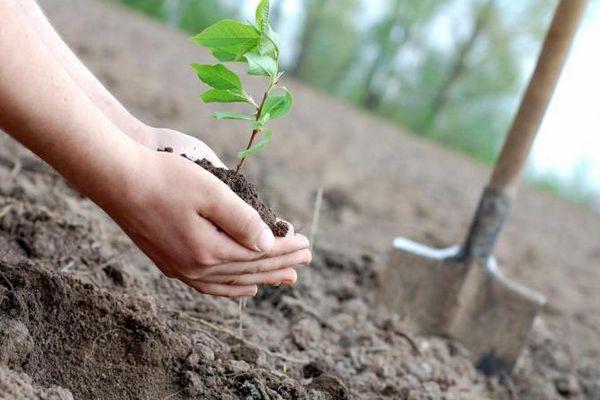
This type of soil is characterized by a deficiency of phosphorus and calcium. It requires the use of fertilizer supplements as the primary fertilizer. It is also permissible to apply phosphate rock more often than once every five years.
Improving soil condition
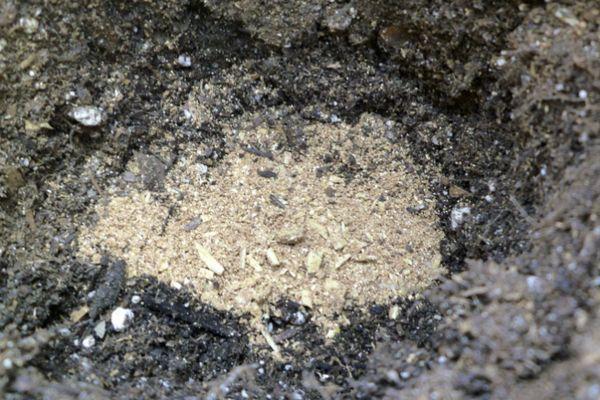
This type of supplementary feed can also be used on fertile soils as a supplementary feed. In this case, the mixture should be used no more than once every five years.
Features of application
This type of complementary feeding is characterized by a number of features that require attention:
- options for introducing complementary foods;
- the dosage of phosphate rock used;
- What should not be added to complementary foods?
Experienced gardeners have repeatedly encountered the use of phosphate flour, which is why some recommendations have been made.
Use cases
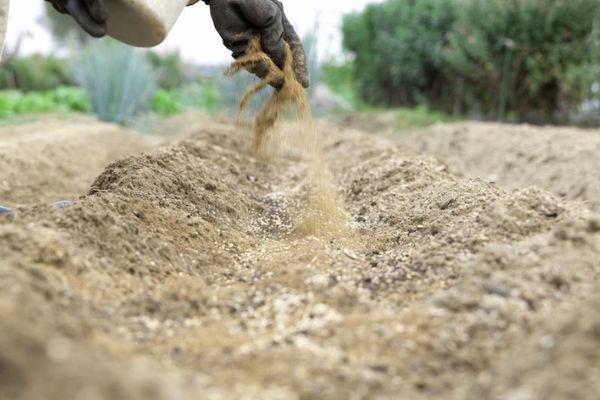
If you want to enrich the soil with microelements and nutrients, apply the mixture dry. To apply the fertilizer, dilute the powder in water and then spray it.
Dosage of complementary foods
Depending on the soil composition, the dosage is calculated:
- light mechanical composition of soil – 0.9 tons per hectare;
- heavy mechanical composition of soil – 2.3 tons per hectare.
When using the powder as additional feed, apply 20 grams of fertilizer per bucket of water.
What should not be added
The following series of substances are not allowed to be applied simultaneously with phosphorites:
- dolomite and limestone;
- chalk and ash;
- slaked lime.
If substances have already been added to the soil, then phosphorites are recommended to be used the following year.
Precautionary measures
This type of fertilizer is an environmentally friendly product; however, it is recommended to use protective equipment when applying the fertilizer, as it still contains toxins.
Distinctive features of flour from superphosphates
Unlike phosphates, this second type of fertilizer is successfully used on alkaline and neutral soils. It is not suitable for acidic soils. Superphosphates are also water-soluble and not used dry.
Alternative replacement
To replace phosphate rock, it is recommended to use the following fertilizers:
- Precipitate containing 27 to 28 percent phosphorus.
- Phosphate is a slag where phosphorus is present in a ratio of 6 to 20 percent.
Each fertilizer is selected taking into account the needs of the soil, as well as the component value and soil type.
Related posts:
 Instructions for the use of dolomite flour, its composition and consumption per 1 m2
 The use of peat as a fertilizer for potatoes and other crops and its differences from humus
 Description of varieties of sowing peas and cultivation, to which family they belong
 What fertilizers to apply to the garden and vegetable garden in the fall: instructions
 What is the best way to feed carrots? Fertilizers and preparations, using folk remedies.
 How to use and prepare manure as a fertilizer, its types and composition
 How to use ash as a fertilizer and which one is better
 How to feed and what fertilizers are best for blueberries, soil acidification