
- Description of the substance
- What physical properties does it exhibit?
- Basic chemical properties
- The main benefits and possible harm
- Where it is applied
- Is it possible to make sodium nitrate yourself?
- Terms of Use
- Are there any contraindications and expiration date?
- Safety precautions and first aid in case of poisoning
Sodium nitrate is a fertilizer characterized by pronounced alkaline properties and strong oxidizing activity. It is also known as sodium nitrate or sodium nitrate. It is often used in agriculture to improve soil structure, making it suitable for cultivating various plants. However, it is important to apply it correctly.
Description of the substance
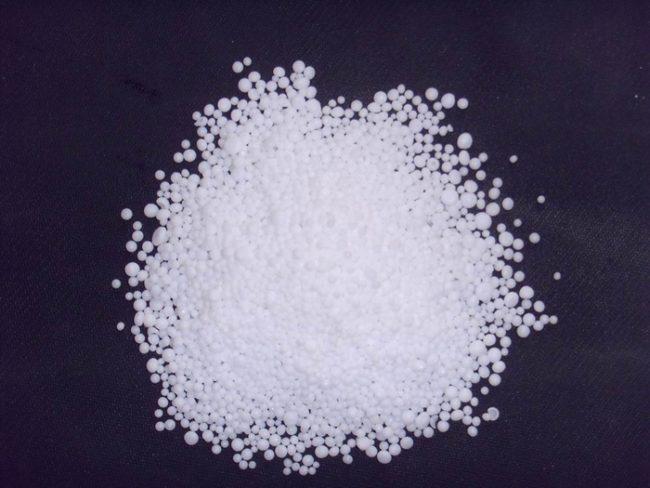
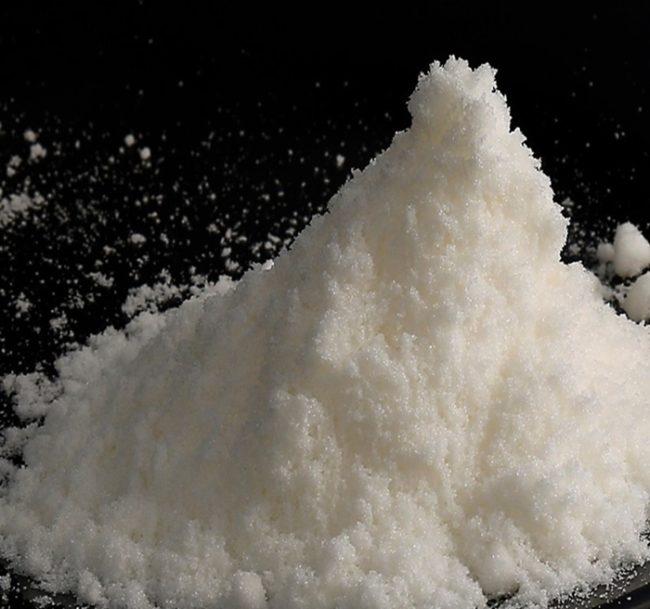
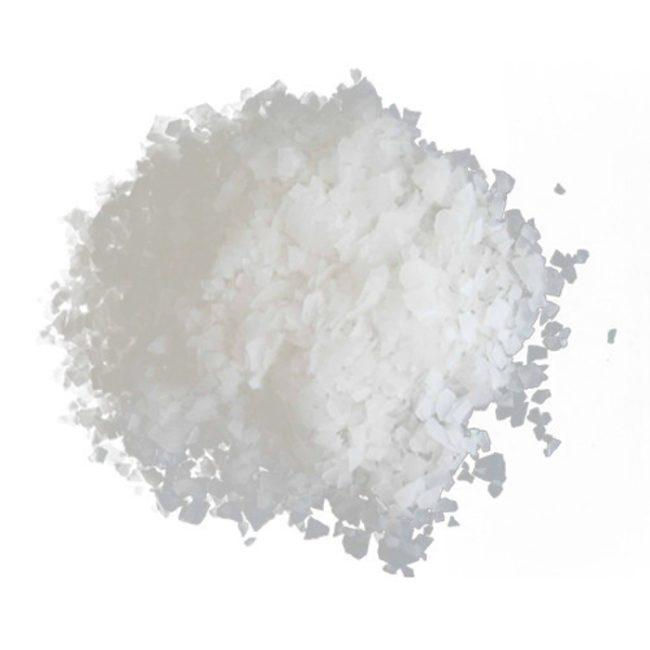
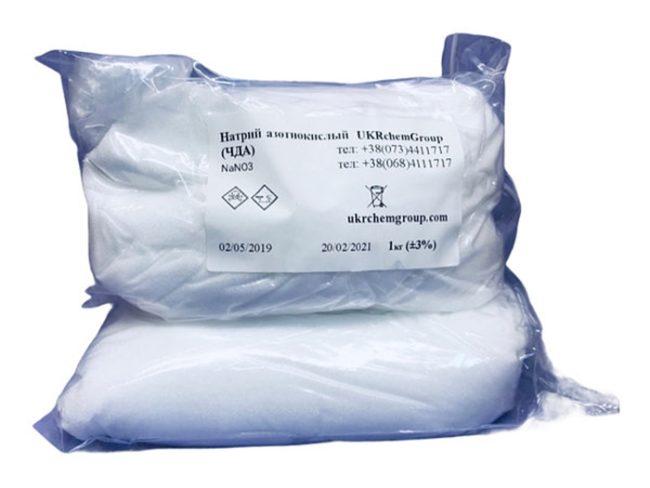
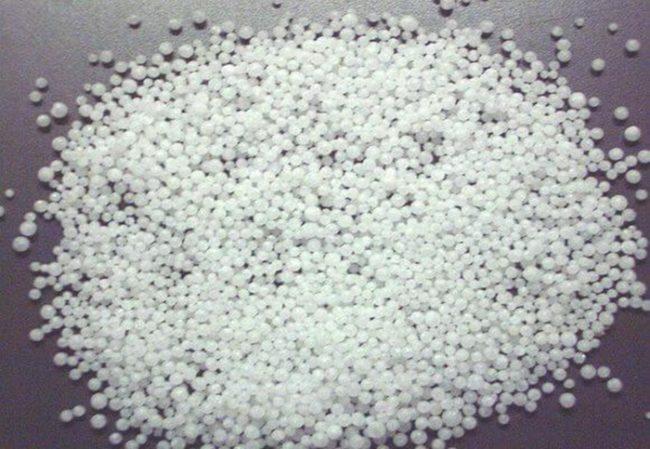
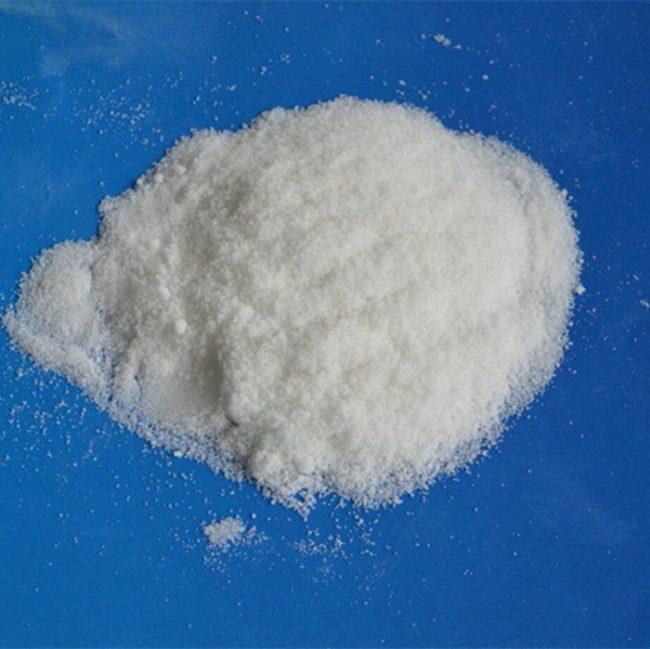
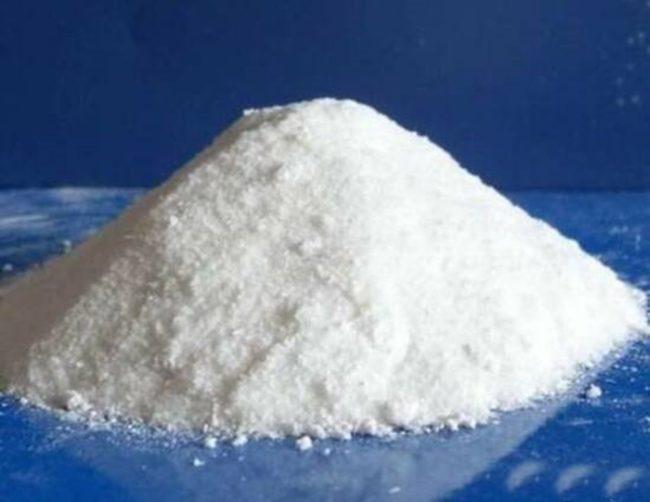
Sodium nitrate is a nitrogen-based compound. It contains 15-16% nitrogen and 26% sodium. It appears as a white salt containing small crystals. Nitrate mixes well with water. For faster dissolution, it is recommended to use warm liquid rather than cold.
What physical properties does it exhibit?
Sodium nitrate is far from the only name for this substance. Terms such as "sodium nitrate" or "sodium nitrate" are often used to describe this substance. It is also often called Chilean saltpeter.
Today, salt is typically obtained as a byproduct of the conversion of ammonia into nitric acid. The fertilizer mixes easily with ordinary water. Solubility increases with increasing temperature. At 20°C, 87.6 grams of powder dissolve in 100 milliliters of water, while at 100°C, 176 grams dissolve in 100 milliliters of water.
Basic chemical properties
The formula for sodium nitrate is NaNO3. The substance absorbs moisture from the air, causing it to compact heavily. This process causes structural changes, with small crystals transforming into larger ones. In a dry room, the salt does not compact and remains free-flowing. This is the easiest form to apply to the soil.
In the soil, sodium nitrate dissociates into the cation Na+ and the anion NO3-. The nitrate ion is absorbed exclusively biologically. This occurs in the fall and winter. However, due to the lack of biological absorption, the substance does not remain in the soil. This leads to nitrogen loss, especially in light soil types. This property precludes the use of the composition for fall application. If pre-winter application is necessary, the dosage is increased.
The main benefits and possible harm
This substance brings significant benefits to plants and soil. Its main advantages include the following:
- saturates crops with important elements – nitrogen and sodium;
- is in the nitrate form, which is most accessible to plants;
- has an alkalizing effect on the soil;
- can be used when sowing plants;
- can be used for different crops.
A drawback of the substance is its inability to be used in the fall. In this case, it is easily washed away and provides no benefit.
Where it is applied
Only a certain grade of sodium nitrate can be used in agriculture, namely, CX. Grade A is prohibited as a fertilizer additive. Its primary use is considered to be in the chemical, glass, and metalworking industries. Grade B has the properties of sodium nitrate. While these are beneficial for soil and plants, the primary use of this type of nitrate is considered to be glass clarification and metal etching.
Sodium nitrate is used relatively rarely in agriculture. This is due to the high amount of ballast and the low level of active components. Sodium nitrate is recommended for use when a deficiency of the essential element is detected in the soil. This fertilizer is best suited for the following plants:
- bulbous crops - these include onions, garlic, ornamental plants;
- carrots, beets, rhubarb, rutabaga;
- leaf and head lettuce, celery, spinach;
- peppers, eggplants, tomatoes, potatoes.
To ensure the substance delivers true benefits, you must strictly follow the instructions and perform a nitrate test.
When using this composition, it's important to keep in mind that it is a strong oxidizing agent. Therefore, it should not be combined with certain medications.
Is it possible to make sodium nitrate yourself?
To make the drug yourself, it is recommended to take the following components:
- baking soda or washing soda;
- hot water;
- ammonium nitrate;
- metal container.
To prepare the fertilizer, you should do the following:
- Combine baking soda and ammonium nitrate in a 1:2 ratio. Be sure to use personal protective equipment.
- Add hot water until the mixture is covered. This should result in a reaction, with gas bubbles escaping and a gradual decrease in temperature.
- Heat the mixture in a steam bath until the reaction is complete. This will take 2 hours.
- Strain and evaporate the liquid.
Avoid preparing the solution indoors. Ammonium nitrate vapors are difficult to dissipate and can settle on interior items. This can result in chronic poisoning. It is recommended to prepare the mixture outdoors. It is important to periodically move away from the boiling mixture.
Terms of Use
Sodium nitrate can be applied to any plant. The only exceptions are those crops that do not require large amounts of sodium as a nutrient. The dosage depends on the amount of nitrogen in the soil, the weather, the climate, and the plant variety.
The rate of sodium nitrate per square meter must be calculated individually in each specific case:
- root vegetables require 50 grams of the substance;
- 40 grams of the product should be added under vegetables;
- Flower crops require 35-40 grams of fertilizer.
When using sodium nitrate in private gardens, it should be applied during tillage in the fall at a rate of 1-2 kilograms per 100 square meters. In the spring, 500 grams of the substance per 100 square meters is recommended.
For shrubs, 60 grams of the product is required per hole. The powder can also be distributed around the tree trunks. In this case, 15-30 grams of the product is recommended per square meter. The maximum dosage for a mature tree is 250 grams.
Are there any contraindications and expiration date?
Sodium nitrate should not be used in salt marshes or saline soils. In this case, it is recommended to choose another product with similar properties. When used in combination, it should not be combined with compost or phosphorus- and potassium-based products. It is also prohibited for use on heifers.

Sodium nitrate has an unlimited shelf life. It should only be stored in its original, moisture-proof packaging. Do not store it near organic fertilizers, food products, or household products. Furthermore, keep the substance out of the reach of children and pets.
Heating the fertilizer poses a risk of explosion or fire. Therefore, the product must be isolated from flammable materials and sealed tightly. Bags containing the powder must be stored on pallets.
Safety precautions and first aid in case of poisoning
If sodium nitrate comes into contact with your skin, there is a risk of irritation. To avoid this, wear rubber gloves when handling the substance. It is recommended to wash your hands thoroughly after handling.
Wearing safety goggles and a respirator is essential. Sodium nitrate is harmful to humans and can pose a serious risk if inhaled or comes into contact with mucous membranes. The dust is an irritant and can cause burns.
When poisoned by sodium nitrate, the following symptoms appear:
- nausea;
- salty taste in the mouth;
- weakness;
- pain in the liver and back of the head;
- cyanosis.
If these symptoms occur, seek medical attention immediately. First aid should be given to the victim by moving them to fresh air and changing their clothes. Thoroughly flushing the skin and eyes with cold water is recommended. If the substance has been ingested, gastric lavage is necessary. To do this, take 6-7 tablets of activated charcoal with water. After 20 minutes, inducing vomiting is recommended.
Sodium nitrate is an effective nitrogen fertilizer used for all plants. It can also be used to alkalize soil. To ensure the desired effect, it is important to follow the instructions for use.