
- Advantages and disadvantages of manure as a fertilizer
- Peculiarities
- Dry
- Fresh
- Liquid
- Granulated
- Types of manure
- Horse
- Bovine
- Chicken
- Rabbit
- Elk
- Pigeon
- Pork
- Goat
- Sheep
- Quail
- Duck
- Which manure is better?
- How to apply
- Use in the garden
- For the greenhouse
- Making your own fertilizer
- Basic rules of use
- Features of use for potatoes
- How to store fertilizer?
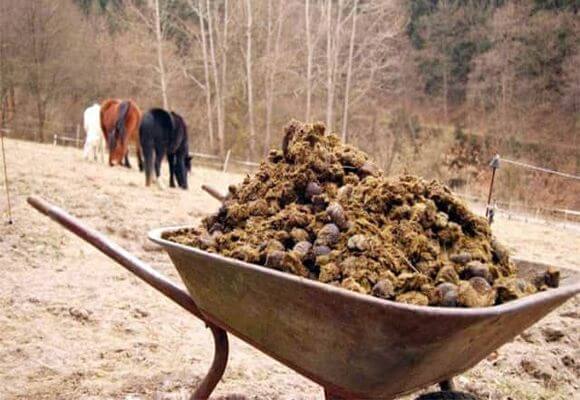
Using manure as an organic fertilizer helps enrich the soil with nutrients. This type of fertilizer is popular for large plots of land. However, organic matter is not always beneficial for plants, so it's important to follow application guidelines.
Advantages and disadvantages of manure as a fertilizer
Animal excrement is often used as a fertilizer for crops. The beneficial effects of manure are due to the presence of microorganisms that influence the soil microflora and promote soil fertility. Each type of manure has its own advantages and disadvantages, which must be considered when using them.
Advantages:
- Manure contains a large amount of nutrients necessary for the normal development of crops.
- Manure has a gradual effect on plants. The excrement particles decompose gradually, resulting in a long-lasting effect.
- Using manure changes the soil structure. Adding organic matter to clay soil helps achieve a loose texture.
- Manure is a universal type of fertilizer, suitable for any type of vegetation.
- Does not contain chemical compounds.
- Promotes the release of carbon dioxide, which saturates the roots of plants.
- Organic ingredients are available.
Despite the many positive aspects, manure has some disadvantages:
- a large amount of the substance oxidizes the soil;
- Before using manure, it is necessary to prepare the nutrient mass;
- Suitable only for summer cottages; use in urban areas may cause discomfort;
- it is difficult to calculate the exact rate of fertilizer;
- if applied in large quantities, it can cause burns on the roots;
- may lead to pest infestation;
- The use of organic fertilizers can cause a decrease in plant immunity to diseases.
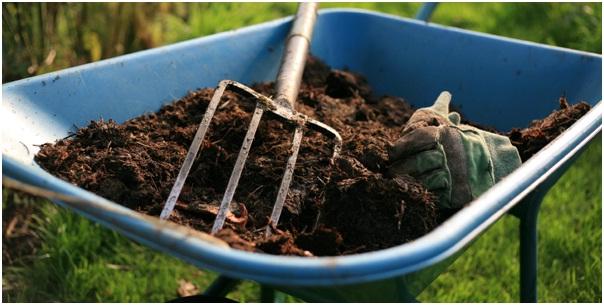
In areas where gardeners keep domestic animals, this type of fertilizer is frequently used and available.
Peculiarities
There are several types of manure, which must be taken into account when using the substance to fertilize garden beds.
Dry
This type of substance is obtained by mixing manure with animal bedding. This mixture is moisture-free and requires preparation before use. Dry manure can be of several types:
- Manure that has not yet rotted. This mass has a heterogeneous structure. It is used as an autumn soil fertilizer for the coming season.
- Composted excrement—bedding mixed with animal waste—is typically already broken down into particles. This material typically loses 50% of its total organic matter. It can be used directly as a plant fertilizer using the root method.
- Humus is a type of organic matter that resembles decomposed manure. This type of organic matter is most often used to mix nutrient-rich soils before planting in open ground.
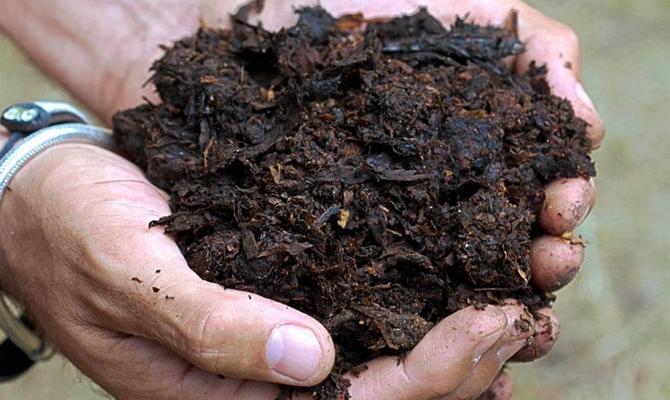
The last type of organic matter is often used in agriculture, since there is no risk of damaging the root system of plants.
Fresh
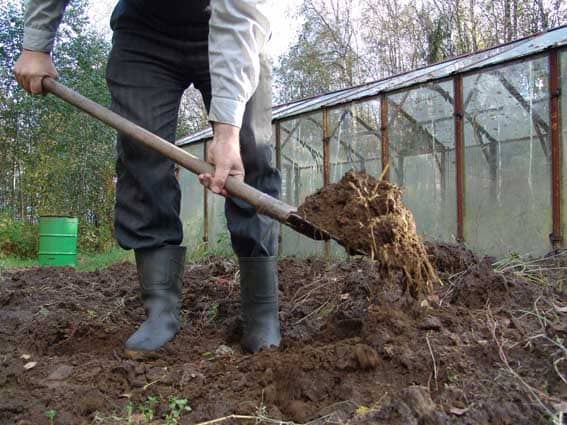
This type of organic matter is animal excrement, which is used as a fall soil fertilizer. The organic matter is concentrated, so it is used in small quantities. The manure is spread over the land and dug in.
Liquid
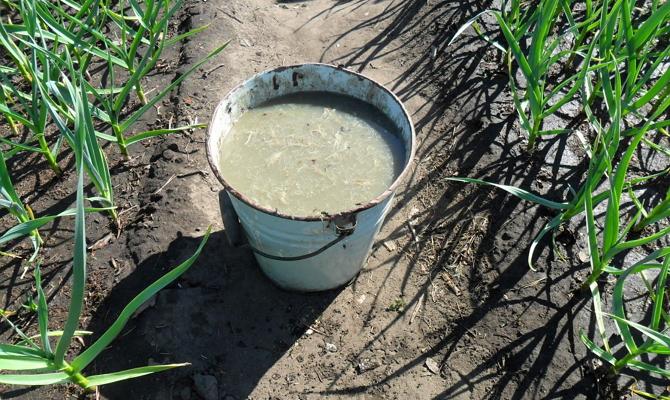
This type requires preliminary preparation. For this, fresh excrement is soaked in water and left to infuse for several days. This type of fertilizer is used only when absolutely necessary. The solution is not applied directly to the roots, but is distributed throughout the root zone.
Granulated
This type of organic fertilizer comes in the form of granules; the substance is specially prepared and pressed. It is made from dry manure, which is added to the soil as needed. To obtain the fertilizer, special additives such as straw or sawdust are added. This fertilizer is sold in special packaging that, when properly stored, can retain its beneficial properties for 5-6 years.
Types of manure
Depending on whose excrement is used as fertilizer, manure is divided into types.
Horse
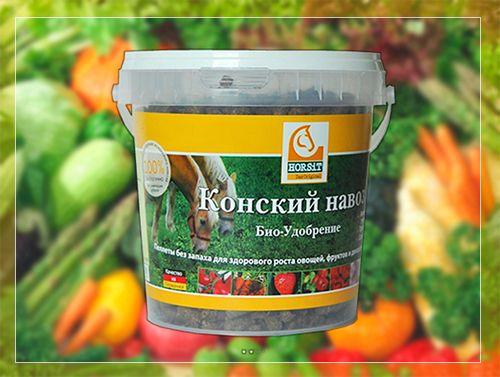
Horse manure has a loose structure and decomposes quickly at high temperatures. When used, it changes the structure of the soil, making it more porous and loose. Horse excrement also heats up, making it suitable for use in greenhouses and hotbeds.
Bovine
This type of organic fertilizer has a medium decomposition period. The manure is dense and decomposes at a temperature of 15 degrees Celsius. When used in its pure form, it tends to increase soil acidity, so adding a small amount of lime before use is recommended. Using cow manure produces results that last for 3-4 years after application.
Chicken
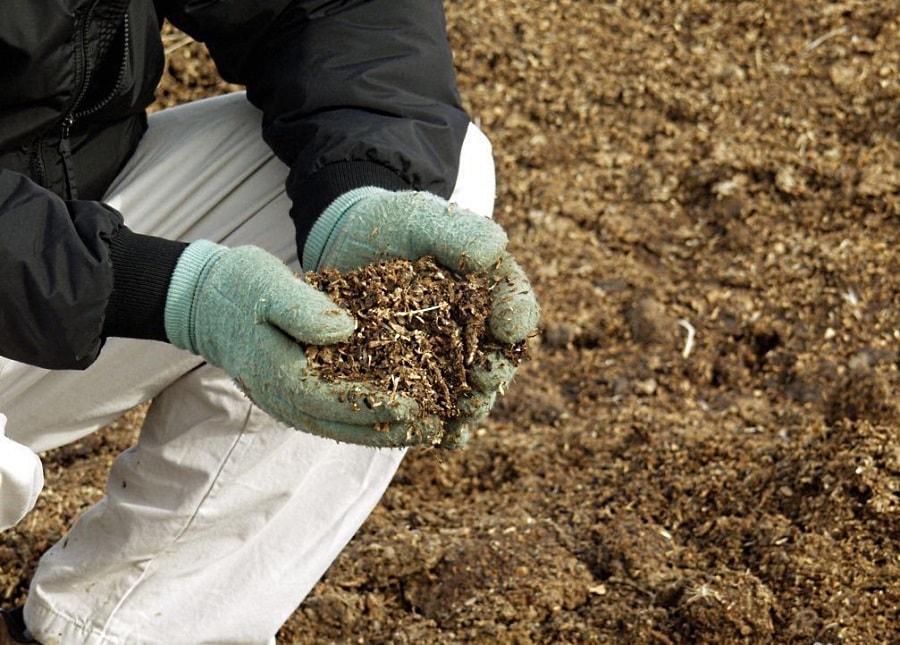
Manure contains beneficial components such as nitrogen, potassium, and phosphorus. These components are essential for the normal development of vegetation.
However, it is important to take into account that these types of microelements accumulate in large quantities in the droppings, therefore, before use, the mass is diluted in equal proportions with water.
Rabbit
This type of excrement is used to loosen the soil and reduce acidity. The particles are solid and decompose very slowly. They contain a large amount of nutrients and can restore even the most depleted soil.
Elk
This type of organic fertilizer is often used to feed indoor plants. Manure has a soft texture and is odorless, making it ideal for indoor use.
In terms of nutritional content, moose excrement is in no way inferior to other organic fertilizers and is widely used in granulated form.
Pigeon
The advantage of pigeon manure is its high nitrogen content. It is used as a fertilizer solution. However, a disadvantage of this fertilizer is the collection period, which can be up to three years.
Pork
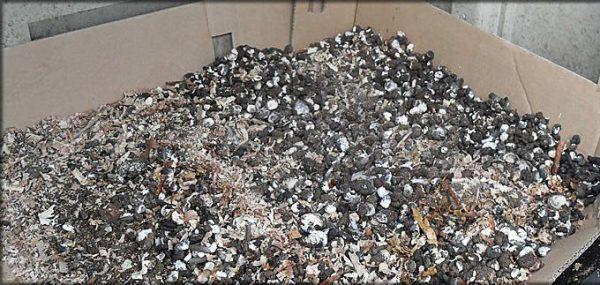
Manure is not used in its pure form because it contains a high amount of acids; lime must be added before preparing the solution. It is used very rarely, as it can be a source of disease and weed infestation.
Goat
This type of organic fertilizer should be used in small doses, as large accumulations of sheep manure can cause root burn. It takes a long time to decompose, and after application to open soil, it remains effective for four years.
Sheep
Not for use fresh. For best results, it is recommended to mix it with bird droppings and dilute it with water. It is used to loosen clay soils; the nutrients remain active for at least three years.
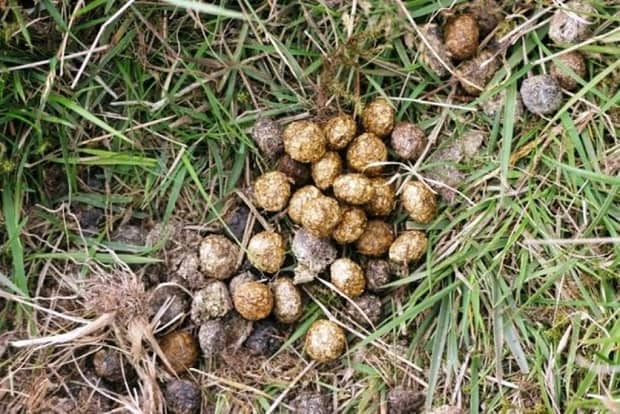 Important: To further oxygenate organic fertilizers, vermicomposting is recommended. This involves adding earthworms to the compost to speed up the decomposition process.
Quail
Quail droppings are valuable for gardeners. The manure contains a large number of beneficial components that are quickly absorbed by the roots. Other advantages of quail droppings include their light texture and the beneficial components' effectiveness lasting up to three years.
Duck
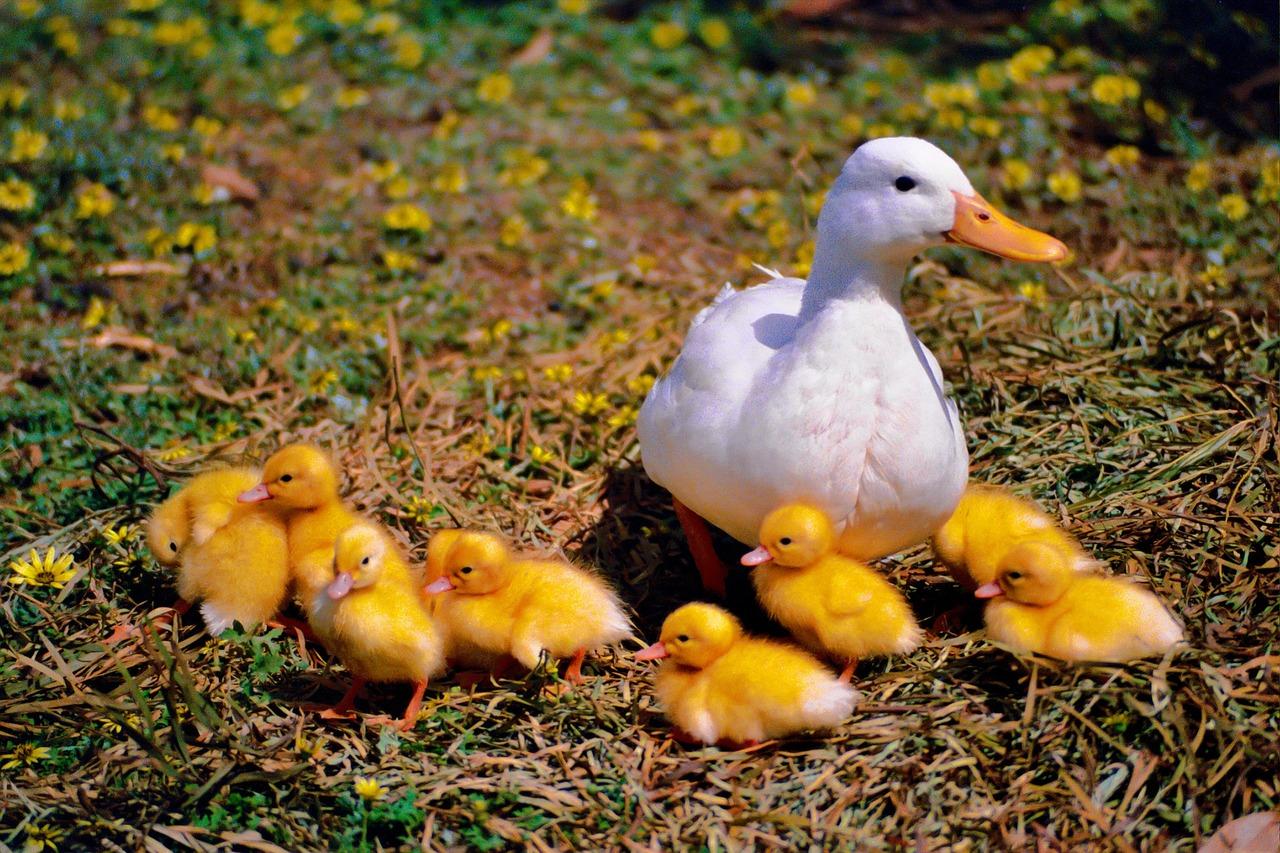
This type of organic fertilizer is the gentlest and most easily adaptable to all types of soil. It can be used in conjunction with chicken manure. To use, dilute the manure with water in equal proportions and let it steep.
Which manure is better?
It's impossible to say with certainty which manure is best for fertilizing a plot. Each type of animal excrement has its own advantages. Cow and horse manure stand out in terms of nutritional properties. These organic components are suitable for all types of vegetation.
Humus from these organic substances is very often used as the main component of nutrient mixtures during planting of crops.
Bird droppings are also considered to be frequently used and help to enrich the soil with all the necessary components required by plants.
How to apply
It's important to remember that manure is an organic material that, if used improperly, can negatively impact plant health. Proper application ensures the soil is enriched with all the nutrients and prolongs the fertilizer's effectiveness for several years.
Use in the garden
To obtain fertilizer for your garden, you must follow these recommendations:
- Pure organic matter should only be used in the fall. This allows animal excrement to decompose over the winter and reduce the concentration of beneficial components.
- It is recommended to prepare solutions from fresh manure, which are used only after the plant has become stronger.
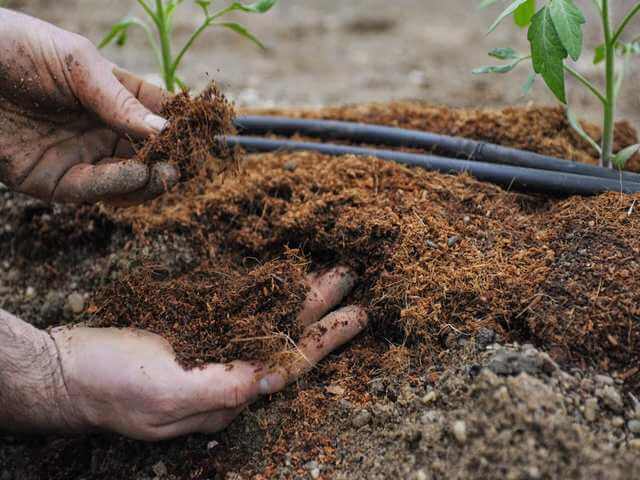 All types of organic fertilizers can be used for open ground.
For the greenhouse
In order to use manure as fertilizer, you need to use the following methods:
- Place a layer of manure below the soil level, out of reach of the roots. This way, with regular watering, the necessary amount of nutrients will be delivered to the soil without affecting plant growth.
- Using compost is a common fertilizing method among gardeners. Greenhouse compost is mixed with black soil to create a nutrient-rich mixture.
The use of organic matter in a greenhouse is a necessary condition for obtaining planting material.
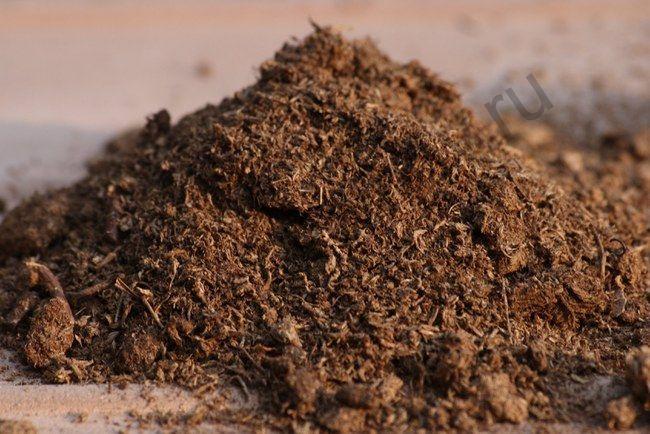
Making your own fertilizer
To prepare fertilizer from animal excrement, follow these steps:
- dig a wooden box into the soil;
- lay a layer of manure and peat;
- leave it closed for six months.
If compost is needed, the compost pit is closed for several years. Alternatively, you can prepare an infusion from fresh manure. To do this, mix the manure with water in equal parts. The resulting slurry is left in a dark place for several days. Then, mix it with water in a ratio of 1:10 and water the plants using the root system.
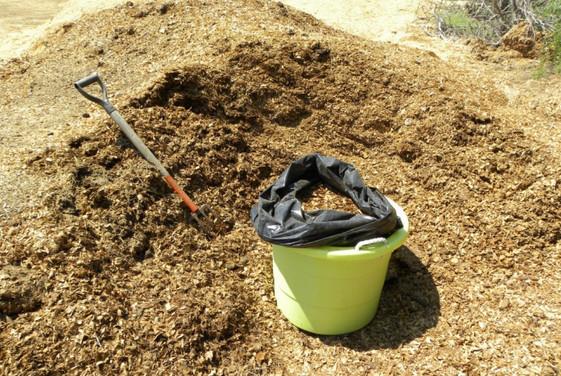
Basic rules of use
Fertilizing with organic fertilizers requires adherence to certain rules:
- do not use in large quantities;
- Do not use in pure form for young plants;
- use only rotted manure;
- To increase the rotting period, it is recommended to add straw or sawdust to organic fertilizers;
- After adding organic matter to the soil, it is necessary to thoroughly dig up the land.
Organic matter should be added in small doses, taking into account the fertility of the soil.
Features of use for potatoes
The following methods of manure application can be used to obtain a harvest:
- Applying compost to the area where potatoes will be planted in the fall will increase the yield and improve the taste.
- Using infusions to soak the soil. Recommended for use before the bushes begin to flower. Dilute the manure with water at a ratio of 1:10 and water.
- Compost should be used in early spring, before the potatoes are planted. To do this, spread the compost evenly over the area and dig it in thoroughly. Leave it for 2-3 weeks.
Using fresh manure as a fertilizer for potatoes is not recommended. It can burn the tubers and lead to the death of the crop.
 Important: Using organic fertilizers can promote potato diseases and pests, such as mole crickets. These problems often arise when using fertilizers from a compost bin.
How to store fertilizer?
Storing fertilizer at home is easy. You need a container that seals tightly and prevents liquid from entering the container. Place this container as far away from living spaces as possible, as the decomposing organic matter can cause an unpleasant odor.
If you store humus, you can place the mixture on compacted soil and cover it with spruce branches on top.
Prepared slurry should be stored for no more than 6 months; slurry should not be stored during the winter, as it loses its beneficial components after freezing.
Manure is a popular soil fertilizer. Organic matter contains all the necessary minerals and components for healthy plant development over several years. Proper use of organic matter allows for a productive harvest and enriches the soil for years to come. However, it's important to note that manure alone is sometimes insufficient; it's necessary to use mineral fertilizers, which are approved for use at all stages of plant development.
Related posts:
 Description of varieties of sowing peas and cultivation, to which family they belong
 How to properly plant peas in a greenhouse and open ground
 What kind of manure is best for cucumbers? Fertilizing with cow manure and other types
 How to propagate and grow peas, cultivation technology, and care in open ground
 How to feed and what fertilizers are best for blueberries, soil acidification
 How to plant grapes step by step, with a description of the process and care
 The use of peat as a fertilizer for potatoes and other crops and its differences from humus
 How to grow ginger in the open ground at your dacha, planting and care