
- Main components and dosage form
- How it works and what it is used for
- Pros and cons
- How to use correctly
- For tomatoes
- For fruit trees
- For cucumbers
- For flower crops
- For currants, raspberries and grapes
- For sunflower
- For strawberries and wild strawberries
- For lawns
- For sugar beets
- For cabbage
- For potatoes
- For carrots
- For seedlings
- For grain crops
- Safety precautions
- How and how long to store
- Analogues
"Siliplant" is one of the few fertilizers whose active ingredient is silicon. This component is included in combined mineral fertilizers, although it is crucial at various stages of the growing season. The product can be used both industrially and at home. It should be applied at the dosage specified in the instructions. However, this dosage varies depending on the application.
Main components and dosage form
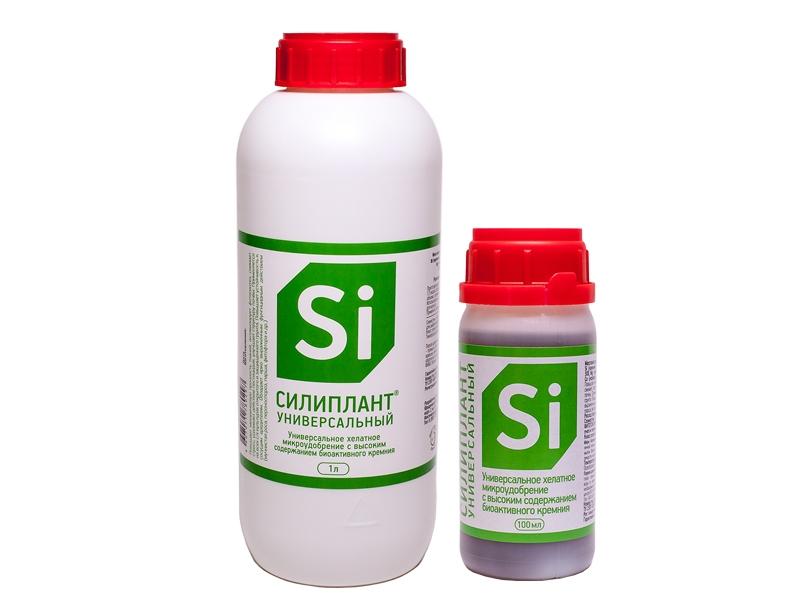
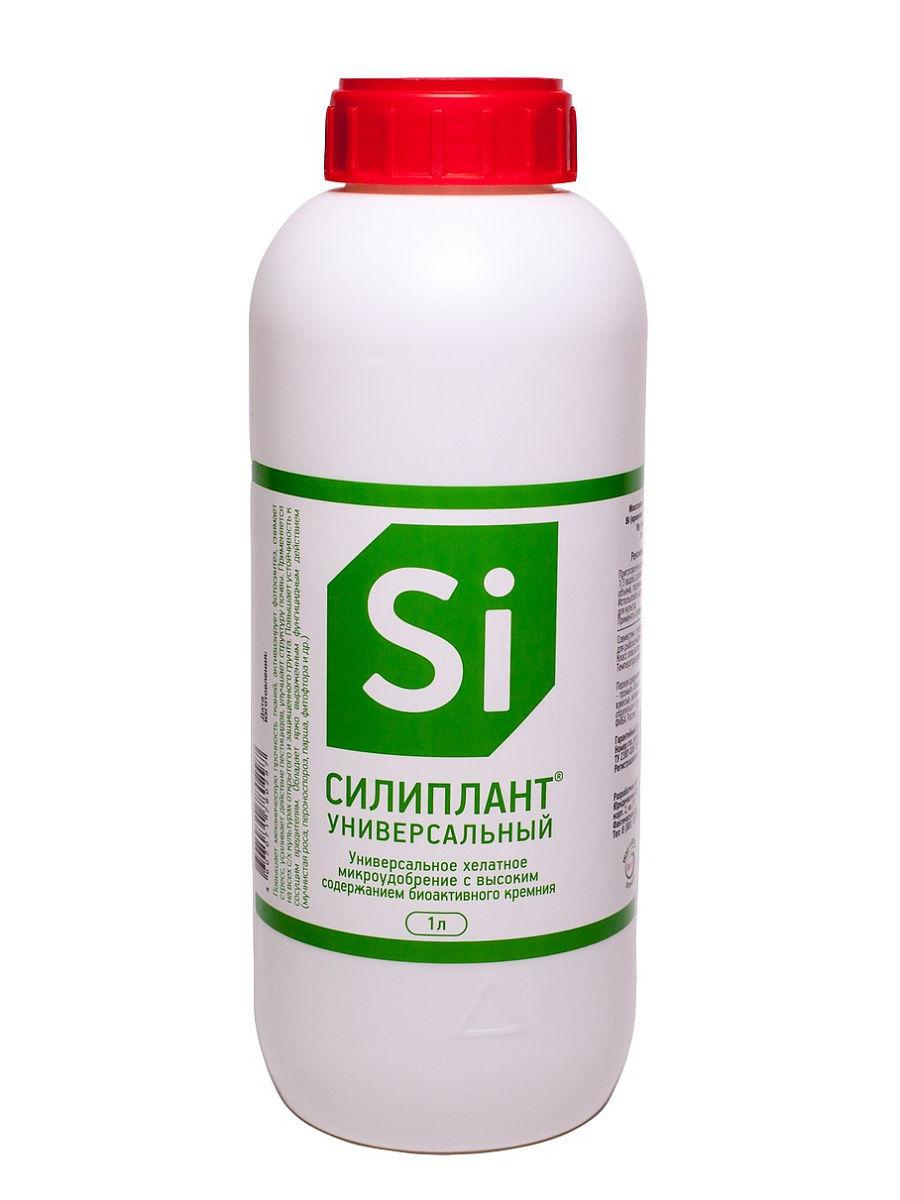
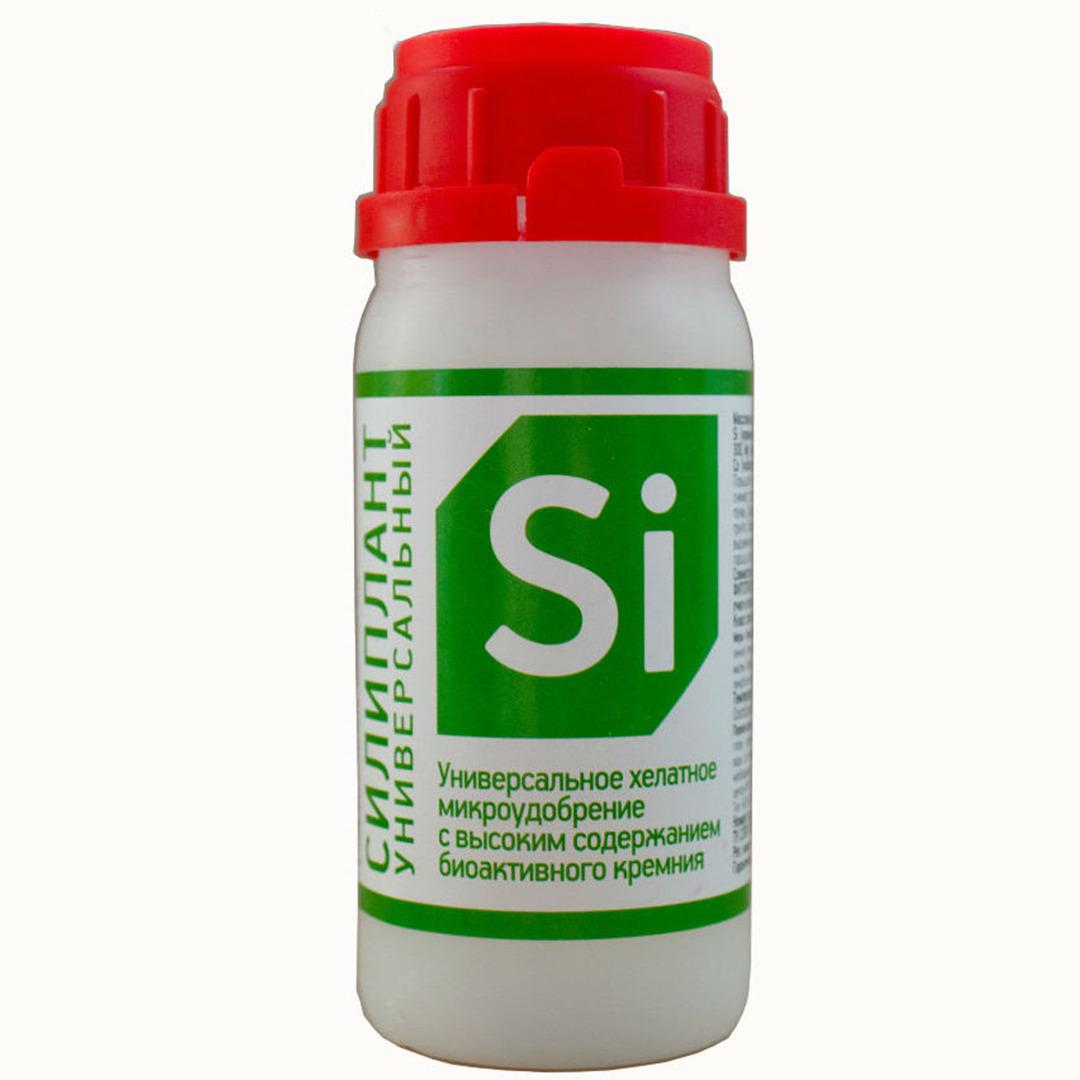
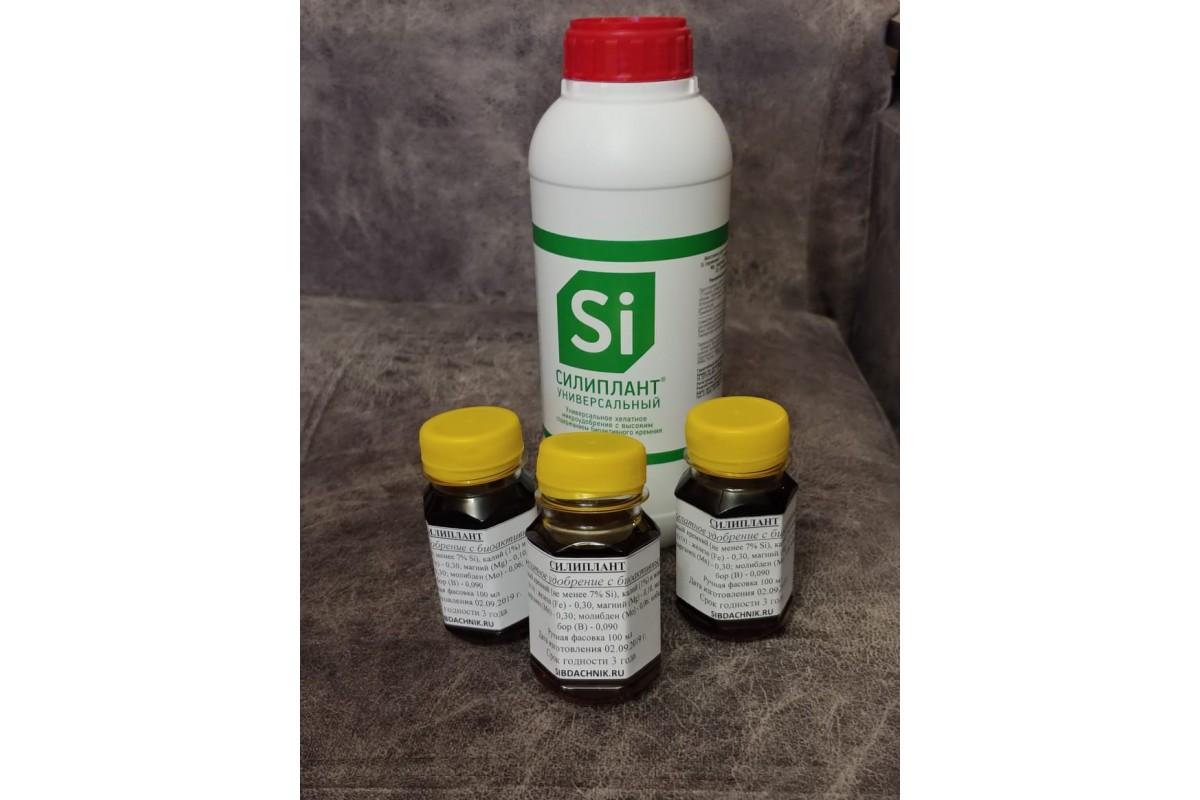
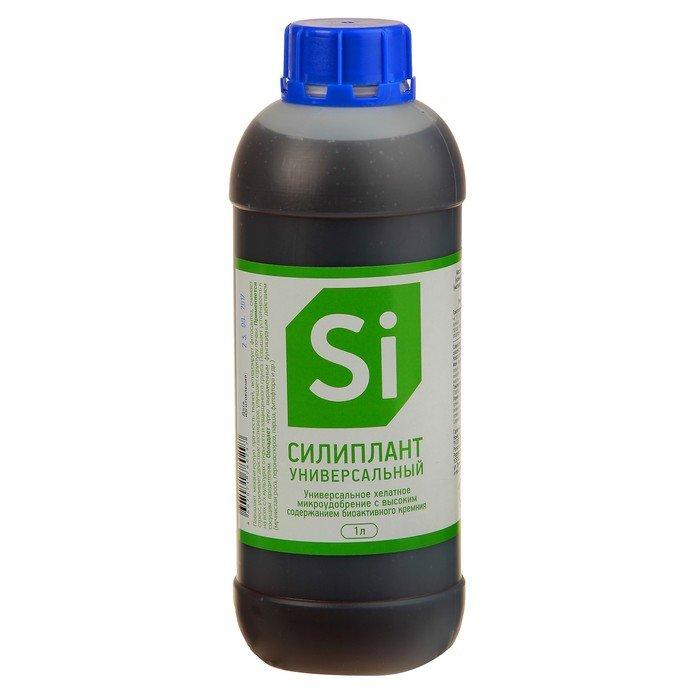
This unique product is manufactured by NEST-M. It is produced in liquid form, designed for making aqueous solutions. It is available in 100 milliliter and 1 liter bottles.
This versatile product is suitable for a wide range of crops. It contains 7% silicon. It also includes 1% potassium and other chelated elements. One liter of fertilizer contains the following:
- 300 grams of iron;
- 100 grams of magnesium;
- 70-240 grams of copper;
- 80 grams of zinc;
- 150 grams of manganese;
- 15 grams of cobalt;
- 90 grams of boron.
How it works and what it is used for
Siliplant is used to treat seeds and seedlings before planting. It can also be used as a fertilizer during the growing season. This fertilizer helps replenish silicon reserves in the soil, stimulates the development of green parts and roots, and improves photosynthesis.
Furthermore, the composition strengthens cell walls, increasing resistance to parasites, fungi, and pathogens. It helps plants recover more quickly from stressful events, such as temperature fluctuations or soil salinity. It also enhances the effectiveness of other products used by agronomists. It adheres firmly to leaf surfaces and quickly penetrates crops.
This composition promotes root and foliar development. It forms a film on the surface of crops. This prevents spore germination and disrupts the nutritional status of pests. The product improves the uptake of potassium and phosphorus compounds from the soil, helping to minimize the need for fertilizers.
Fruits from plants fed with Siliplant store well. The formula improves the taste and increases the sugar content of fruits and vegetables. It also activates humus formation and increases the levels of beneficial bacteria in the soil.
Pros and cons
The main advantages of Siliplant include the following:
- increasing the application rate of various fertilizers;
- elimination of the toxic effects of heavy metals;
- application for processing all plants;
- regulation of the amount of silicon in the soil;
- can be used to prepare perennials for wintering;
- economical consumption.
The product has minimal drawbacks. The main drawback of Siliplant is that it does not contain essential nutritional components. Therefore, it must be combined with other medications.
How to use correctly
Using Siliplant has its own specific features. When choosing a fertilizing schedule, consider the type of crop you plan to use it on.
For tomatoes
Applying fertilizer to tomatoes promotes active biomass growth, increases fruit set, and reduces susceptibility to disease. 0.8-1.2 liters of concentrated fertilizer are required per hectare of beds. Plants should be sprayed at two-week intervals.
For fruit trees
Treating fruit trees with Siliplant improves fruit set and preserves fruit ovaries. It's best to apply the product during the budding and active fruit growth stages. For pome fruits, apply 2-3.6 liters per hectare, and for stone fruits, 2.5-3.0 liters per hectare.
For cucumbers
It is recommended to fertilize cucumbers throughout the growing season. This should be done at two-week intervals. Experts recommend mixing 0.6-1 liter of fertilizer with 250-400 liters of water. This amount is sufficient for 1 hectare of plantings. In addition to increasing yields, fertilizing helps prevent powdery mildew and other diseases.
For flower crops
Annuals are recommended to be fertilized upon emergence or at planting. Three additional applications are then required, spaced three weeks apart. The application rate is 0.15-0.45 liters per hectare. Perennials should be fertilized at the initial stage of growth. Fertilizer should then be applied two to three more times.
For currants, raspberries and grapes
Grapes should be treated during budding. This helps stimulate flowering, preserve fruit set, and promote vigorous berry growth. The product should be applied at intervals of 14-20 days. When using tank mixes, the interval between treatments is determined by the protective action period of the pesticides used. When using Siliplant on grapes, the dosage should be 3-3.2 liters per hectare.
The product can also be used to fertilize currants and raspberries. Spraying should be done during the budding stage. This promotes growth, increases flowering intensity, and preserves fruit set. Subsequently, the product should be applied at 14-day intervals. This helps prevent disease development and improve yields. Siliplant can be used in combination with foliar application of macronutrients. The recommended application rate is 0.9-1.2 liters per hectare.
For sunflower
For sunflower feeding, the product should be used in conjunction with herbicides. The first application should be made when 3-5 leaves emerge, and the second application should be made when buds are forming and at the beginning of flowering. Use 0.9-1.2 liters of the product per hectare. The product has a beneficial effect on crop yield and increases the nutrient content of the seeds.
For strawberries and wild strawberries
These shrubs are recommended to be fertilized three times: at the initial growth stage, during bud formation, and after harvest. Apply 0.9-1.2 liters of the product per hectare of planting. This helps reduce the risk of developing diseases, preserve fruit buds, and increase yield.
For lawns
Lawns are predominantly composed of grasses. It is recommended to fertilize them with Siliplant from the beginning of the growing season until the end of the season. This should be done at intervals of 3-4 weeks. The product can be combined with other fertilizers and protective agents. The recommended application rate is 0.6-0.9 liters per hectare.
For sugar beets
For this crop, Siliplant should be combined with cereal control agents and betanin herbicides. However, the herbicide application rate should be reduced by 20%. This is due to the faster delivery of active ingredients to plant tissues, achieved through the action of silicon.
A tank mix with Siliplant should be used when 2-3 true leaves emerge. When one pair of cotyledon leaves has formed, apply 0.3-0.4 liters of the product per hectare. When 2-3 pairs of leaves emerge, increase the dosage to 0.6-0.8 liters. After the tops have closed, apply 0.6-1 liter per hectare.
For cabbage
The first time cabbage should be treated with Siliplant is after sprouting. This helps increase frost resistance and stimulate growth. At this stage, 0.2-0.3 liters of the product should be applied per hectare. The second application is recommended during head formation. This will help increase yield and make the plant more resistant to pests. A recommended application rate is 0.9-1.2 liters.
For potatoes
This product is very beneficial for potatoes, as it helps make the crop more resistant to pathogens. It can be used during the tuber preparation stage and on mature plants. It should be applied twice during the season. It can be used alone or in combination with pesticides. The application rate is 0.8-1 liter per hectare. This amount should be mixed with 250-400 liters of water.
For carrots
It is recommended to treat this crop with a solution containing 0.05% of the active ingredient. To do this, use 50 milliliters of the solution per 100 liters of water. The solution is applied when 2-4 leaves appear and during the root molting stage.
For seedlings
The product is suitable for treating planting material. It is recommended to use 30-60 milliliters of the product per 100 liters of water. This solution is suitable for the following crops:
- for potato tubers;
- for cereals;
- for spraying vegetable seedlings.
For grain crops
In this case, 60 milliliters of Siliplant per ton is recommended. Treating the seeds with the product improves germination, increases tillering and grain weight, and reduces susceptibility to diseases.
Safety precautions
The product is classified as hazard class 4. It contains alkali. Therefore, personal protective equipment must be used when handling Siliplant. If the solution comes into contact with skin or eyes, rinse the affected area with water.
How and how long to store
Siliplant has a shelf life of 3 years. It should be stored in a dry, dark place at a temperature of 5-35 degrees Celsius.
Analogues
If necessary, Siliplant can be replaced with the following medications:
- "Yara Mila Complex";
- "Cytovit";
- "Razormin".
Siliplant is an effective product containing silicon and other valuable microelements. To ensure the desired effect, it is important to strictly follow the instructions.