
When growing plants, it's advisable to use multi-component fertilizers. "Kalimagnesia," which contains potassium and magnesium oxides, promotes the development of tubers and ovaries, improves the taste and color of the harvest, and increases the shelf life of the fruit. The fertilizer also facilitates nutrient absorption by plants and increases winter hardiness.
Description of the substance and what does it contain?
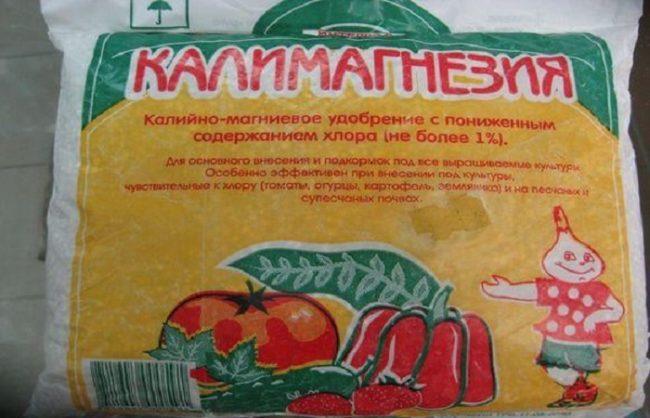
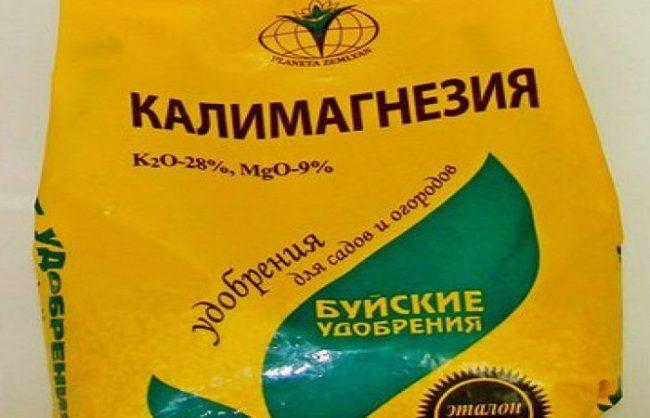
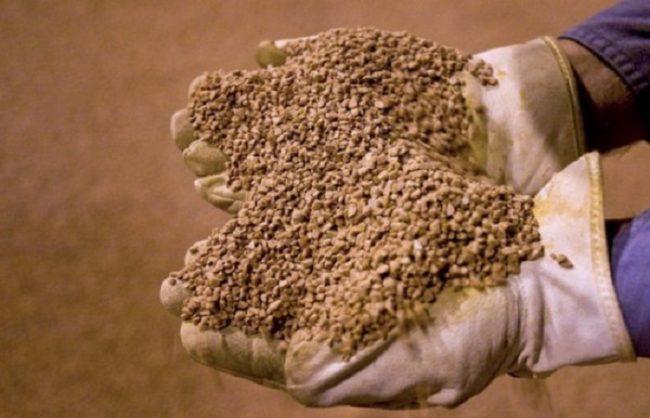
"Kalimagnesia" is a mineral fertilizer. Its active ingredients are sulfur (10%) and salts: potassium sulfate (26-30%) and magnesium sulfate (6-9%). It is available as granules, a brick-gray powder, or as a mixture.
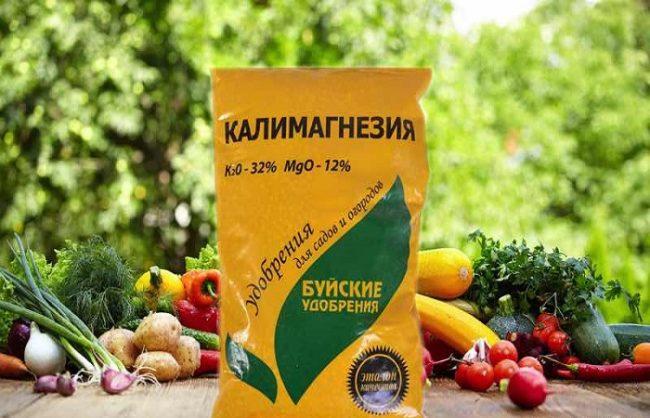
Some manufacturers offer a mixture of "Kalimagnesia" with other additives for agricultural use. For example, the Buisky Chemical Plant sells a complex granular fertilizer (the mixture also includes microelements, humic compounds, and organic matter).
Mechanism of action and purpose
The product is used as a primary fertilizer or as a supplement. It can be used for growing virtually all plant crops. The fertilizer dissolves quickly in water and is easily absorbed by plants. Each component in the supplement plays a specific role in plant development:
- Potassium increases plant resistance to adverse weather conditions and strengthens immunity to diseases;
- Magnesium promotes nutrient absorption, supports the development of a strong root system, and is directly involved in photosynthesis. Sugar beets, corn, and legumes are the largest consumers of this element.
- Sulfur promotes protein formation and promotes fiber and cell regeneration. It is especially valuable for the development of cruciferous crops.
Terms of Use
When using "Potassium Magnesia", follow the manufacturer's recommendations and adhere to the fertilizer application rates:
Take a look Also

| Processing object | Consumption rate g/sq.m | Features of application |
| Vegetables | 8-25 | In early spring, apply 8-10 g/sq. m. In July-August, the dosage is doubled. |
| Potato | 20 | Fertilizer is applied during planting. During the tuber formation phase, the plants are sprayed with a working solution (20 g per 10 liters of water). |
| Carrots, beets | 30 | Fertilizer is applied at the planting stage. To improve flavor and thicken root crops, spray the plants with a solution (25 g per 10 liters of water). |
| Grape | 1 tablespoon per 10 liters of water | Spray 3-4 times per season. The first time is at the stage of bunch formation. |
| Fruit bushes and trees | 20-30 | The working solution is watered over the soil around the tree trunk and is used throughout the growing season. |
| For coniferous crops | 35-40 | Apply in the spring to the area around the tree trunk. The soil is first loosened and moistened. |
| Roses, flower crops | 20 | Fertilizer is applied to the trunk circle in the spring, 0.2 m away from the bush. A second spray is applied after the first flowering streak. After the end of the growing season, fertilizer is applied again under the rose bush's root. |
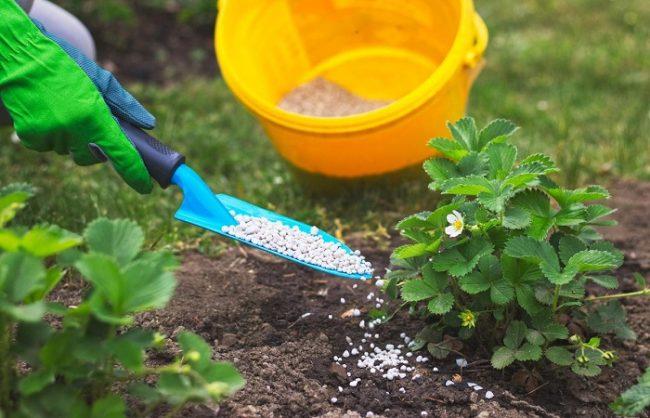
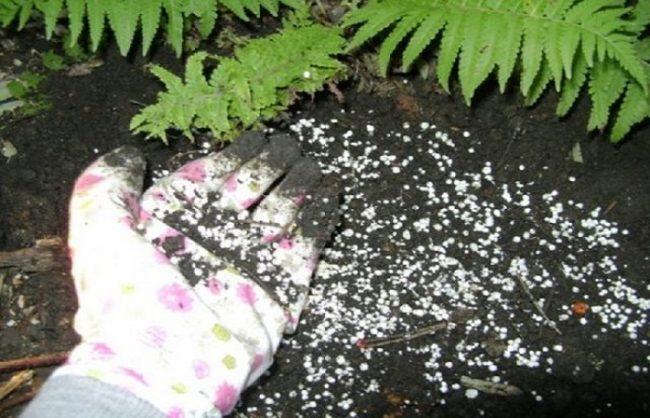
If the soil in your garden is clayey, it's recommended to apply fertilizer in the fall. In beds with light soil, applying fertilizer in the spring is more effective. Avoid burying the granules too deeply to ensure better absorption by the plant's roots.
Safety precautions
The product is non-toxic. However, precautions must be taken when preparing the working solution and using it:
- work is carried out using personal protective equipment (rubber gloves and shoes, respirator and safety glasses);
- the soil is fertilized in dry, windless weather;
- During work, you must not drink, smoke, eat, or remove personal protective equipment.
After completing the procedure, wash your face under running water and wash your hands with soap. If the solution comes into contact with your skin, rinse any exposed skin with clean water.
Take a look Also
Is compatibility possible?
This fertilizer has low compatibility with other fertilizers. Do not use Kalimagnesia and growth stimulants simultaneously. It is also not recommended to combine it with urea and various pesticides.

Storage rules and shelf life
The recommended shelf life is 5 years from the date of manufacture. Since the product is highly water-soluble, it is recommended to store the granules in a dry, ventilated area. It is not recommended to store the fertilizer together with food products or animal feed.
What to replace it with
Potassium and magnesium are essential nutrients for all plants. If "Kalimagnesia" is unavailable, other fertilizers that provide these essential elements can be used:
- Potassium salt helps increase the yield of fruit crops, is simple and convenient to use, and is poorly washed out of the soil by precipitation;
- Magnesium sulfate improves the quality of berries and fruits and boosts plant immunity. It can be combined with other types of fertilizers (but not with alkaline fertilizers).
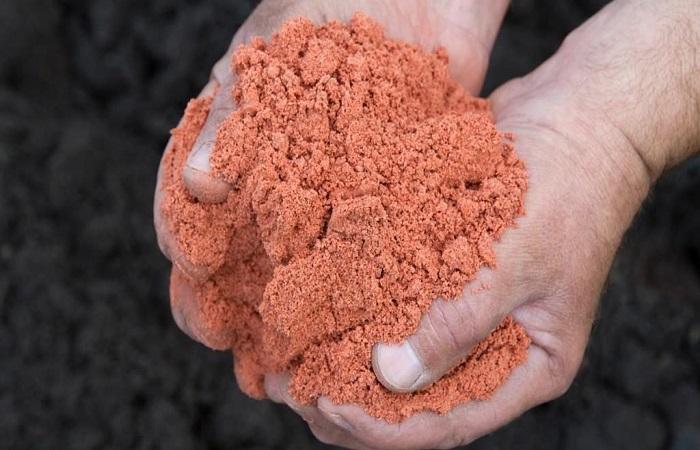
Water-soluble "Kaliymaga" granules are widely used in growing various plants. They are effective when used on sandy and sandy loam soils deficient in magnesium.
"Kalimagnesia" fertilizer has virtually no drawbacks and is effective for growing a wide variety of crops. When applying the fertilizer, it is important to follow the manufacturer's instructions and adhere to the recommended application rates. Exceeding the recommended application rates will negatively impact the plants.