
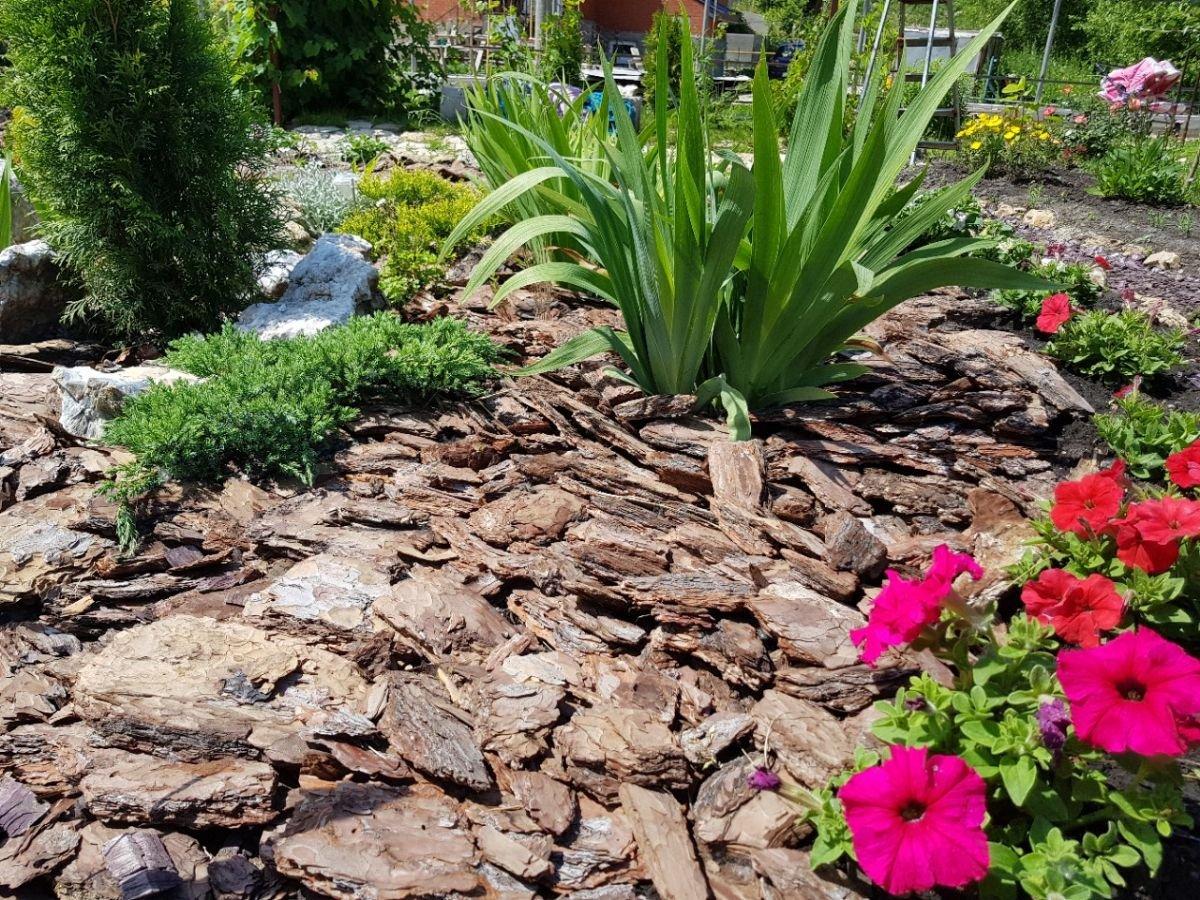
Mulching with bark is a common technique that helps improve crop growth. This material also makes the plot more aesthetically pleasing. Many gardeners today use this method. Furthermore, using bark has many advantages over other materials. It loosens the soil and enriches it with nutrients.
Mulching functions
Mulching the soil helps to achieve the following results:
- protect the soil from temperature fluctuations;
- maintain sufficient soil moisture;
- prevent crust formation on the ground after precipitation;
- suppress the growth of weeds;
- decorate the space.
The use of organic materials for mulching beds helps to significantly improve the quality of the soil.
Advantages and disadvantages of bark mulch
Tree bark is considered an excellent mulch material. This is due to its many advantages. Its main benefits include the following:
- Environmentally friendly. The substance does not emit hazardous elements.
- Durability. The material does not require complete replacement. When using it, simply renewing the topsoil is sufficient.
- Stability. Due to its sufficient mass, the bark does not fly apart in the wind.
- Preventing moisture evaporation helps reduce the number of waterings.
- Good moisture flow to the root system. This allows you to water the beds without moving the mulch.
- Protection of the root system from the effects of low temperatures.
- Preventing weed growth reduces weeding time.
- Excellent decorative properties.
It's important to note that bark mulch also has a number of disadvantages. The main disadvantages of this material include the following:
- High risk of rot. This problem often occurs when the mulch is applied too thickly.
- Lack of quick results from mulching.
- There's a risk of rodent infestations under the mulch layer. Mice and other pests can damage young crops.
Take a look Also

When to use
Mulching garden beds should be done in early spring. But first, it's important to ensure adequate soil moisture. Removing perennial weeds and adding nutrients are also crucial.
Mulching garden beds is also acceptable in mid- to late fall. In this case, remove large weeds and apply winter fertilizer if needed. Organic mulch should be replenished once a year.
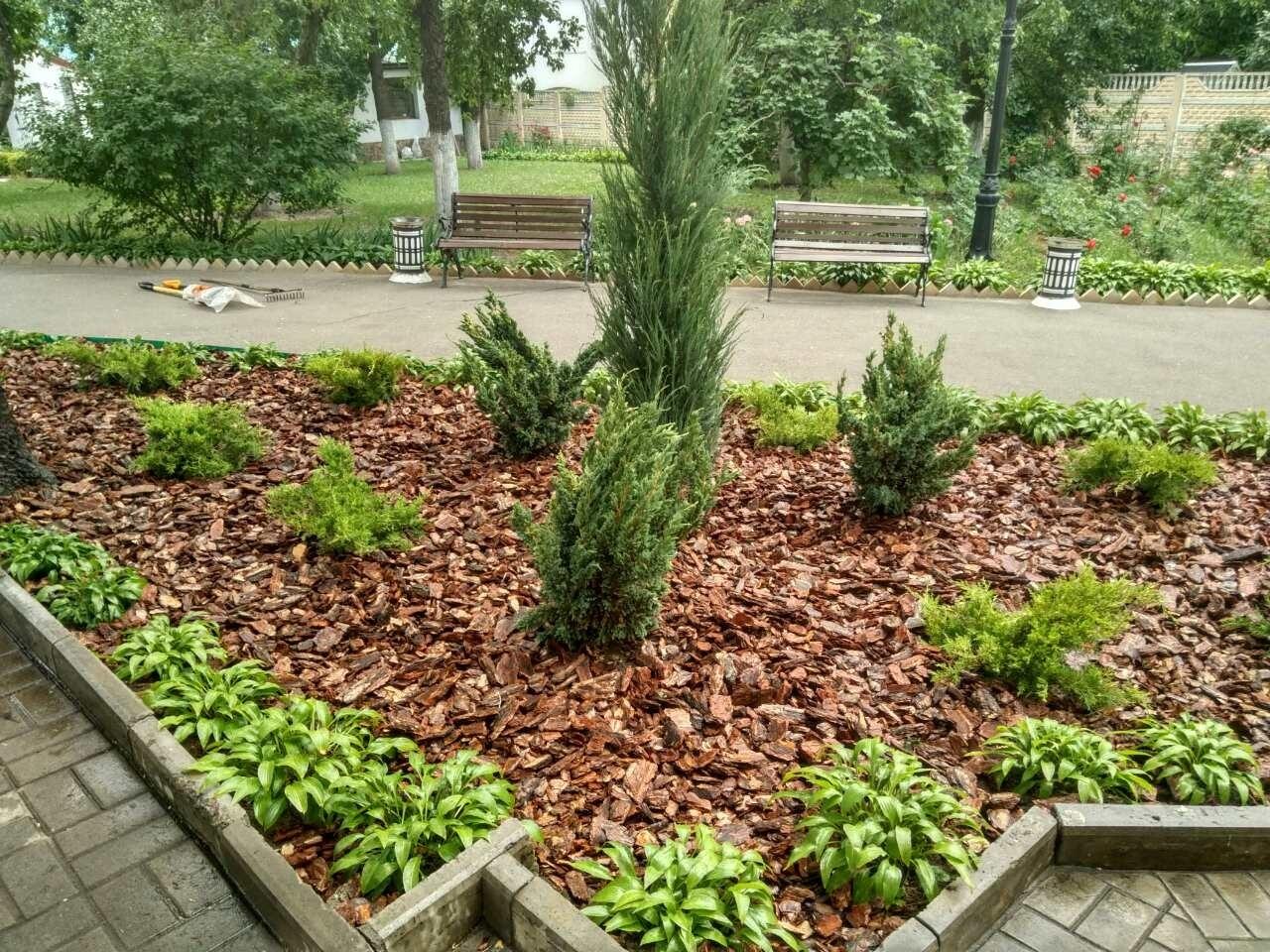
Wood mulch can be used for a variety of plants. It's ideal for vegetables, berry bushes, and fruit trees. It's also recommended for flowerbeds and flower gardens.
How to prepare
Before using bark as mulch, it's important to remove any defective parts. Afterward, it's recommended to treat the bark with insecticides and antiseptics. Then, place the bark in a well-ventilated area for 5-15 days to dry completely.
After the preparatory work is completed, the material must be ground to a suitable consistency. The following methods are acceptable for this:
- break by hand;
- process using a special garden shredder;
- spread it out in an even layer and process the material with a scarifier.
Terms of Use
Various types of bark can be used as mulch. They all have their own characteristics.
Pine material
Pine bark is considered the most popular type of mulch. It's also readily available, as this wood is often used to make furniture and other items.
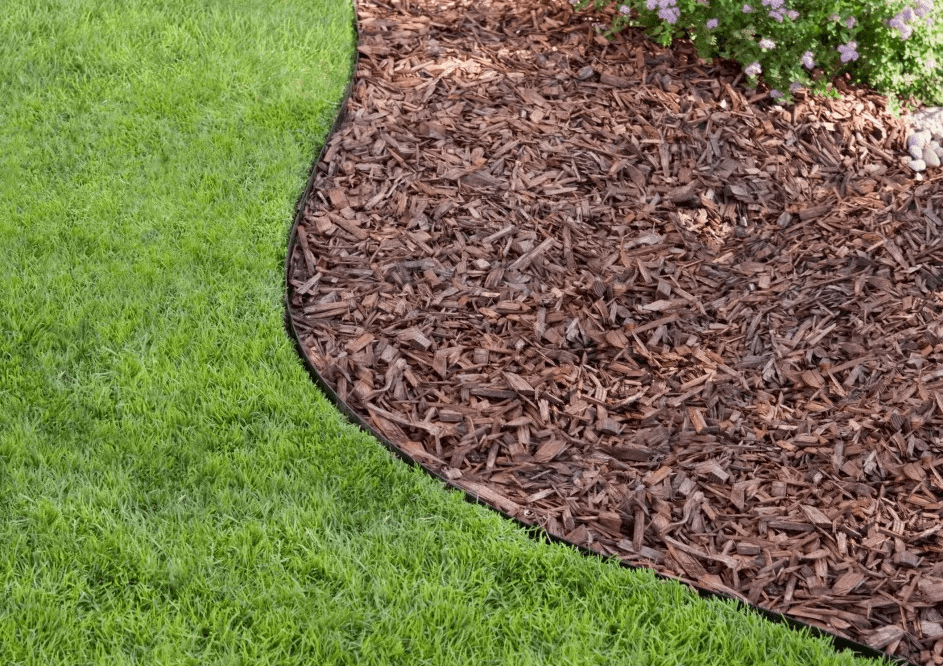
You can prepare mulch yourself. However, fallen bark is best. Mulch can also be obtained from sawmills and woodworking shops that produce joinery.
Larch mulch
Larch bark is considered rarer than pine bark. Therefore, it is not used in carpentry and is rarely used for furniture making. This material must be sourced from sawmills. A distinctive feature of the bark is its high strength.
The substance contains many oils, which slows down the rate of decomposition. However, the material can also acidify the soil. Therefore, it's important to mulch your plantings properly to prevent damage to the plants.
Fruit trees
When pruning fruit trees, branches are often left behind, which can be used as mulch. This material is used for agricultural mulching of many crops. It can also be used as a decorative element.
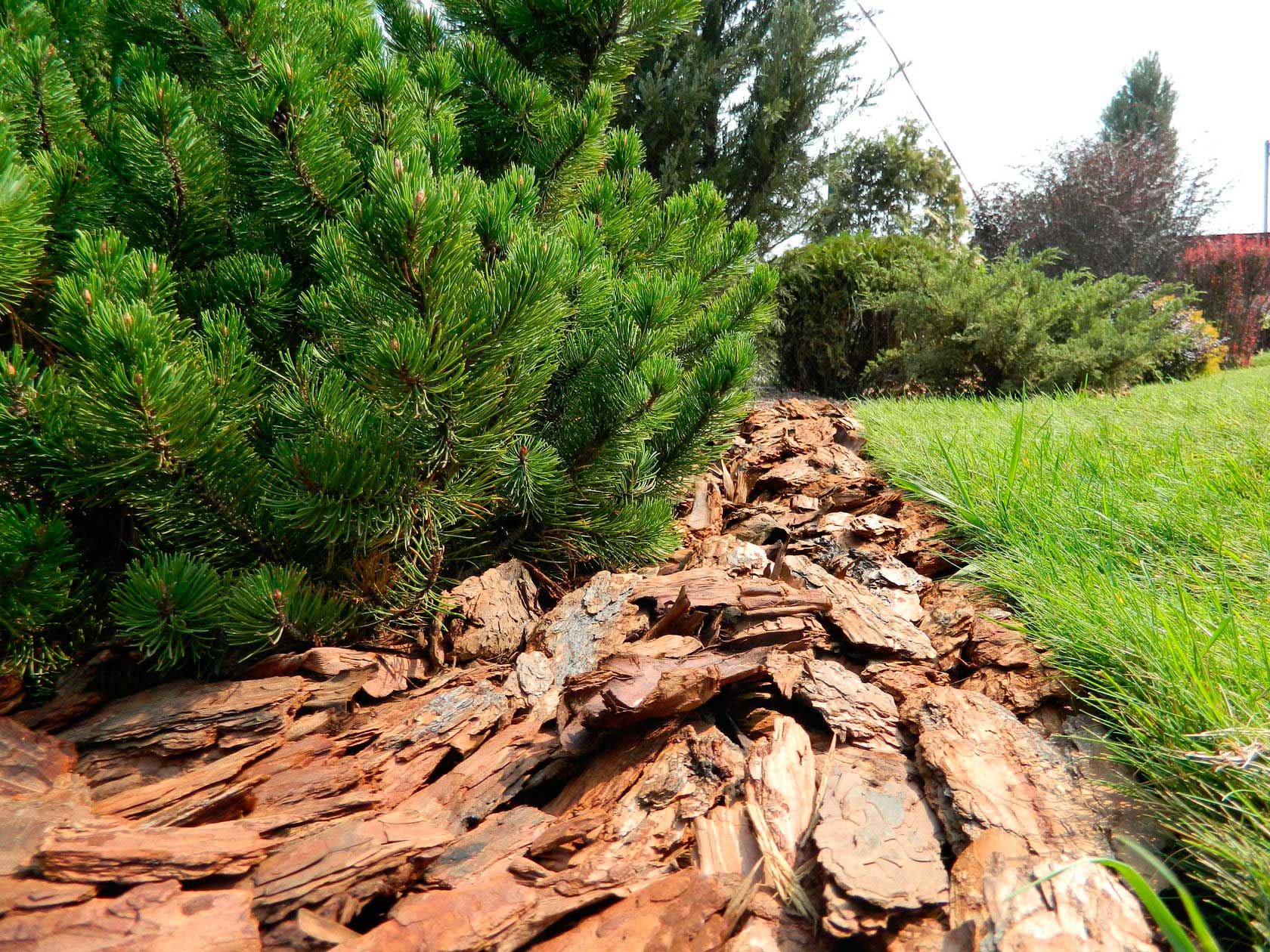
Conifers are an exception. Mulching these plants with fruit bark is prohibited, as it promotes the development of various diseases. Furthermore, such material is significantly more likely to harbor parasites and pathogens. Therefore, the bark of fruit trees must be used with extreme caution.
Other types
To improve soil composition, a variety of materials can be used. These include the following:
- sawdust;
- shavings;
- chopped straw;
- hay or tops;
- chips.
When rotting wood chips, it's acceptable to thoroughly loosen the soil. The green mass contains many useful substances. It's important to note that these materials tend to rot more quickly. This is especially true when adding excrement to them. The use of special agents is also acceptable.
To improve soil structure and increase crop yields, it's important to use rotted animal bedding. This is due to its content of the following components:
- crushed wood, which improves the soil structure;
- droppings or manure – these substances contain many valuable ingredients and stimulate the reproduction of valuable microorganisms;
- Urea – helps compensate for nitrogen losses.
Common mistakes and how to avoid them
Improper mulching negatively impacts crop development. One common problem is covering unheated soil. Avoid mulching crops before May. Otherwise, the bark layer will prevent the soil from warming up near the root system.
Another common mistake is mulching dry soil. As a result, the root system near the roots will not be able to receive the required amount of moisture. Also, novice gardeners place mulch directly around the trunks and stems. This leads to plant rot.
Take a look Also
Mulching with bark is an important procedure that helps protect roots from overheating, overcooling, disease development, and pest attacks. Furthermore, this procedure enriches the soil with nutrients needed for the full development of various crops.