
Mulching is a popular agricultural practice that helps reduce soil moisture loss and improve its structure. A variety of materials can be used for this procedure. Using sawdust as a soil mulch can achieve a number of benefits, including increasing crop yields, reducing labor costs, and inhibiting pathogen growth.
Is it permissible to use sawdust for mulching?
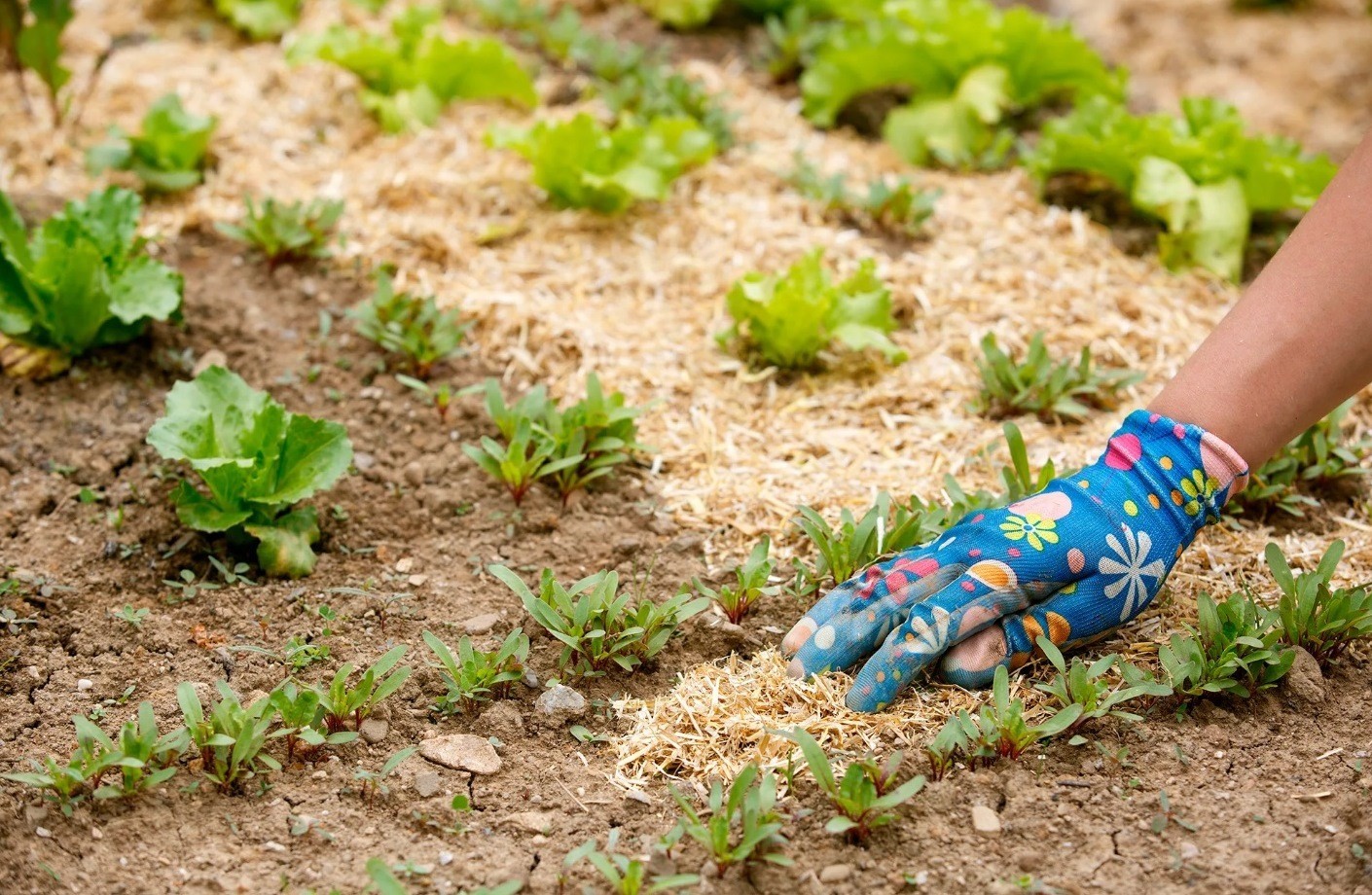
Sawdust is often used as a mulch. It's affordable, easy to use, and safe. It can be used not only in garden beds but also in the walkways between them. It can also be used to mulch the trunks of trees and berry bushes.
This material is often used indoors, such as in greenhouses and hotbeds. It combines well with manure, which is also used to fertilize the soil. It can also be combined with tops and other plant residues.
Mulching with sawdust is acceptable in spring and fall. After the season ends, the material can be incorporated into the soil. Straw, fallen leaves, and grass clippings can be used for this purpose.
Pros and cons
Using shredded sawdust as a mulch has many advantages. Decomposed wood shavings improve the soil structure and enrich it with nutrients. Beneficial bacteria thrive under a dense layer of this mulch.
Other advantages of this material include the following:
- increasing fertility and crop yield;
- Reduced losses – wood litter helps prevent berries and vegetables from rotting;
- reduction in labor costs and the amount of watering, loosening and weeding;
- protection of roots during the cold season and in dry weather;
- acceleration of the composting process;
- pest control;
- improving the appearance of the garden and vegetable garden.

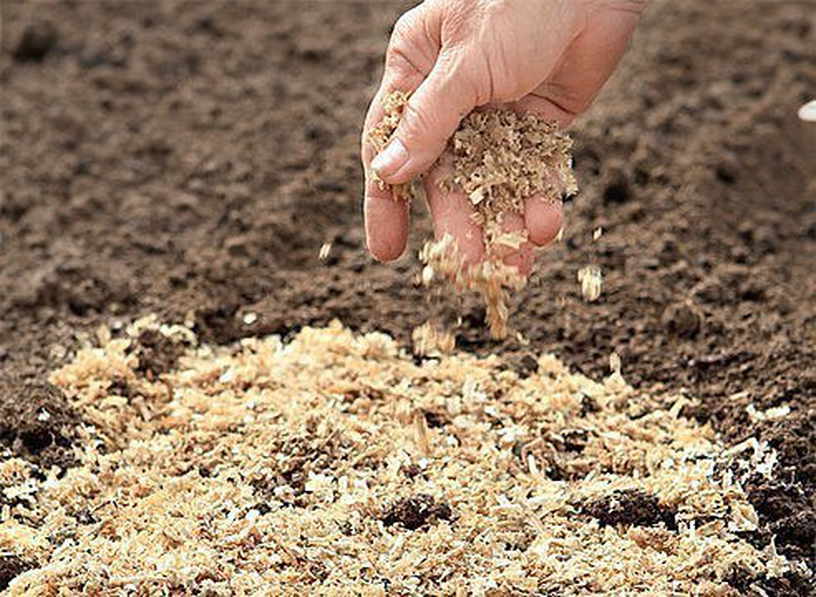
The negative impact of sawdust is due to the fact that it does not contain nitrogen, but rather absorbs it from the soil during the decomposition process. This deficiency can be mitigated by adding nitrogen fertilizers.
Using fresh wood shavings can cause soil acidification. To eliminate this, mix the substrate with chalk, slaked lime, and ash. It's also important to remember that sawdust inhibits the growth of beneficial microorganisms as well as harmful ones.
Plants that it is suitable for
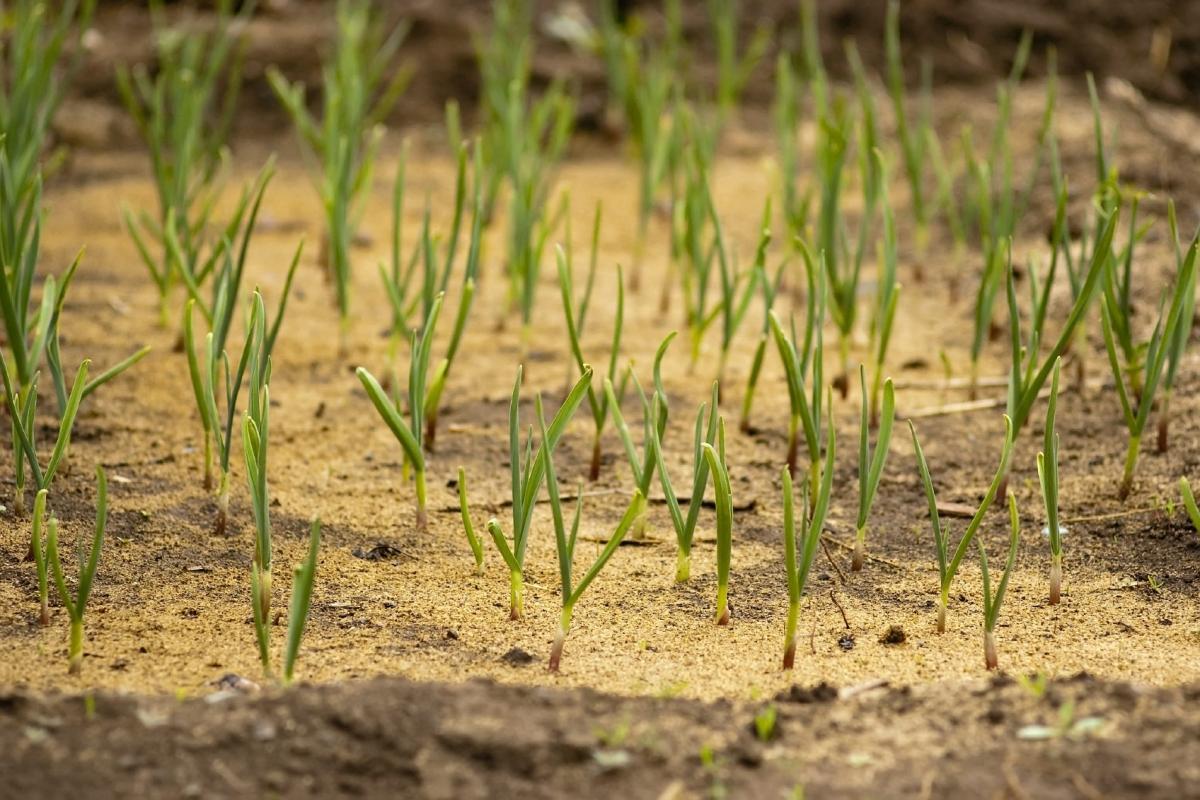
If watering is insufficient, mulching is recommended first and foremost for plants that require a lot of moisture. This applies to cucumbers, zucchini, pumpkins, and various types of cabbage. Raspberries, garlic, strawberries, and wild strawberries also respond well to this type of care.
What sawdust to use
Sawdust varies in size and grade. Different types of sawdust are used depending on these differences. It's important to consider the following:
- Coniferous sawdust mulch is only suitable for plants that thrive in acidic soil. This includes tomatoes, strawberries, cucumbers, and carrots.
- Shredded hardwood shavings are suitable for many plants, with the exception of oak sawdust.
- Fresh, coarse wood shavings can be placed between the beds. This will help retain moisture and slow down weed growth. In other cases, pre-prepared materials should be used.
- To protect seedlings, use the finest wood waste. However, wood flour should not be used as mulch. When compacted, it forms a hard crust that does not allow moisture to pass through.
- It is best to use rotted sawdust, which does not increase the acidity of the soil.
A simple recipe for making
To prevent sawdust from harming the soil and crops, it must be properly prepared. To create high-quality mulch, the material should be partially or completely converted into humus.
A high-quality mulch can be made from clean wood waste of various species. It's also possible to use a mixture of sawdust, various feces, and nitrogen fertilizers.
To initiate the fermentation process, during which bacteria and fungi transform wood into humus, it's important to ensure high humidity and temperatures above 15 degrees Celsius. This will ensure the microbial population exceeds the minimum threshold required for effective organic matter processing. It's important to note that adding manure or humus to the fermenting mass reduces temperature requirements.
Once the microorganism population reaches the required levels, they begin to process the material, which releases thermal energy. This is why the sawdust and manure mixture maintains a high internal temperature even in freezing temperatures.
Adding ash or dolomite flour to sawdust creates a mulching material with excellent fertilizing properties. These components also help neutralize ingredients that alter soil pH. This is especially important if you plan to use partially decomposed material as mulch.
Natural decomposition of wood waste takes 2-4 years, depending on humidity and temperature. Adding manure or litter to the mixture reduces this period to 6 months. By adding bacteria-boosting compounds, high-quality mulch can be produced in 3-4 months.
Instructions for use and when to carry out work
The timing of mulching depends on the crops grown in the beds and the gardener's goals. It is recommended to mulch annuals immediately after planting. Root crops should be covered with sawdust after thinning.
Perennial crops should be mulched after the soil has warmed. The old layer should be removed first. When growing plants in a greenhouse, the procedure should be carried out during the active growth and development stage.
Shelf life
Wood sawdust should be kept away from direct sunlight and moisture. In this case, its shelf life is 2 years.
Mulching soil with sawdust is a common practice that helps improve soil structure and promote crop growth. To achieve good results, it's important to prepare the material properly.